



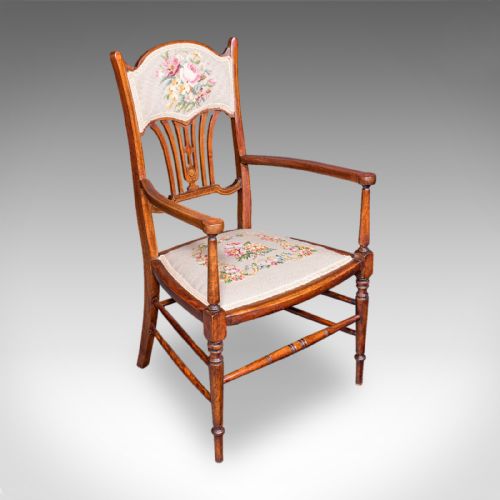
Victorian Turned Leg Chairs
Victorian turned leg chairs are sturdy timber seats built for dining rooms and country kitchens, prized for their solid joinery and honest grain.
Victorian Turned Leg Chairs
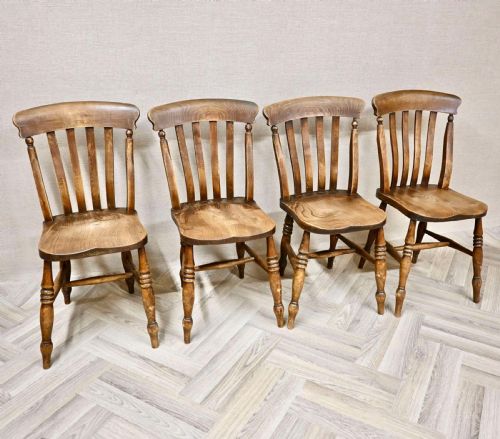
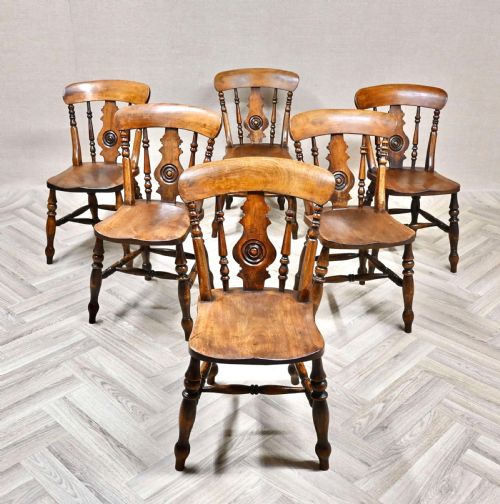
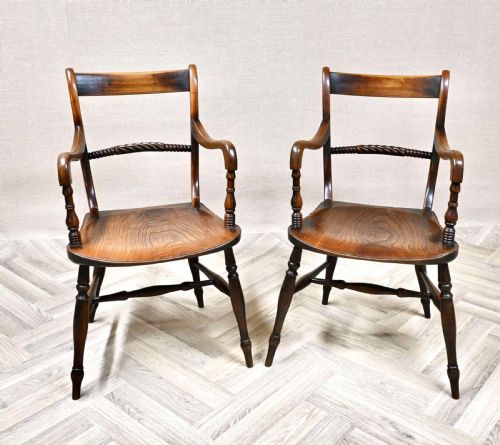
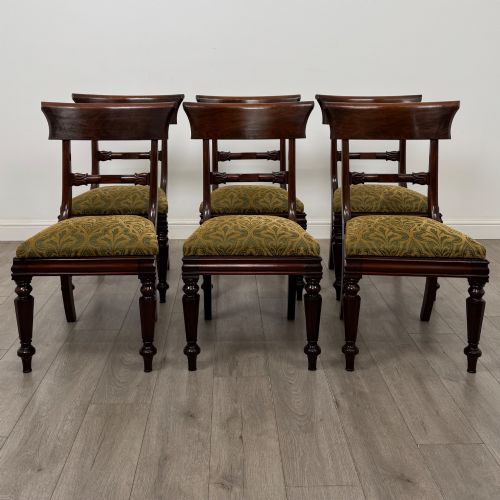
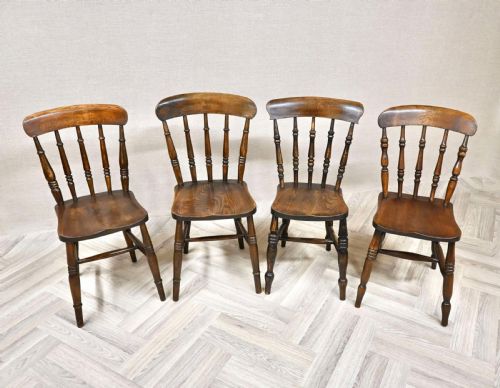
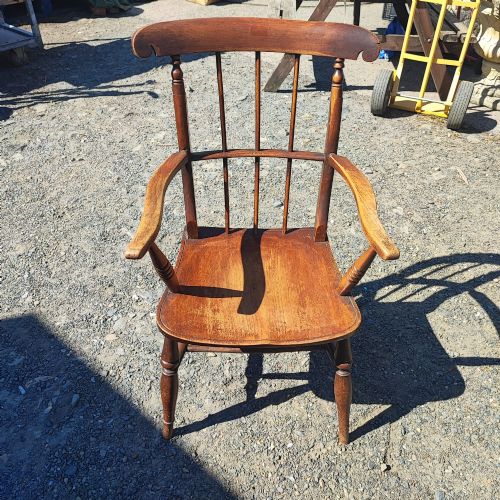
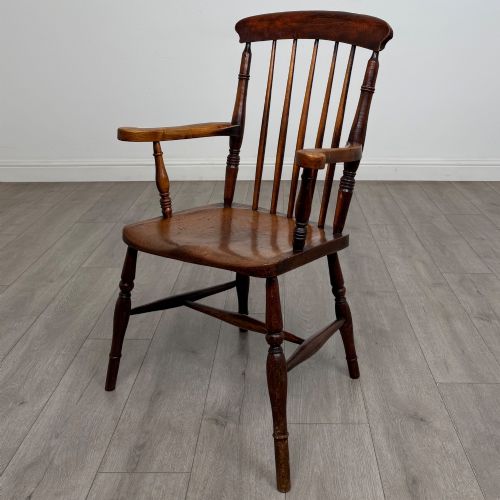
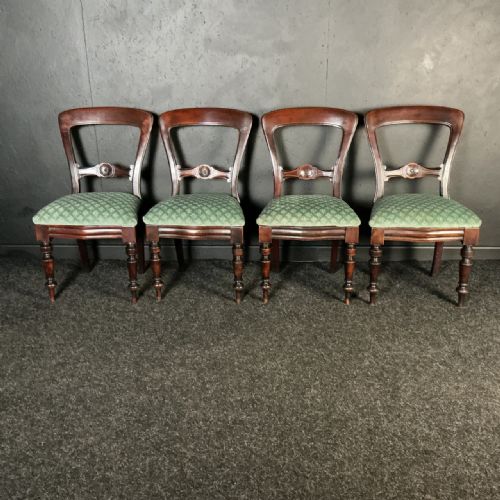
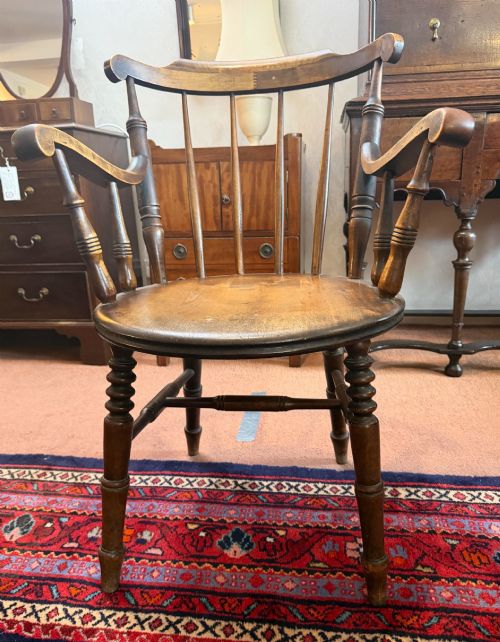
Victorian turned leg chairs encompass a broad selection of practical household seating, ranging from robust kitchen Windsors to formal mahogany dining sets. Buyers searching for victorian turned leg chairs encounter numerous regional forms, including smoker's bows, spindle backs, and balloon back dining seats designed for domestic comfort.
The material palette is dominated by native timbers such as elm, ash, oak, and beech, alongside finer woods like mahogany for formal rooms. Most examples date from the nineteenth century, reflecting the heavy output of English country workshops and urban cabinet makers alike.
How they were made
Cabinet makers and bodgers shaped these chairs using a lathe to turn wooden spindles, legs, and stretchers from green or seasoned timber. Seats were frequently saddled from a single thick slab of elm, while backs utilised steam-bent components to achieve ergonomic curves.
Joinery relied on traditional mortise and tenon construction, wedged joints, and shrinkage fits that locked turned components permanently into place. Upholstered variants incorporated webbing, horsehair stuffing, and heavy textiles secured with brass tacks.
Listings feature eighteenth and nineteenth-century forms in oak, elm, mahogany, beech, and ash, encompassing diverse regional seating traditions.
What varies in quality
Quality rests in the crispness of the lathe turning, the selection of timber figure, and the structural integrity of the frame. Heavy, dense woods like oak and mahogany with well-preserved joinery denote superior production.
Originality of surface finish and the retention of matching sets dictate the standing of a piece. Uniformity across a set of dining chairs separates workshop-produced suites from assembled groups.
J Spencer
The Victorian Turned Leg Chairs Glossary
- Windsor chair
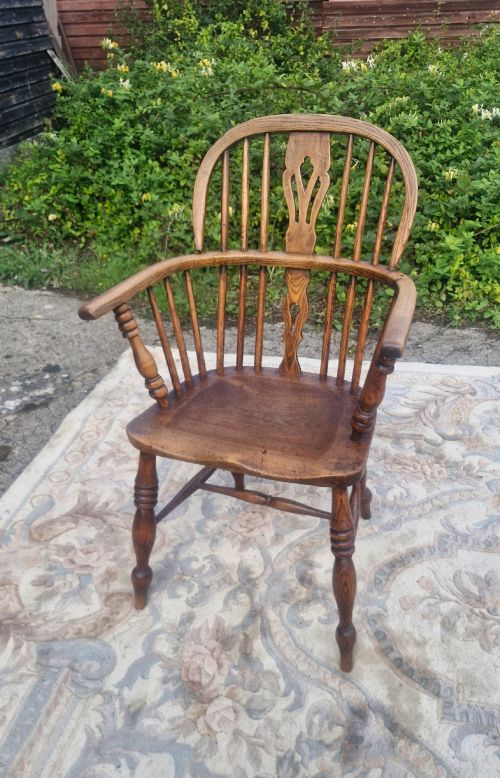
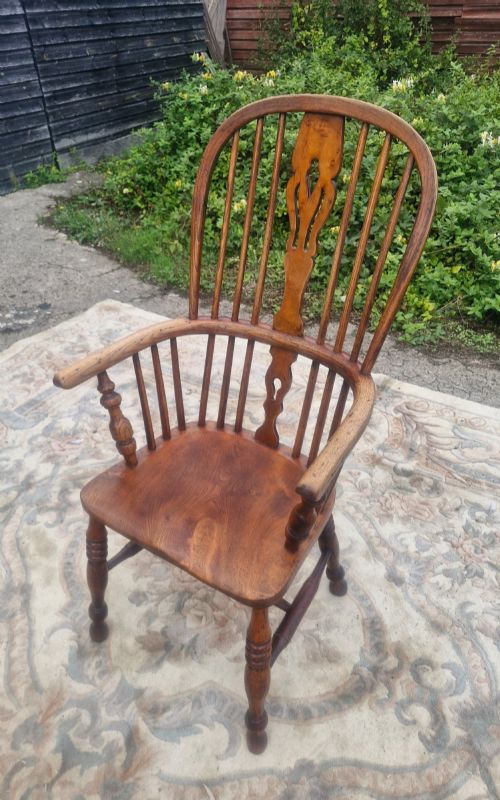
- A wooden chair constructed with a thick timber seat into which the legs, back spindles, and crest piece are separately inserted. This form relies on sturdy dowel joints rather than a continuous frame.
- Turned leg
- A structural support shaped by rotating timber against a cutting tool on a lathe to create cylindrical profiles, rings, and vase shapes. These legs provide both visual rhythm and rigid support.
- Smoker's bow
- A low-backed Windsor armchair featuring a continuous bentwood arm rail supported by turned spindles above a solid wooden seat. It is commonly associated with tavern and parlour use.
- Balloon back
- A dining chair design characterised by an oval, loop-shaped backrest resembling a balloon. This style gained immense popularity during the Victorian period.
- Spindle back
- A chair back filled with numerous thin, turned wooden rods arranged vertically between the seat and the top rail. This construction lightens the visual weight of the frame.
Victorian Turned Leg Chairs: Frequently Asked Questions
Are these chairs suitable for daily dining?
Most nineteenth-century timber chairs were built for heavy daily use in kitchens and dining rooms. Their solid joinery and robust hardwoods allow them to handle modern family life easily.
Buyers should check that the stretcher joints remain tight and the wooden seats are free from deep splits before putting them into regular service around a dining table.
How do I spot a matched set?
Matched dining sets share identical turning patterns on the legs, uniform timber grain, and consistent dimensions across every chair. Slight variations in height or carving usually indicate an assembled group.
Examining the underside of the wooden seats often reveals workshop pencil marks, tool signatures, or subtle wear patterns that confirm the chairs belonged together from manufacture.
What is the difference between a kitchen and parlour chair?
Kitchen chairs prioritise unpretentious utility, often featuring elm seats, ash spindles, and simple turned legs designed to withstand rough treatment. Parlour and dining chairs utilise finer woods like mahogany or walnut, frequently incorporating upholstery.
Formal versions display refined carving, Sheraton Revival details, or decorative lyre backs intended for reception rooms rather than domestic work spaces.
How should I care for antique timber chairs?
Preserving these wooden frames requires stable indoor humidity and protection from direct heat sources that dry out old timber. Regular dusting with a soft cloth maintains the natural lustre of the wax or polish.
Avoid commercial silicone sprays, as they penetrate open wood pores and complicate future conservation work on nineteenth-century surfaces.