



Wooden Cottage Chairs
These wooden cottage chairs bring honest vernacular craft into domestic spaces through enduring regional designs.
Wooden Cottage Chairs
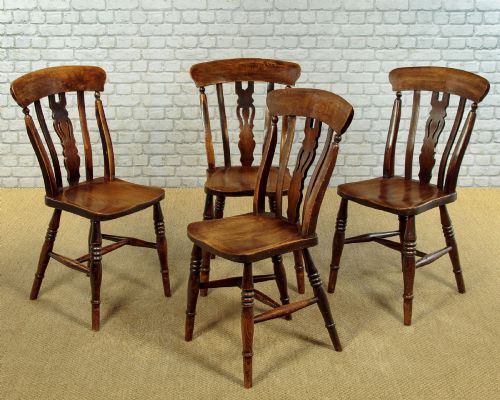
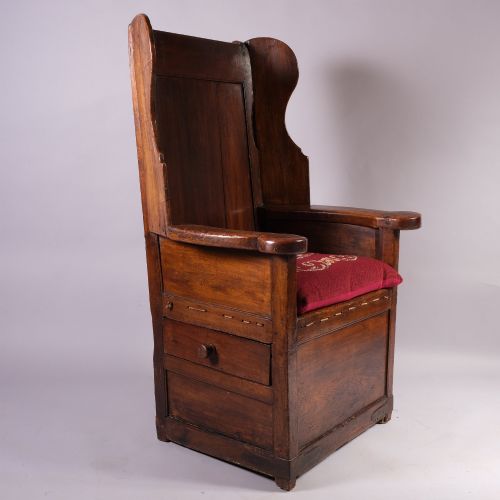
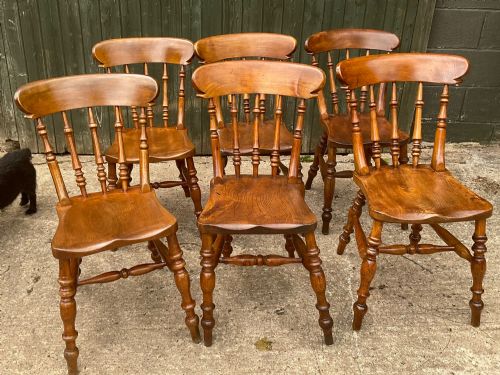
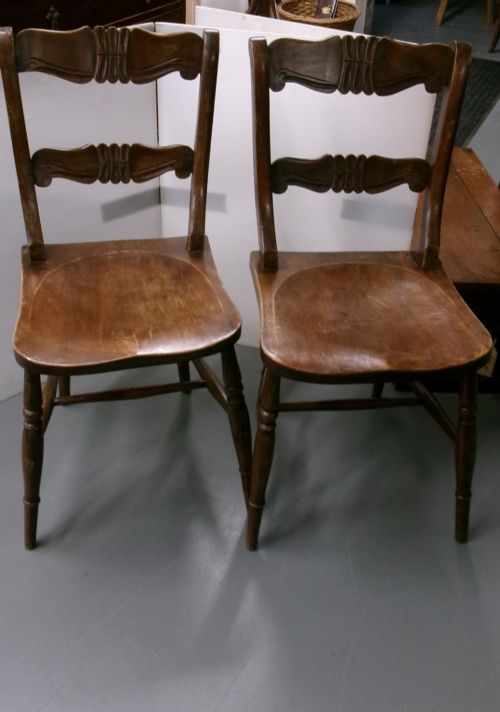
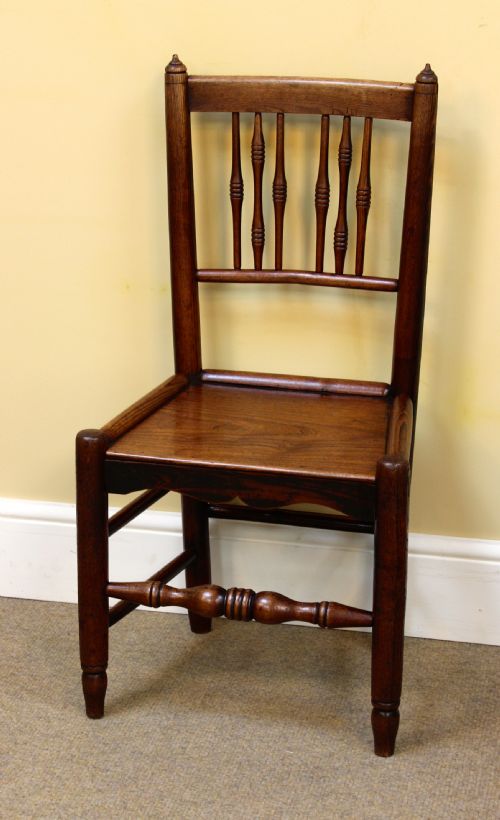
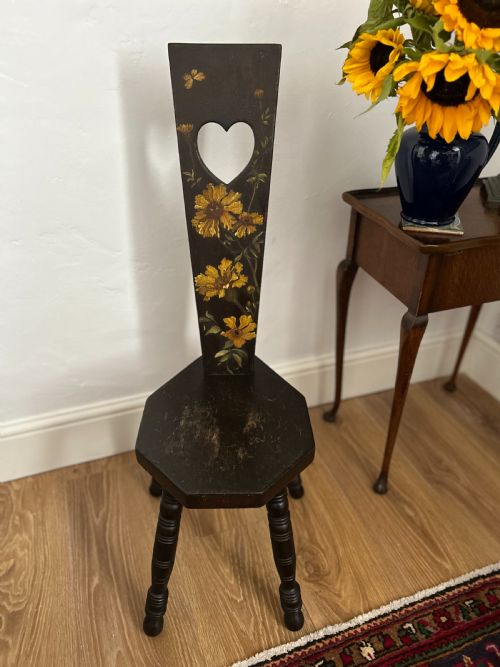
Wooden cottage chairs encompass a diverse group of vernacular seating created for domestic life across various British regions. When exploring wooden cottage chairs on this page, you encounter forms ranging from simple kitchen singles to expansive dining sets and specialist seating like lambing or spinning chairs.
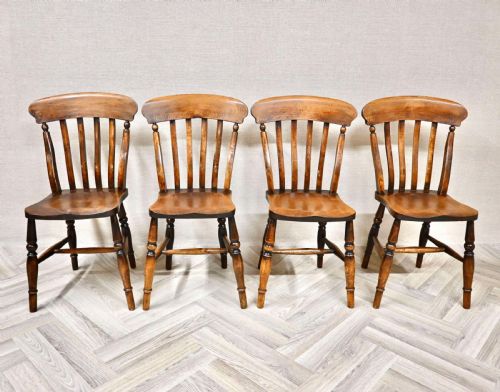
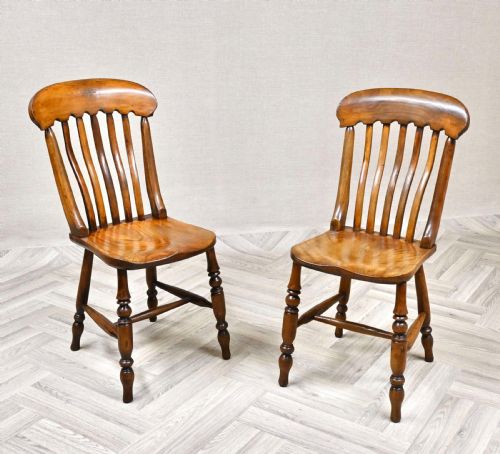
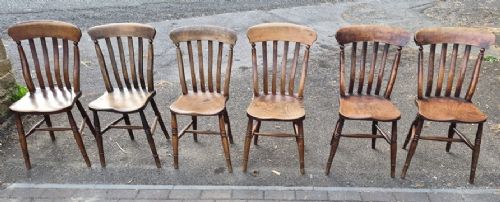
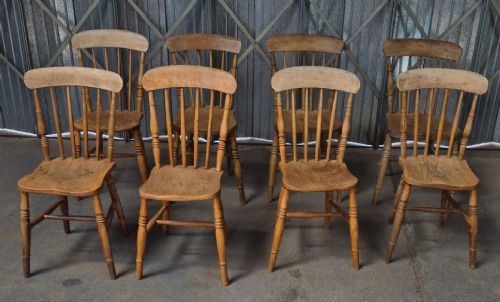
The selection leans heavily toward nineteenth-century examples, including Victorian pieces and earlier eighteenth-century designs. You will frequently find lathback, stick back, wheel back, and Windsor variations constructed for daily utility in farmhouses and rural homes.
Materials and construction methods
Maker traditions relied on combining timbers to suit the structural demands of each part, typically pairing elm seats with ash or beech bendings and spindles. Hardwoods provided the necessary resilience for everyday domestic use without relying on elaborate joinery.
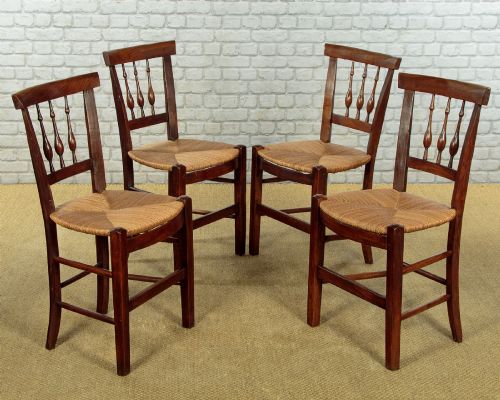
Seating surfaces often utilised woven rush or turned wood, while frames depended on traditional bodging and Windsor construction techniques. Craftsmen shaped solid timber using drawknives and shaves, creating durable seating without modern adhesives.
Listings feature nineteenth-century pieces alongside eighteenth-century examples, utilising elm, ash, beech, and rush.
Assessing craftsmanship and proportion
Quality in these seating forms rests upon the balance of proportion and the integrity of the timber selection. Better examples display carefully turned spindles, well-sculpted saddle seats, and balanced undercarriages that maintain stability over generations of use.
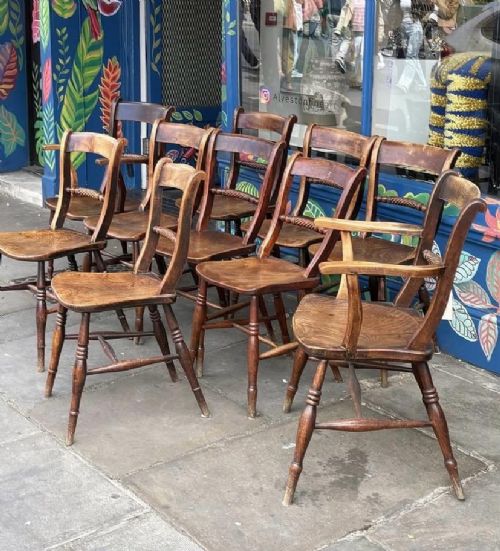
Harlequin sets and matched groups show variation in the consistency of turning and the depth of colour in the wood. Superior items retain their original patination and structural firmness, reflecting the distinct hand of regional vernacular makers.
Worksop Allsop
The Wooden Cottage Chairs Glossary
- Vernacular
- Objects designed and built by local craftsmen for practical use rather than following court styles. This regional approach defines the varied character of country seating.
- Lathback
- A chair back featuring vertical flat wooden slats rather than turned spindles. These slats offer sturdy support while maintaining a clean silhouette.
- Windsor
- A chair style characterised by a solid wooden seat into which the legs and back sticks are directly wedged. This construction method creates exceptional stability.
- Rush seat
- A seating surface woven from dried marsh reeds around a wooden frame. It provides a flexible and resilient base for traditional dining and kitchen chairs.
- Harlequin set
- A collection of chairs that are closely matched in style, period, or material but were not originally manufactured together. Such sets offer harmonious variety around a dining table.
Wooden Cottage Chairs: Frequently Asked Questions
What defines a Windsor chair?
A Windsor chair relies on a thick wooden seat that anchors the legs below and the back spindles above. This clever method makes the frame exceptionally sturdy for daily use.
Traditional makers shaped these parts from different timbers, giving the finished piece both strength and flexibility.
How do I care for rush seats?
Rush seats require a dry environment and gentle cleaning to preserve the natural plant fibres. Avoid excessive moisture, which can weaken the woven reeds over time.
Applying occasional light protection helps maintain the flexibility and colour of the dried material.
Are harlequin sets matching?
Harlequin sets consist of individual chairs that share similar periods, materials, or forms without being part of an original manufactured set. They provide a cohesive appearance while displaying slight variations in turning and detail.
This approach allows you to gather seating for a table gradually over time.
Where were these chairs used?
These seating forms served kitchens, farmhouses, and cottages across various British regions. Their durable construction suited the demanding requirements of everyday domestic life.
Specialist variations like lambing chairs or spinning chairs fulfilled specific household tasks near the hearth.