



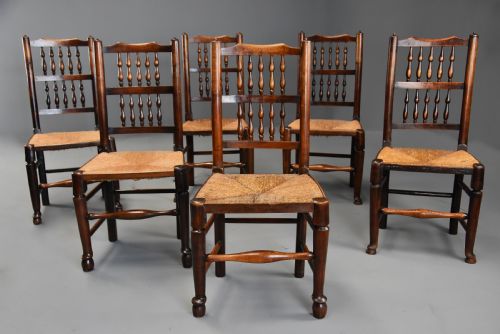
Traditional English Country Chairs
Traditional English country chairs bring honest vernacular craft into a room, offering sturdy wooden seats and time-worn grain.
What traditional English country chairs are
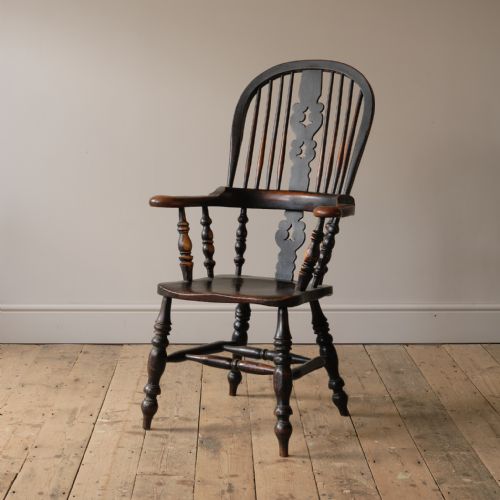
Traditional English country chairs encompass sturdy seating forms rooted in rural domestic life, appearing primarily as dining chairs and side chairs. These pieces emerge from the nineteenth century and extend into the early twentieth century, carrying the distinct hallmarks of English country vernacular design.
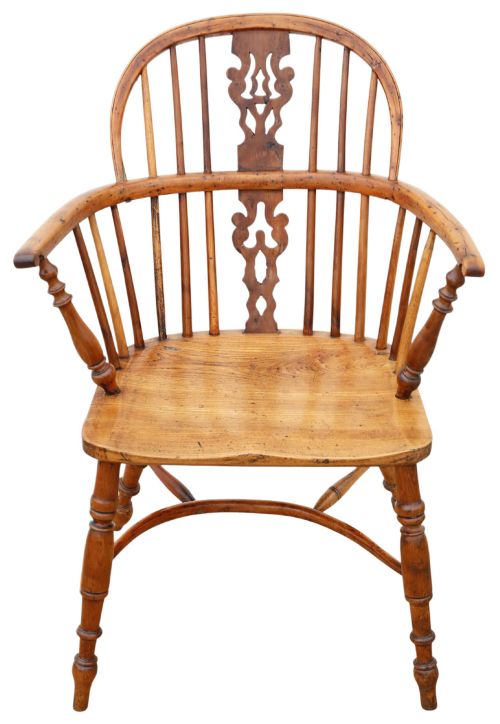
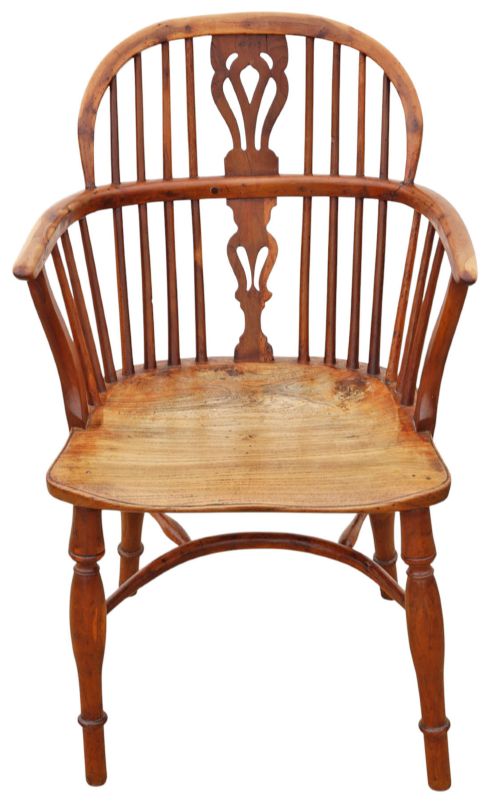
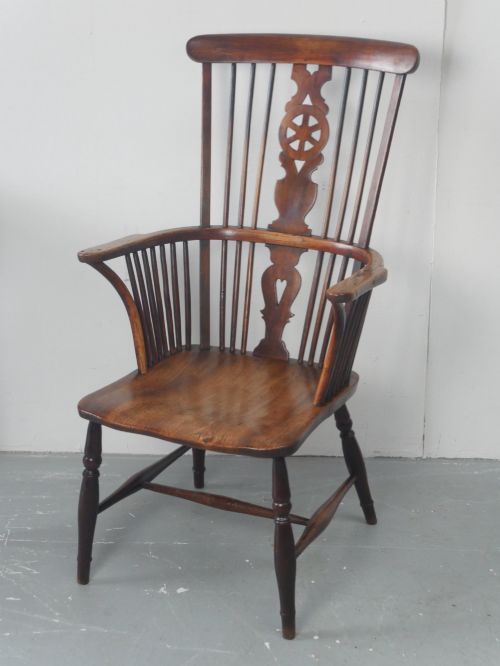
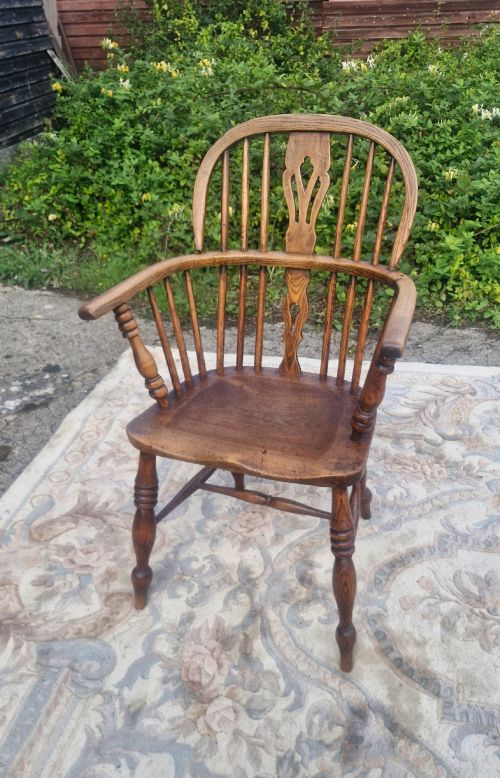
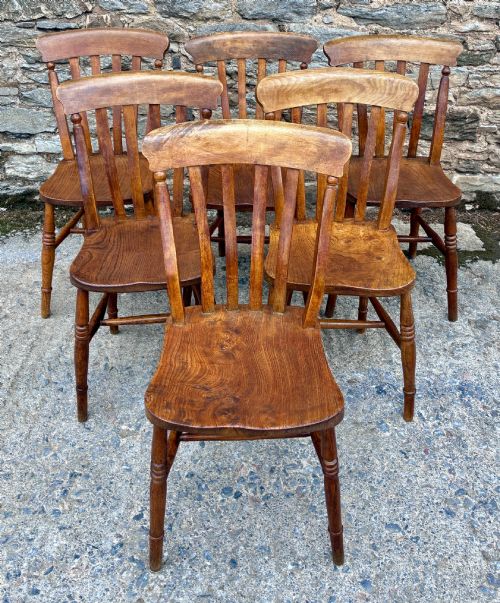
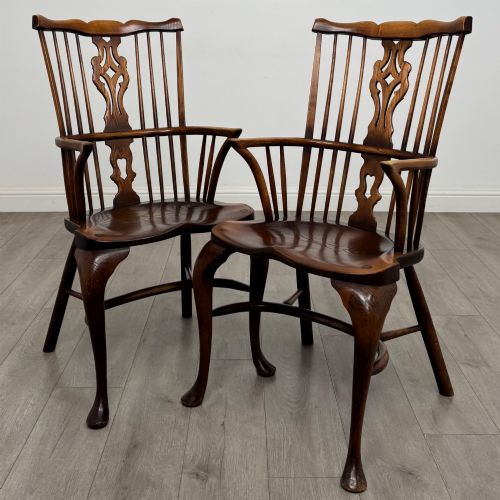
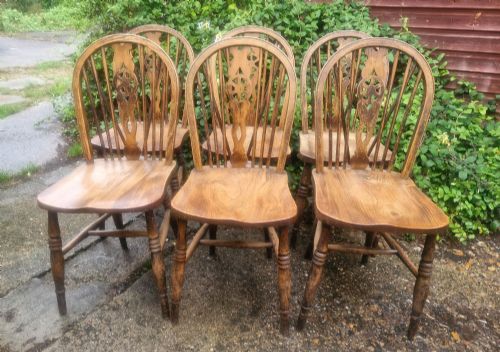
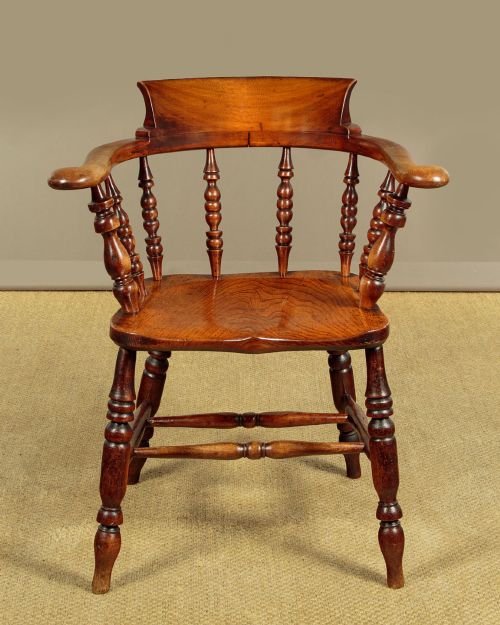
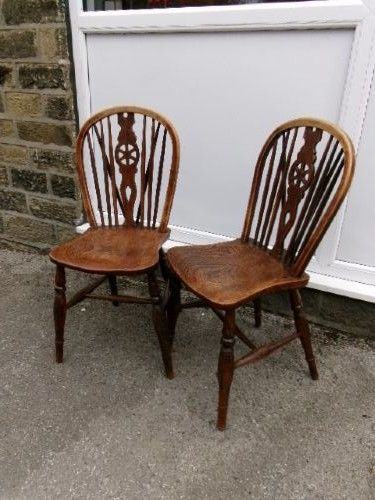
The selections on this page showcase notable multi-piece sets and pairs, featuring lathe backs, wheel backs, spindle backs, and rush-seated hall variations. Buyers encounter regional forms shaped by local turners and village cabinet makers working within established rural traditions.
How they were made
Craftsmen utilised native British timbers such as elm, beech, ash, oak, and yew, often combining multiple woods within a single frame to exploit the specific strengths of each species. Elm frequently provided strong, figured seats, whilst ash, beech, and yew formed resilient spindles, legs, and bentwood bows.
Makers constructed these frames using traditional joinery methods, incorporating turned components and steam-bent elements alongside rush for woven seating surfaces. The resulting structures relied on organic materials and straightforward carpentry rather than metal fixings.
Retail Price Guide 2026
Typical UK retail prices for traditional english country chairs, calculated from the Sellingantiques database of over a million retail prices indexed since 2003. This retail price guide relies exclusively on Sellingantiques data; no external sources or auction records are used, so the figures do not describe the wider market.
Some chairs are described as the best model, suggesting local makers took genuine pride in their top-tier kitchen seating.
What varies in quality
Quality reveals itself in the depth of the timber's patina and the integrity of the original construction rather than decorative excess. Sets that retain matching turnings and consistent timber selection across all members command greater architectural harmony.
The handling of the wood grain, particularly across elm seats and ash spindles, determines the visual weight of the piece. Superior examples display harmonious proportions and well-balanced frames that reflect the maker's eye for vernacular balance.
Worksop Allsop
The Traditional English Country Chairs Glossary
- Vernacular
- Everyday objects built by regional craftsmen using local materials and traditional methods without high-style academic design. This approach defines the honest utility of rural seating.
- Patina
- The surface sheen and colour built up through decades of handling, polish, and exposure to light. It serves as a visual indicator of age and honest use.
- Lathe back
- A chair back featuring shaped vertical slats turned or sawn on a woodturning lathe. These slats provide comfortable support while maintaining a simple profile.
- Rush seat
- A seating surface woven from dried marsh rushes or sedges. This traditional method creates a resilient, textured pad common in vernacular chairs.
- Spindle back
- A light backrest constructed from numerous slender, turned wooden rods fixed between the top rail and the seat. This design offers robust support with minimal visual bulk.
Frequently Asked Questions
What defines traditional English country chairs?
These chairs are vernacular seating pieces made from native timbers like elm, ash, and beech by regional craftsmen.
They reflect rural British domestic life through functional forms such as wheel backs, spindle backs, and rush seats.
How do I date these country chairs?
Dating relies on examining the timber species, construction wear, tool marks, and overall stylistic conventions seen in nineteenth-century and early twentieth-century examples.
Patina and joinery techniques also help distinguish older pieces from later regional revivals.
Are these chairs suitable for daily dining?
Most of these pieces were originally constructed as kitchen or dining chairs designed for robust everyday use.
Their solid timber construction and ergonomic vernacular backs make them practical for modern dining rooms.
How should I care for antique elm and ash?
Maintain the wood by keeping chairs away from direct heat sources and sudden humidity changes that can dry out native timbers.
Apply traditional wax sparingly to nourish the surface without obscuring the historic patina.