


Antique Wooden Kitchen Chairs
These antique wooden kitchen chairs are honest, utilitarian seats built to endure generations of daily domestic service.
Antique Wooden Kitchen Chairs
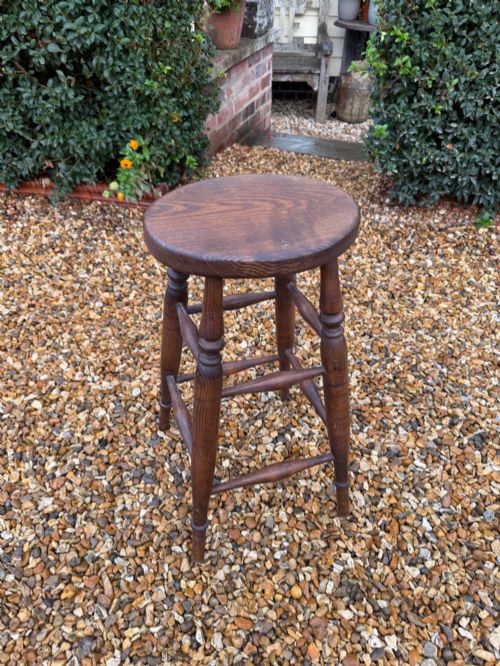
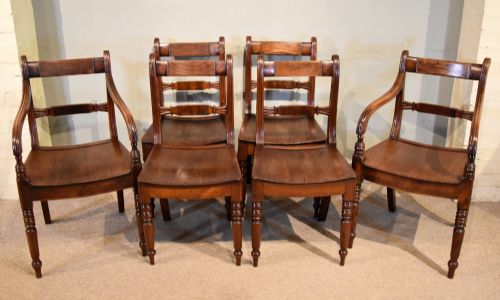
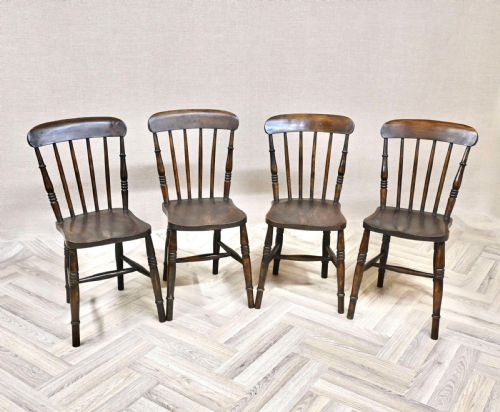
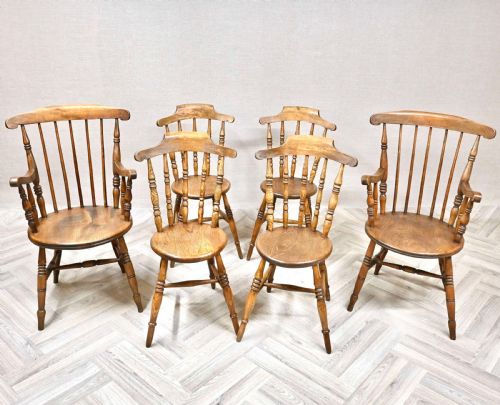
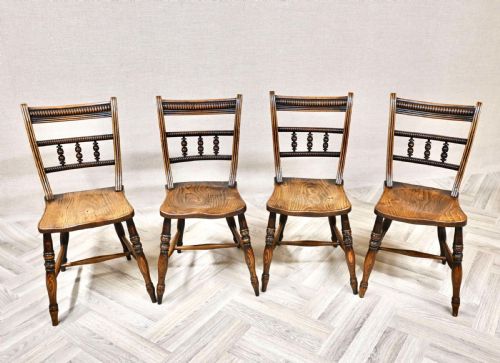
When you search for antique wooden kitchen chairs, you encounter practical seating originating from domestic farmhouses, cottages, and country homes. These pieces reflect long periods of everyday use, often surviving in sets or harlequin groupings spanning the nineteenth and early twentieth centuries.
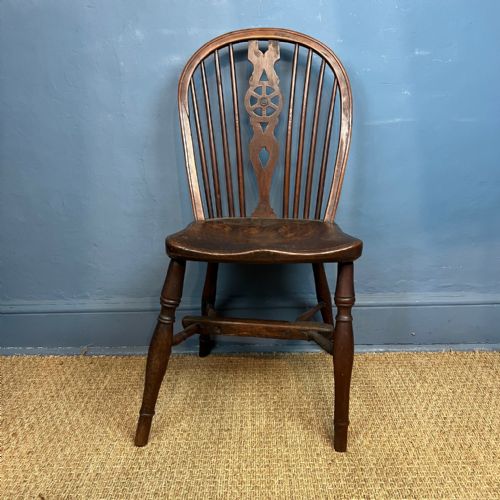
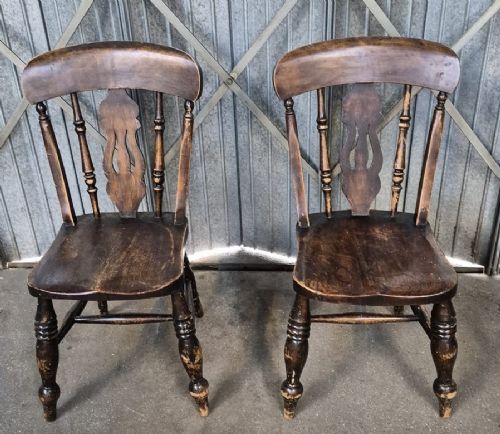
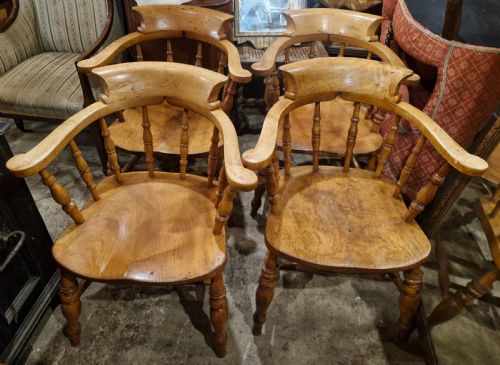
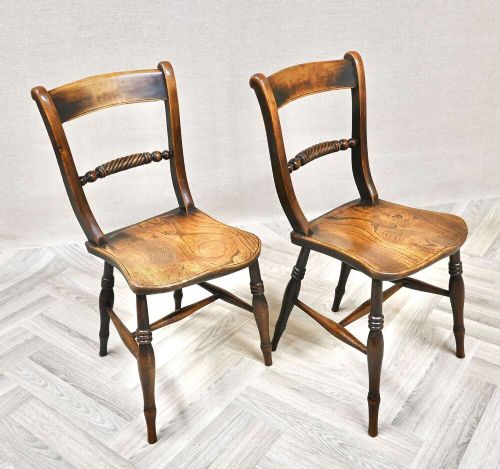
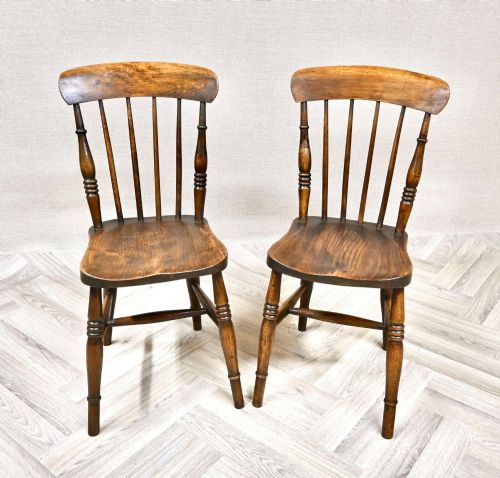
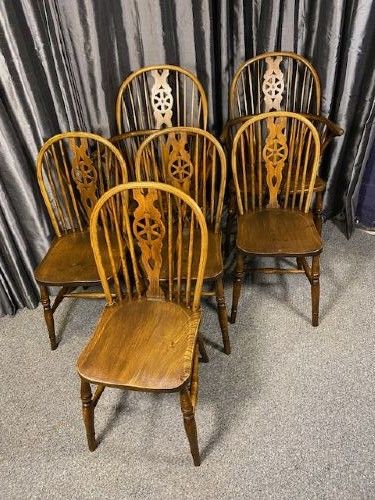
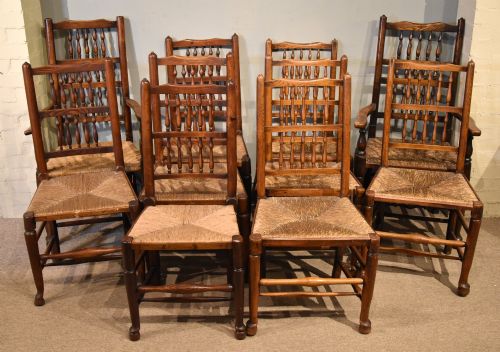
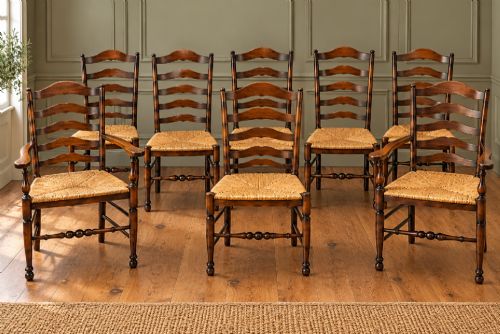
The most common variants on this page are Windsor chairs featuring elm seats and beech, ash, or oak frames. You also encounter lathback, stick back, wheelback, and rush seat forms designed for functional dining and kitchen tasks.
Construction and Materials
Maker traditions relied on combining resilient native timbers to withstand heavy wear. Elm provided a tough, interlocking grain ideal for solid saddle seats that resisted splitting under pressure.
Spindles, legs, and bows utilised straight-grained ash, beech, or oak, often shaped through steam bending or turning on pole lathes to build rigid frameworks.
Antique Wooden Kitchen Chairs Retail Price Guide 2026
Typical asking prices for wooden kitchen chairs among the pieces listed under this phrase on Sellingantiques today, from the lower quarter to the upper quarter. They describe what is for sale here now, not the wider market.
Listings feature items built from elm, beech, oak, ash, yew, and pine across the nineteenth and early twentieth centuries.
Distinctions in Quality
Quality rests upon the sculptural depth of the carved wooden seat and the harmony of the turned underframe components. Superior examples display generous proportions, well-sculpted saddle seats, and balanced proportions across the entire set.
The integrity of the structural joints and the matching character of timber grain dictate the standing of a group. Harlequin sets achieve distinction when individual chairs share closely related regional vernacular traits.
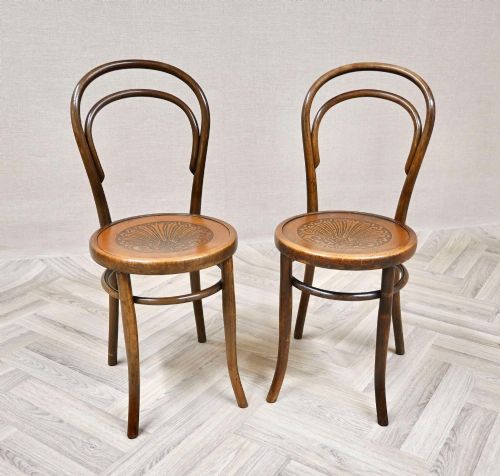
Thonet Yugoslavia
The Antique Wooden Kitchen Chairs Glossary
- Windsor
- A chair built with a solid wooden saddle seat into which the legs, back spindles, and bow are separately dowel-joined. This method creates a sturdy, resilient framework without relying on traditional frame joinery.
- Lathback
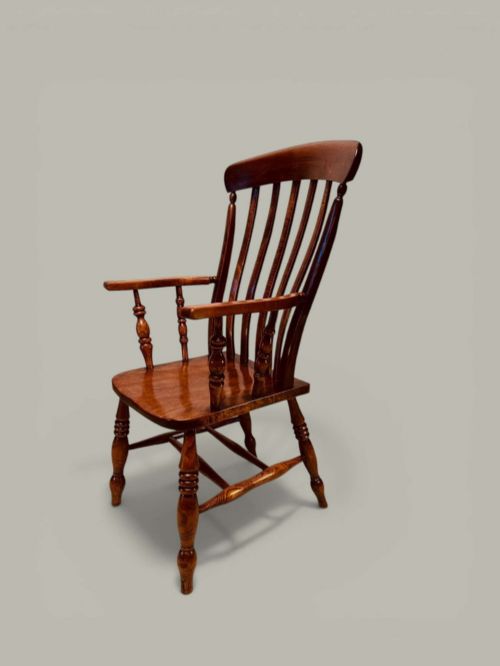
- A chair back featuring horizontal wooden slats, known as laths, fitted between the upright spindles. This design offers robust back support typical of regional farmhouse seating.
- Wheelback
- A Windsor chair variation incorporating a pierced wooden splat carved in the shape of a spoked carriage wheel. It remains a defining decorative motif of nineteenth-century country seating.
- Harlequin set
- A collection of individual chairs assembled to match in general style, period, and material while displaying subtle variations in turning or back design. Such sets evolved naturally in busy domestic kitchens over decades of replacement.
- Settle
- A high-backed wooden bench featuring solid panel arms and enclosed lower storage or draught-excluding panels. These pieces served practical roles beside hearths in country kitchens and public houses.
Antique Wooden Kitchen Chairs: Frequently Asked Questions
How do I care for antique wooden chairs?
Clean surfaces regularly with a dry cloth and apply occasional applications of traditional beeswax to nourish the timber.
Keep the chairs away from direct heat sources and drastic humidity changes to prevent the wood from drying out and loosening the joints.
Are these chairs suitable for daily dining?
These pieces were originally constructed for heavy daily domestic labour and remain exceptionally sturdy for modern dining use.
Check that the dowel joints and underframes remain solid before putting them into regular service around the table.
What is a harlequin set?
A harlequin set is a collection of chairs that share a common period, material, and general regional style while differing slightly in detail.
This grouping method reflects how households historically acquired replacement seating over many years.
How do I identify elm seats?
Elm timber displays a distinctive, swirling, interlocked grain pattern that resists splitting when shaped into saddle seats.
Its fibrous nature makes it heavier and tougher than surrounding pine or beech components.