
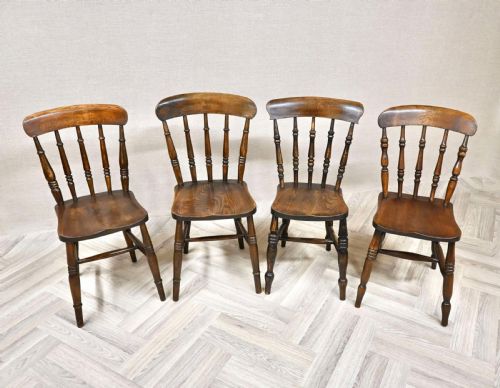
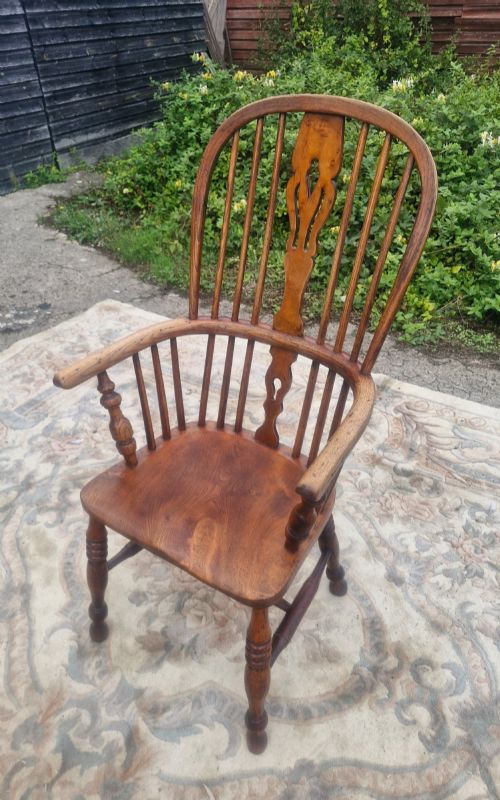

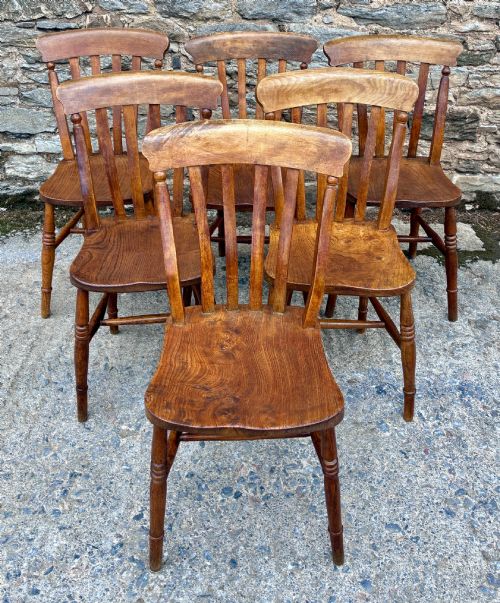
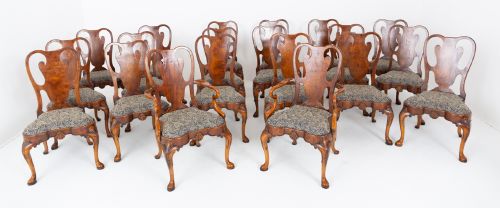
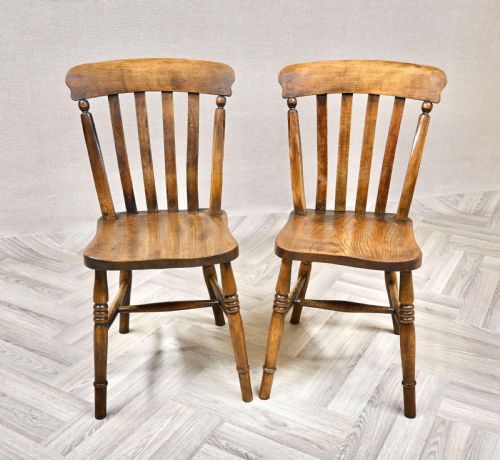
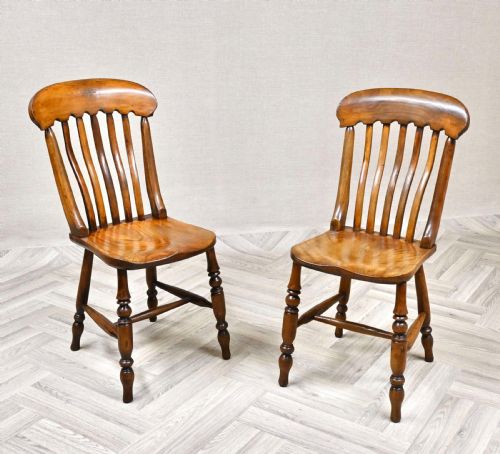
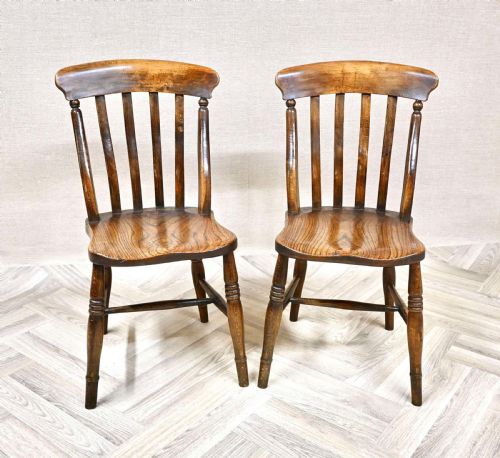
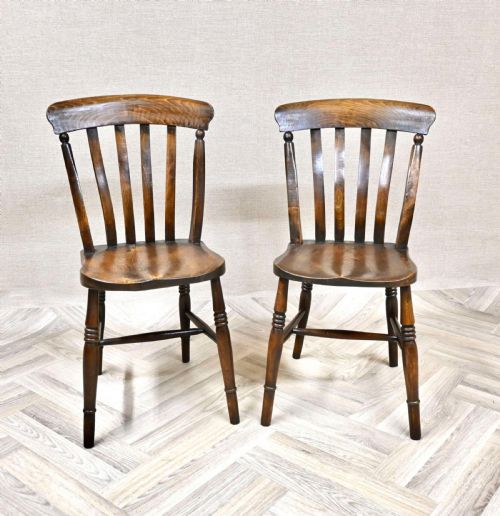
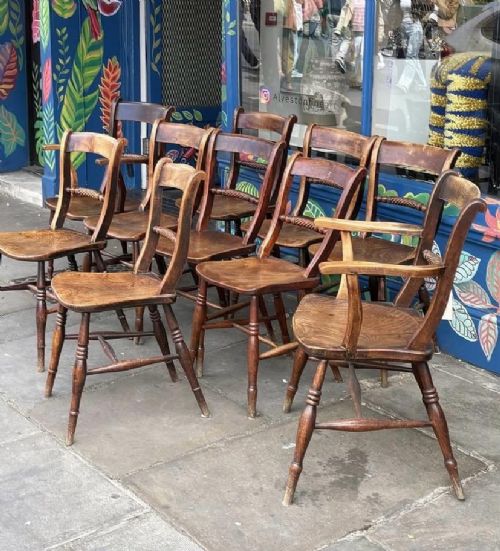
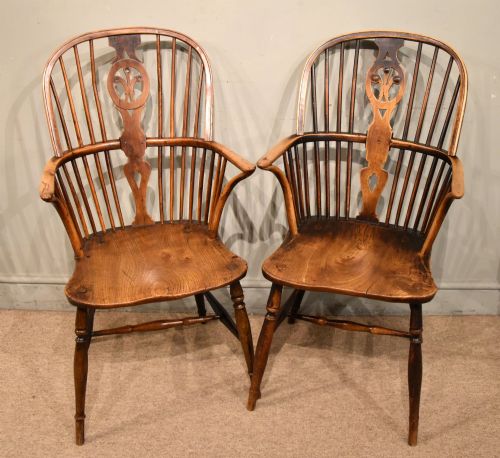
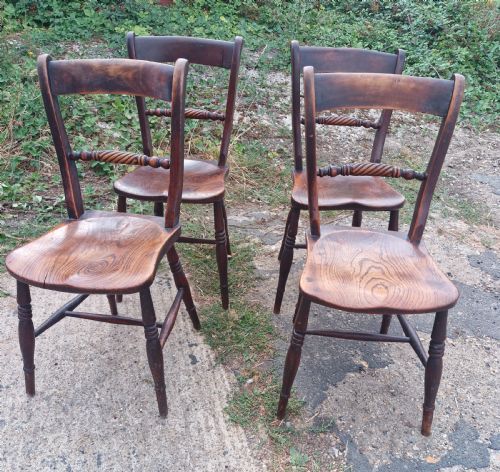
Elm Seat Dining Chairs
Elm seat dining chairs are sturdy country seating designed for daily use, combining durable timbers and comfortable saddle-shaped seats that suit both traditional and modern interiors.
What elm seat dining chairs are
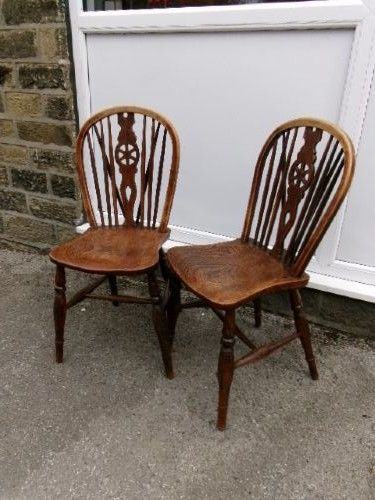
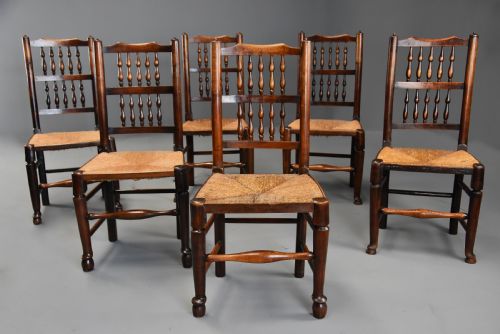
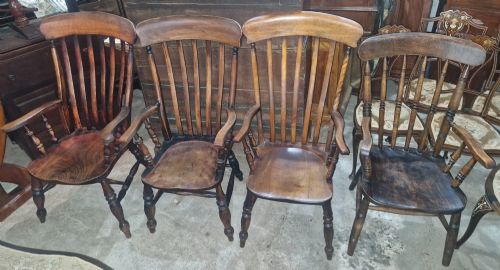
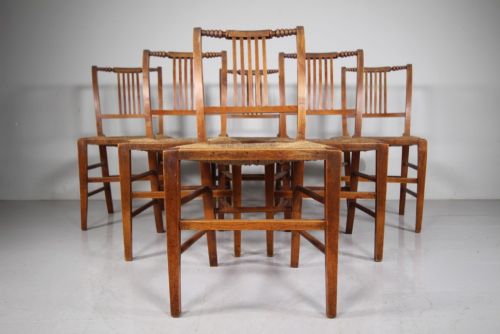
Elm seat dining chairs span several traditional styles, most frequently appearing as stick back, Windsor, ladder back, and spindle back kitchen or farmhouse seating. These pieces originate from various periods including the Georgian era, the Victorian period, and the early twentieth century.
How they were made
Makers utilised elm primarily for the solid timber seats, selecting it for its interlocking grain that resists splitting under heavy daily pressure. They combined this tough seat wood with complementary timbers such as ash, beech, oak, and yew for the spindles, legs, and steam-bent hoops.
Construction techniques relied on traditional joinery methods, including turned components, splayed supports, and curved stretchers to reinforce the frame. Some traditional variants incorporated rush seating or woven tapestry panels inset into the wooden structure.
Retail Price Guide 2026
Typical UK retail prices for elm seat dining chairs, calculated from the Sellingantiques database of over a million retail prices indexed since 2003. This retail price guide relies exclusively on Sellingantiques data; no external sources or auction records are used, so the figures do not describe the wider market.
Materials recorded across the archive include elm, ash, beech, oak, yew, and rush seating.
What varies in quality
The distinction between standard utility seating and finer examples lies in the harmony of the timber matching across a set and the elegance of the turnings on the legs and spindles. Superior sets display consistent colour and grain pattern in the elm seats alongside well-balanced structural proportions.
Makers who invested greater time in shaping the saddle contours of the seat and ensuring the splay of the legs provided optimal stability produced more desirable chairs. The integrity of the original joints and the uniformity of matched groups heavily influence the standing of any given set.
The Elm Seat Dining Chairs Glossary
- Stick back
- A chair design where turned wooden spindles are inserted directly into holes bored through the solid wooden seat. This construction method provides dependable strength with minimal framing.
- Windsor
- A traditional chair type featuring a solid carved seat into which the back and legs are wedged independently. Regional variations include low backs and wheel backs.
- Ladder back
- A chair back constructed from horizontal wooden rails or slats stacked between two upright posts. These frequently accompany rush seating.
- Rush seat
- A traditional seating surface woven from dried marsh rushes around a wooden frame. This technique creates a textured and flexible pad.
- Stretcher
- A horizontal wooden brace connecting the legs of a chair to increase rigidity and load-bearing capacity. These often feature curved profiles in country designs.
Frequently Asked Questions
How do I care for elm seats?
Keep wooden chairs away from direct heat sources and sudden temperature shifts to prevent timber movement or splitting. Apply a suitable wax polish periodically to maintain the lustre and condition of the grain.
Clean surfaces with a dry or barely damp cloth, avoiding harsh chemical cleaners that might strip the historic finish. Regular dusting prevents particulate buildup in the joints and carvings.
Are these chairs comfortable for daily use?
Country dining chairs were originally built for practical, everyday utility in kitchens and farmhouses. The saddle-shaped carving of the timber provides surprising ergonomic support during prolonged sitting.
Adding loose squab cushions can increase comfort levels while protecting the historic wood surface. Their sturdy construction ensures they withstand regular dining room activity.
How do I date a set of chairs?
Examine the tool marks, timber characteristics, and assembly methods visible beneath the seat and around the joints. Hand-turned spindles and distinct adze marks on the elm indicate earlier handcrafting techniques.
Compare the overall proportions and style markers, such as hoop shapes or stretcher placements, against documented examples from the Georgian and Victorian eras.
Can I mix different chair styles?
Matched sets remain desirable, but historical country dining arrangements frequently embraced assembled groups of similar farmhouse seating. Combining chairs with shared materials like elm and ash creates an authentic vernacular interior.
Ensure seat heights align appropriately with standard dining tables before combining disparate styles. Consistency in timber tone helps unify a gathered set of chairs.