

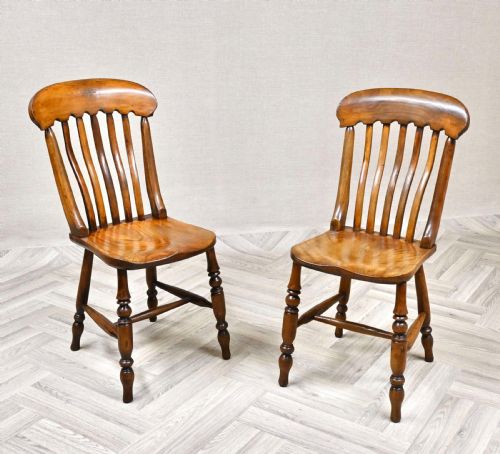
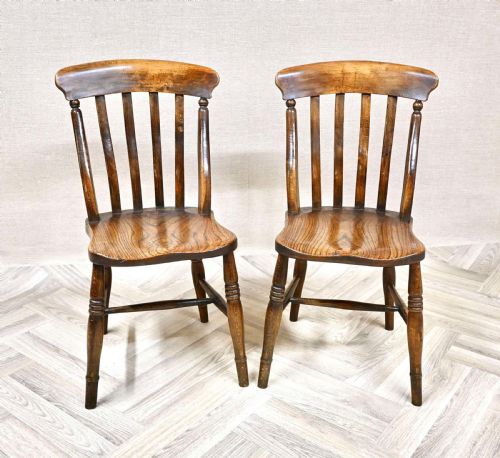
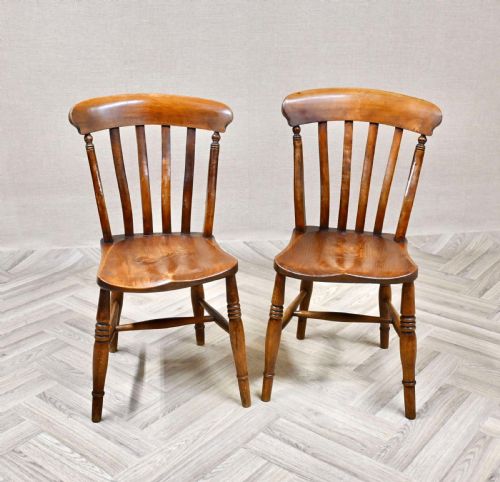
Brown Elm Dining Chairs
Brown elm dining chairs bring robust vernacular character to a room, offering sturdy timber seats shaped by generations of rural use.
Brown Elm Dining Chairs
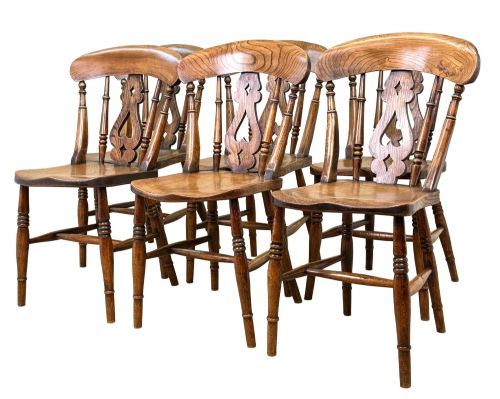
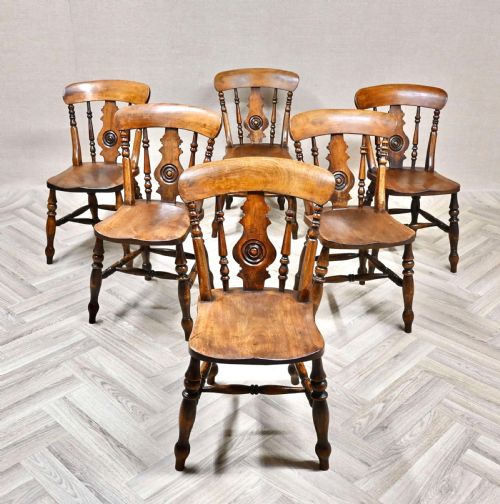
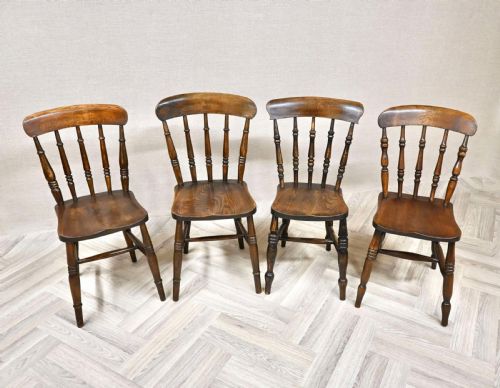
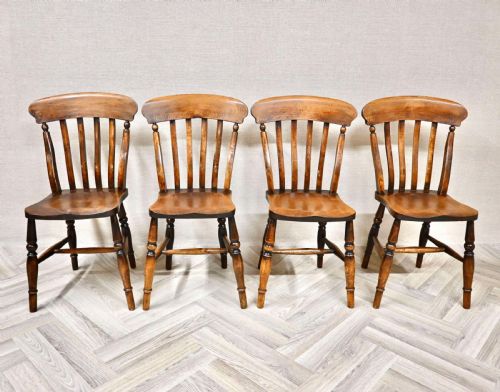
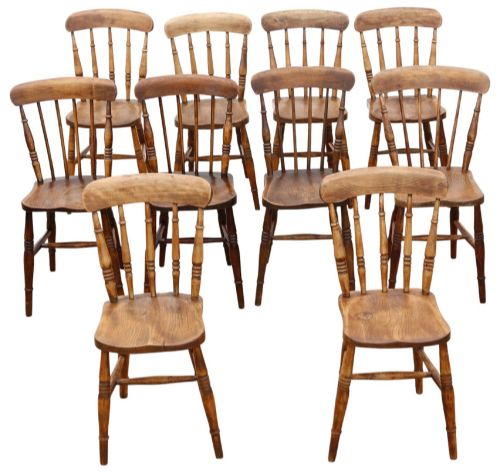
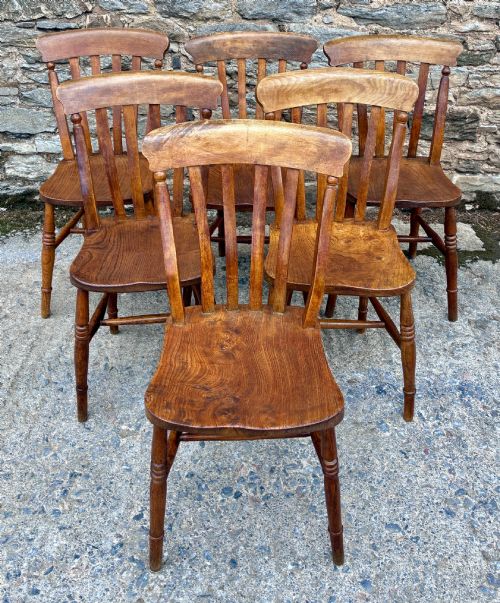
These brown elm dining chairs comprise sturdy kitchen and farmhouse seating, predominantly appearing as Windsor and vernacular country forms from the eighteenth, nineteenth, and early twentieth centuries. You will frequently encounter sets of kitchen chairs alongside individual armchairs and side chairs sharing traditional regional construction.
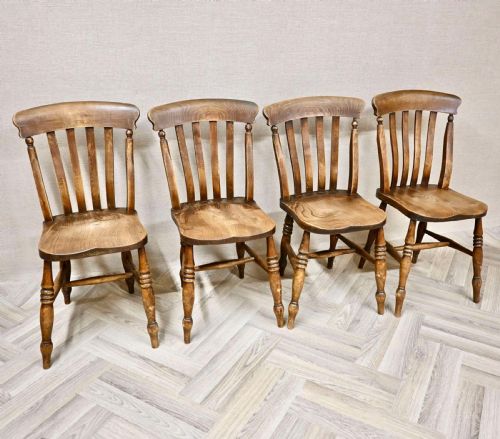
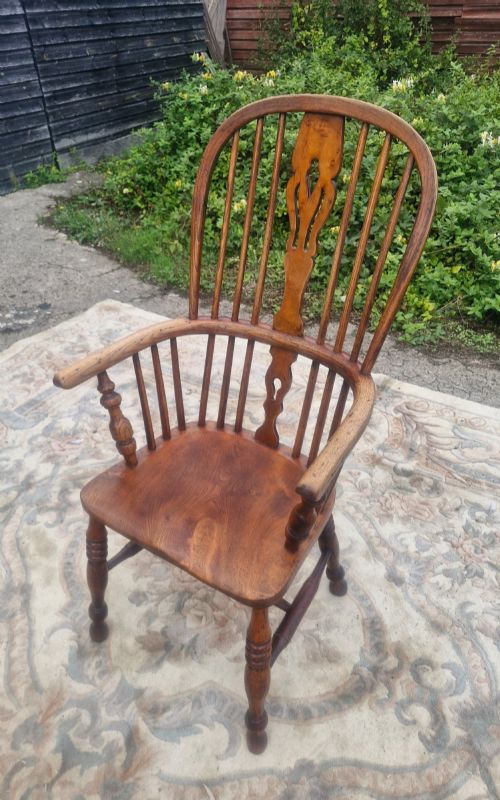
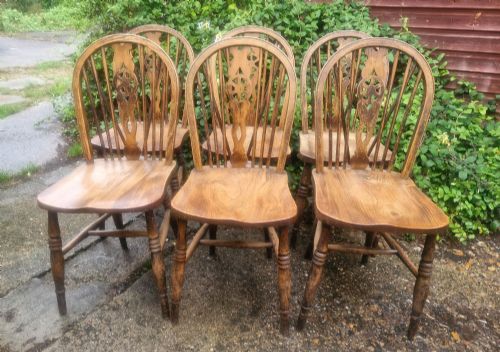
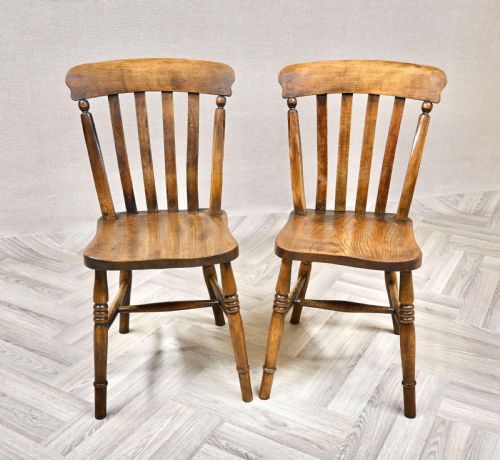
The selections span standard dining chairs, low and high-back armchairs, smokers bows, and captain's chairs. Common regional variants include Thames Valley designs, wheelbacks, lathbacks, hoop and stick backs, and ladderbacks rooted in English country traditions.
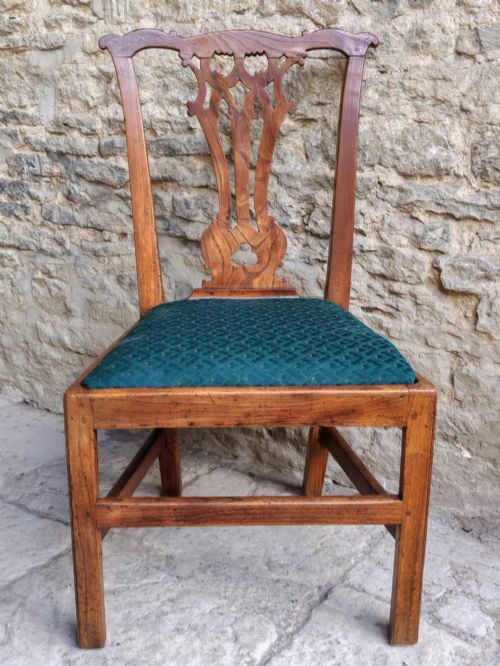
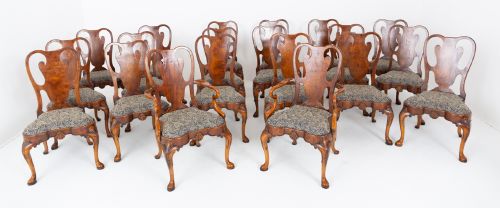
Originating largely from domestic vernacular workshops, these pieces often combine elm seats with complementary timbers such as ash, beech, or oak. The forms reflect practical domestic utility, ranging from simple farmhouse kitchen seating to refined Queen Anne and Chippendale revival styles.
Judging quality in country chairs
Quality rests upon the visual depth of the timber grain, the richness of the historical patination, and the integrity of the original joints. Superior examples maintain balanced proportions across larger sets, preserving matching spindle turnings and cohesive colour throughout the group.
The degree of hand-carving in the saddle seats and the retention of original timber components distinguish better pieces from heavily restored alternatives. Structural harmony between the elm seat and supporting woods like ash or beech indicates careful initial selection by the maker.
Brown Elm Dining Chairs Retail Price Guide 2026
Typical asking prices for brown elm dining chairs among the pieces listed under this phrase on Sellingantiques today, from the lower quarter to the upper quarter. They describe what is for sale here now, not the wider market.
Listings combine nineteenth-century Victorian pieces with eighteenth-century Georgian examples, utilising elm alongside ash, beech, rush, and yew wood.
The Brown Elm Dining Chairs Glossary
- Windsor chair
- A wooden chair constructed with a solid timber saddle seat into which the back and legs are separately inserted. This vernacular form developed deep regional variations across rural England.
- Smokers bow
- A low-backed Windsor armchair featuring a continuous curved arm rail supported by turned spindles. These sturdy chairs often served in domestic kitchens and public houses alike.
- Lathback
- A chair back incorporating flat horizontal wooden slats or laths instead of vertical spindles. They remain a common feature on nineteenth-century farmhouse seating.
- Patina
- The deep surface sheen and colour acquired by timber through age, handling, and regular polishing. This visual quality develops naturally over centuries of continuous use.
- Bodger
- A nineteenth-century woodland woodworker who turned chair legs and spindles on pole lathes near the timber source. Their components supplied urban and rural chairmakers alike.
Brown Elm Dining Chairs: Frequently Asked Questions
How do I spot a matched set?
Matched sets share consistent timber grain, identical spindle turnings, and uniform seat dimensions across all pieces. Harlequin sets combine similar period chairs that share regional styles rather than originating from a single workshop.
Examine the underside of the elm seats for maker marks, tool signatures, and matching construction methods. Minor variations in turned components often indicate genuine vernacular production rather than modern factory replication.
Why is elm used for seats?
Elm possesses a tangled, interlocking grain structure that prevents it from splitting when subjected to the downward pressure of daily seating. This makes it exceptionally durable for solid wood saddle seats.
While other timbers were chosen for flexible spindles and legs, elm provided the dense, resilient foundation required for heavy farmhouse dining use.
Are these chairs suitable for daily use?
These pieces were built specifically for robust domestic service in kitchens and farmhouses, making them well-suited for everyday dining. Their sturdy construction handles regular activity when joints remain stable.
Periodic checks of the wedged leg joints and gentle waxing help preserve the timber. Avoid placing them near direct heat sources to protect the aged wood.
How do I date an elm chair?
Dating relies on tool marks, construction techniques, timber combinations, and overall stylistic evolution from Georgian through Victorian periods. Early pieces often display adzed seat cavities and hand-turned components.
Later nineteenth and early twentieth-century examples incorporate standardised machine-turned spindles while retaining traditional assembly methods.