


Warm Brown Dining Chairs
Warm brown dining chairs bring deep natural timber tones and solid craftsmanship directly to the table.
What warm brown dining chairs are
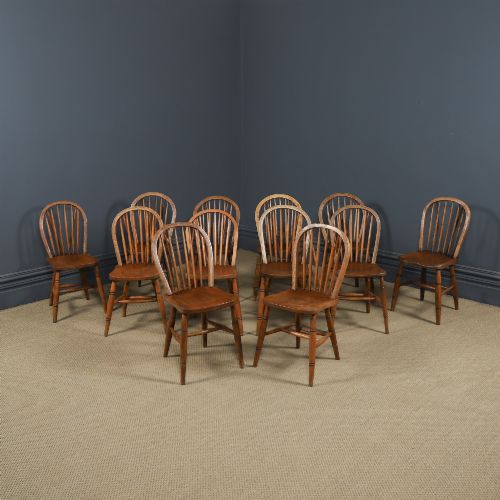
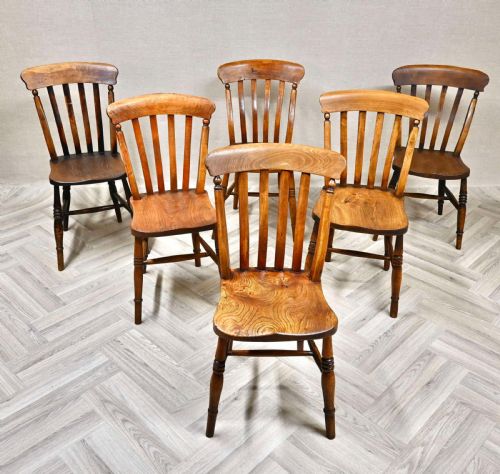
Warm brown dining chairs encompass seating designed for the table across multiple historical periods, uniting distinct eras through rich timber hues. These pieces appear in sets of varying sizes alongside pairs, offering versatile seating options for everyday dining spaces.
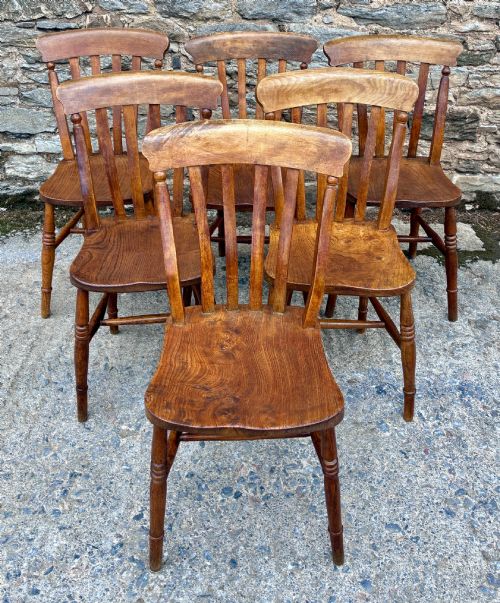
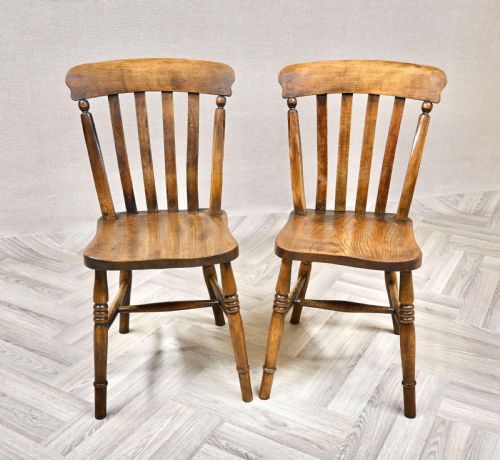
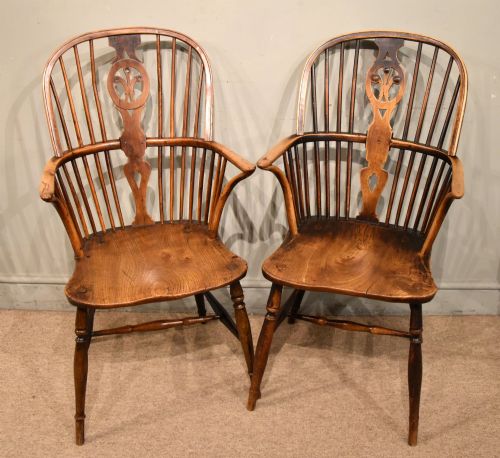
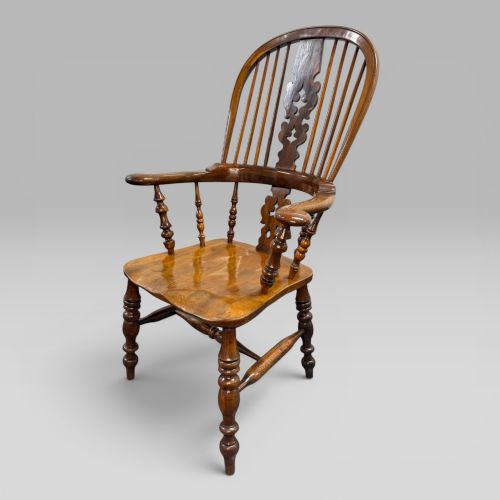
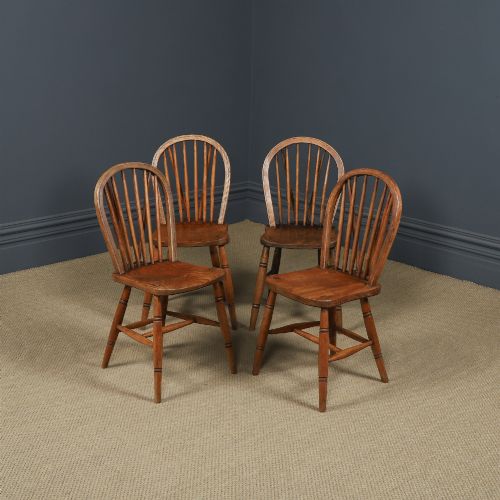
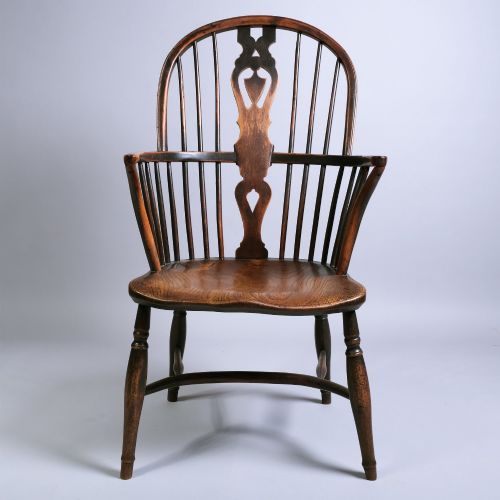
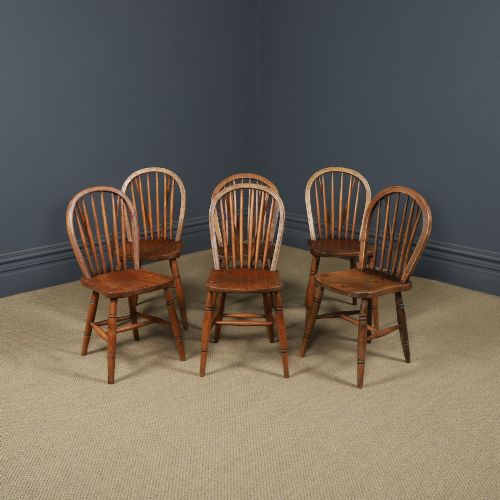
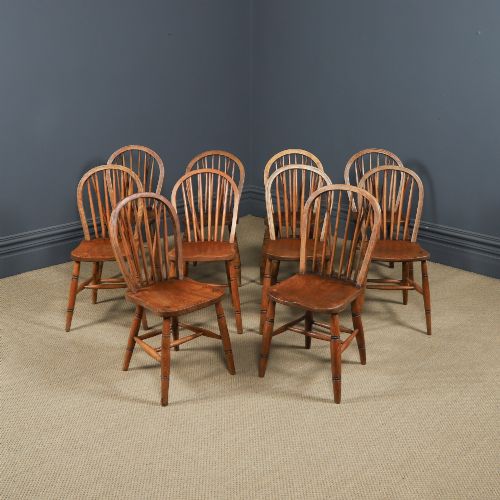
The selections span Victorian country models, rustic farmhouse examples, and formal Sheraton or Queen Anne style interpretations. Buyers frequently encounter sets of six or eight chairs featuring vernacular Windsor designs or elegant shield back forms.
Originating from the nineteenth and twentieth centuries, these chairs display the enduring appeal of traditional woodworking traditions. Each style brings a distinct regional character, from country kitchens to formal dining rooms.
How they were made
Construction relies heavily on traditional timbers including mahogany, elm, beech, pine, and oak. Cabinetmakers and rural joiners selected these woods for structural strength and attractive grain patterns.
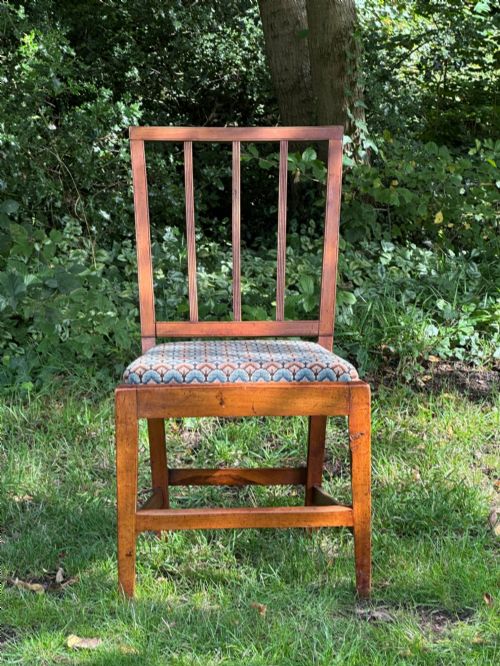
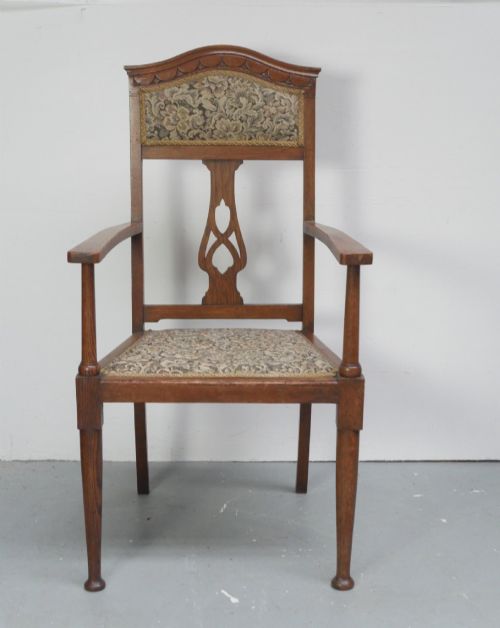
Upholstery and textile elements integrate with solid wood frames on specific models, providing cushioned comfort. Joinery techniques vary from vernacular spindle turning to precise formal cabinetmaking.
Makers utilised native hardwoods such as elm and beech for country seating, whilst mahogany and oak served formal stylistic revivals. Surface finishes developed through decades of use and polish.
Retail Price Guide 2026
Typical UK retail prices for warm brown dining chairs, calculated from the Sellingantiques database of over a million retail prices indexed since 2003. This retail price guide relies exclusively on Sellingantiques data; no external sources or auction records are used, so the figures do not describe the wider market.
Listings feature timbers like mahogany, elm, beech, and pine across Victorian, 1930, and 1950 periods.
What varies in quality
The hierarchy of quality rests on timber selection and the integrity of the original construction. Superior sets display carefully matched grain and robust joinery that withstands centuries of daily use.
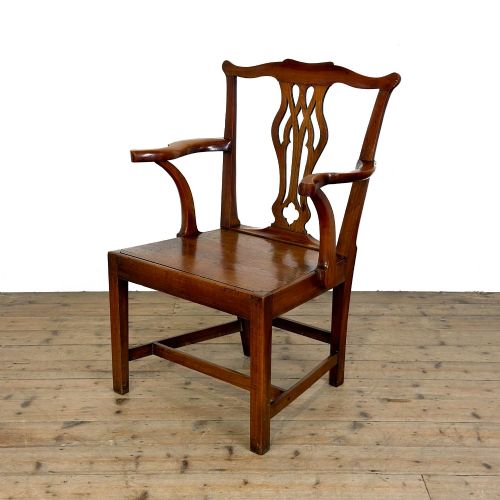
Refined stylistic execution separates standard vernacular seating from high-status interpretations like Sheraton style shield backs or carved Chippendale style proportions. The nuance of hand-carved details and balanced proportions determines aesthetic success.
The Warm Brown Dining Chairs Glossary
- Shield back
- A chair back shape resembling an upright shield, popular in late eighteenth-century design and later revivals. This form provides an elegant silhouette whilst supporting the sitter.
- Lathe back
- A Windsor style chair back featuring turned spindles produced on a lathe. These uprights offer robust structural support with a light visual appearance.
- Vernacular
- Regional furniture built by local craftsmen using traditional methods and native materials without high-style academic pretension. These pieces reflect local practical needs and available resources.
Frequently Asked Questions
How do I mix different chair styles?
Mixing different styles relies on matching timber tones and shared period characteristics to create visual harmony around the table. Combining vernacular pieces like Windsor chairs with formal farmhouse seating establishes an eclectic yet grounded interior.
Keeping a consistent wood type, such as mahogany or elm, ties disparate forms together successfully. Balance heavier rustic frames with lighter spindle backs to maintain an open arrangement.
What periods do these chairs cover?
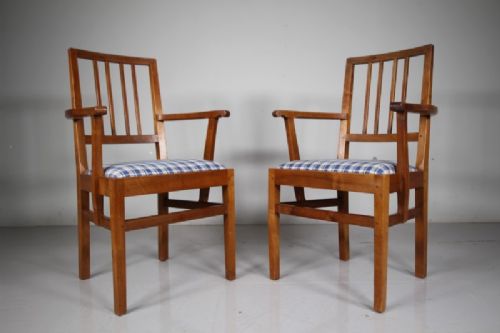
The available seating spans the nineteenth and twentieth centuries, encompassing Victorian country workshops and later revival periods. Examples range from nineteenth-century vernacular seating to twentieth-century interpretations of earlier Sheraton and Queen Anne aesthetics.
Each period utilises specific regional manufacturing traditions and timber choices. Understanding these eras helps date individual sets and appreciate their construction context.
Are large sets difficult to find?
Complete sets of six or eight chairs require careful searching because many historical dining sets have been split up over time. Matching sets of antique chairs represent significant survival rates from their original dining rooms.
When larger groups do appear, they offer a unified appearance for substantial dining tables. Inspecting the uniform grain and wear patterns confirms whether the set originated together.
How do I care for antique timber?
Maintaining antique timber involves keeping chairs away from direct heat sources and sudden humidity changes to prevent wood splitting. Regular dusting with a soft cloth preserves the natural finish without building up heavy wax layers.
Applying a traditional beeswax polish occasionally nourishes the grain and enhances the warm brown colour. Gentle handling ensures the historical joinery remains stable for daily use.