
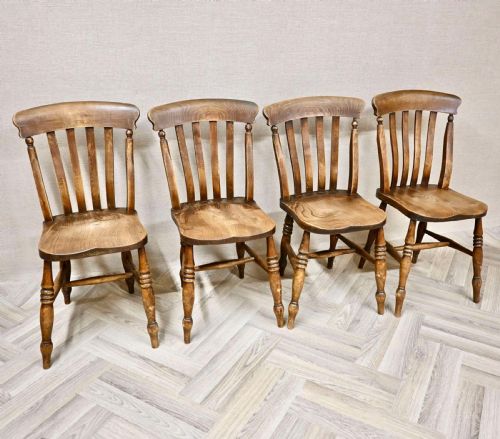
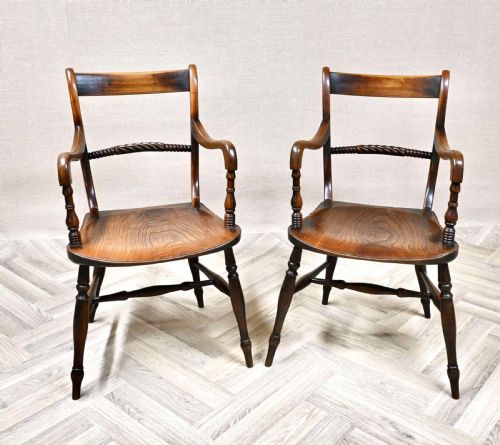
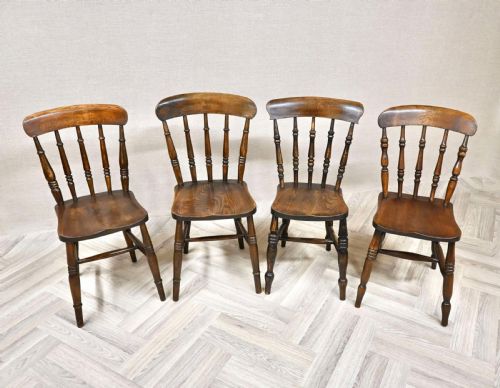
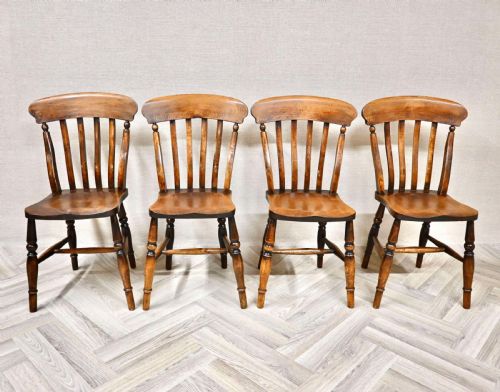

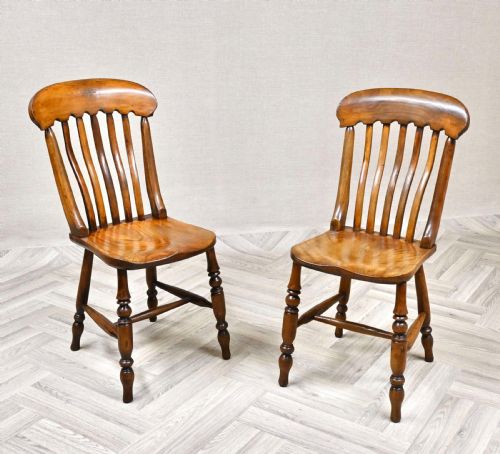
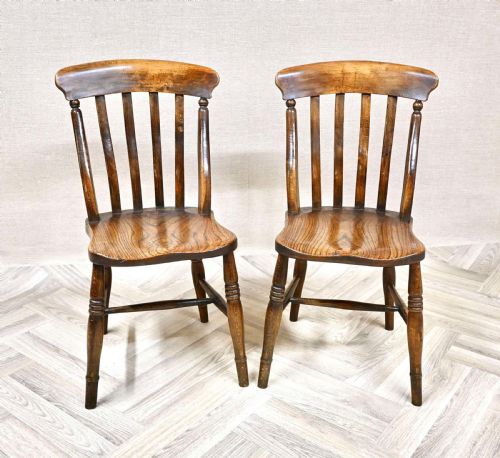
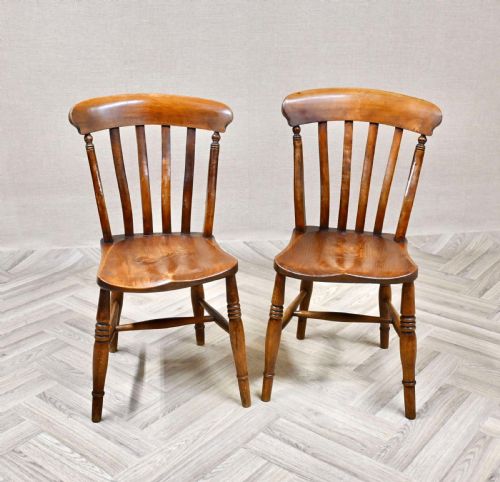
Traditional Country Dining Chairs
Traditional country dining chairs bring honest vernacular character to a room, built from robust woods like elm and beech to endure daily family life.
Traditional Country Dining Chairs
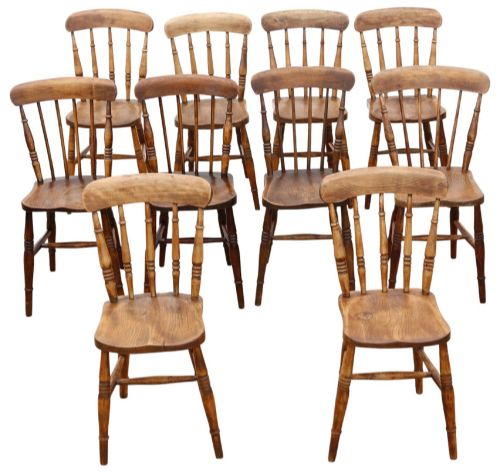
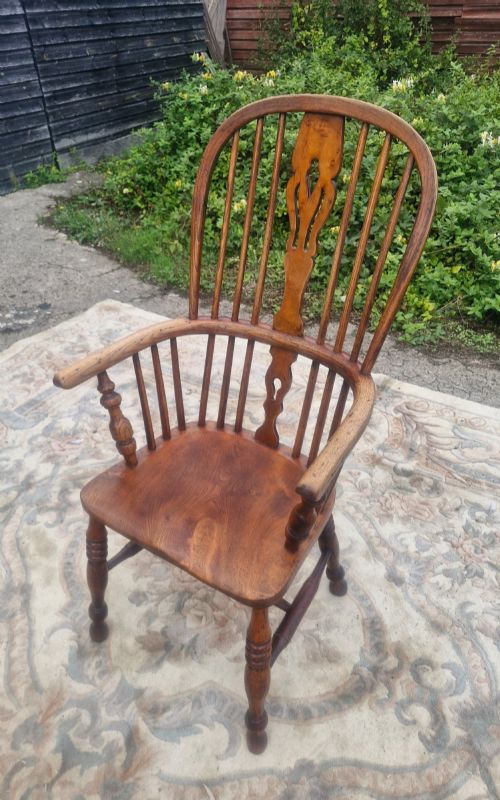
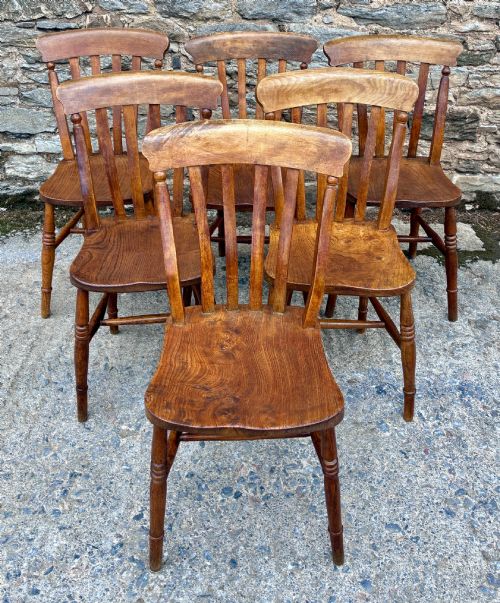
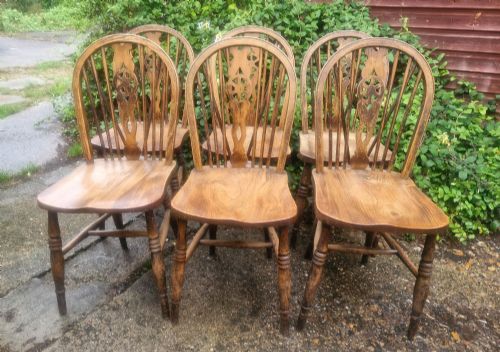
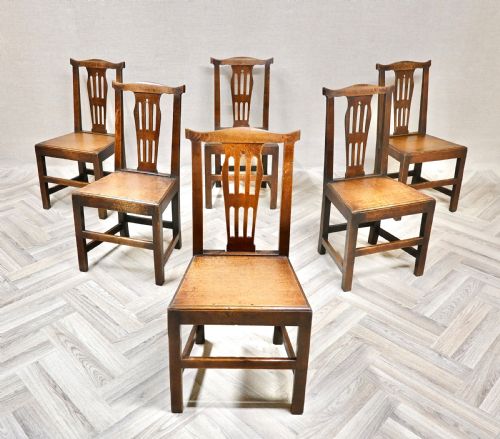
Traditional country dining chairs encompass vernacular seating forms designed for everyday utility, spanning periods from the eighteenth century through the early twentieth century. You will frequently encounter Windsor varieties, ladder-backs, and kitchen chairs shaped by regional English makers working in solid timber.
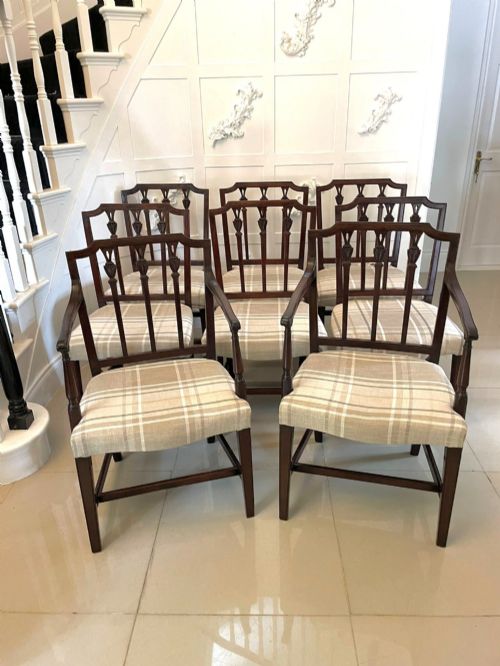
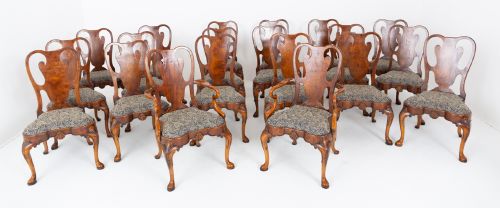
The selection ranges from single carvers to large harlequin sets suited to generous farmhouse tables. These pieces emerge in styles including Georgian, Victorian, and Edwardian country, reflecting the domestic needs of rural households over successive generations.
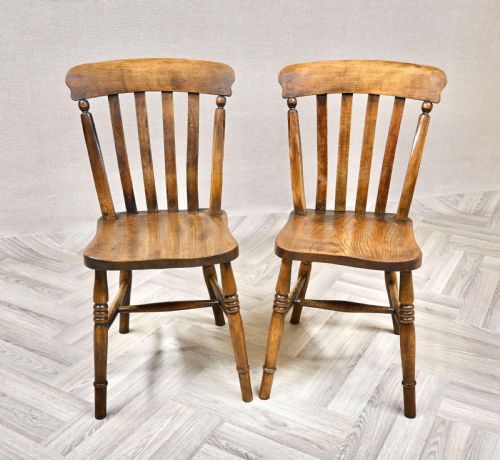
Most examples rely on sturdy regional traditions, with stick-back, lath-back, and wheel-back configurations dominating the forms. Buyers select these chairs to introduce warmth and unpretentious craftsmanship into modern dining spaces.
How they were made
Cabinet makers and bodgers utilised native timbers, pairing elm seats with beech, ash, or oak for spindles, legs, and bentwood components. This combination provided the necessary tensile strength for steam-bent hoops and rigid undercarriages.
Makers shaped solid timber using drawknives and spokeshaves, often securing legs and spindles directly into thick saddle seats with wedged tenon joints. Windsor construction relied on interlocking dry joints that tightened naturally with seasonal wood movement.
Traditional Country Dining Chairs Retail Price Guide 2026
Typical asking prices for traditional country dining chairs among the pieces listed under this phrase on Sellingantiques today, from the lower quarter to the upper quarter. They describe what is for sale here now, not the wider market.
Listings feature eighteenth-century to twentieth-century periods, utilising native English timbers like elm, beech, ash, oak, and yew.
What varies in quality
Quality hinges on the depth of the timber selection and the integrity of the original construction, particularly where legs meet the sculpted seat base. Superior examples retain their original wedged joints and display deep, honest surface patination accumulated through decades of use.
The sophistication of the turning on spindles and legs separates standard workshop production from finer vernacular pieces. Thicker elm seat slabs and well-proportioned bentwood hoops create a more harmonious silhouette and greater structural resilience.
The Traditional Country Dining Chairs Glossary
- Windsor chair
- A chair built with a solid wooden seat into which the legs and back spindles are directly inserted. This design creates a robust, organic frame typical of regional English production.
- Spindle back
- A chair back constructed from multiple thin vertical turned rods. This lightweight framing method provides sturdy support without excessive bulk.
- Harlequin set
- A collection of dining chairs that share similar periods or styles but vary slightly in minor details. Such groupings formed organically over time rather than originating from a single workshop order.
- Comb back
- A Windsor chair variation where the top rail extends past the vertical spindles to resemble the teeth of a comb. This regional elaboration offers an elevated architectural silhouette.
- Lathe back
- A chair featuring horizontal flat slats rather than vertical turned spindles across the backrest. This construction provides comfortable lumbar support during prolonged dining use.
Traditional Country Dining Chairs: Frequently Asked Questions
How do I care for antique country chairs?
Keep wooden chairs away from direct heat sources and rapid temperature shifts to prevent the timber from splitting or joints from loosening.
Apply a traditional beeswax polish occasionally to nourish the surface and maintain the natural lustre of the aged wood.
Can I mix different chair styles together?
Mixing different country chair styles, such as pairing ladder-backs with Windsor armchairs, creates an authentic harlequin dining arrangement.
Unified wood tones or similar period origins help anchor disparate seating choices around a single dining table.
Are these chairs comfortable for daily dining?
Traditional country chairs feature contoured wooden saddle seats carved to fit the body during long meals.
Adding loose squab cushions provides extra softness while preserving the historic appearance of the timber seats.
How do I identify a Windsor chair?
A true Windsor relies on a thick solid seat slab that anchors both the undercarriage legs and the upper back assembly.
Look for steam-bent bow top rails and distinct turnings that reveal regional vernacular building traditions.