



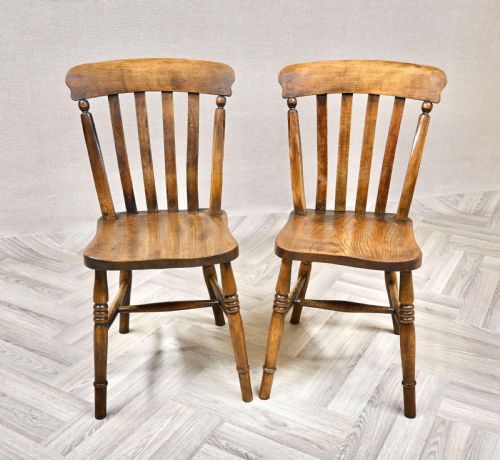
Country Dining Chairs
Country dining chairs bring unpretentious domestic history to the table, offering sturdy wooden construction shaped by regional traditions.
Form and Period
Country dining chairs encompass robust wooden seating shaped for everyday domestic use across the eighteenth, nineteenth, and early twentieth centuries. These pieces emerge in matched sets of various sizes or smaller pairs, reflecting the practical needs of rural households and provincial dining spaces.
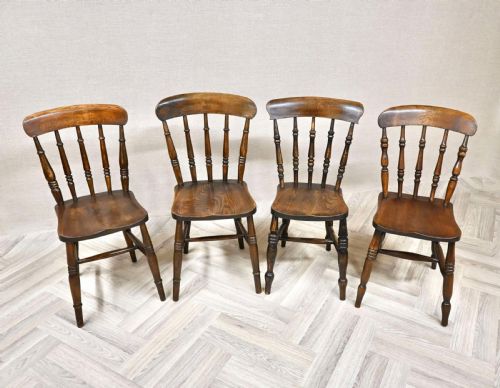
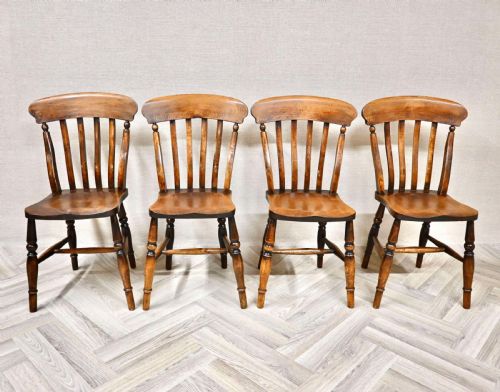
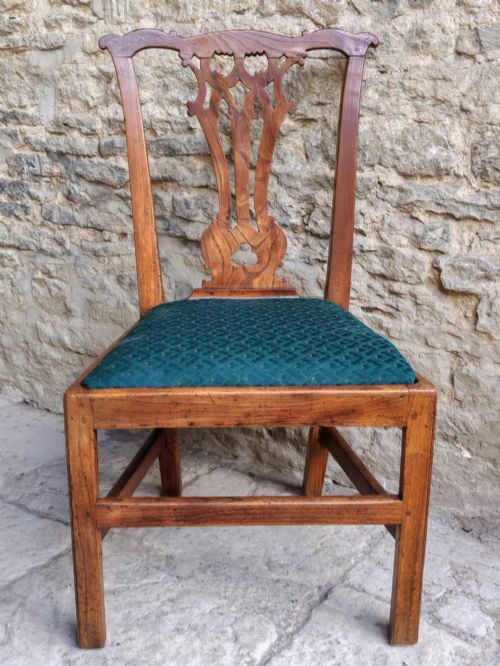
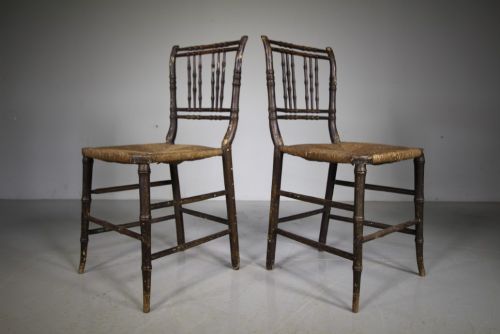
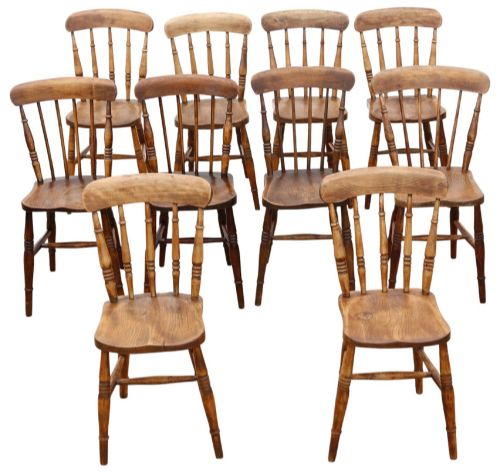
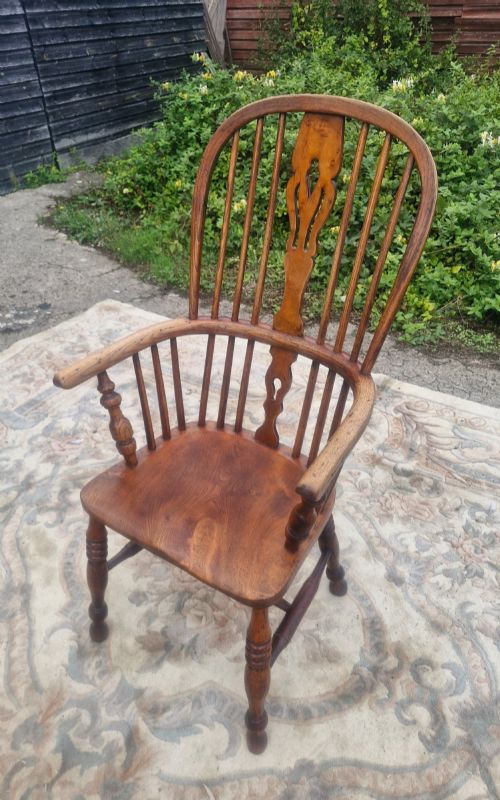
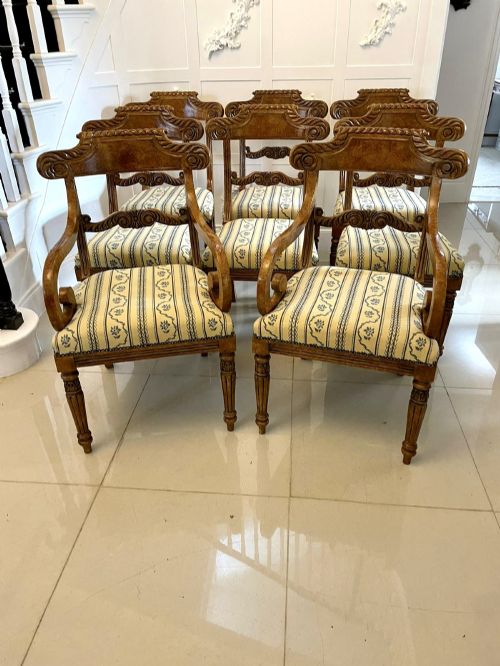
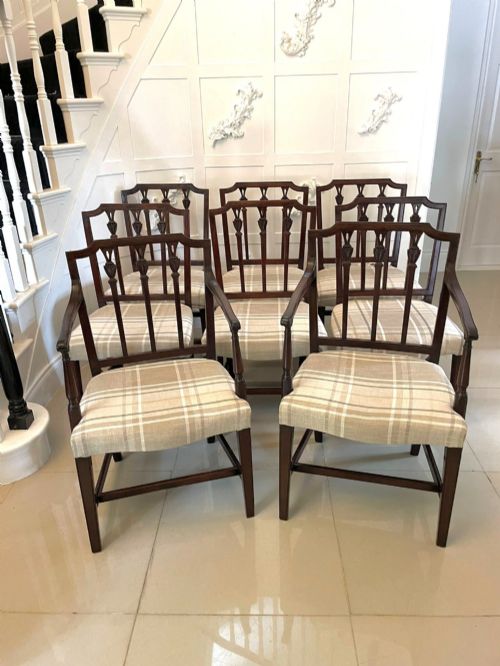
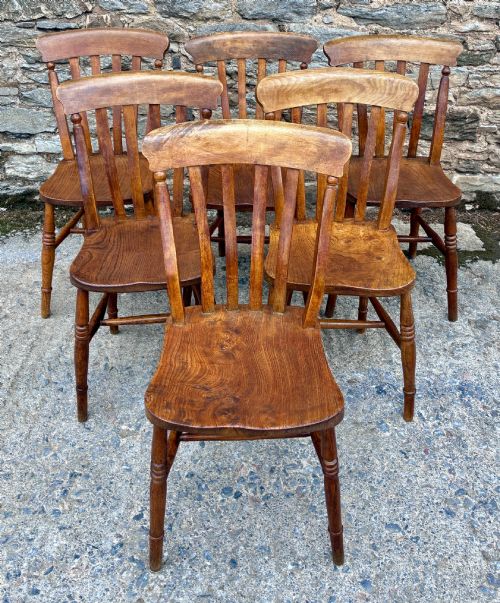
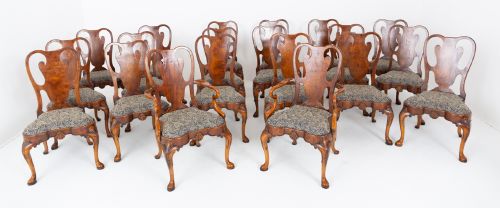
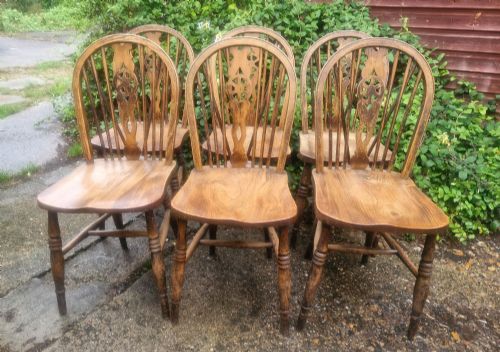
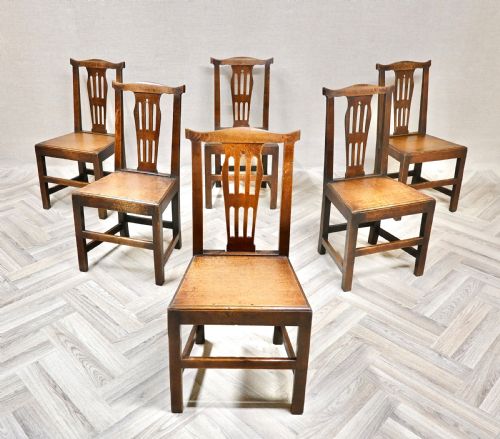
The most common formats appearing here include Windsor chairs with turned spindles, ladderbacks with layered slats, and provincial interpretations of formal styles like Chippendale and Hepplewhite. Makers worked predominantly in English regional contexts, alongside French examples, utilising local timbers to handcraft functional seating.
Dating ranges from the late Georgian period through the Victorian era up to the 1920s and 1930s. The forms prioritize sturdy utility, often combining an elm seat with ash, beech, or oak framing to withstand daily rigours.
Materials and Construction
Construction relies on a mix of native hardwoods and softwoods chosen for specific structural demands. Elm appears frequently for shaped seats due to its interlocking grain resisting splits, while beech, ash, and oak form the turned legs, stretchers, and steam-bent backs.
Surface finishes depend on centuries of polish and wear, showing the natural grain of hardwood without heavy synthetic coatings. Elements like ladderbacks integrate horizontal slats held within upright stiles, while spindlebacks utilise turned vertical members.
Retail Price Guide 2026
Typical UK retail prices for country dining chairs, calculated from the Sellingantiques database of over a million retail prices indexed since 2003. This retail price guide relies exclusively on Sellingantiques data; no external sources or auction records are used, so the figures do not describe the wider market.
Several sets include a matching carver armchair, ensuring the head of the household sat wider than everyone else.
Distinctions in Quality
Quality rests upon the integrity of the timber selection and the retention of matching elements within a set. Sets featuring uniform wood grain and consistent patination across all pieces command greater cohesion than assembled groups gathered later.
The sophistication of the turning work on legs and spindles dictates the refinement of the piece. Crisp lines on stick-backs and well-sculpted solid elm saddle seats demonstrate superior provincial craftsmanship compared to simpler, heavier utility builds.
The Country Dining Chairs Glossary
- Windsor chair
- A wooden chair built with a solid sculpted seat where the legs and back spindles are driven directly into bored holes. This construction creates a resilient frame typical of farmhouse kitchens.
- Ladderback
- A chair style featuring a backrest composed of several horizontal curved slats resembling the rungs of a ladder. The upright stiles frame these slats to provide supportive backrests.
- Spindleback
- A seating form characterised by numerous slender turned wooden vertical rods forming the back support. These rods distribute pressure evenly while keeping the chair visually light.
- Stile
- The upright vertical side post of a chair back into which the rails or slats are tenoned. Stiles provide the primary vertical support for the upper frame.
Frequently Asked Questions
How do I spot a matched set?
Look closely at the turning details on the legs, the stretcher placement, and the exact dimensions of the seats. Consistent wear patterns and identical timber grain across the group indicate they originated together.
Discrepancies in height or subtle variations in spindle thickness usually suggest a married set gathered together at a later date.
Can I use these chairs daily?
These pieces were built for heavy kitchen and dining use, making them robust enough for regular modern seating. Traditional mortise and tenon joints handle daily movement well if the timber remains stable.
Check that the joints remain tight and the wooden seats are secure before heavy placement around a contemporary dining table.
What timber combinations are normal?
Regional makers routinely mixed native woods depending on local availability and structural needs. Elm seats paired frequently with ash or beech bendy parts and oak frames.
This multi-wood construction is an authentic feature of provincial furniture rather than a sign of later repair or replacement parts.
How do I date an older chair?
Dating relies on stylistic clues, tool marks left by hand-working, and the degree of wear on the footings and seat edges. Georgian examples display refined Chippendale or Hepplewhite influences.
Later Victorian and 1930s versions often adopt heavier proportions or simplified turnings while retaining traditional Windsor or ladderback configurations.