

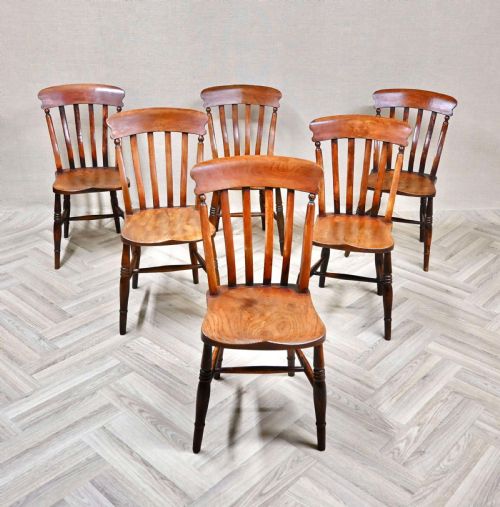


Antique Cottage Dining Chairs
Antique cottage dining chairs bring vernacular charm to interiors through honest timber construction and regional farmhouse utility.
What antique cottage dining chairs are
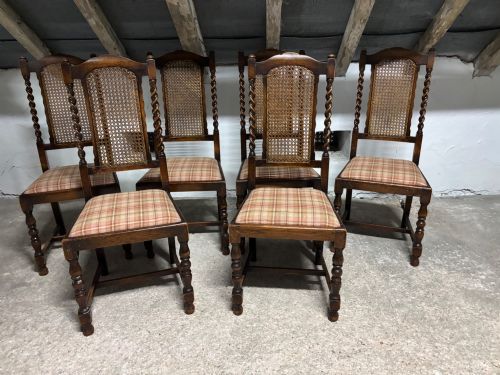
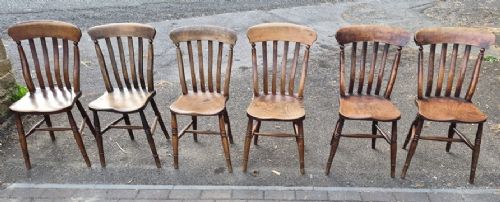
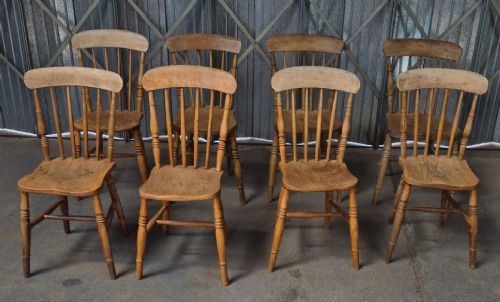
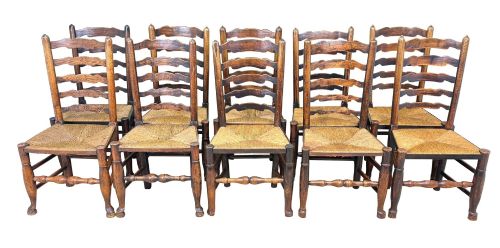
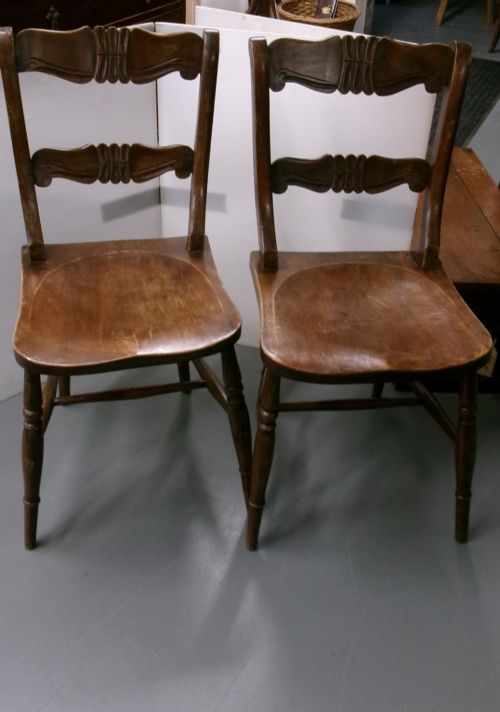
These pieces encompass regional seating produced for domestic use, spanning the eighteenth and nineteenth centuries. Search results reveal forms ranging from individual pairs to large matched sets intended for everyday farmhouse dining.
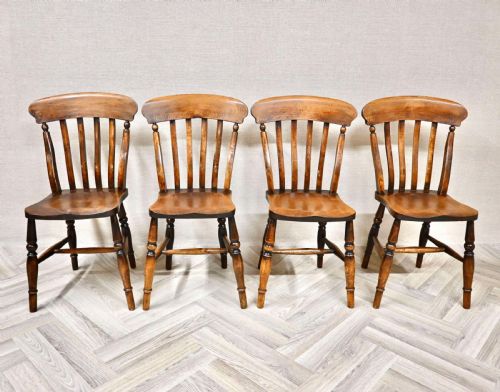
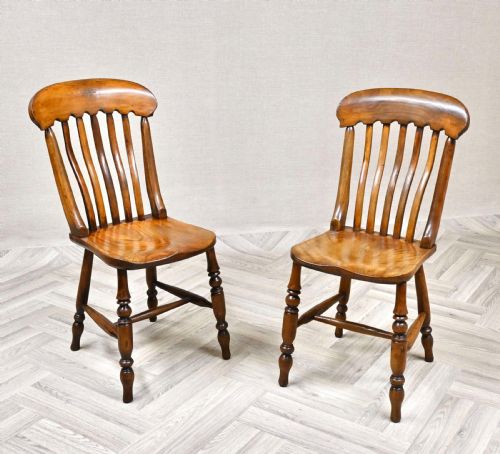
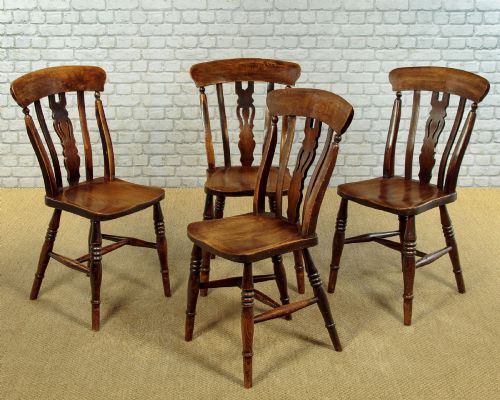
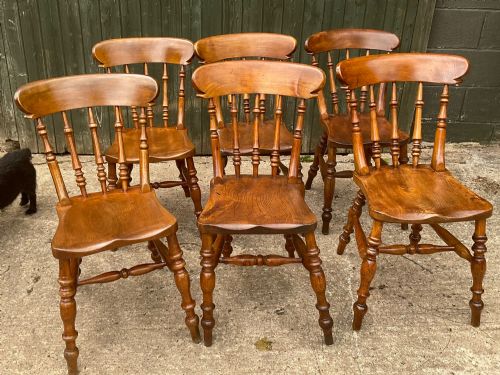
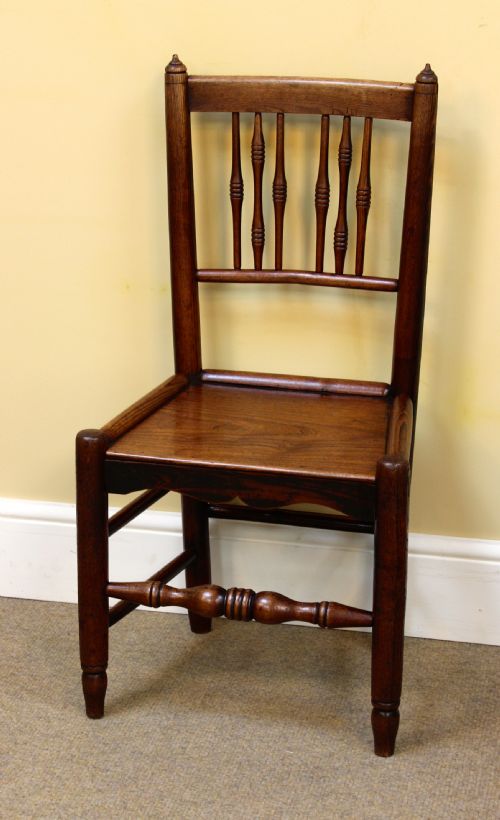
The aesthetic is rooted in English country vernacular styles, featuring Windsor designs, stick backs, and lath backs. Construction typically employs solid wood seats combined with turned spindles and bowed backrests.
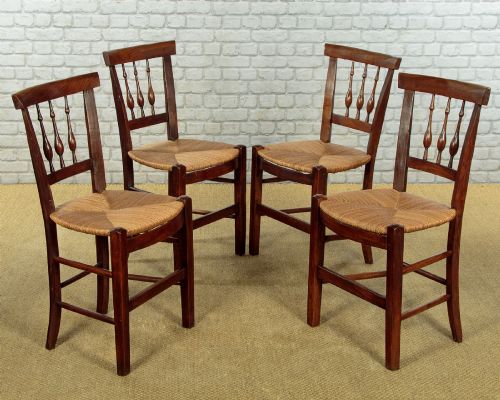
Materials recorded in the inventory include elm, ash, beech, alder, and oak, frequently paired with rush seating. Pieces originate from provincial workshops, embodying straightforward domestic utility rather than courtly refinement.
How they were made
Cabinetmakers and bodgers utilised native hardwoods such as elm for scooped seats, while ash and beech provided resilient spindles and legs. Greenwood working techniques allowed craftsmen to bend steamed timbers into continuous backbows.
Joinery relied on wedged mortise and tenon joints to secure the uprights firmly into the solid timber bases. Surfaces were often finished simply, allowing the natural grain of woods like alder and oak to show through centuries of wear.
Retail Price Guide 2026
Typical UK retail prices for cottage dining chairs, calculated from the Sellingantiques database of over a million retail prices indexed since 2003. This retail price guide relies exclusively on Sellingantiques data; no external sources or auction records are used, so the figures do not describe the wider market.
What varies in quality
The integrity of the original timber frame dictates much of the distinction across these rustic seats. Pieces retaining their early surface patination and tight joinery stand apart from those altered by extensive timber replacement.
Design complexity also influences standard, with carefully steam-bent hoops and well-balanced spindle arrangements reflecting greater regional skill. The choice of durable woods, particularly thick elm for the saddle seats, marks the sturdier examples.
The Antique Cottage Dining Chairs Glossary
- Vernacular
- Everyday utilitarian furniture made by regional craftsmen rather than metropolitan workshops. These pieces reflect local traditions and available native timbers.
- Stick back
- A chair construction where turned spindles are inserted directly into a solid wooden seat. This method provides robust support without elaborate upholstery.
- Lathback
- A chair back featuring a horizontal flat slat or lath connected to the uprights. It offers sturdy lumbar support in traditional kitchen seating.
- Saddle seat
- A wooden seat carved into a concave shape for comfort. Elm was frequently chosen for this purpose due to its resistance to splitting.
Frequently Asked Questions
Are these chairs comfortable for daily use?
Most examples feature carved wooden saddle seats designed for practical dining utility over long periods. Adding loose squab cushions can soften the firm timber base.
Their sturdy frame construction ensures they easily handle the demands of everyday family meals.
How do I care for wooden country seats?
Keep timber furniture away from direct heat sources and dramatic humidity shifts to prevent wood shrinkage. Regular dusting with a dry cloth maintains the surface finish.
Applying occasional beeswax feeds the historic wood without building up heavy chemical layers.
Can I mix different sets around a table?
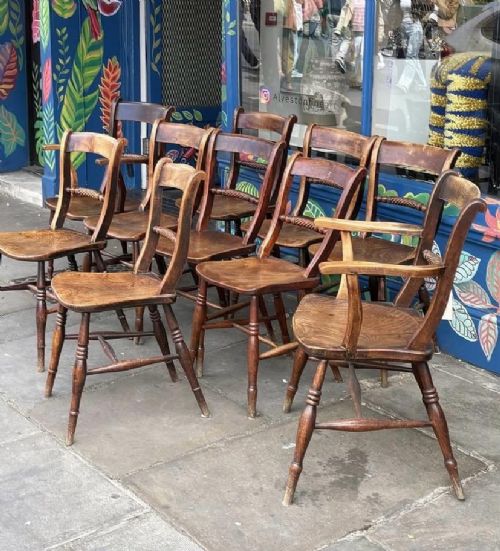
Matching large sets of provincial seating can prove challenging due to regional variations in height and turning. However, pairing a carver armchair at the head of the table with simpler side chairs creates a balanced look.
Similar wood tones help unify diverse country dining seats within one room.
What defines a Windsor design?
A Windsor construction builds the chair upon a thick solid seat rather than connecting legs directly to a frame. Spindles, arms, and backbows are tenoned straight into this central wooden slab.
This method produces a lightweight yet resilient structure typical of English country workshops.