


Turn of Century Chairs
Turn of century chairs bridge eras, offering robust timbers and refined upholstery suited for everyday seating.
Turn of Century Chairs
Turn of century chairs encompass pieces originating around the nineteenth and twentieth centuries, spanning Victorian, Edwardian, and Regency periods. When searching for turn of century chairs, buyers encounter formal dining suites alongside vernacular country seating.
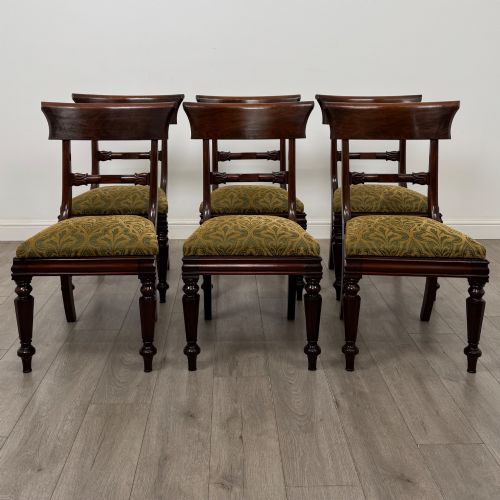
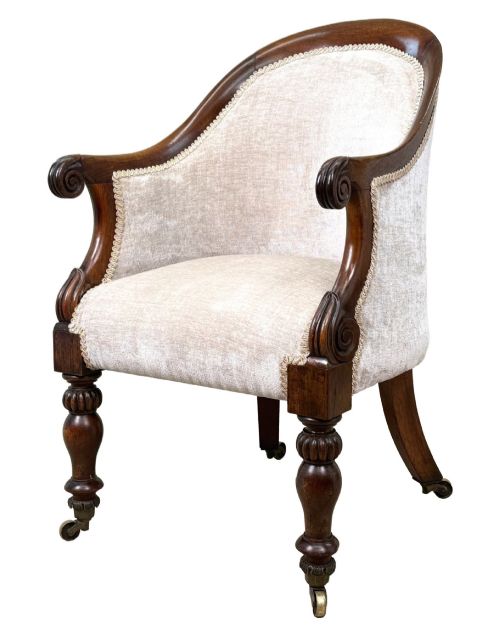
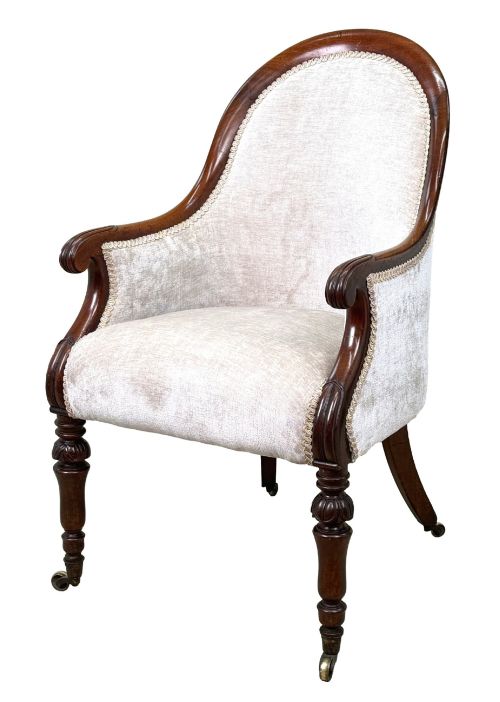
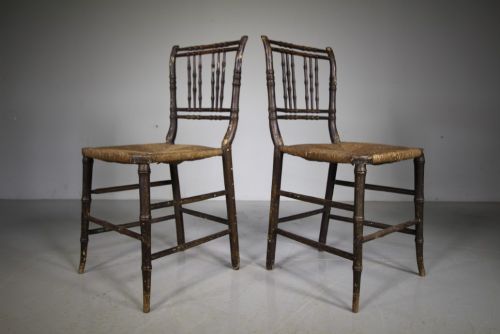
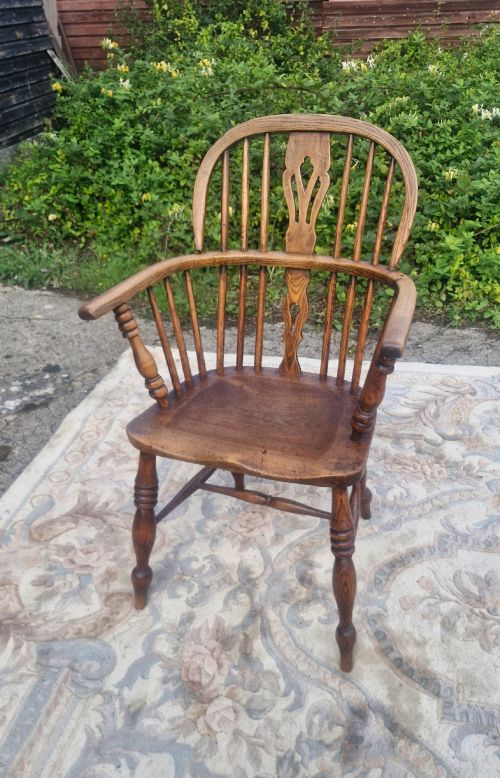
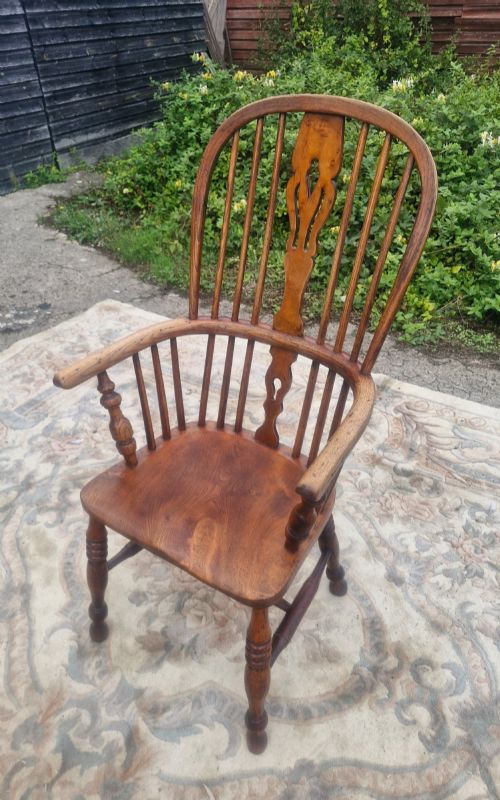
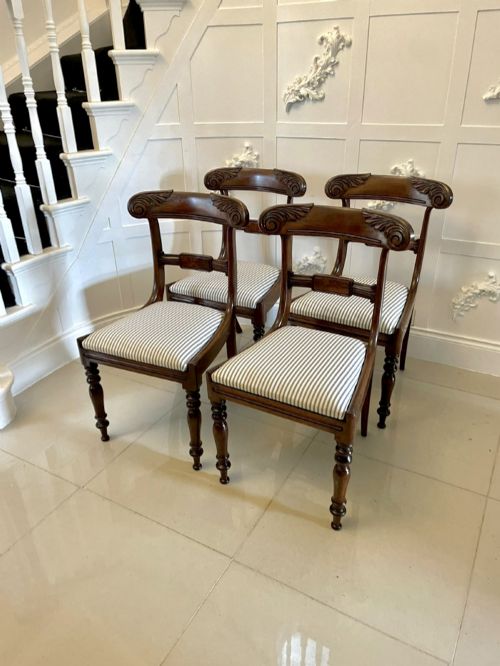
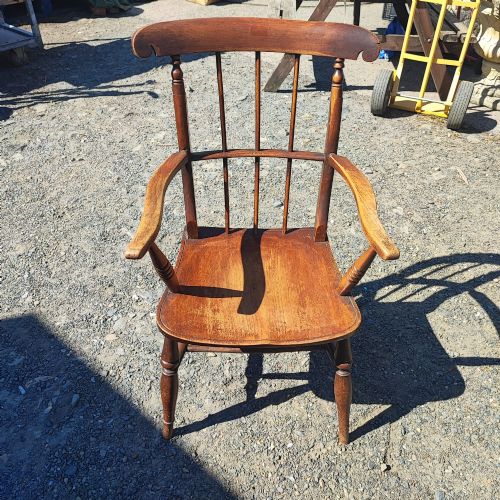
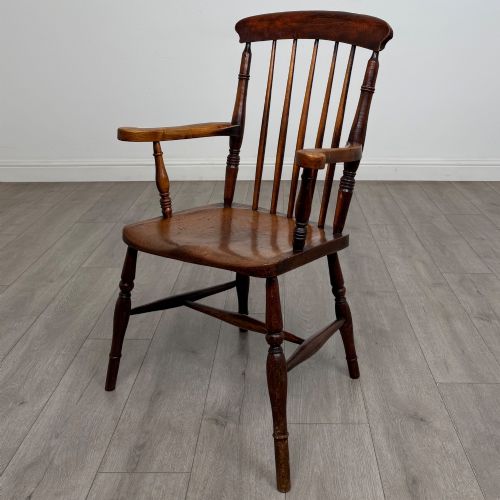
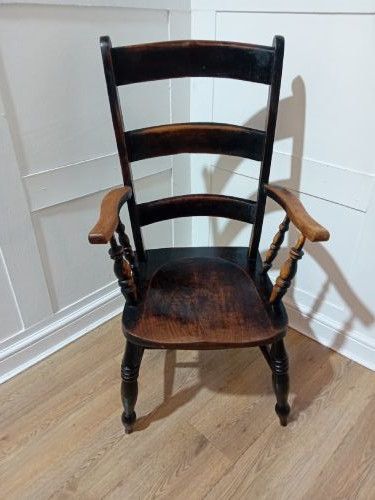
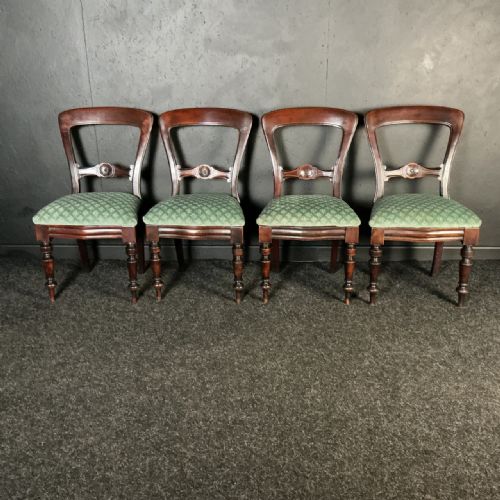
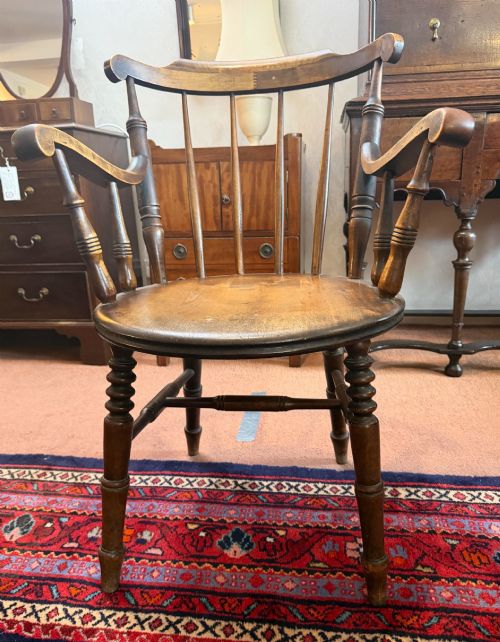
The selection ranges from mahogany library armchairs and balloon back dining chairs to low back Windsor armchairs in ash and elm. Formal sets appear alongside country house open armchairs and rush seat dining chairs.
Victorian and Edwardian examples dominate the selection, bringing diverse timber frames and upholstered seats into domestic spaces. Buyers find both individual reading chairs and large sets intended for dining tables.
How they were made
Cabinet makers utilised dense hardwoods such as mahogany, oak, walnut, and rosewood for formal dining and library pieces. Country chairs relied on local timbers like ash, elm, beech, and yew, often combining bentwood techniques with turned spindles.
Upholstered models incorporated horsehair stuffing beneath fabric, leather, or velvet coverings secured with brass tacks. Joinery relied on traditional mortise and tenon methods, supplemented by bobbin turning and steam bending for curved components.
Turn of Century Chairs Retail Price Guide 2026
Typical asking prices for turn of century chairs among the pieces listed under this phrase on Sellingantiques today, from the lower quarter to the upper quarter. They describe what is for sale here now, not the wider market.
Listings feature timbers including mahogany, oak, elm, ash, and beech across Victorian, Regency, and Edwardian periods.
What varies in quality
Quality rests in the selection of timber grain and the integrity of the original framing joints. Solid mahogany and figured walnut display deeper natural patination than secondary utility woods.
The precision of turned elements, such as bobbin legs and spindle backs, separates standard workshop output from finer cabinet work. Original surface finishes and untouched patination elevate the standing of any chair.
The Turn of Century Chairs Glossary
- Windsor chair
- A wooden chair constructed with a solid saddle-shaped seat into which the back and legs are dowelled directly. These traditional pieces often combine elm seats with ash or yew spindles.
- Balloon back
- A rounded, loop-backed chair design popular during the Victorian era. This shape provides ergonomic support while displaying carved mahogany frames.
- Bobbin turned
- A form of woodturning characterised by a series of rounded, spool-like shapes carved along the length of a leg or stretcher. This decorative technique appears frequently on seventeenth-century style and nineteenth-century chairs.
- Tub armchair
- A seating form featuring a continuous curved back and arms that wrap around the sitter. These library and desk chairs often feature leather or fabric upholstery.
Turn of Century Chairs: Frequently Asked Questions
How do I identify a Windsor chair?
Windsor chairs feature a distinct thick wooden seat base that holds the legs and back spindles independently. They rely on vernacular construction methods using local timbers.
Look for an elm seat combined with ash or yew uprights. These pieces lack traditional upholstered frames and rely on carved wooden contours for comfort.
Are dining sets matching or assembled?
Dining sets from this era often comprise matching sets of four, six, or eight chairs produced in a single workshop. Larger sets may be assembled over time to match period styles.
Examine the timber grain and turning details across the chairs to confirm consistency. Subtle variations in colour often indicate individual pieces gathered together later.
How should I care for antique wood chairs?
Maintain wooden frames by keeping them away from direct heat sources and sudden temperature shifts. Apply natural wax polish sparingly to preserve the timber finish.
Avoid commercial chemical sprays that degrade aged patination. Check structural joints periodically to ensure glue and dowels remain secure.
What is a Turner's chair?
A Turner's chair is a tripartite or corner chair constructed entirely from cylindrical turned wooden members. These unusual seats date back historically and saw revival periods.
They feature triangular seats and complex spindle configurations. Their robust frames make them suitable for hallways and studies.