

Antique Leather Side Chairs
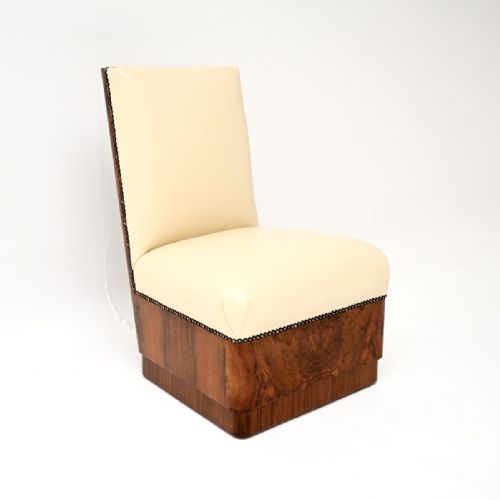
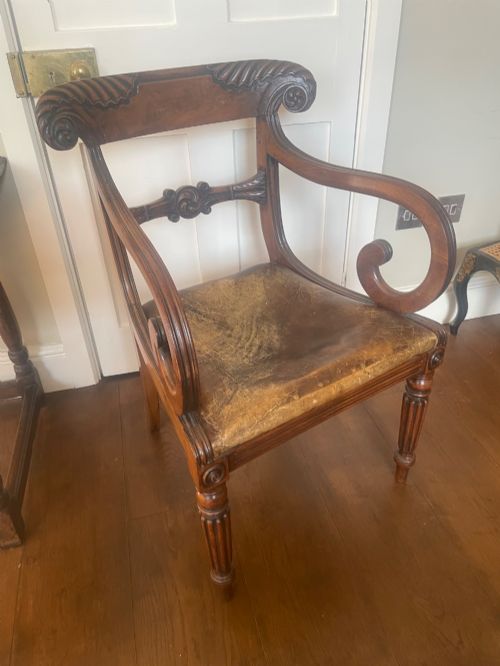
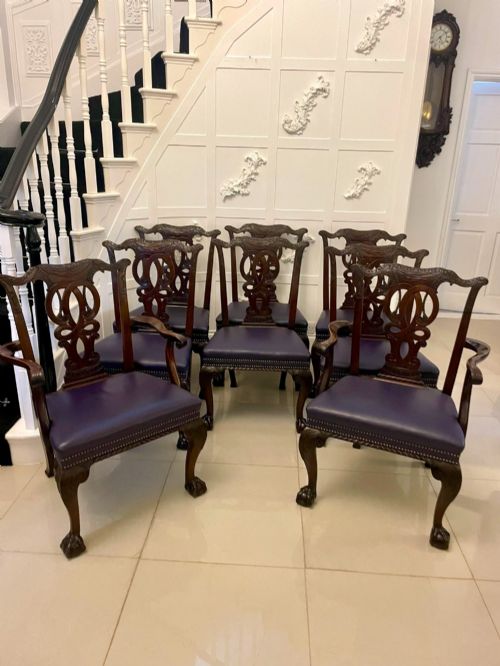
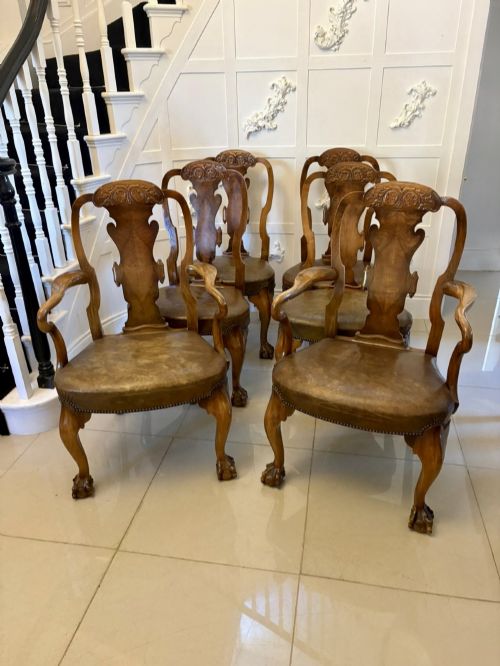
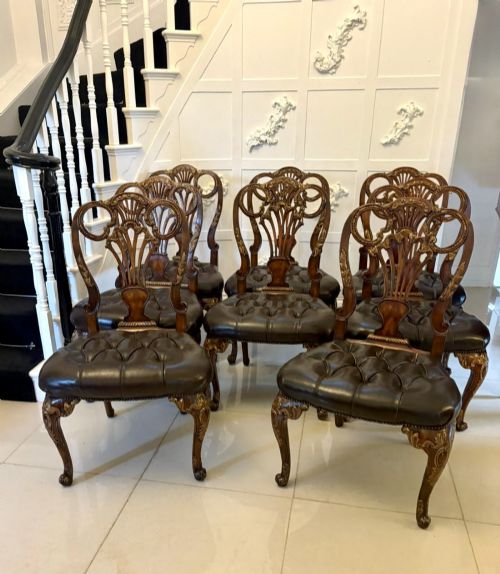
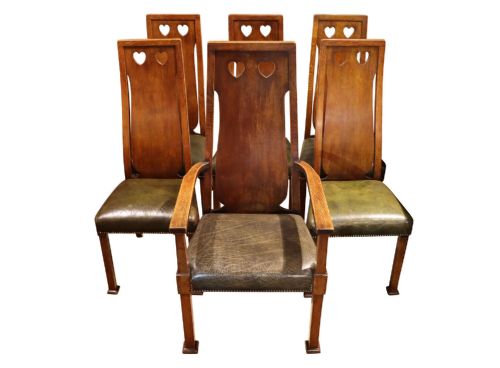
These antique leather side chairs bring grounded utility and rich texture to a room, offering enduring seating built from timber and hide.
Antique Leather Side Chairs
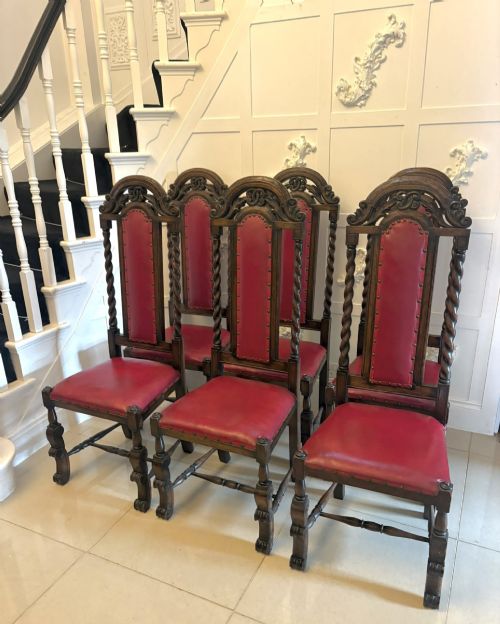
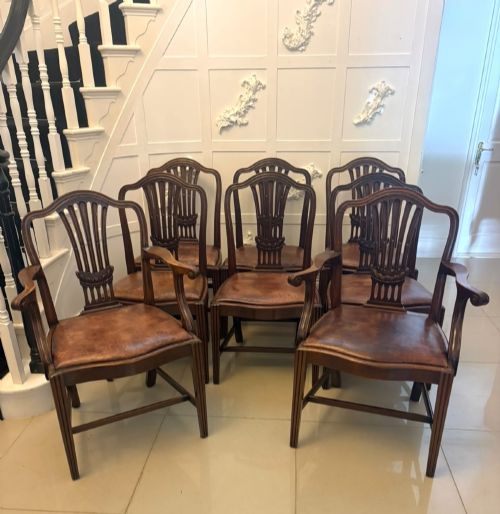
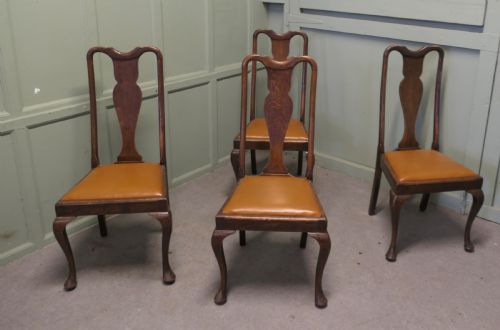
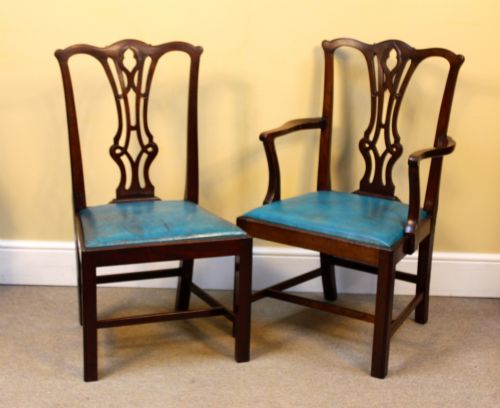
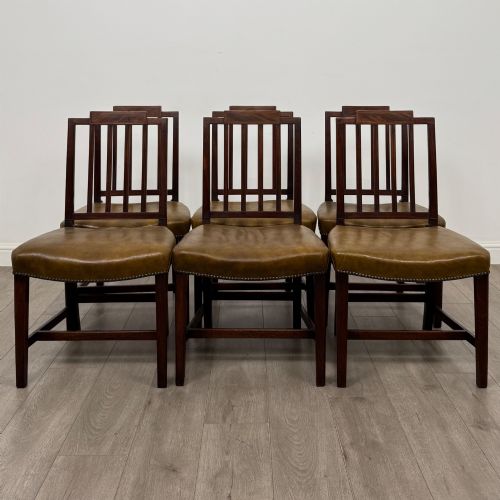
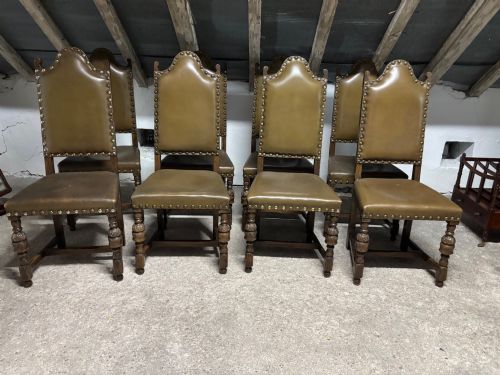
When you search for antique leather side chairs, you encounter a wide selection of dining and occasional seating spanning multiple centuries. The selection includes Victorian, Edwardian, and Georgian examples alongside revival styles like Chippendale, Gothic, and Jacobean.
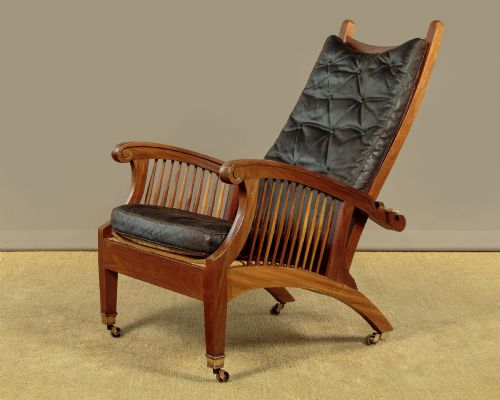
You are most likely to meet mahogany or oak frames paired with hide seats or upholstery, originating from domestic workshops and larger cabinet makers. The forms range from straightforward dining seats to library chairs and high-backed variants.
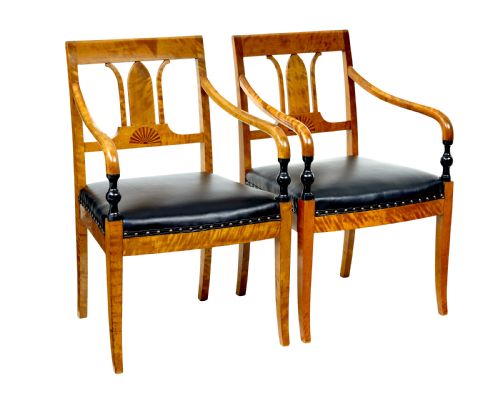
The material combinations reflect the prevailing tastes of their respective periods, moving from darker hardwoods to lighter birch and beech in later decades. Many pieces retain original or early replacement leather, showing natural patination from decades of use.
Materials and Construction
Makers constructed these chairs primarily using dense hardwoods such as mahogany, oak, walnut, and rosewood, ensuring structural longevity for daily use. Frames were joined using traditional woodworking joints like mortise and tenon, often reinforced for heavy dining or library environments.
Leather was stretched over padded or sprung seat foundations, then secured with brass or iron tacks along the seat rails. Secondary woods appeared in concealed areas, while decorative detailing relied on carved timber elements or turned wooden supports rather than applied veneers.
Antique Leather Side Chairs Retail Price Guide 2026
Typical asking prices for leather side chairs among the pieces listed under this phrase on Sellingantiques today, from the lower quarter to the upper quarter. They describe what is for sale here now, not the wider market.
Listings feature oak, mahogany, walnut, and rosewood alongside lesser-seen beech and birch from the 18th, 19th, and 20th centuries.
Factors That Separate Quality
Quality rests upon the density and selection of the timber, the precision of the frame joints, and the integrity of the leather upholstery. Superior examples exhibit crisp hand-carving and sturdy structural framing that resists wobble under weight.
The treatment of the leather surface creates a further distinction, with finely grained hides showing a desirable depth of colour and supple texture rather than brittle cracking. Original fixings and unaltered frames elevate the standing of a set compared to heavily restored equivalents.
The Antique Leather Side Chairs Glossary
- Side chair
- A chair without arms, designed primarily for dining or placement against a wall. These pieces form the vast majority of traditional seating sets.
- Balloon back
- A rounded, curved chair back popular during the Victorian era that resembles the shape of a hot air balloon. This silhouette provides comfortable lumbar support.
- Chippendale style
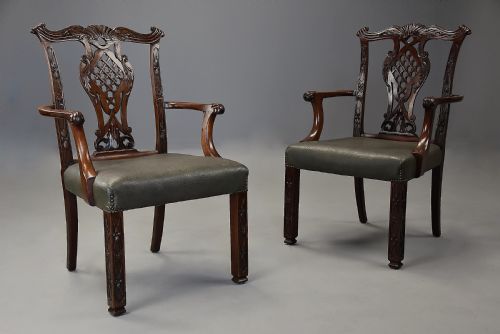
- A decorative design inspired by the 18th-century cabinet maker Thomas Chippendale, often featuring carved ribbon backs or cabriole legs. These revival pieces emulate Georgian proportions.
- Bergère
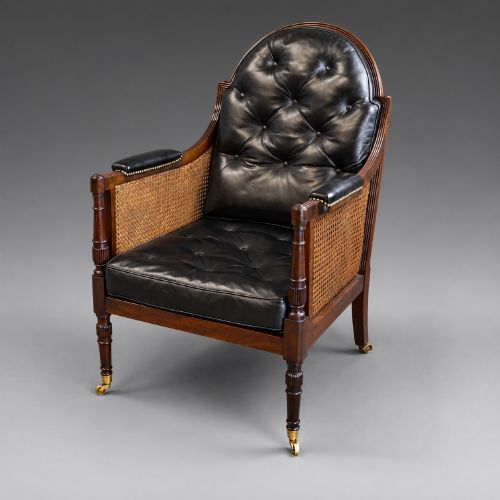
- An enclosed upholstered armchair with wooden framing, frequently incorporating cane or leather panels. Originating in France, these seats offer generous proportions for library use.
Antique Leather Side Chairs: Frequently Asked Questions
How do I date an antique leather side chair?
Dating relies upon examining the timber species, joinery techniques, and the profile of the chair legs or backrest. Stylistic cues often align with specific reigns or revival periods recorded in the manufacturing history.
Secondary woods and hardware, such as handmade screws or iron tacks, provide further clues to the decade of production. Comparing the construction methods to documented examples helps narrow down the era.
Are these chairs suitable for daily dining use?
Most sturdy hardwood frames handle regular seating without issue, provided the joints remain tight and secure. Oak and mahogany versions offer particular structural resilience for everyday environments.
Care should be taken with antique leather upholstery to prevent punctures or excessive stretching. Periodic conditioning keeps the hide supple under normal household conditions.
How do I clean antique leather upholstery?
Maintenance involves gentle dusting with a dry, soft cloth to remove surface grit that might abrade the hide. Specialist leather balms nourish the material and prevent the surface from drying out over time.
Water and harsh commercial detergents should be avoided entirely to prevent staining or stripping the natural finish. Professional conservationists can address deep cracks or significant leather degradation.
What is the difference between a side chair and an armchair?
Side chairs lack armrests, making them compact enough to tuck neatly beneath dining tables or line a room perimeter. Armchairs include supportive side rests and generally offer a wider, more enveloping seat.
Pairs of armchairs often accompanied larger sets of side chairs at the head of a dining table. Both forms share similar period construction methods and decorative styles.