
Tapestry Side Chair
A tapestry side chair brings woven texture and historical form into a room.
Tapestry Side Chair
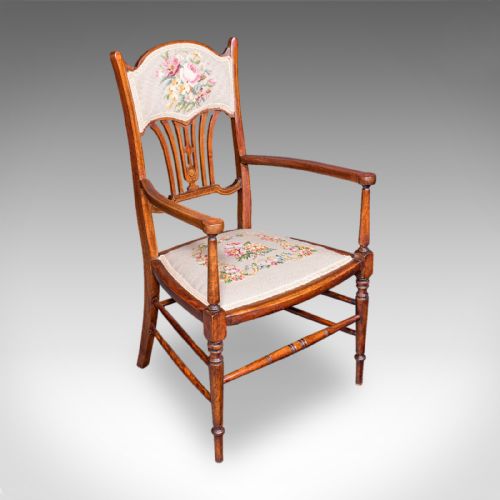
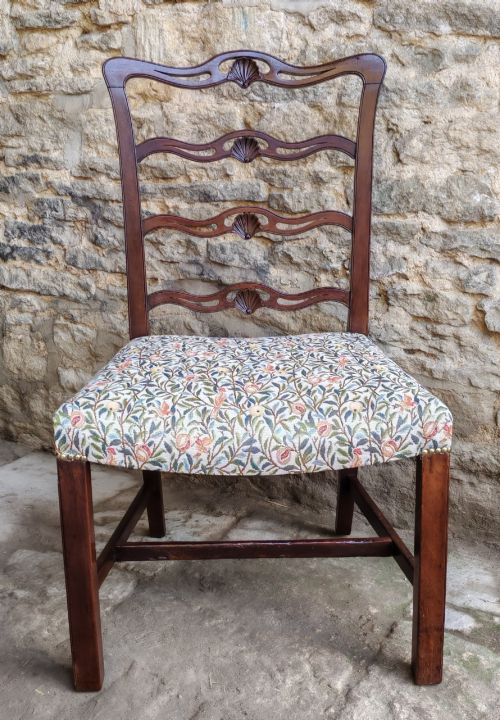
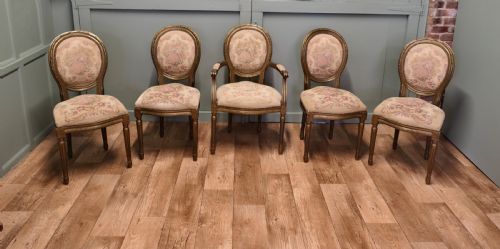
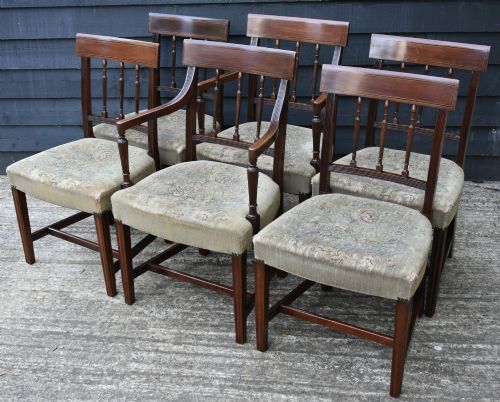
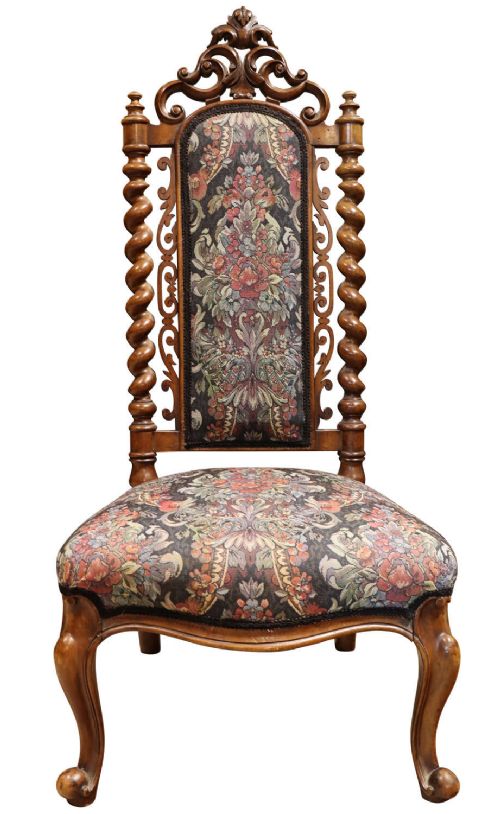
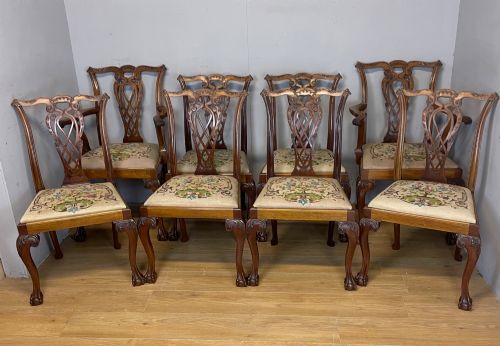
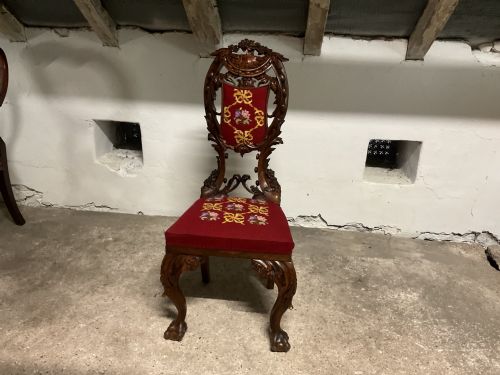
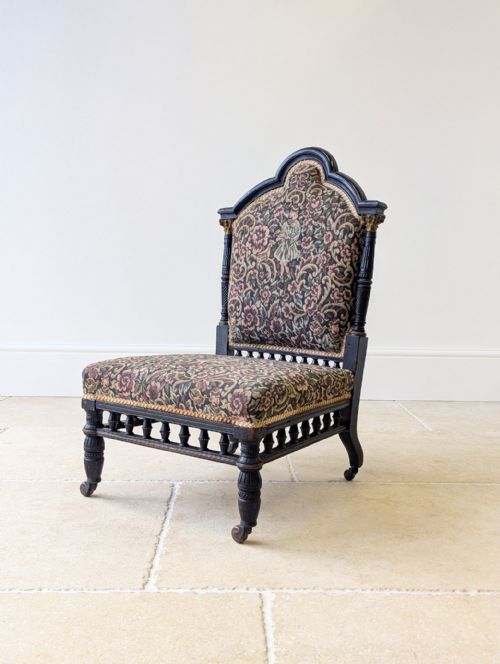
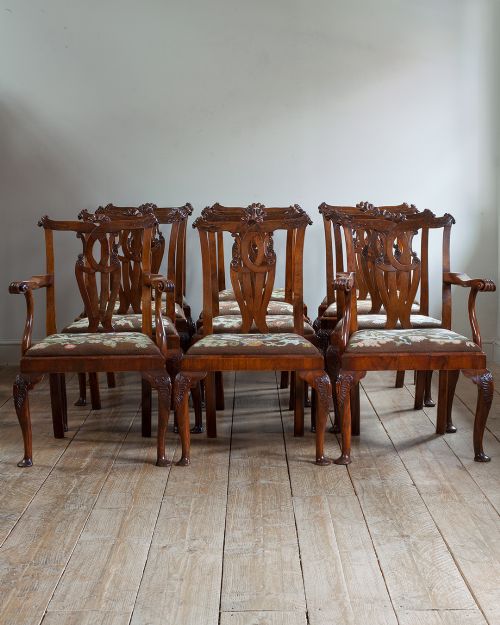
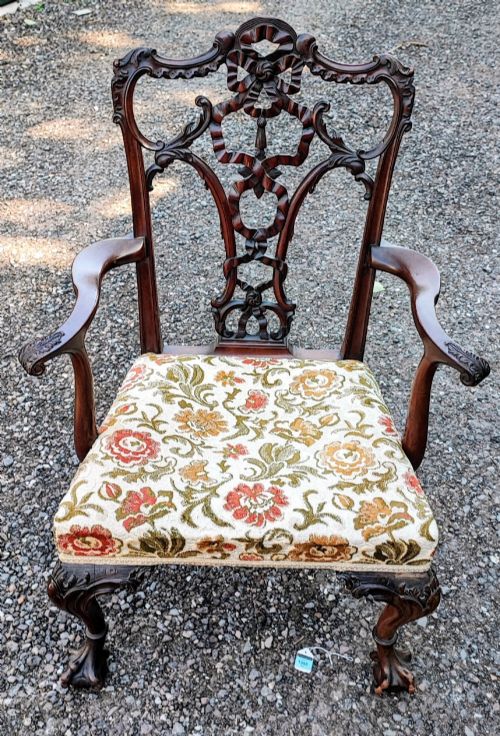
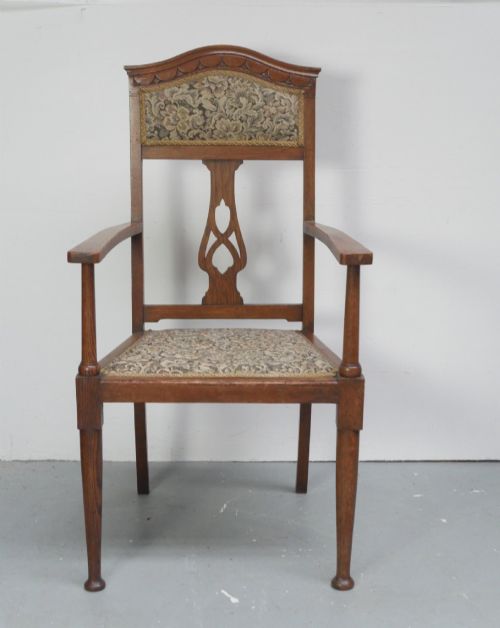
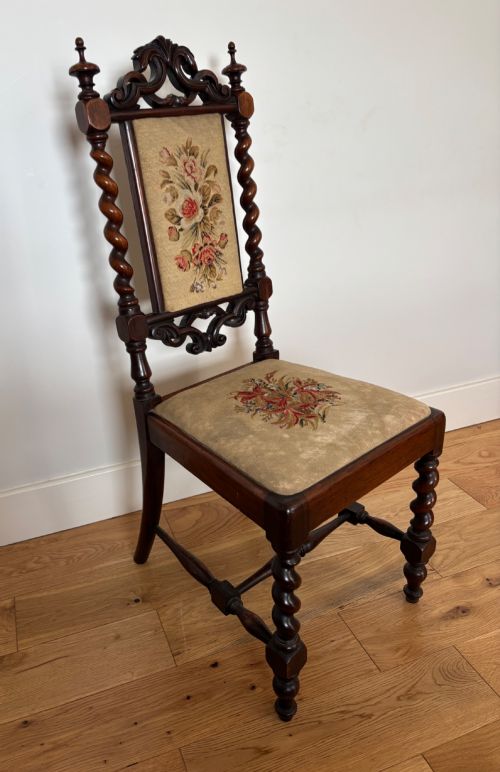
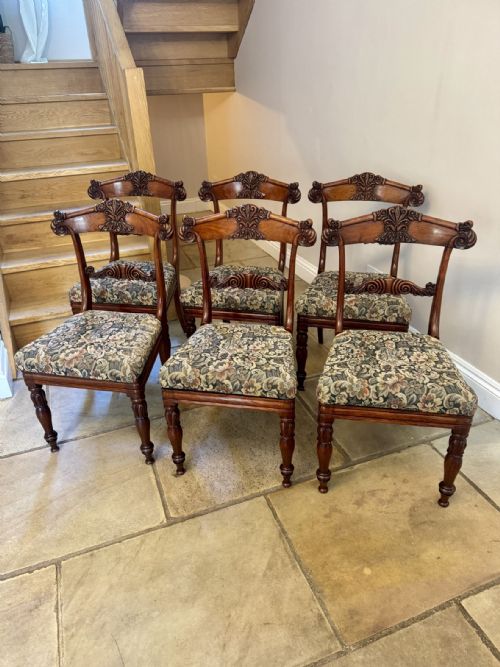
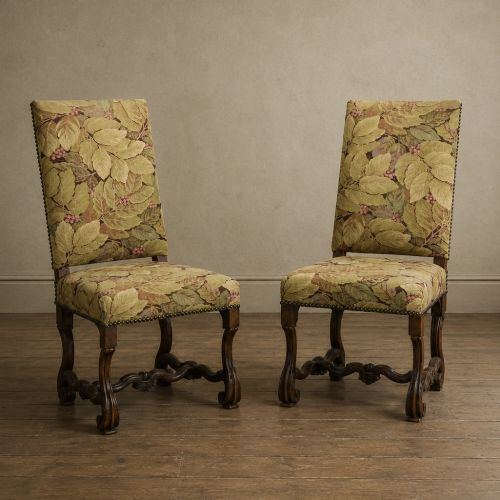
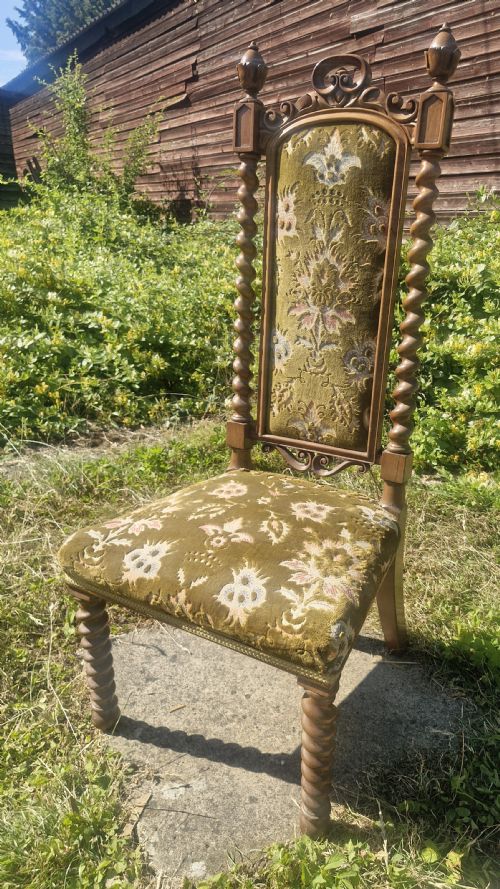
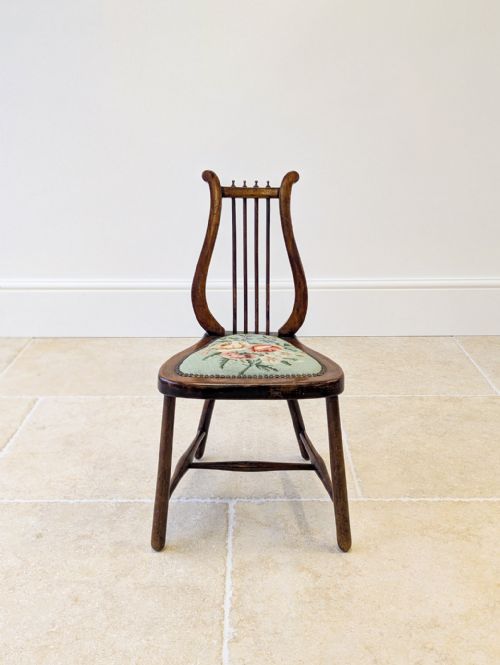
When searching for a tapestry side chair, you encounter a selection spanning the eighteenth, nineteenth, and early twentieth centuries, drawing on Georgian, Victorian, and Edwardian design traditions. These seating forms range from formal parlour furniture to occasional seats intended for bedrooms, halls, and studies, often appearing singly or in matched sets.
The dominant forms on this page include walnut and mahogany frames featuring needlepoint, tent stitch, or woven textile upholstery. Examples emerge from English, French, and Italian workshops, displaying stylistic revivals from Chippendale and Louis periods alongside distinct Victorian interpretations.
How they were made
Cabinetmakers shaped the structural frames from dense hardwoods like mahogany, walnut, oak, and rosewood, employing traditional joinery such as mortise and tenon. Carved details on splats, rails, and cabriole legs required skilled hand chiselling.
Upholstery involved stretching heavy textile or needlepoint tapestry over stuffing supported by webbing or canvas. Needlepoint panels frequently utilised wool and silk threads worked by hand over an open mesh grid.
Tapestry Side Chair Retail Price Guide 2026
Typical asking prices for tapestry side chair among the pieces listed under this phrase on Sellingantiques today, from the lower quarter to the upper quarter. They describe what is for sale here now, not the wider market.
Several examples feature charmingly mismatched needlepoint scenes stitched by Victorian hobbyists who clearly ran out of pink wool halfway through.
What varies in quality
The distinction between ordinary and superior pieces rests on the depth of the timber carving and the integrity of the frame construction. Finer examples display crisp hand-cut ornamentation, well-figured wood grain, and robust joints that retain stability.
Textile condition and needlework density dictate the visual success of the seat. Original, finely worked hand-stitched needlepoint with tight, even tension elevates an individual piece far above later replacement covers.
Warings·Liberty & Co
The Tapestry Side Chair Glossary
- Side chair
- A chair without arms, designed originally for dining or placement against a wall when not in use. These forms occupy minimal space while providing a decorative seating option.
- Needlepoint
- A type of counted thread embroidery stitched onto a stiff open-weave canvas. This technique forms the pictorial or geometric panels seen on many historic seat covers.
- Cabriole leg
- A furniture leg that curves outward in a convex arc and then bends inward in a concave arc, ending in a pad or claw foot. This shape derives from ancient furniture designs and typifies eighteenth-century styles.
- Chippendale style
- A mid-eighteenth-century design vocabulary named after cabinetmaker Thomas Chippendale, characterised by interlaced ribbon splats, carved mahogany, and Gothic or Chinese fretwork influences.
- Salon chair
- A light, highly decorative seat intended for reception rooms and polite social gatherings. These pieces often feature ebonised woods, delicate carving, and prominent textile upholstery.
Tapestry Side Chair: Frequently Asked Questions
Where were side chairs used?
These chairs served multiple functions within historic domestic interiors, functioning as dining seats, desk companions, or decorative accents in hallways and morning rooms. Their armless profile allowed them to sit flush against walls or slide neatly beneath tables.
In larger houses, matched sets furnished dining spaces, while individual or paired salon chairs decorated private drawing rooms and chambers.
How do I date an old chair?
Dating relies on examining the timber species, joinery techniques, and stylistic vocabulary present in the frame. For instance, dense mahogany and distinct cabriole leg profiles point toward eighteenth-century manufacture, while rosewood and ebonised finishes often indicate nineteenth-century Victorian production.
Tool marks left by hand saws and the construction of the seat frame underneath provide further clues regarding the era of creation.
Can I use antique chairs daily?
Most antique seating remains robust enough for normal domestic use provided the wooden frame and internal joints are stable. Periodic checks by a professional conservator ensure that glued joints and webbing stay secure.
Placing them out of direct sunlight helps protect fragile textile tapestry and needlepoint upholstery from fading and fibre degradation over time.