
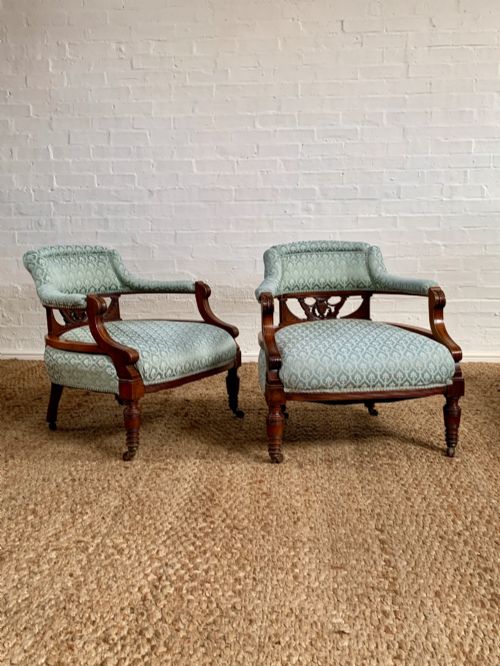

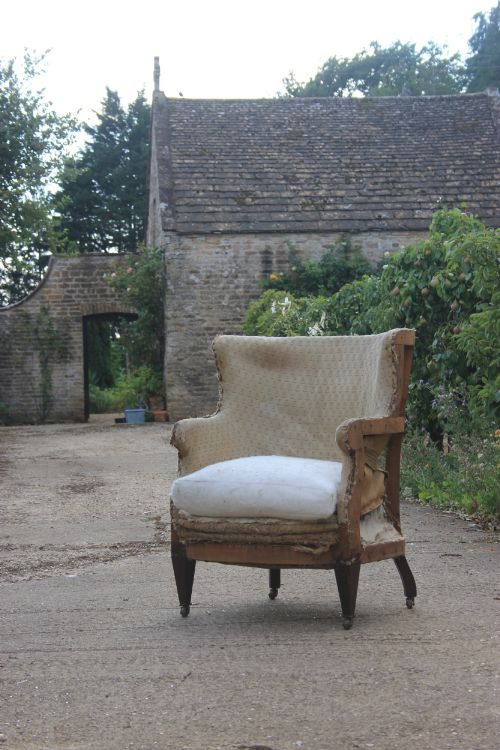
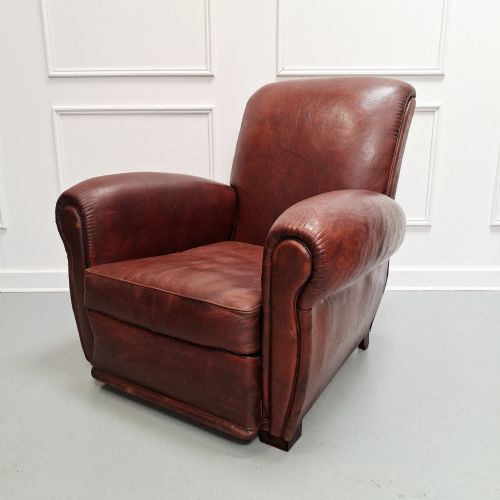
Antique Barrel Chair
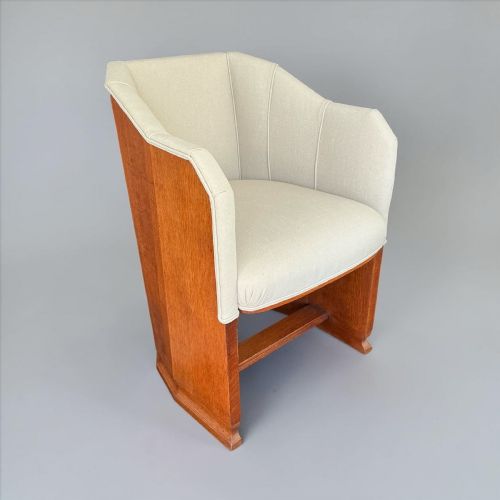
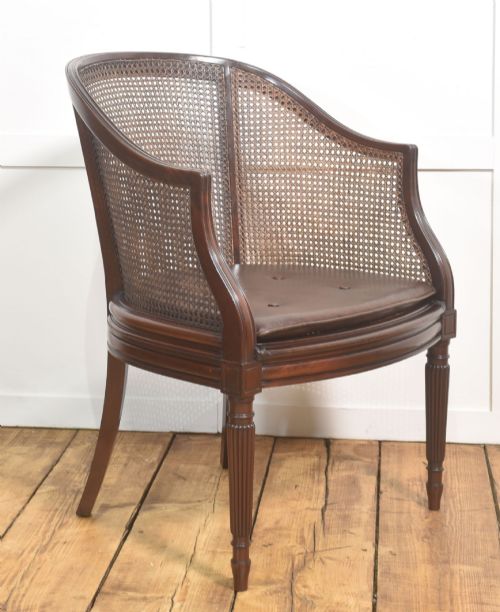
An antique barrel chair wraps a rounded back directly into the arms to shelter the sitter from draughts.
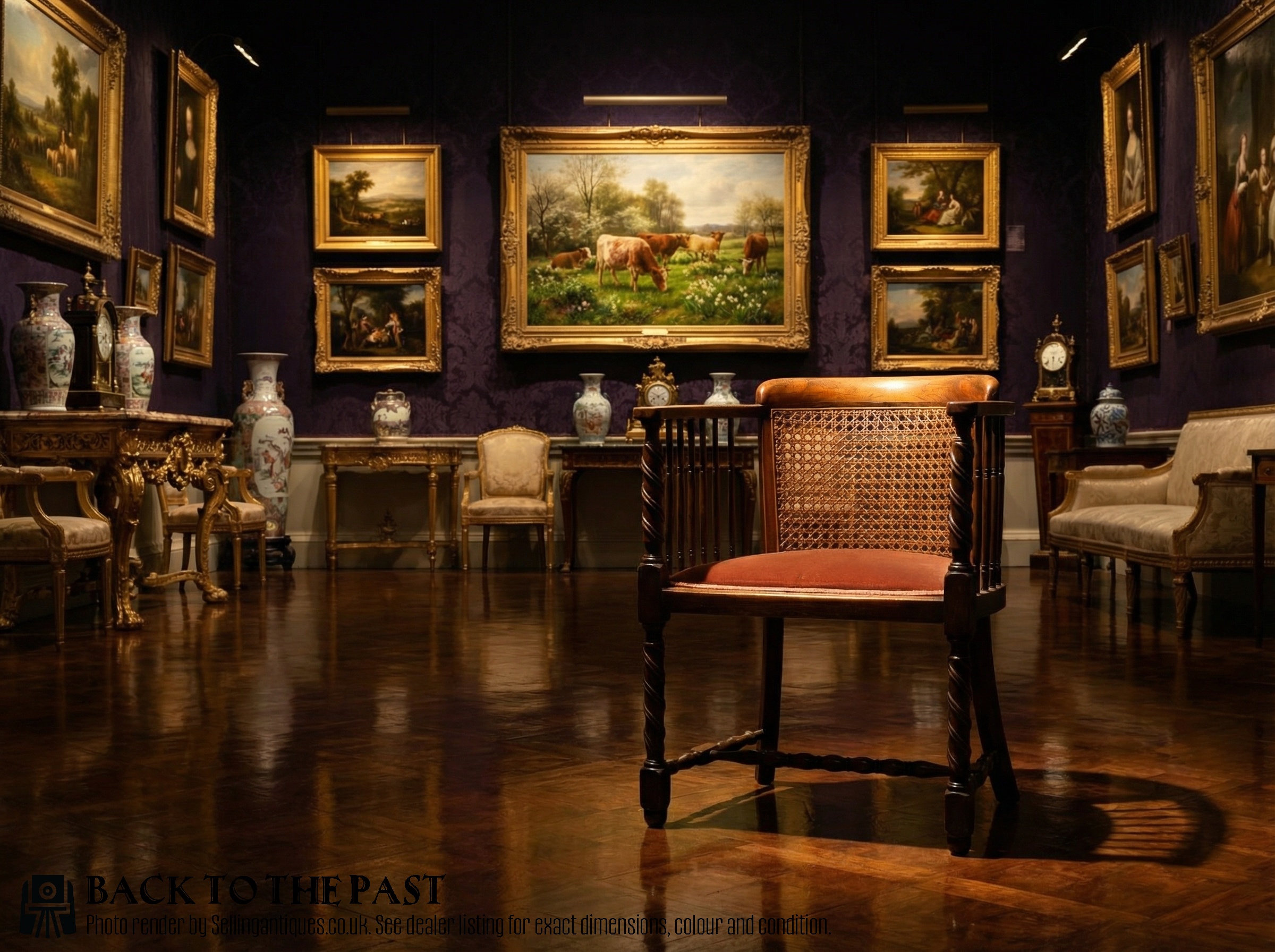
Antique Barrel Chair
When you examine an antique barrel chair, you look for a continuous curved backrest that encloses the sides of the seat. The form derives from a halved wooden cask, designed originally to keep fireside heat close to the body.
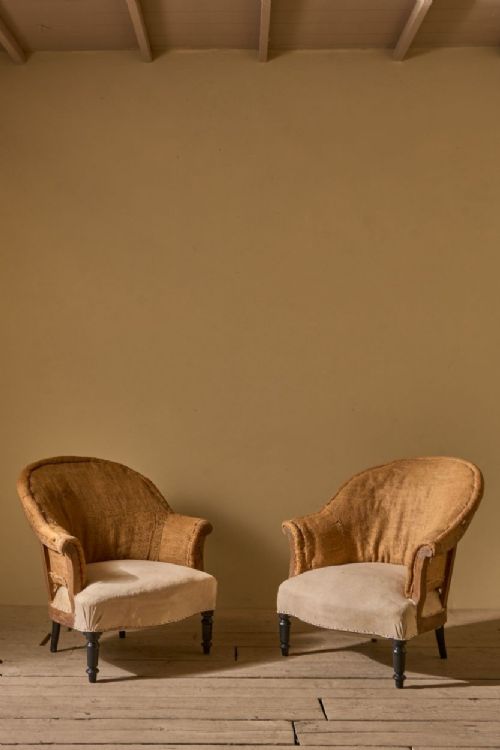
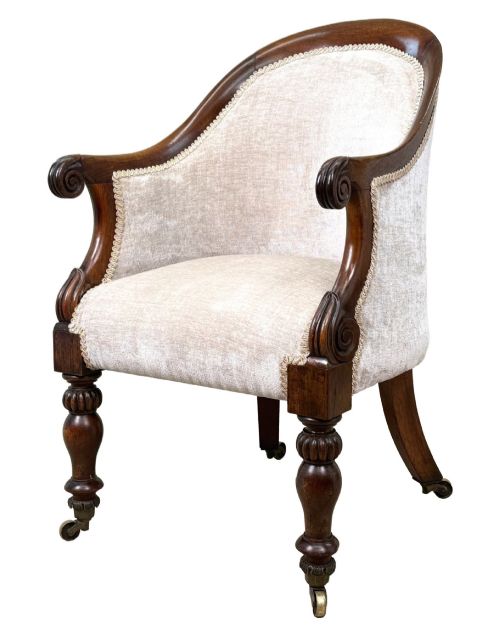
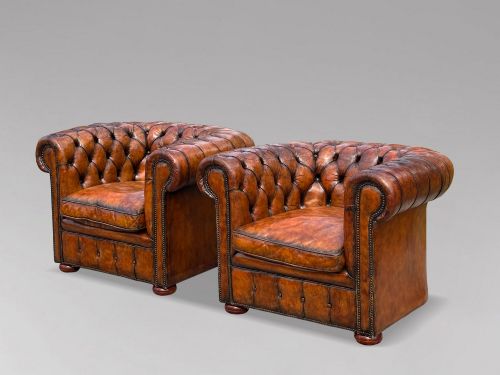
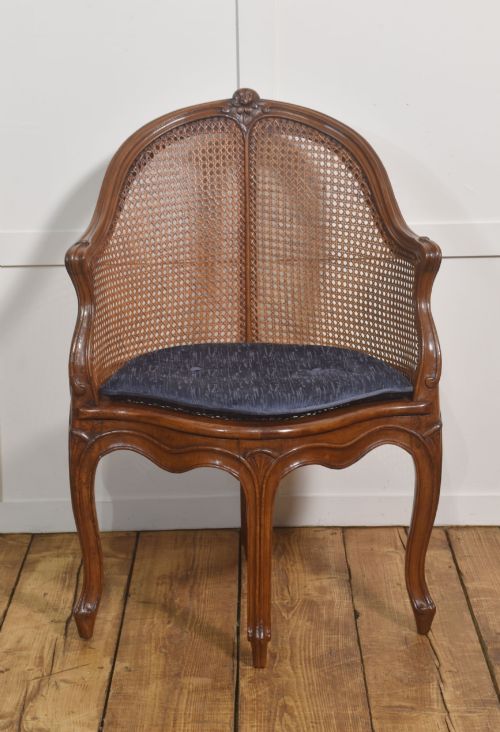
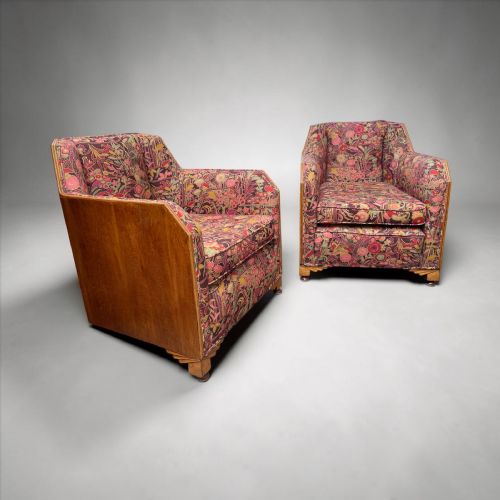
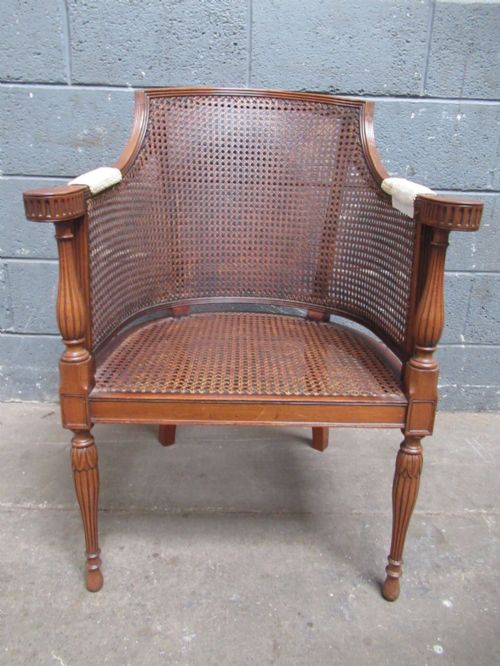
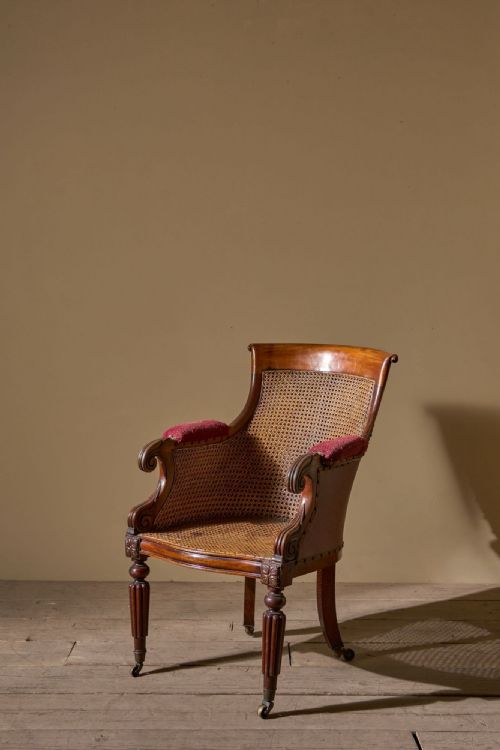
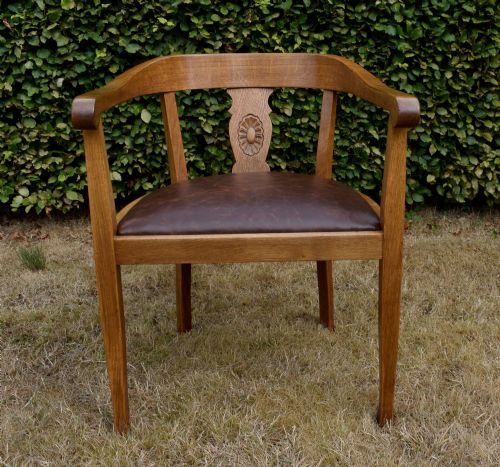
The version you meet most frequently on this page spans the nineteenth and early twentieth centuries, appearing in walnut, mahogany, and oak frames. These range from simple cane-paneled library seats to deep club chairs clad in leather.
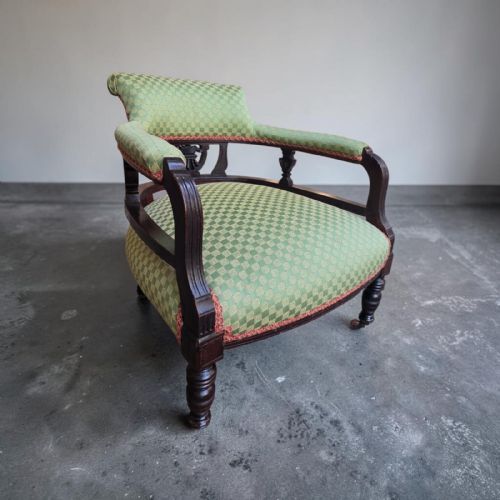
Makers adapted the enclosed shape across Georgian, Victorian, and Edwardian eras, sometimes adding wings or lowering the profile for reading. French variants often introduce painted finishes or Louis XV curves to the timber.
Materials and construction
Frames rely on sturdy hardwoods like mahogany, walnut, and oak, joined to support the inward curve of the enclosed back. Caning provides a light, open panel in many Edwardian and Georgian examples, while others use solid wood or pine.
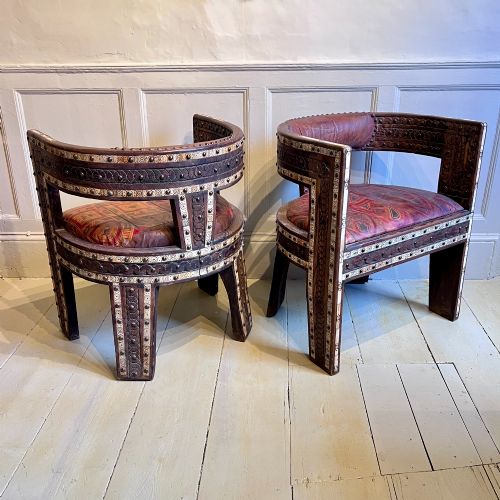
Upholstered versions combine traditional stuffing materials with leather, velvet, hessian, or fabric secured by brass tacks. Leather skins receive hand-dyed finishes that develop a natural patina over decades of use.
Antique Barrel Chair Retail Price Guide 2026
Typical asking prices for barrel chair among the pieces listed under this phrase on Sellingantiques today, from the lower quarter to the upper quarter. They describe what is for sale here now, not the wider market.
Listings feature mahogany, oak, and walnut frames paired with leather, cane, velvet, and hessian across Georgian and Edwardian periods.
Judging construction and finish
Quality rests in the integrity of the curved wooden frame and the precision of the joinery where the back meets the arms. A superior piece maintains tight joints without movement in the curved crest rail.
The selection of timber grain, the suppleness of the leather, and the crispness of any cane work or carved detail separate standard examples from finer workshops.
The Antique Barrel Chair Glossary
- Barrel back
- A semicircular or tub-shaped backrest that curves continuously around the sitter. This shape provides enclosed comfort and protection from cold air.
- Bergère
- An enclosed armchair with stuffed upholstery and exposed wooden framing. The sides often feature woven cane panels.
- Cane
- Woven rattan strips used to form lightweight back and seat panels. It appears frequently on Edwardian and Georgian seating.
- Hessian
- A coarse woven fabric made from jute fibres, utilised as a traditional foundation layer beneath outer upholstery.
- Porters chair
- A tall, enclosed chair designed to keep drafts away from household staff stationed in cold halls.
Antique Barrel Chair: Frequently Asked Questions
What is an antique barrel chair?
An antique barrel chair is a seating form defined by a rounded, enclosed back that curves forward into the armrests. This enveloping shape evolved to shield occupants from drafts in large rooms.
Surviving examples span multiple centuries and feature frames built from mahogany, oak, or walnut. They appear with wooden paneling, cane inserts, or full leather and fabric upholstery.
How were barrel chairs used?
These chairs served primarily beside fireplaces, in libraries, and in draughty hallways where warmth was required. The high, curved sides trapped heat around the body.
Later Victorian and Edwardian examples moved into drawing rooms and studies as reading or desk seats. Porter versions stood in entryways to shelter doorkeepers.
How do I date an antique barrel chair?
Dating relies on examining the timber species, construction methods, and stylistic details of the frame. Georgian pieces often show simpler mahogany lines, while Victorian and Edwardian versions introduce varied upholstery and revived historical motifs.
Upholstery materials and internal stuffing also offer clues, though many pieces have been recovered over time. Comparing the leg turnings and wood patination to documented periods helps confirm the age.
How do I live with a barrel chair?
Living with these chairs involves placing them where their curved profile can function as a standalone reading seat or fireside accent. Their enclosed shape requires adequate floor space to let the design breathe.
Maintenance depends on the surface finish, needing occasional leather conditioning or gentle dusting of wooden and cane frames. Modern placement usually pairs them with low side tables or places them in corners.