
Vintage Curved Back Chair
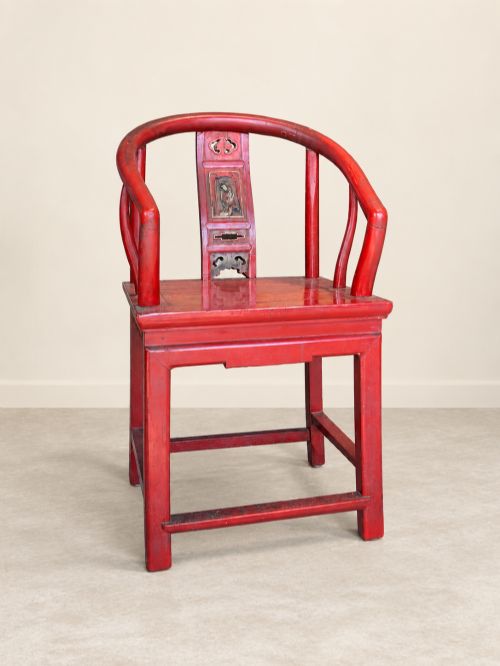
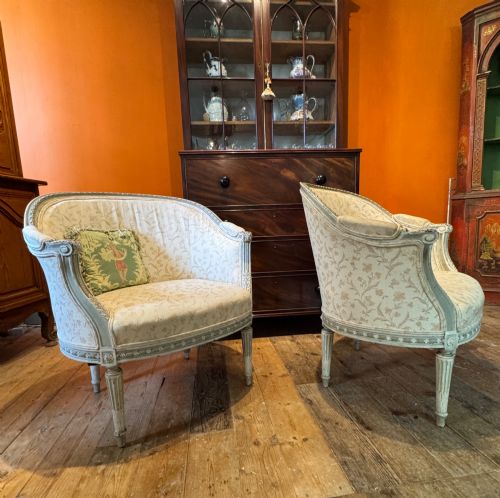
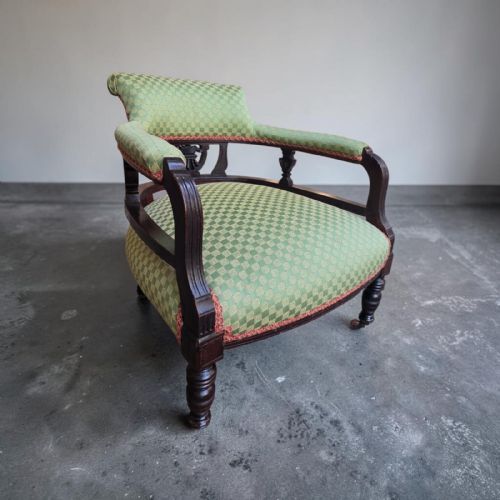
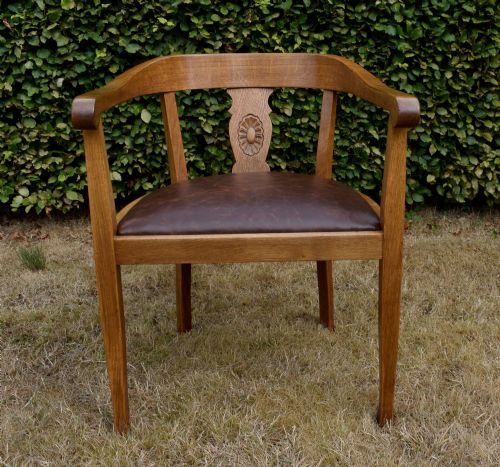
These vintage curved back chair designs range from compact Edwardian tub seats to solid oak desk chairs.
Vintage Curved Back Chair
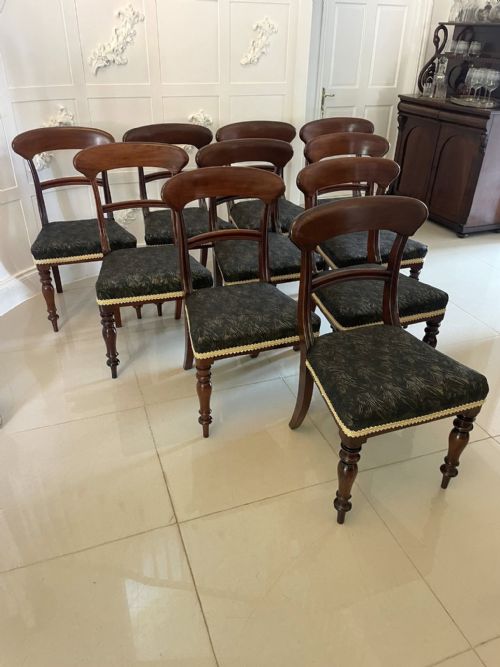
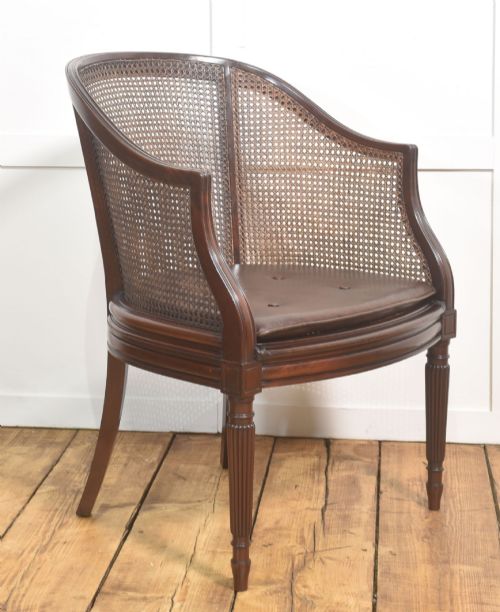
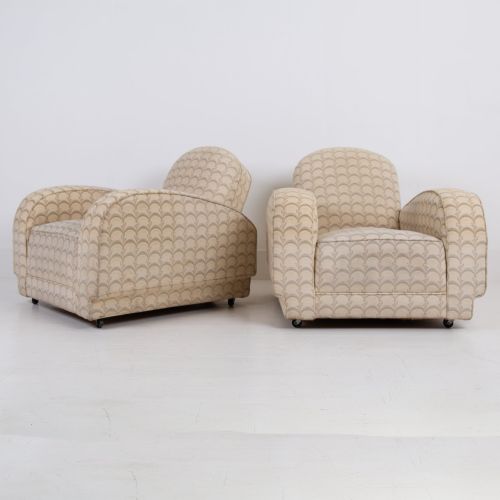
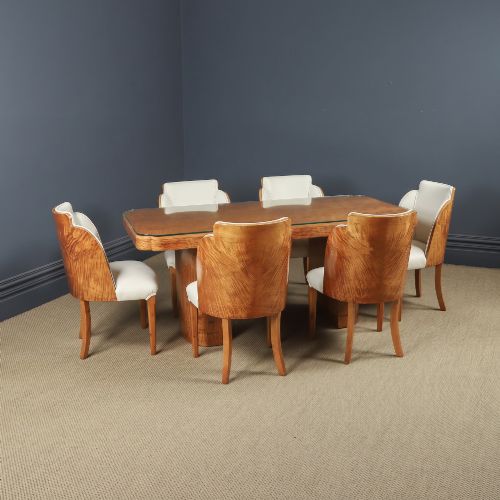
A vintage curved back chair brings together seating forms shaped around the body, spanning tub armchairs, swivel desk chairs, and dining seats. When exploring this selection, buyers frequently encounter Edwardian and Victorian tub styles alongside Art Deco designs from the nineteen thirties.
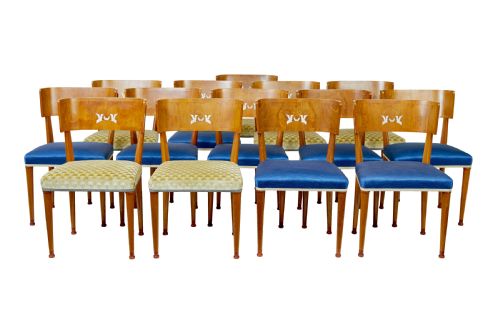
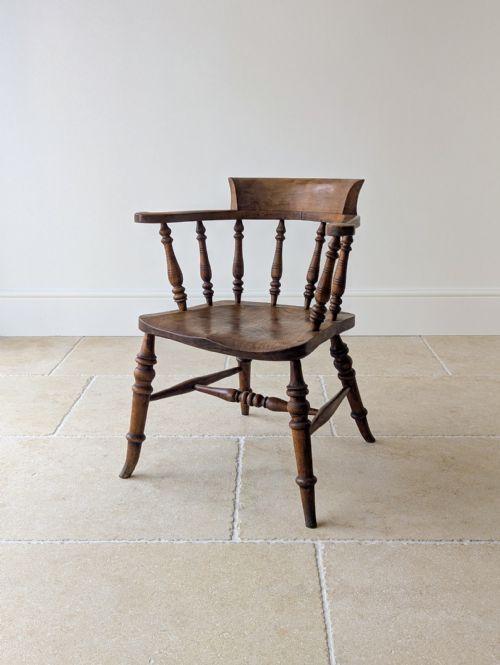
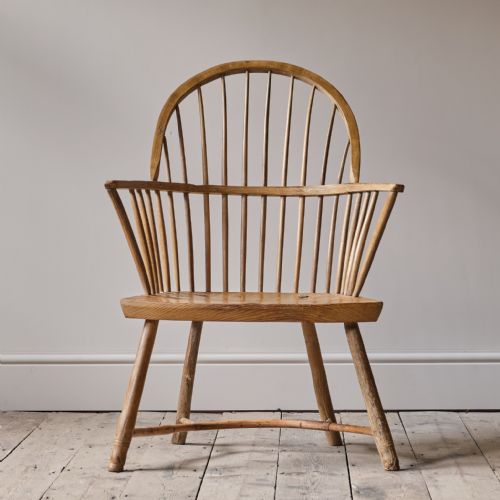
The evidence shows diverse origins, encompassing English country elm Captain's chairs, French bergere armchairs, and Swedish klismos dining chairs. These pieces serve functional roles in studies, living rooms, and dining spaces while maintaining distinct profile curves.
Makers and workshops utilise traditional forms like the hoop back Windsor, the barrel back, and the smokers bow. Each form relies on the sweeping contour of the backrest to define its silhouette and seating comfort.
Materials and Construction
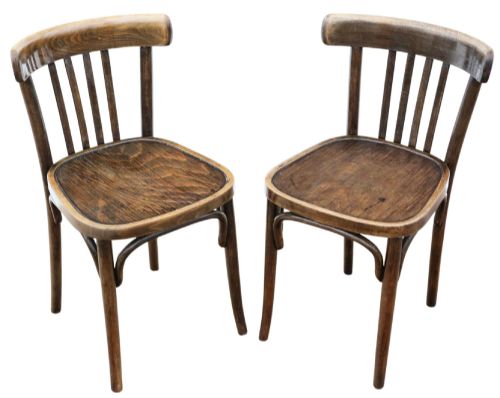
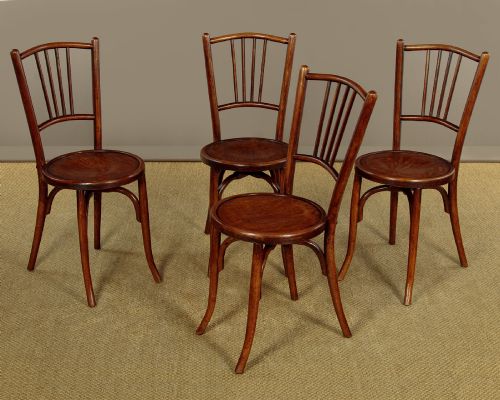
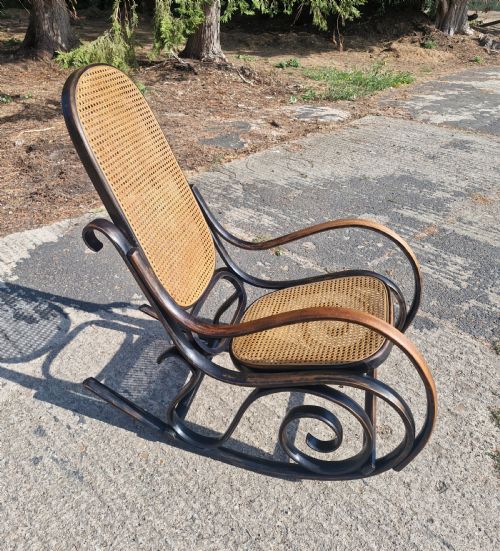
Cabinet makers and joiners shaped these frames primarily from hardwoods such as mahogany, oak, elm, beech, and walnut, frequently incorporating satinwood and maple veneers. Steam bending techniques created the continuous curved lines seen in bentwood bistro chairs and rocking armchairs.
Upholstery methods involved fabric, leather, cane panels, and buttoned padding supported by brass details and internal wooden framing. Workshops employed precise joinery, including turned spindles, fluted legs, and curved rail construction to stabilise the rounded backs.
One rocking armchair simply describes itself as very cute, proving that nineteenth-century comfort had a sense of humour.
The Spectrum of Quality
Excellence in these chairs rests upon the integrity of the timber framing and the fluidity of the curved lines. Superior examples display thoughtful grain selection in mahogany, walnut, or elm, alongside robust joinery that maintains structural rigidity along curved stress points.
Finer pieces separate themselves through original surface treatments, whether polished wood finishes, original paint layers, or period appropriate upholstery. The distinction lies in how successfully the maker resolved the technical challenge of bending and shaping wood without compromising durability.
Thonet·Codina·Harry and Lou Epstein
The Vintage Curved Back Chair Glossary
- Tub Chair
- An armchair featuring a continuous curved back and arms that form a single enclosed enclosure. This form provides supportive sides and appears frequently in Victorian and Edwardian examples.
- Bentwood
- Wood softened by steam and bent into curved shapes under pressure. This technique produced the rounded frames characteristic of bistro chairs and rocking armchairs.
- Klismos
- An ancient Greek chair design featuring concave curved backboards and splayed legs. Twentieth-century revivals adapted this graceful profile for dining suites.
- Bergere
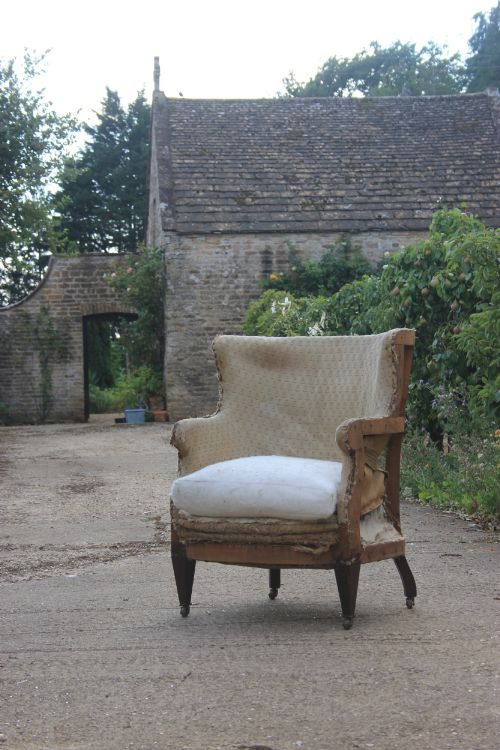
- An enclosed upholstered French armchair with exposed wooden framing and cane sides or back panels. This style offers a lighter visual presence than fully padded upholstered seats.
Vintage Curved Back Chair: Frequently Asked Questions
How do I identify bentwood furniture?
Bentwood pieces use solid timber exposed to steam until pliable, allowing craftsmen to bend the wood into sweeping curves without joints. This technique creates lightweight yet strong frames.
Nineteenth and twentieth-century workshops utilised this method primarily for bistro chairs and rocking armchairs.
Where do swivel desk chairs fit?
Desk chairs from the Victorian and Edwardian periods combine solid oak, mahogany, or walnut frames with mechanical swivel bases. They were built for office and library use.
Their curved wooden backs provide lower back support during extended periods of sitting at a desk.
Are these chairs suitable for dining?
Dining variants appear in sets or pairs across Regency, Victorian, and Art Deco styles, often featuring mahogany or elm frames. Sabre legs and curved top rails provide ergonomic support.
They pair easily with traditional or modern dining tables while introducing period character to a room.