



Elm Country Seating Stool
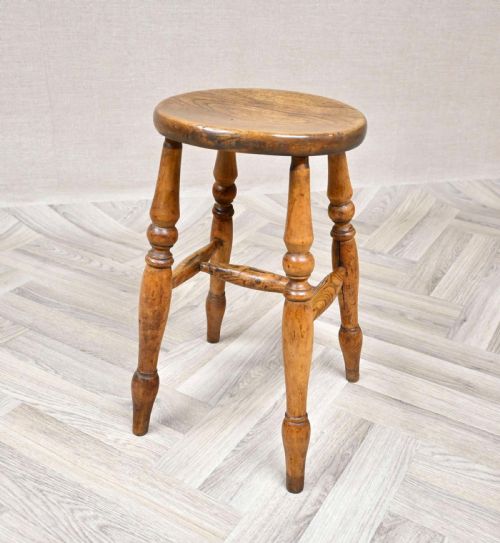
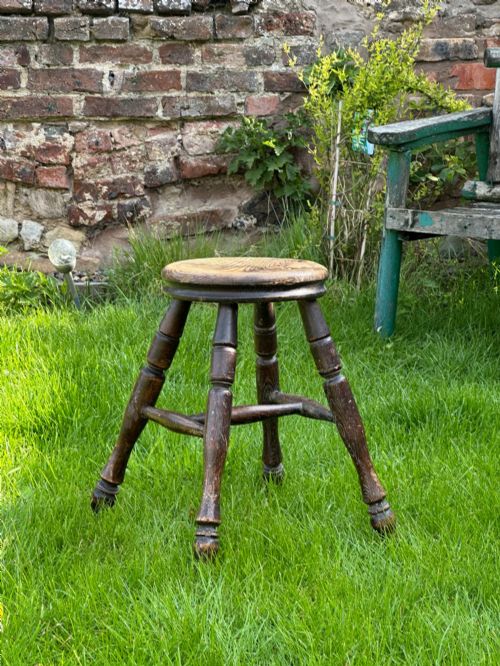
These elm country seating stool examples bring honest vernacular character to a room, offering sturdy utility shaped by generations of domestic and trade use.
Elm Country Seating Stool
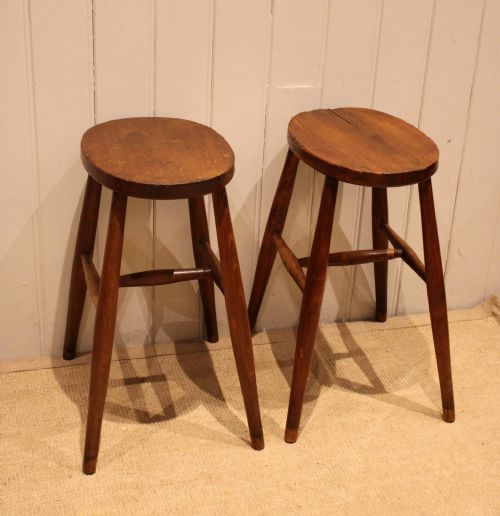
An elm country seating stool represents a practical category of antique seating spanning the eighteenth, nineteenth, and early twentieth centuries. These pieces encompass forms ranging from low hearth stools and milking stools to tall tavern seating and dining stools.
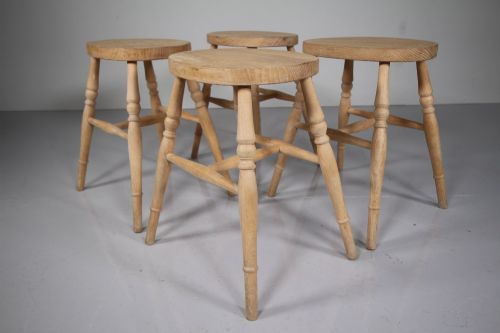
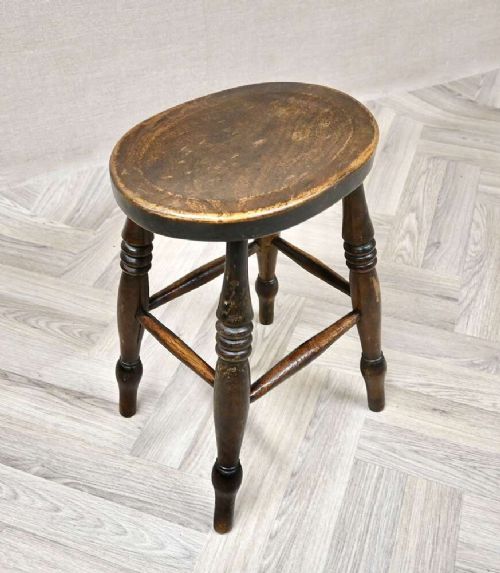
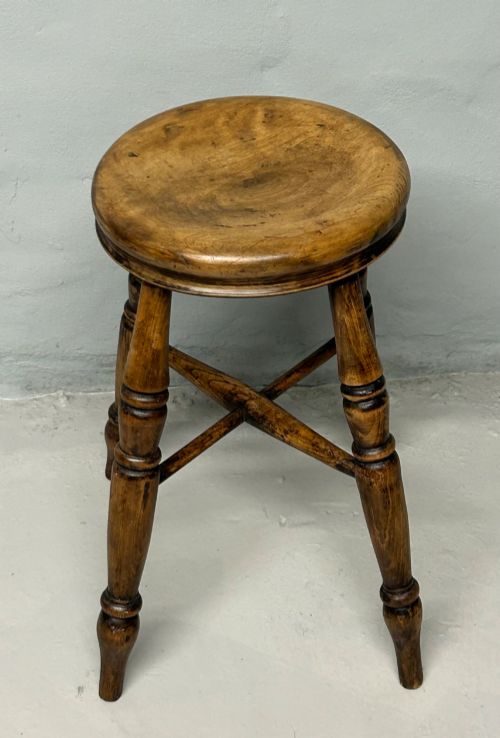
The selection on this page shows a strong tradition of English country and Victorian vernacular design, alongside occasional pieces from other regions like the nineteenth century rustic Chinese hardwood stool. Buyers will frequently encounter round or oval wooden seats supported by simple turned or splayed legs.
Makers designed these utilitarian objects for daily work, hearthside warmth, and simple tavern life rather than formal display. Their survival in varied domestic and commercial forms demonstrates the enduring appeal of honest, unpretentious woodwork.
How they were made
Cabinet makers and rural joiners relied heavily on homegrown timber, pairing resilient elm for seats with beech, ash, or oak for turned legs and stretchers. Elm proved ideal for solid seats because its interlocking grain resisted splitting under heavy daily pressure.
Construction typically involved traditional joinery such as through-wedged tenons where leg tops poked straight through the bored seat board. Turners shaped the supporting spindles on foot-powered lathes, while cord occasionally appeared on specific variants for added texture or support.
Listings span the eighteenth, nineteenth, and early twentieth centuries, featuring elm alongside oak, beech, ash, and cord.
What varies in quality
Quality in these vernacular pieces rests on the visual balance of the timber and the integrity of the original construction rather than elaborate decoration. A well-figured elm seat with rich grain patterns and deep patination elevates a piece above standard utility examples.
The tightness of the joints and the grace of the leg splay determine whether a stool feels balanced and enduring. Examples retaining their original surface finish without excessive modern intervention command greater respect from collectors of vernacular furniture.
The Elm Country Seating Stool Glossary
- Vernacular
- Objects designed and built by local tradesmen for practical everyday use rather than high-style polite society. This tradition prioritises local materials and function over fleeting fashion.
- Windsor
- A style of seating construction featuring a solid wooden seat into which the legs and back spindles are separately bored and wedged. It remains a hallmark of sturdy country craftsmanship.
- Hearth stool
- A low seating form traditionally positioned near an open fireplace for warmth or domestic chores. These pieces sit close to the floor to utilise the heat.
- Milking stool
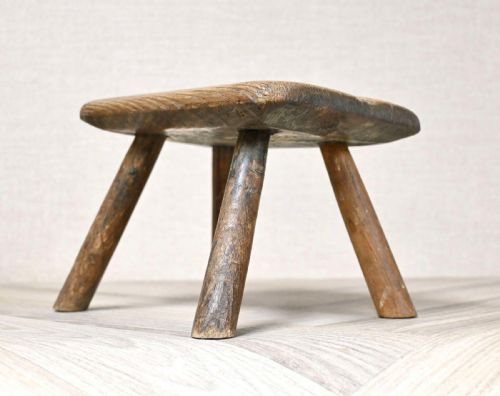
- A small, portable seat traditionally balanced on three legs so it remained stable on uneven dairy or farm floors. Milkmaids and farmhands used them extensively during daily chores.
- Stretchers
- Horizontal wooden braces connecting the legs of a stool to provide structural rigidity. They often double as footrests on taller tavern or bar variants.
Elm Country Seating Stool: Frequently Asked Questions
Where were elm stools used?
These stools served primarily in domestic kitchens, farmhouses, country taverns, and workshops where durable seating was essential. People moved them easily around hearths, tables, and workspaces as needed.
Their practical design suited rural life, enduring heavy daily tasks without requiring delicate maintenance or formal placement.
How do I date a country stool?
Dating relies on observing tool marks, timber characteristics, leg turning styles, and overall wear patterns accumulated over decades. Eighteenth-century examples often display simpler, heavier hand-shaping, while nineteenth-century pieces show more standardised lathe work.
Comparing the construction methods to known vernacular furniture helps narrow down the period of manufacture.
Are these stools comfortable to sit on?
Most country stools feature contoured or dished wooden seats carved to fit the body comfortably over short periods. While they lack upholstery, the ergonomic shaping of solid elm provides surprising support.
They function wonderfully as extra seats in modern kitchens, side tables, or decorative stands for plants and books.
Why is elm used for the seats?
Elm possesses a notoriously twisted, interlocking grain structure that makes the wood exceptionally tough and resistant to splitting when nailed or bored. This durability made it the preferred choice for solid wooden seats subjected to constant weight and movement.
Over time, the wood develops a rich, undulating texture that highlights the natural beauty of the grain.