
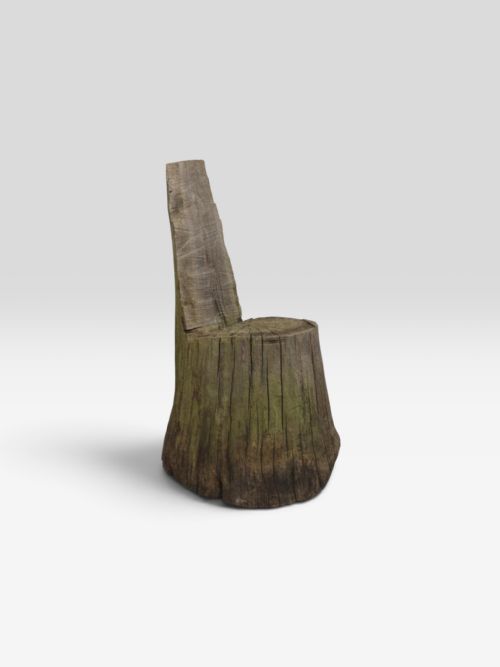
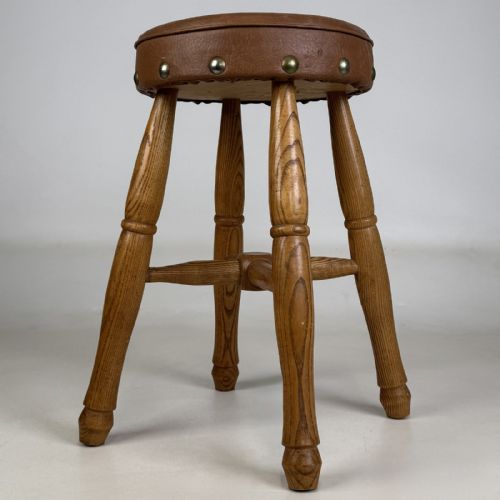
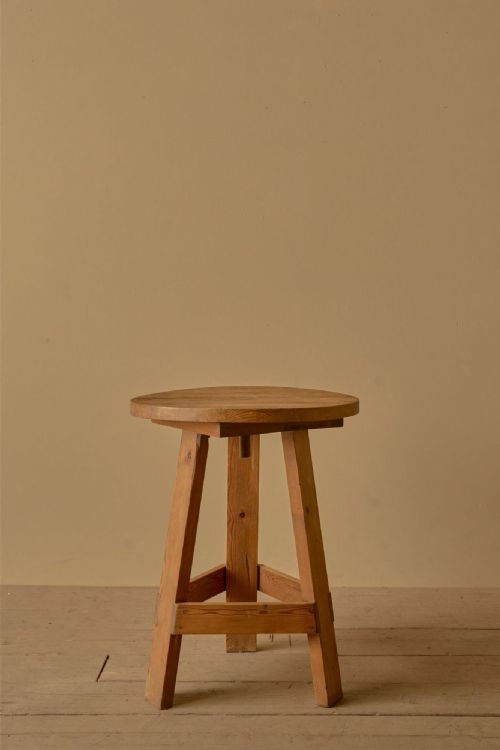
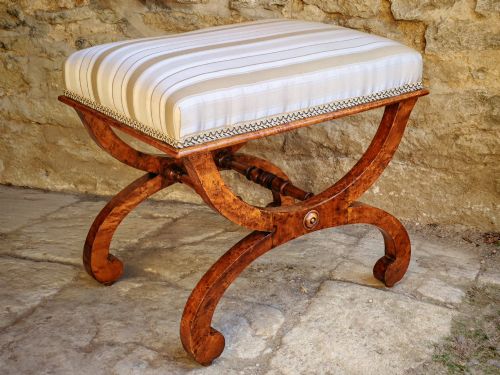
Wooden Stool
A wooden stool brings centuries of domestic utility to a room, offering compact seating or a sturdy surface crafted in solid timber.
Wooden Stool
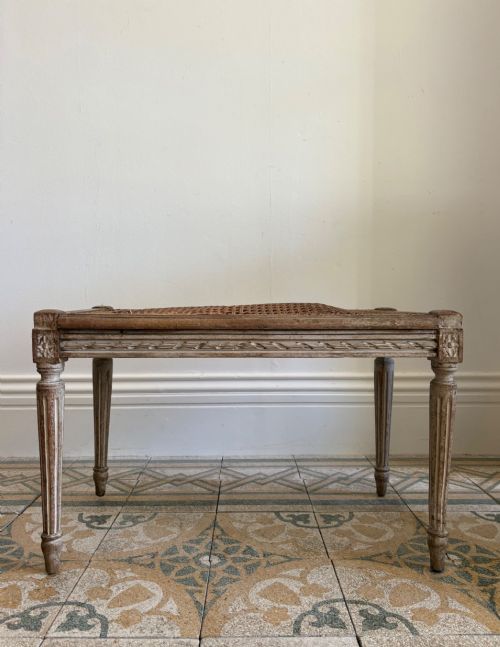
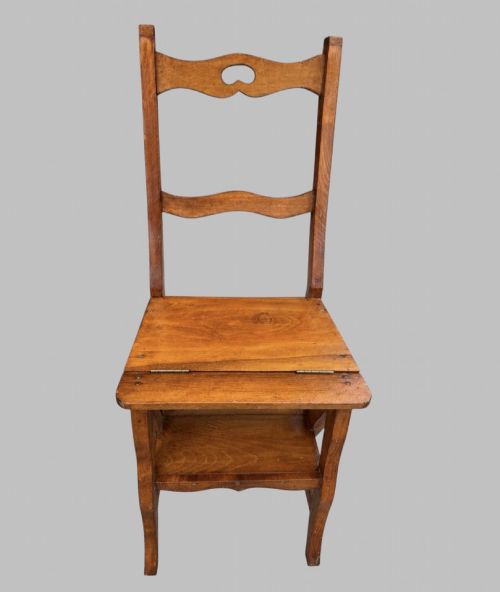
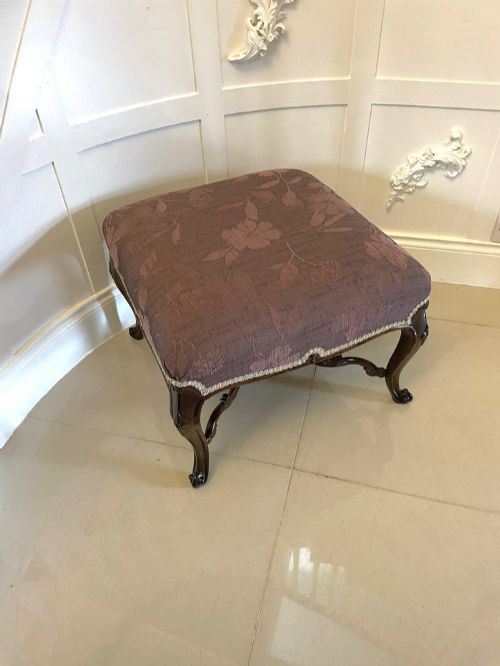
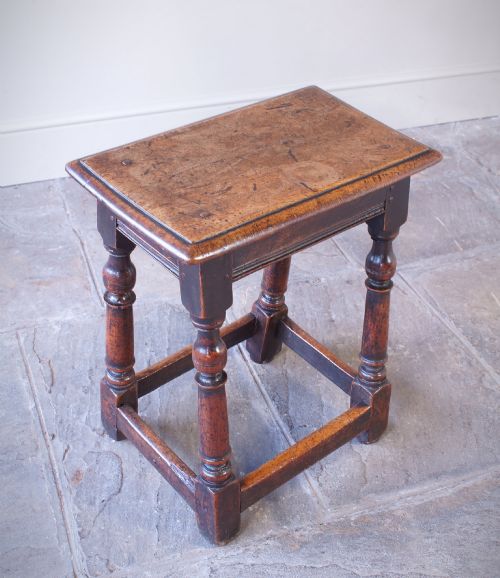
A wooden stool selection spans rustic country seating from the 17th century through to refined 19th-century parlor and dressing varieties. Buyers searching for a wooden stool encounter everything from sturdy joint stools and tavern benches to upholstered footstools and utilitarian clerk or machinist seats.
The selection ranges across oak, elm, mahogany, and walnut pieces originating from English, French, and Anglo-Indian workshops. Early joined examples contrast with later Victorian carved rosewood, Edwardian dining stools, and early 20th-century pine stands.
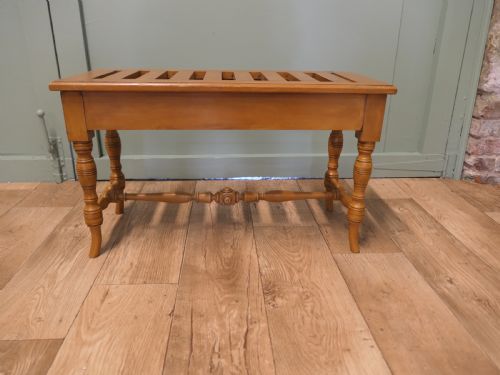
Domestic utilitarian forms dominate the offerings, encompassing piano benches, luggage racks, and occasional table conversions. These pieces fulfill practical seating and display functions while retaining the distinct character of their respective eras.
Materials and Technique
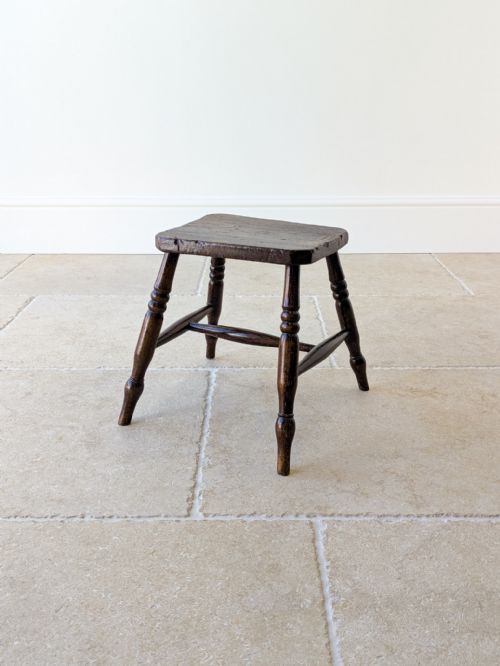
Makers utilised a variety of native and exotic timbers, pairing dense hardwoods like oak, mahogany, and walnut with resilient domestic woods such as elm, beech, sycamore, and pine. Joinery methods relied on traditional pegging and mortise and tenon construction, particularly visible in early joint stools designed for heavy daily use.
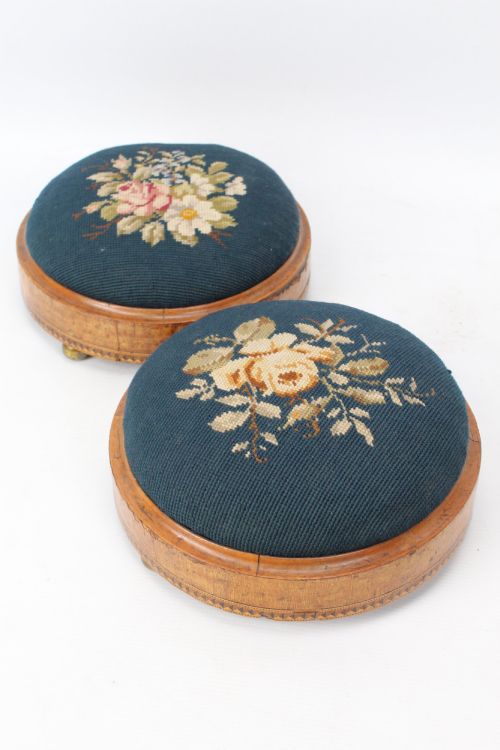
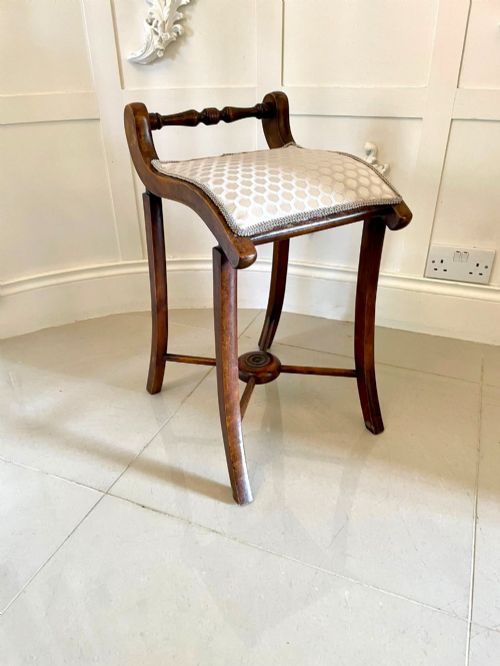
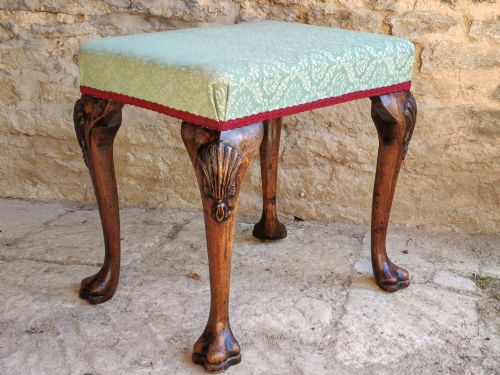
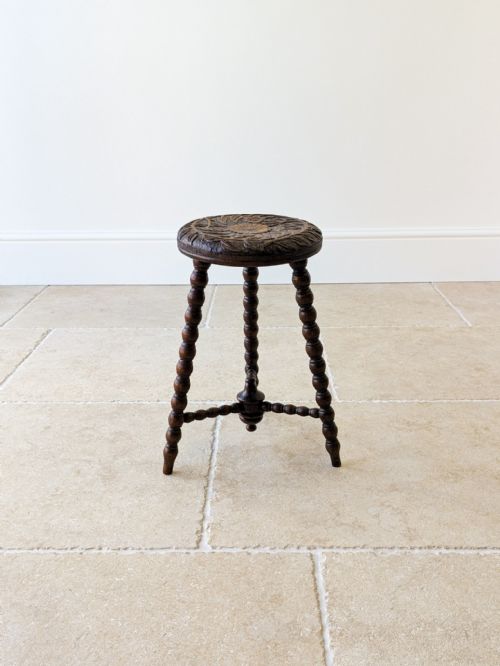
Turned legs, carved details, and shaped seats required specialist lathe work and hand chiselling. Surface finishing involved wax polishing, French polishing, or painted treatments, occasionally complemented by needlepoint, silk, or green linen upholstery.
Assessing the Standard
Quality rests in the integrity of the timber selection and the retention of original joinery without excessive modern intervention. Denser figuring in burr maple or rosewood and deeper hand-carved relief distinguish finer parlor seats from utilitarian workshop furniture.
Proportion and stability dictate overall merit, separating sturdy period examples from weakened or heavily restored pieces. The presence of untouched surface patination and authentic period upholstery elements preserves the historical standing of the piece.
The Wooden Stool Glossary
- Joint stool
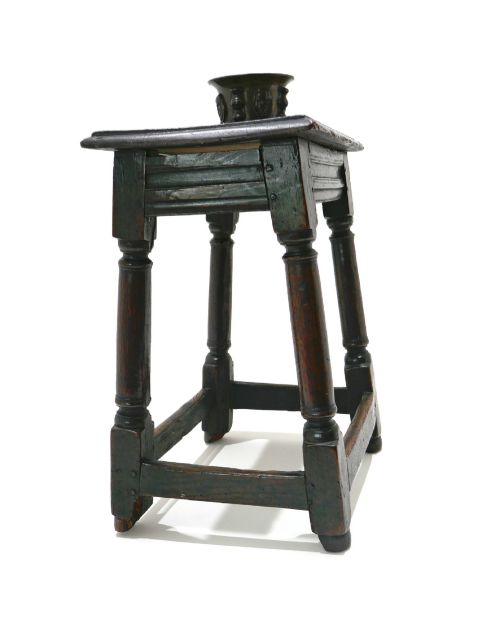
- A sturdy wooden seat constructed with mortise and tenon joints pegged together. These items date predominantly from the 17th century and served various household tasks.
- Footstool
- A low upholstered or wooden rest designed to support the feet while sitting. Examples range from simple Victorian needlepoint versions to carved rosewood designs.
- Tunbridge Ware
- Small wooden items decorated with intricate mosaic patterns made from tiny pieces of naturally coloured woods. This technique was popular in 19th-century spa towns.
- X-frame stool
- A seat supported by intersecting diagonal legs forming an X shape. This neoclassical form gained favour during the Regency and early Victorian periods.
Wooden Stool: Frequently Asked Questions
How were wooden stools used historically?
These seats served versatile roles around the home, acting as portable seating by the hearth, sturdy steps for reaching high shelves, or low supports for tasks like sewing.
Heavier varieties functioned as tavern seating or workshop stands, while refined upholstered versions belonged in Victorian dressing rooms and parlors.
How do I identify a 17th-century joint stool?
Early joined pieces rely on heavy oak construction with pegged mortise and tenon joints rather than metal nails or screws. They often feature straight turned legs connected by low stretchers for stability.
Surface wear, tool marks, and dark patination accumulated over centuries further distinguish genuine early examples from later reproductions.
Are these seats suitable for daily use?
Solid construction in dense hardwoods allows most period examples to function reliably as seats or occasional tables in modern rooms. Simple timber designs require little special care beyond occasional waxing.
Upholstered or silk-seated variants benefit from careful placement away from direct sunlight to preserve delicate antique fabrics.
What is the difference between a stool and a bench?
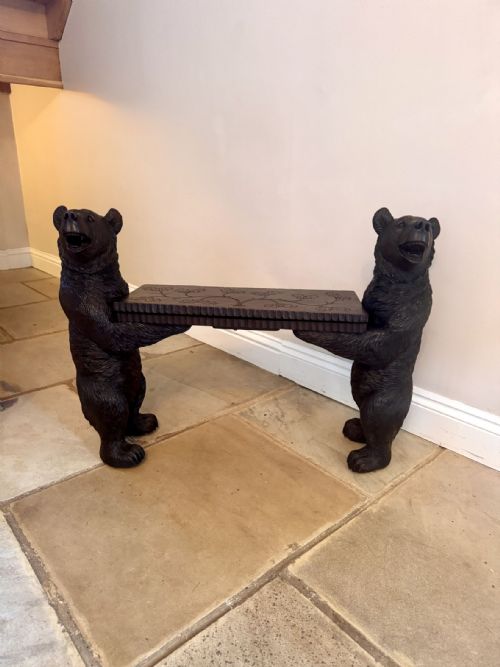
Stools are designed for single occupancy with compact square, round, or oval seats supported by three or four legs. Benches offer an elongated surface intended to accommodate multiple sitters or serve as window seats.
Both forms utilise similar joinery techniques and appear across matching domestic and tavern contexts.