



Brown Timber Country Stool
A brown timber country stool brings straightforward utility and tactile warmth to an interior, shaped by rural trade and domestic life.
Brown Timber Country Stool
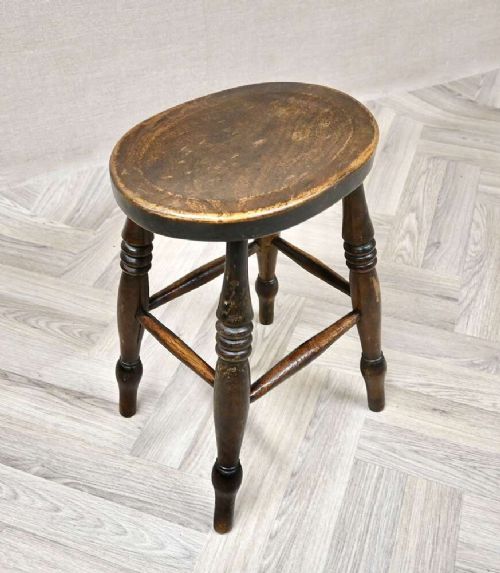
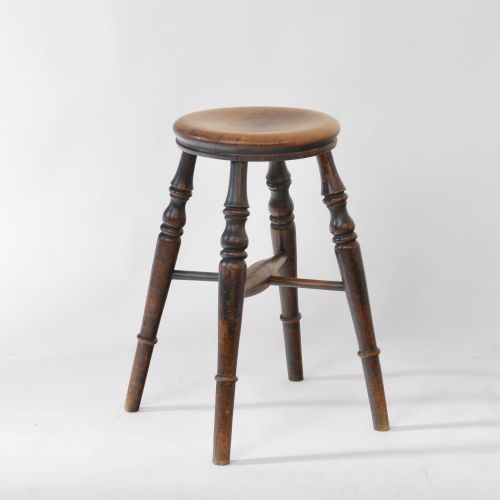
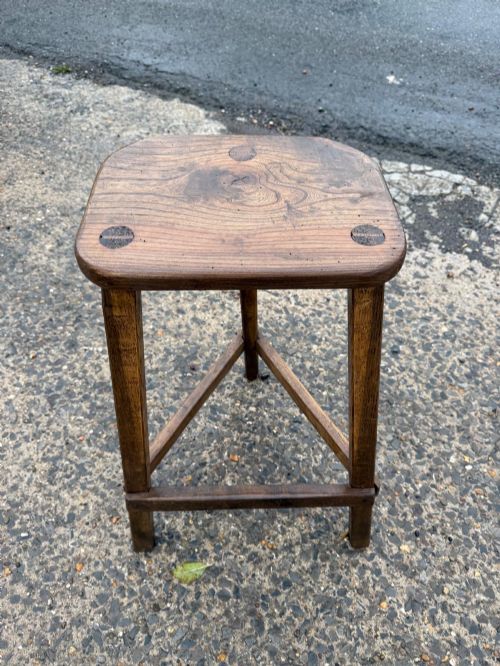
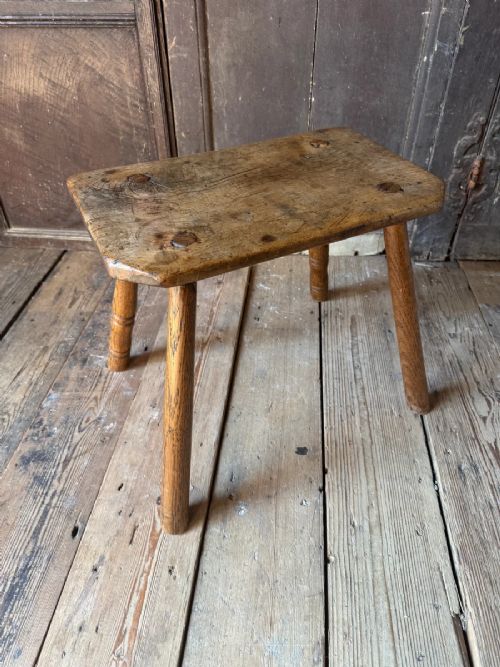
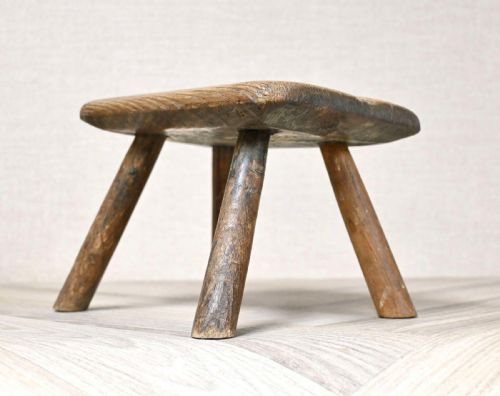
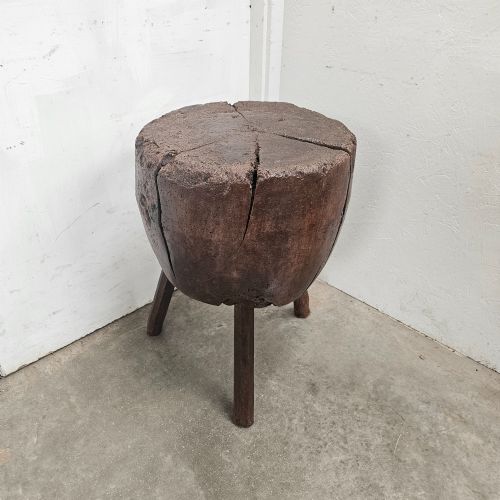
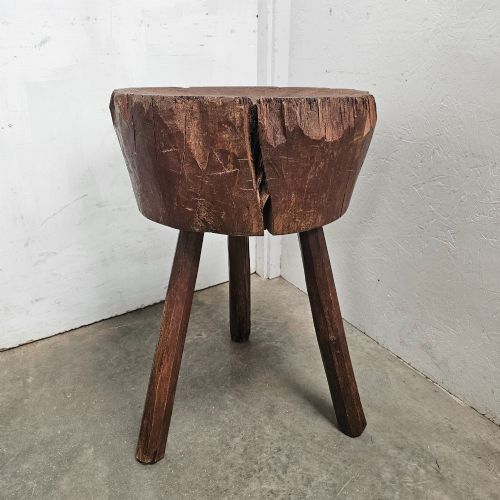
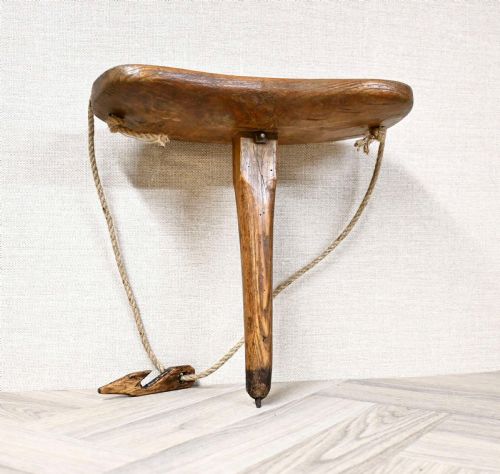
A brown timber country stool is a utilitarian seat shaped by regional trade, domestic labour, and farm life. These pieces serve functional roles, ranging from milking and hearth seating to artisan tasks in workshops.
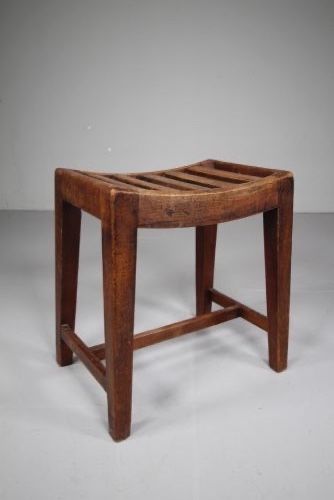
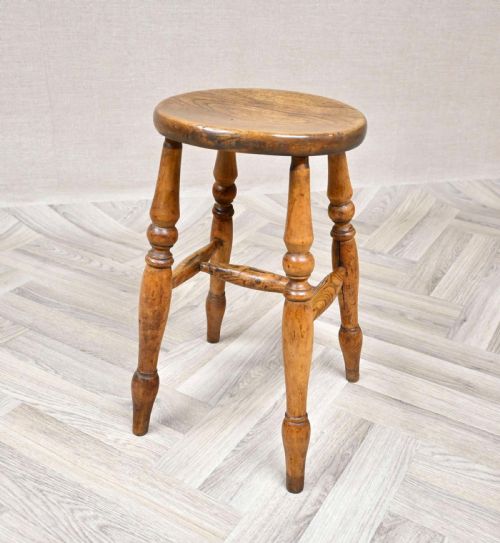
The versions most commonly met on this page span the eighteenth and nineteenth centuries, often manifesting as three-legged milking stools, windsor variants, or low vernacular seating. Their forms emerge from practical necessity rather than formal design ambition.
Makers utilise native hardwoods, yielding robust seating designed to withstand heavy daily use. The character of each object stems directly from this unpretentious working background.
Distinctions in quality and character
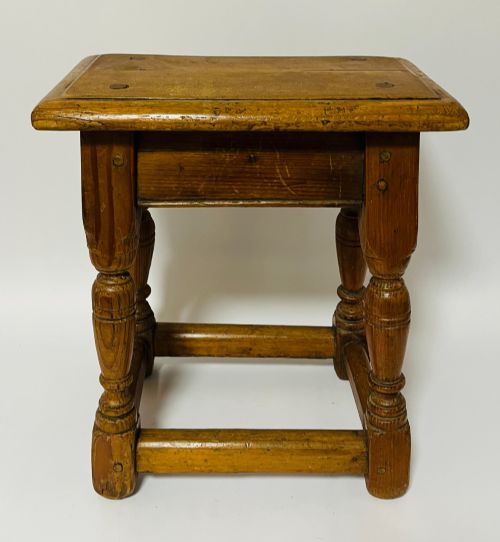
Quality rests in the harmony of proportion, the integrity of the timber, and the honesty of wear accumulated through generations of use. A well-proportioned stool displays balance in its turned or tapered legs and a seat carved with ergonomic consideration.
Lesser examples may suffer from unsympathetic replacement parts or uncharacteristic repairs that disrupt the historical cohesion of the piece. The finest pieces retain their original surface patination and structural sincerity without over-restoration.
Listings feature items dated from the seventeenth century through to the Edwardian period, constructed from oak, elm, ash, beech, and sycamore.
The Brown Timber Country Stool Glossary
- Vernacular
- An object designed and built by local craftspeople to fulfill a specific regional or domestic need, ignoring academic style. This term describes items shaped by tradition rather than contemporary fashion.
- Milking stool
- A low, typically three-legged seat designed for stability on uneven agricultural floors. The tripod construction ensures the seat remains firm on rough ground.
- Staked construction
- A method where legs are driven directly into bored holes in the underside of a solid wooden seat, often secured with wedges. This technique provides exceptional strength for heavy working use.
- Patina
- The surface sheen and colour developed by wood through age, handling, and exposure to light over centuries. It serves as a visual indicator of long-term use and care.
Brown Timber Country Stool: Frequently Asked Questions
How were these stools used?
These stools served practical domestic and agricultural functions, ranging from sitting by the hearth to milking cows or working at a trade bench.
Their robust construction allowed them to be moved easily around the farmhouse, workshop, or tavern as daily tasks required.
What woods are commonly found?
Makers utilised accessible native hardwoods including oak, elm, ash, beech, and sycamore.
These timbers were chosen for their strength, resilience, and local availability, ensuring the seating could endure heavy daily wear.
How do I date an antique stool?
Dating relies on observing tool marks, timber selection, construction methods, and the natural wear of the wood.
Eigteenth-century examples often display simpler, heavier hand-wrought joinery, while nineteenth-century pieces may incorporate lathe-turned components.
Can I use these stools daily?
These pieces were built for rigorous daily work and remain structurally suited for contemporary seating.
Placing them in a home simply continues their long history of practical service.