


Rustic Elm Table
A rustic elm table brings honest timber and centuries of utilitarian design straight into a modern interior.
Rustic Elm Table
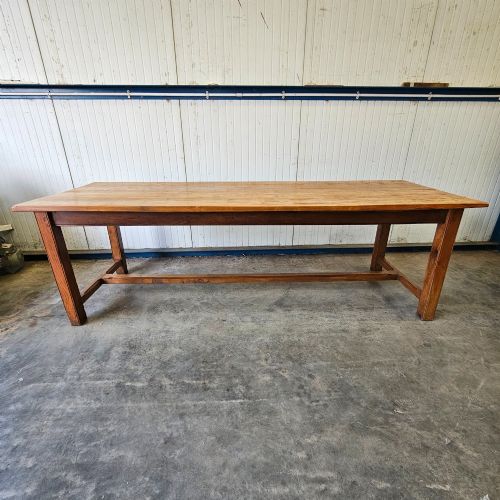
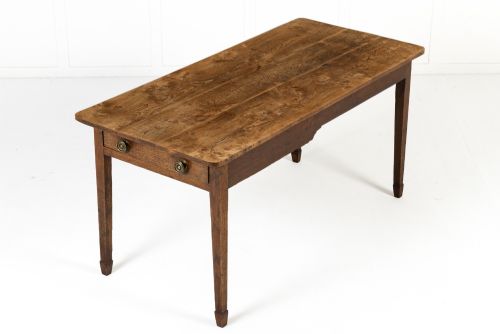
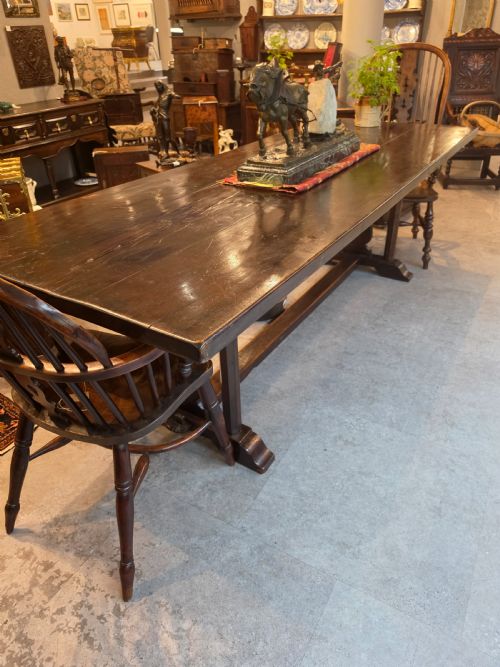
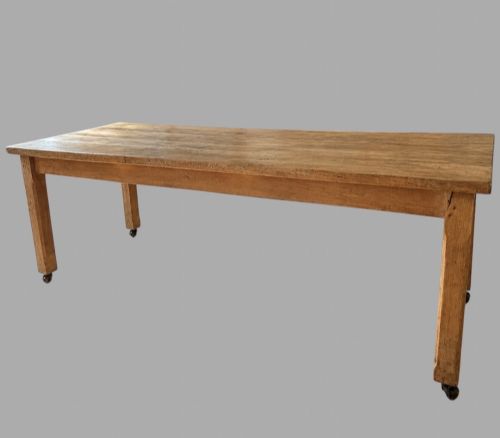
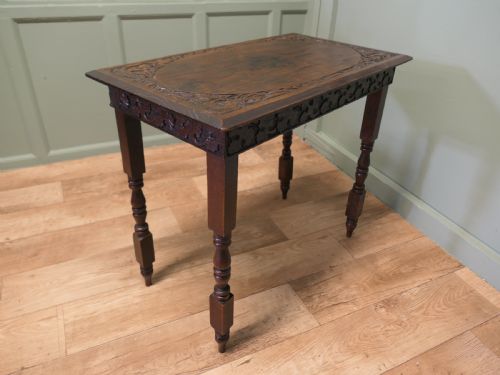
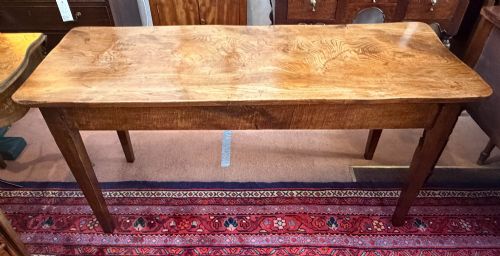
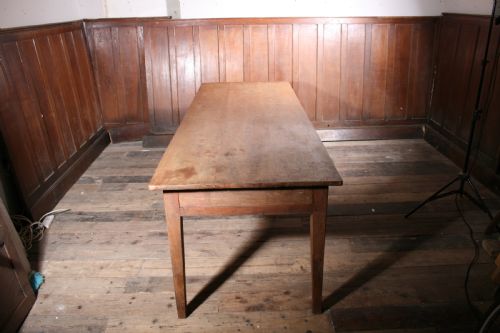
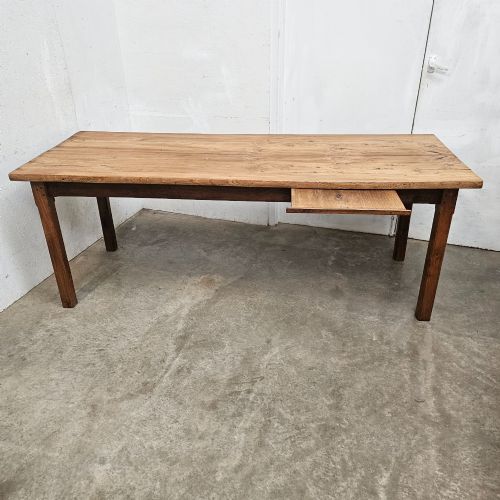
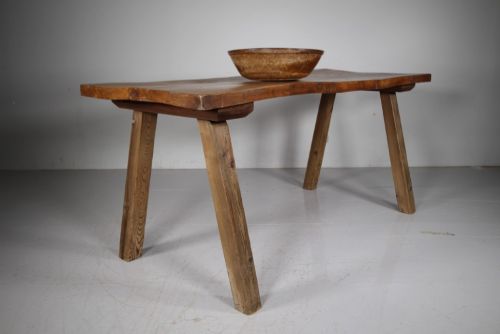
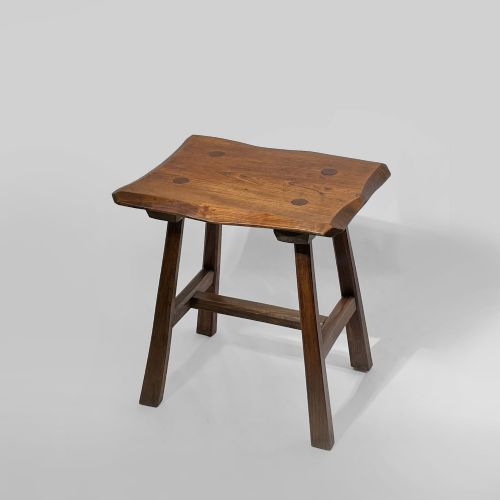
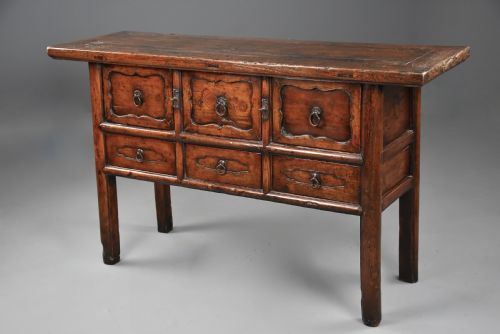
A rustic elm table is a piece of vernacular furniture built for everyday utility in kitchens, workshops and farmhouses across Europe and China. When you search for this phrase, you meet forms ranging from large refectory and harvest dining boards to small cricket tables, coffee tables, benches and chopping blocks.
The material identity rests firmly on the timber itself, often paired with oak, pine, fruit wood or iron. English, French, Spanish, Austrian and Chinese makers utilised the tough, interlocking grain of elm for surfaces that needed to withstand heavy daily labour without splitting.
Most examples you encounter date from the eighteenth and nineteenth centuries, though earlier seventeenth-century refectory designs and later nineteenth-century pieces appear regularly. These tables carry the marks of their original rural workrooms, showing plain construction methods suited to practical country life.
How they were made
Makers constructed these tables from solid timber planks, frequently selecting single-board or two-board elm tops supported by sturdy hardwood frames of oak or pine. The characteristic grain and gnarled growth patterns of elm required careful sawing and jointing by country carpenters who prioritised structural resilience over fine cabinet-making.
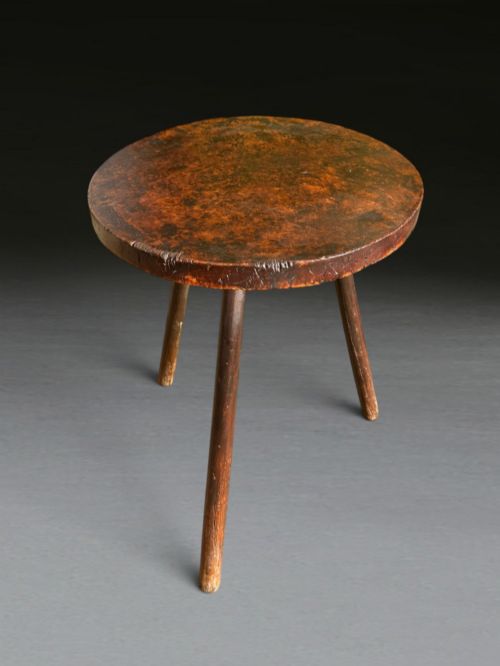
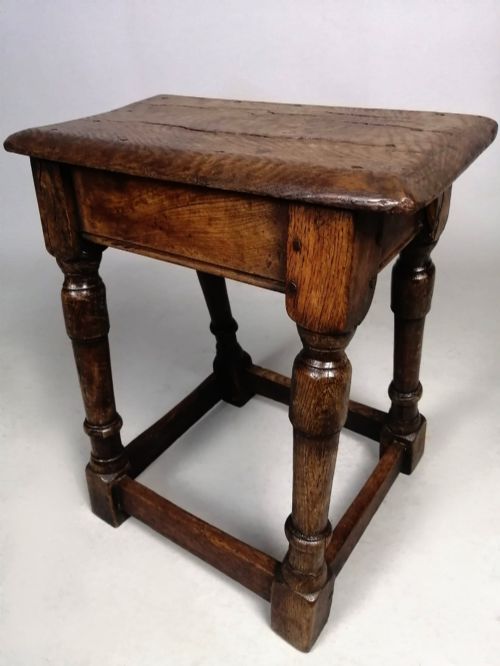
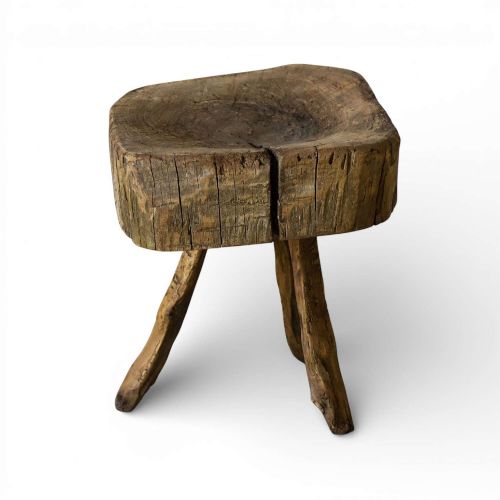
Legs and stretchers were often turned or shaped from local hardwood and fastened with pegged mortise and tenon joints. Iron brackets, braces and nails appear on French bistro pieces and workbenches, while occasional tables and cricket tables rely on tripod or splayed leg configurations for stability on uneven flagstone floors.
Rustic Elm Table Retail Price Guide 2026
Typical asking prices for rustic elm table among the pieces listed under this phrase on Sellingantiques today, from the lower quarter to the upper quarter. They describe what is for sale here now, not the wider market.
Listings feature 17th Century, 18th Century, Georgian, Victorian, and Edwardian periods alongside materials such as elm, oak, pine, brass, and iron.
What varies in quality
Quality in a rustic elm table lies in the integrity of the timber top and the honesty of its original structure. Tables featuring single plank elm surfaces or boards with deep, untouched patinas sit at the upper end of the scale compared to heavily restored or patched tops.
Proportion and stance dictate the character of the piece, with well-balanced legs and original unpainted finishes commanding greater appreciation. The distinction between a standard utility board and a superior example rests in the depth of the surface wear and the retention of authentic vernacular joinery.
The Rustic Elm Table Glossary
- Refectory table
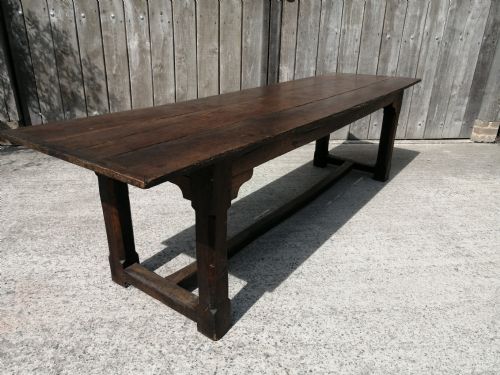
- A long, narrow dining table originally built for communal dining in monasteries or large country houses. These pieces often feature stretcher rails running close to the floor between sturdy legs.
- Cricket table
- A small, lightweight three-legged table with a round top, traditionally used in country cottages. The tripod design ensured stability on uneven floors.
- Patina
- The deep sheen and surface character developed through decades of handling, cleaning and use. This quality distinguishes genuine antique timber from modern reproductions.
- Vernacular style
- Furniture designed and built by local craftsmen using regional materials for practical everyday functions rather than following formal academic design rules.
- Single plank top
- A tabletop fashioned from one wide board cut from a mature tree. This feature is particularly prized in large elm farmhouse and refectory tables.
Rustic Elm Table: Frequently Asked Questions
How do I clean a rustic elm table?
Wipe the surface gently with a slightly damp cloth to remove everyday dust and debris. Avoid harsh chemical cleaners or modern polishes that can strip the dry, historic finish of the timber.
Feed the dry wood occasionally with traditional beeswax to protect the grain without creating an artificial gloss. Regular, gentle maintenance preserves the natural texture built up over centuries of use.
Are these tables suitable for daily dining?
These pieces were originally built for hard kitchen and farmhouse work, making them exceptionally durable for modern family meals. Their robust timber construction handles daily use with ease.
Use protective mats under hot dishes and drinks to safeguard the historic surface from moisture rings. Embracing existing marks allows the table to continue accumulating its working history.
How do I identify an eighteenth-century elm table?
Look closely at the construction joints, timber fixings and tool marks left by the original carpenter. Eighteenth-century examples typically display hand-sawn boards, pegged joinery and deep, time-worn patinas.
Compare the proportions and wood selection against known regional styles like Georgian country or French provincial pieces. Variations in colour and grain structure help confirm the age and origin of the timber.
Why is elm wood used for these tables?
Elm possesses a notoriously interlocking, twisted grain that makes it exceptionally resistant to splitting and cracking under heavy impact. This toughness made it the primary choice for chopping blocks, milking stools and hardworking farmhouse surfaces.
Country carpenters valued its ability to withstand constant scrubbing and physical labour without failing. That same resilience ensures the timber survives intact centuries after its initial creation.