
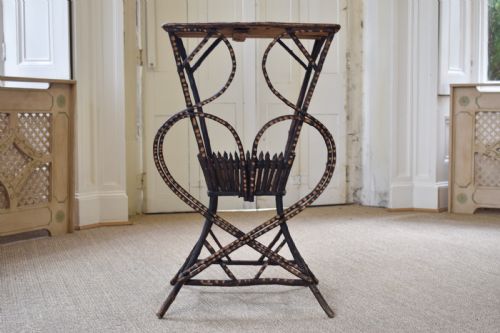

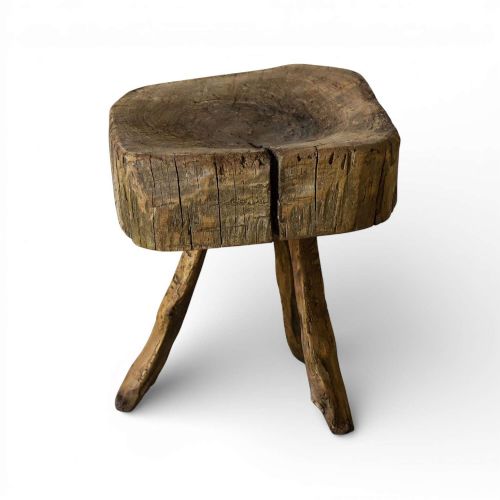
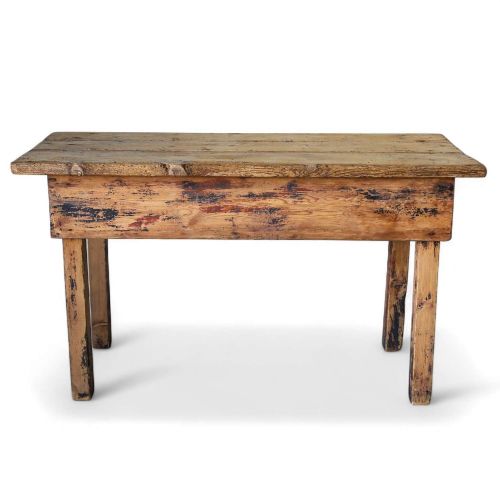
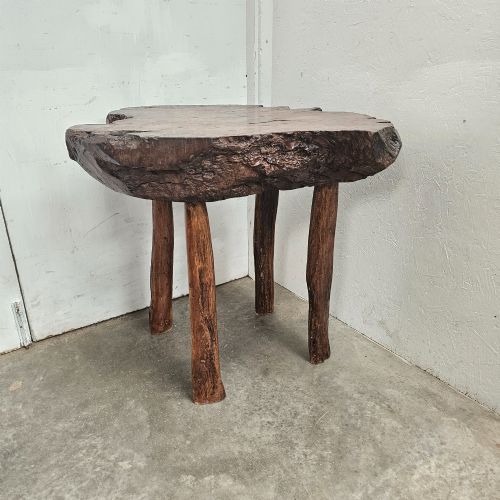


Natural Wood Side Table
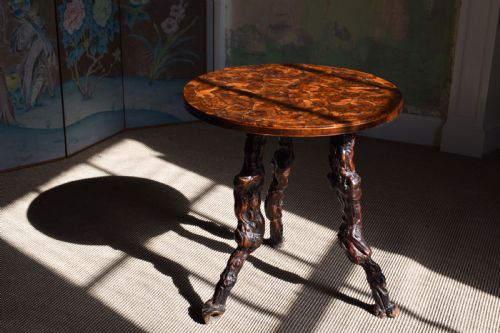
Natural wood side table examples bring tactile warmth and honest grain to a room through centuries of utilitarian craft.
Natural Wood Side Table
How They Were Made
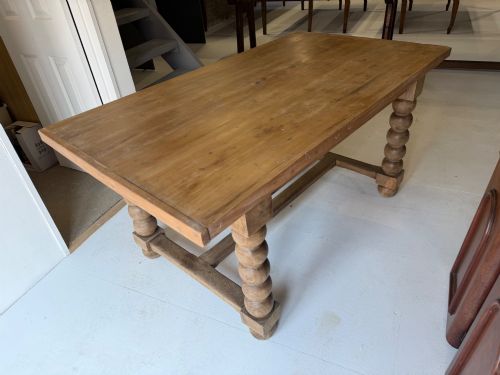
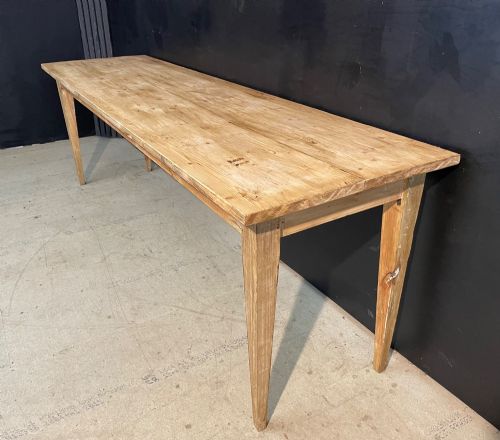
Joinery on these tables relies on traditional methods suited to solid hardwoods and softwoods like pine, ash, and sycamore. Carpenters shaped timber using hand tools to create sturdy frames, trestles, and legs that could withstand heavy daily labour.
Natural Wood Side Table Retail Price Guide 2026
Typical asking prices for natural wood side table among the pieces listed under this phrase on Sellingantiques today, from the lower quarter to the upper quarter. They describe what is for sale here now, not the wider market.
The listings feature nineteenth and early twentieth century pine, elm, and oak pieces spanning French provincial, rustic farmhouse, and folk art styles.
What Varies in Quality
Quality rests in the integrity of the original construction and the character of the timber itself. Pieces displaying honest patination from decades of honest service hold greater visual weight than sterile replacements.
The distinction lies in the balance between utilitarian function and thoughtful regional design. Tables retaining their original untreated surfaces and uncompromised structural joints demonstrate superior historical survival.
The Natural Wood Side Table Glossary
- Cricket table
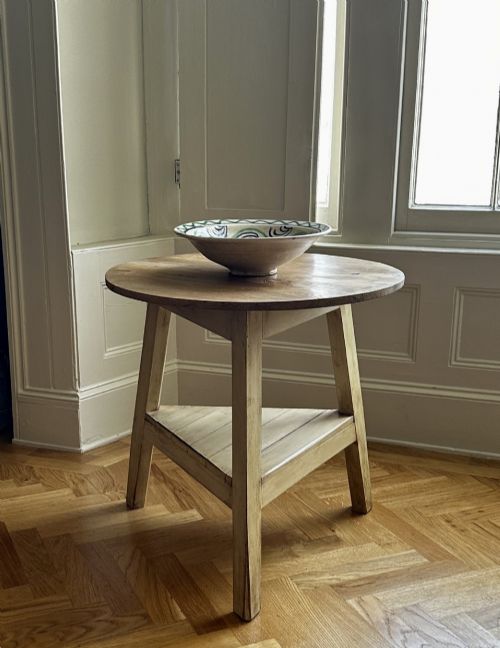
- A small three-legged round table with a triangular base, traditionally used beside the hearth in rural homes. This stable vernacular form prevented wobbling on uneven stone floors.
- Chopping block
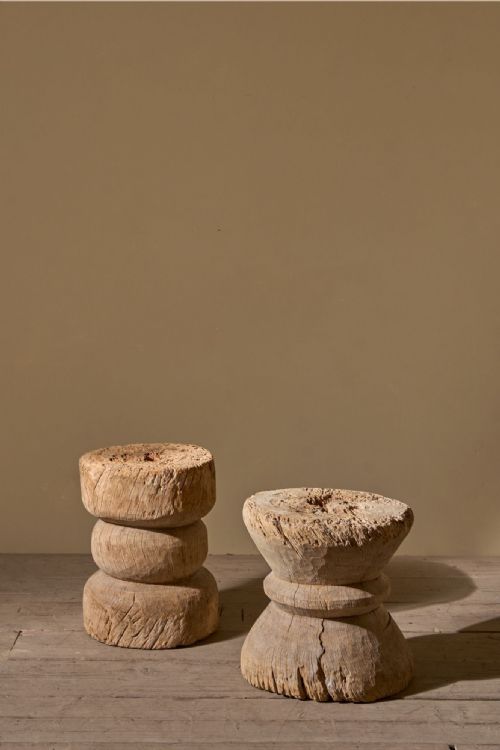
- A heavy timber work surface designed for food preparation and butchery. These dense blocks of elm or pine bear the deep cuts and marks of daily kitchen use.
- Vernacular
- Architecture and furniture built by local artisans using regional materials for everyday needs. These items prioritise direct utility over academic stylistic trends.
- Trestle table
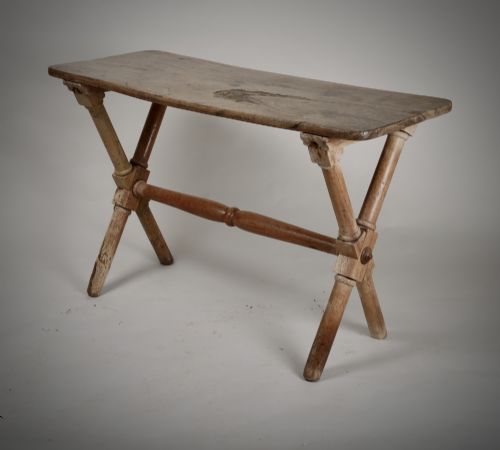
- A table consisting of two or more support frames connected by a horizontal beam. This ancient form provides sturdy support for heavy tops without obstructing seating.
- Live edge
- A type of furniture design that incorporates the natural outer edge of the tree into the piece. This treatment highlights the organic contours of the timber.
Natural Wood Side Table: Frequently Asked Questions
What is a cricket table?
A cricket table is a traditional three-legged round table featuring a triangular lower frame. The design provided stability on uneven farmhouse floors.
These compact pieces served beside hearths for various domestic tasks before becoming sought-after decorative accents.
How do I clean an old pine table?
Cleaning historic pine requires gentle methods that preserve the aged surface and dry timber patina. Harsh chemical strippers strip away the character built over centuries of use.
Light dusting and occasional soft waxing maintain the natural appearance without damaging the historic wood fibres.
What timber was used for rustic tables?
Makers utilised whatever regional hardwoods and softwoods grew locally, most commonly pine, elm, oak, and ash. Sycamore and beech also appear frequently in European vernacular furniture.
The choice of timber depended entirely on local availability and the specific load-bearing requirements of the table.
How can I tell a provincial table's age?
Dating relies on observing tool marks, construction joints, and the natural wear accumulated across the timber surfaces. Hand-sawn boards and traditional peg joinery indicate earlier periods of manufacture.
Comparison with documented regional styles helps place pieces within nineteenth or early twentieth century traditions.