
Rustic Pine Desk
A rustic pine desk brings honest utility and warm grain to a workspace, offering a sturdy surface shaped by decades of honest work.

What a rustic pine desk is
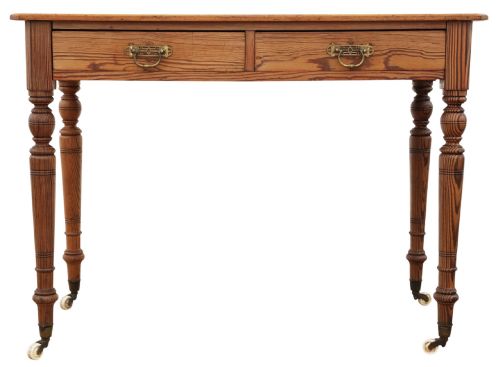
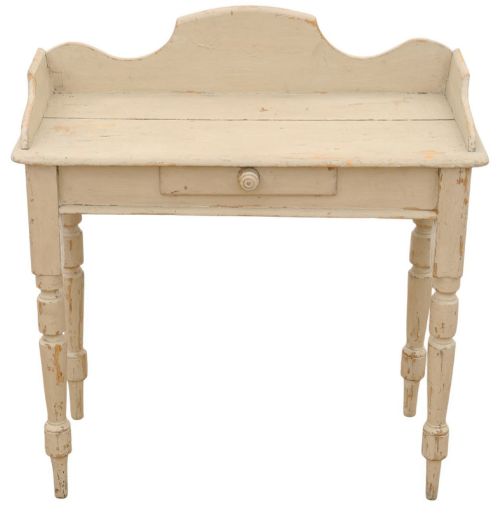
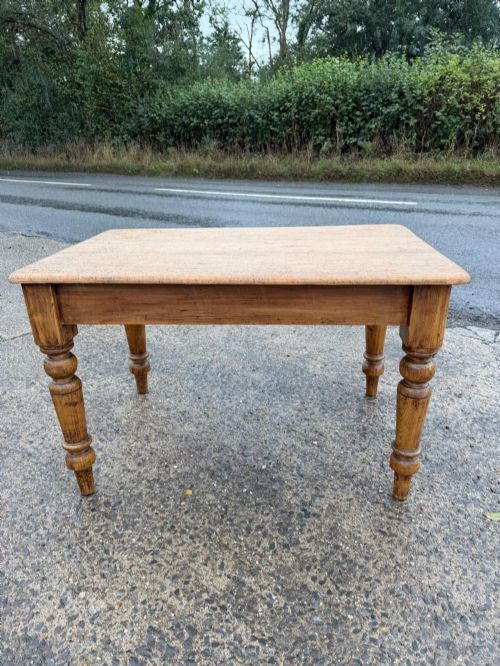
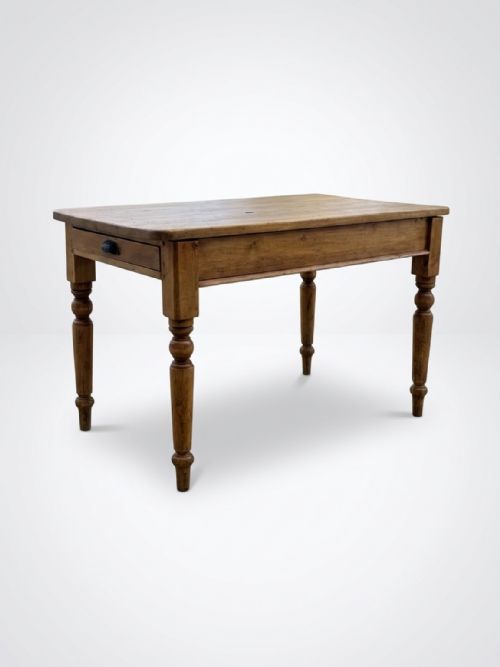
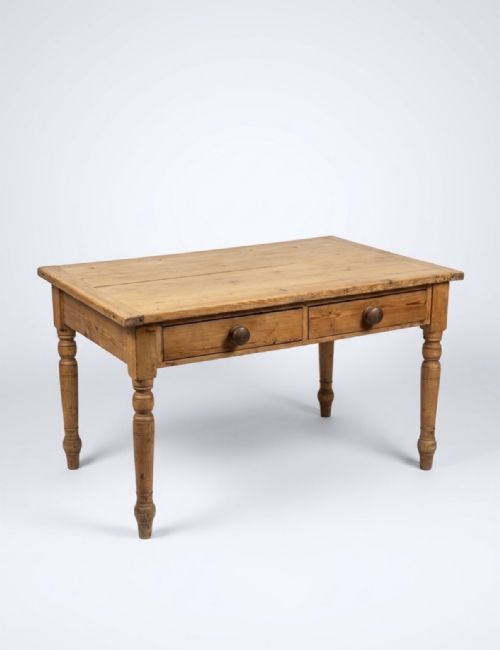
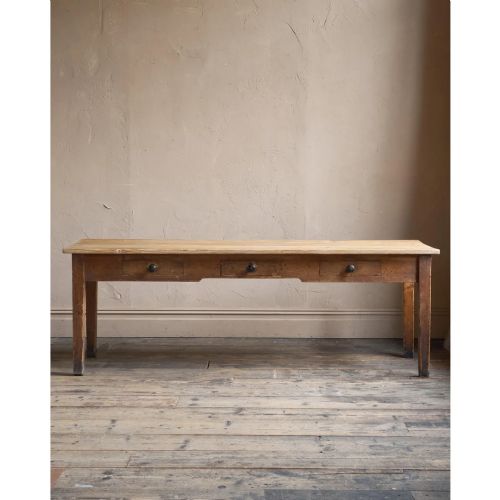
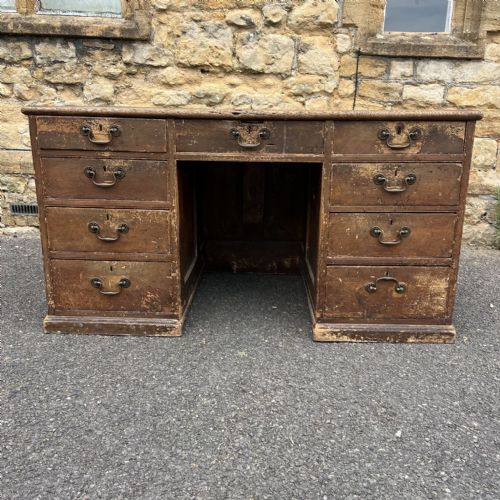
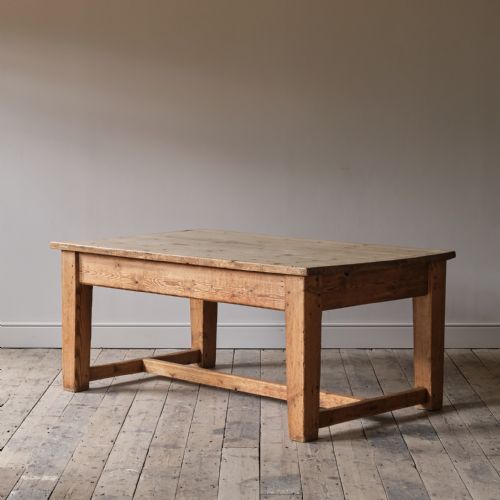
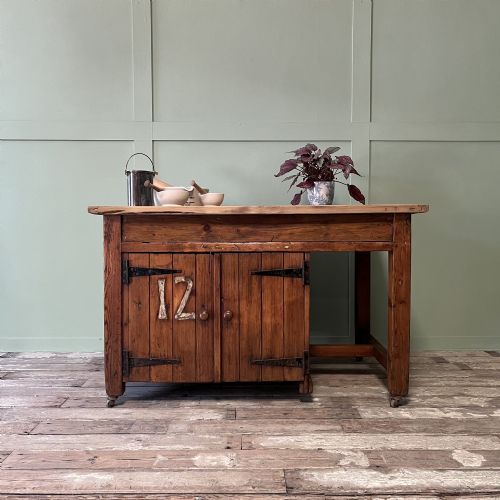
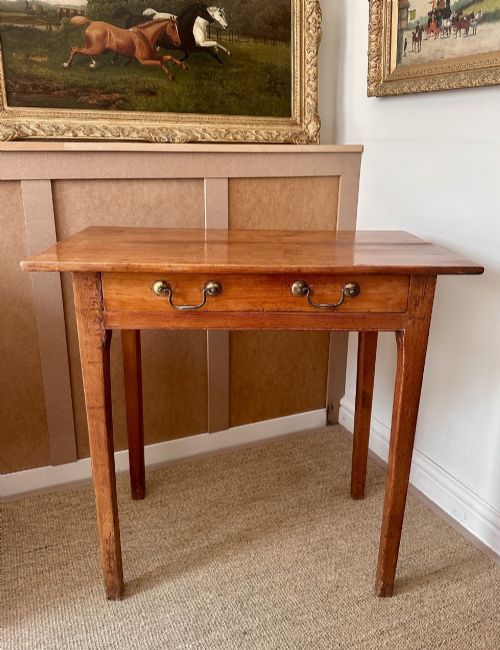
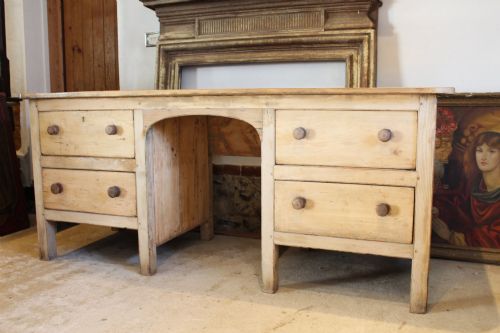
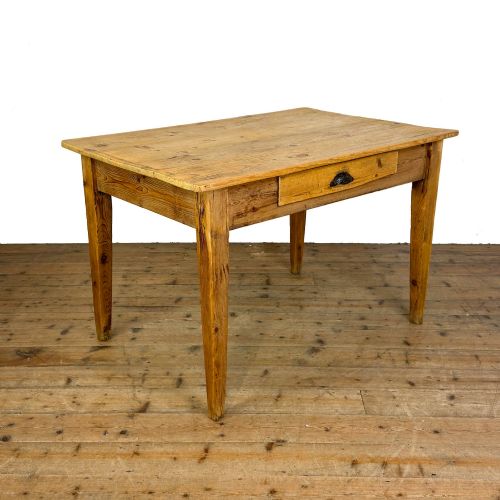
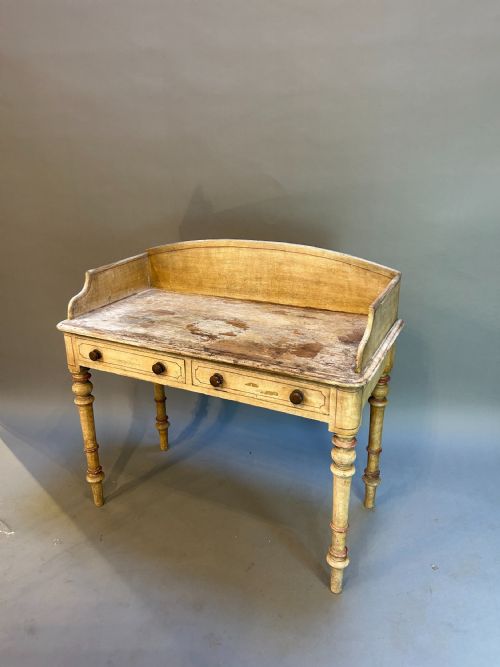
A rustic pine desk serves as a practical workspace, built from durable softwood with a character shaped by age and daily use. These pieces range from simple writing tables and side tables to large panelled office desks, clerks' desks, and pedestal formats.
The versions most commonly found across these listings date from the nineteenth century into nineteen hundred. They appear in styles such as Victorian, Victorian country, and Scandinavian country, reflecting straightforward regional forms.
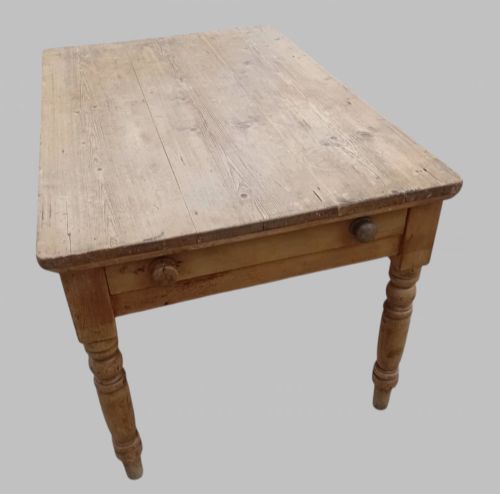
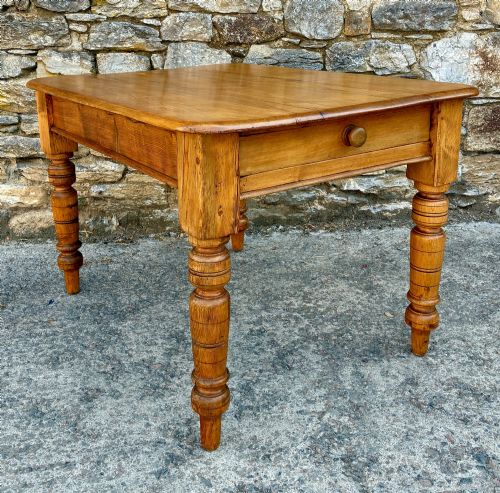
Some examples combine the desk with practical seating, or arrive prepared for a wax or paint finish. The timber shows varied tones, often enhanced by historical surfaces or scraped paint finishes.

How a rustic pine desk was made
Makers utilised solid pine and pitch pine for the primary construction of these desks, relying on sturdy timber boards for tops and panels. The robust nature of softwood allowed workshops to build functional furniture intended for heavy daily service in offices, schools, and homes.
Hardware elements such as brass handles and iron fittings complete the construction, securing drawers and compartments. Selected pieces also incorporate inset leather writing surfaces or glass elements where appropriate for the desk type.
Retail Price Guide 2026
Typical UK retail prices for rustic pine desk, calculated from the Sellingantiques database of over a million retail prices indexed since 2003. This retail price guide relies exclusively on Sellingantiques data; no external sources or auction records are used, so the figures do not describe the wider market.
What varies in quality
Quality in these desks rests upon the integrity of the timber selection and the retention of original structural form. Heavier pieces like pedestal and panelled office desks demand superior joinery to support large working surfaces over generations.
The preservation of an authentic surface finish, whether a scraped Scandinavian paint layer or a mellow wax patina, dictates the visual appeal of the piece. Simpler side tables and writing desks distinguish themselves through honest proportions and uncompromised structural timber.
The Rustic Pine Desk Glossary
- Pitch pine
- A dense variety of pine noted for its prominent grain and resinous content, frequently used for durable nineteenth-century furniture.
- Kneehole desk
- A configuration featuring a central recess for the user's legs, flanked by banks of drawers or cupboards.
- Clerks desk
- A traditional sloped or flat-topped working table designed for standing or seated administrative tasks.
- Scraped pine
- A descriptive term for furniture where layers of old paint have been partially removed to reveal the aged wood beneath.
Frequently Asked Questions
How do I care for a pine desk?
Clean the surface gently using a soft, dry cloth to remove dust without disturbing the historic wax or timber. Avoid excessive moisture and direct heat sources to keep the softwood stable.
Apply a traditional beeswax periodically if the wood appears dry, buffing it gently to maintain a soft sheen. This preserves the character of the grain over years of daily use.
Are these desks suitable for daily work?
These pieces were originally built for practical administration, making them well-suited for modern laptop or writing use. Their sturdy construction provides a reliable surface for daily tasks.
Check the height and legroom dimensions carefully before purchase, as older working tables often feature lower clearances than modern office furniture.
What is the difference between pine and pitch pine?
Standard pine offers a lighter weight and softer grain pattern, often seen in domestic country furniture and painted side tables. It is responsive to traditional waxing and finishing techniques.
Pitch pine contains higher resin levels and displays a striking, highly figured grain pattern. This denser material was selected for heavy-duty institutional and commercial desks requiring extra strength.
How can I tell the age of a desk?
Examine the construction methods, tool marks on the timber, and the type of hardware used on drawers and framing. Nineteenth-century examples often feature hand-cut joints and period brass or iron fixtures.
The overall wear patterns and the depth of the patina provide clear clues to the age and working history of the piece.