

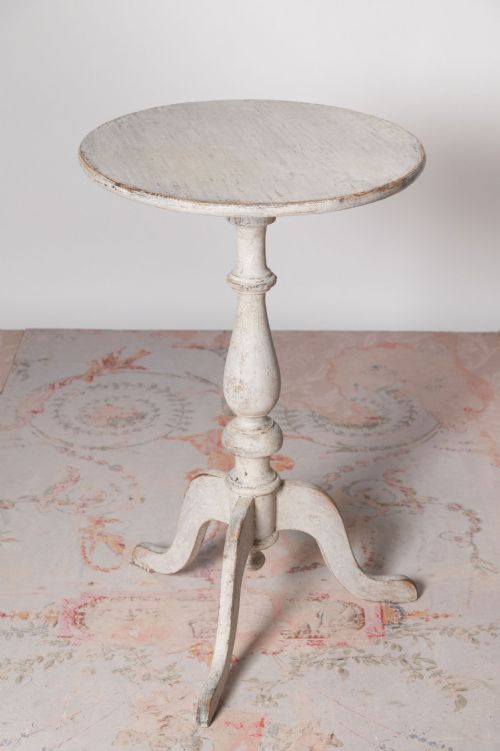


Gustavian Style Table
A gustavian style table brings pale painted surfaces and restrained neoclassical lines from Scandinavian interiors straight into modern rooms.
Gustavian Style Table
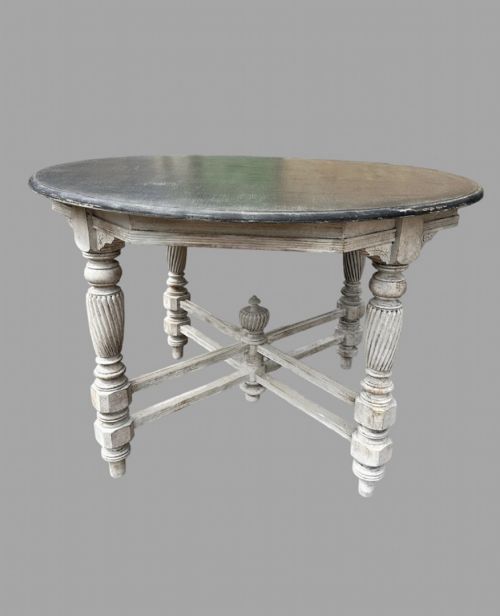
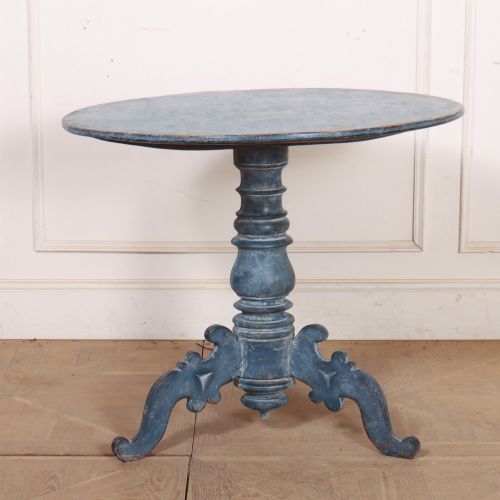
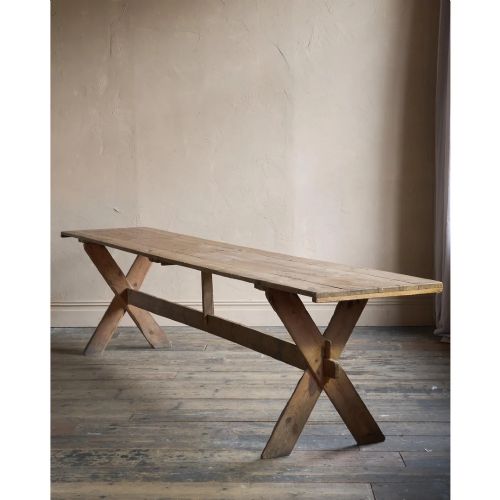
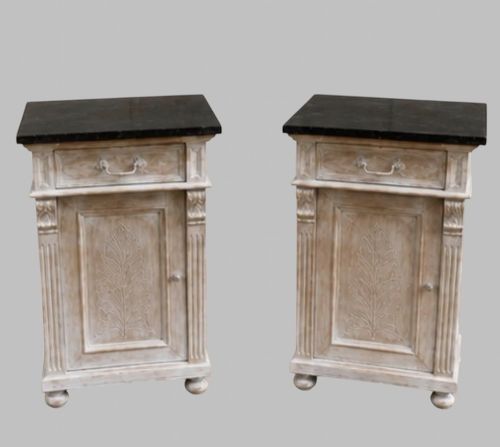
When you search for a gustavian style table, you encounter practical furniture originating primarily from Sweden across the eighteenth and nineteenth centuries, alongside later revivals up to the Edwardian period. The selection on this page spans dining tables, console tables, lamp tables, and side tables designed for domestic use.
You are most likely to meet painted pine side tables and demi-lune console tables from the nineteenth century. These forms adapt easily to contemporary hallways and living spaces while retaining their distinct Scandinavian country character.
Materials and Construction
Cabinetmakers built these pieces using readily available timber such as pine and general wood, applying gesso to create smooth surfaces for decorative schemes. Artisans then finished the surfaces with layered paint, often achieving patinated or scraped finishes over time.
Structural elements occasionally incorporate brass details or marble tops, particularly on console and occasional forms. The construction relies on traditional joinery suited to domestic dining and display tables.
Several tables arrive with drop leaves and gate legs, ready to expand whenever unexpected guests stay for dinner.
Evaluating Quality
Quality rests in the integrity of the painted surface and the subtlety of the proportions, distinguishing deliberate neoclassical restraint from heavier rustic interpretations. The depth of the underlying timber preparation and the restraint of the carved details determine the refinement of the piece.
The relationship between the scale of the table and its original function defines its standing. Pieces with well-preserved painted finishes retain a sharper decorative clarity than those with later or heavy-handed re-painting.
The Gustavian Style Table Glossary
- Demi-lune
- A half-moon shape commonly used for console tables designed to sit flush against a wall.
- Gesso
- A plaster-like mixture applied to wood surfaces as a smooth base for painting and gilding.
- Slagbord
- A traditional Scandinavian drop-leaf dining table supported by swinging gate legs.
- Scraped pine
- Wood surfaces stripped back to reveal the original grain and early layers of historical paint.
- Neoclassical
- A style drawing inspiration from classical antiquity, marked by symmetry and restrained ornament.
Gustavian Style Table: Frequently Asked Questions
What is a gustavian style table?
A gustavian style table is a piece of Scandinavian furniture influenced by the neoclassical tastes of King Gustav III of Sweden during the late eighteenth century. These tables typically feature light painted finishes and clean architectural lines.
They range from large kitchen and dining tables to small occasional and bedside tables, reflecting both royal French inspiration and practical Swedish craftsmanship.
How do I use a console table?
Console tables are designed to stand flat against a wall, making them ideal for narrow hallways, entryways, or living rooms. Their shallow depth allows them to fit into spaces where standard tables would block movement.
Many examples feature demi-lune shapes that tuck neatly into corners or serve as decorative surfaces beneath mirrors and artwork.
How do I care for a painted table?
Painted antique tables require gentle maintenance to preserve their historic surfaces. Keep them out of direct sunlight and away from direct heat sources to prevent the wood and paint from drying out.
Clean the surface using a soft, dry cloth and avoid harsh chemical cleaners or excess moisture that could damage the paint layers.