


Antique Pitch Pine Furniture
Antique pitch pine furniture brings dense, resinous timber and robust Victorian utility into modern domestic spaces.

Antique Pitch Pine Furniture
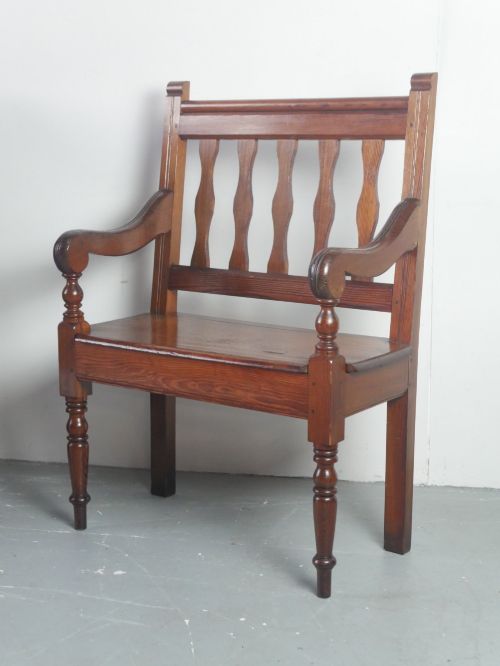
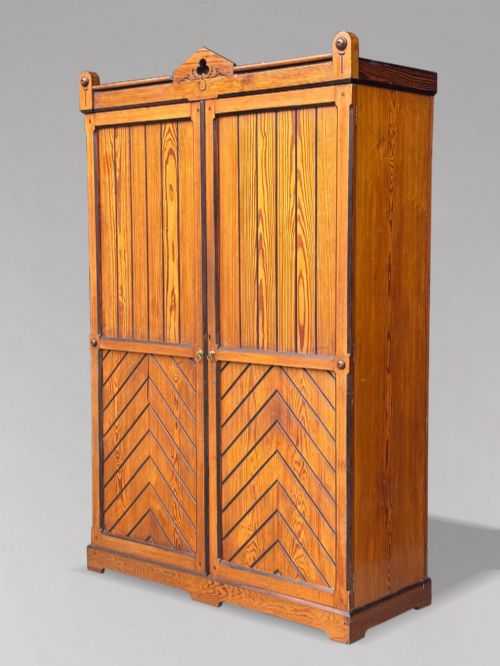
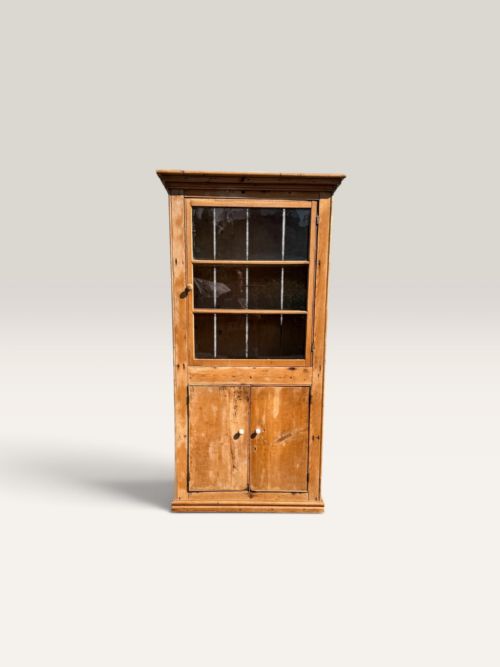
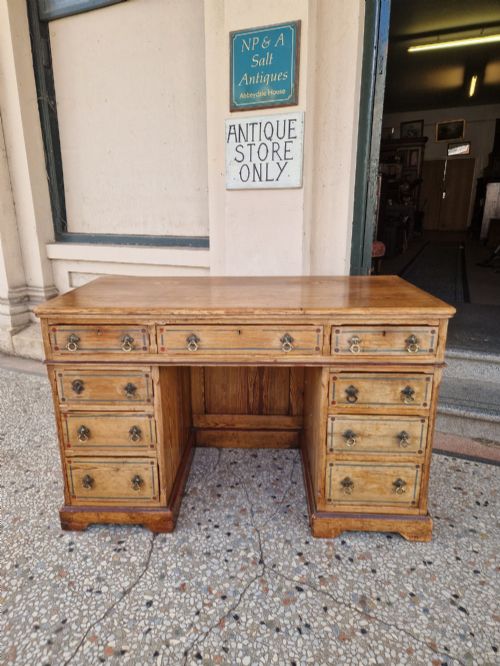
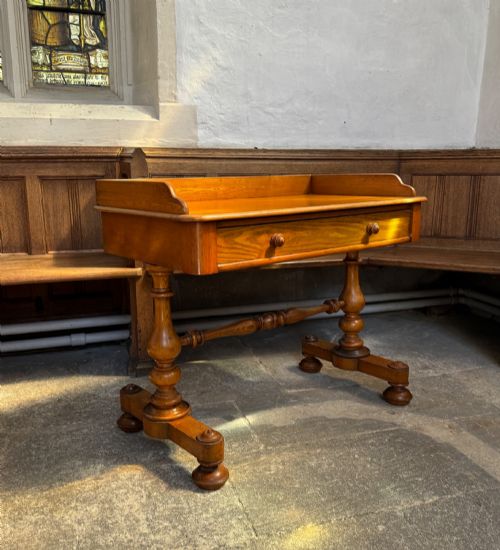
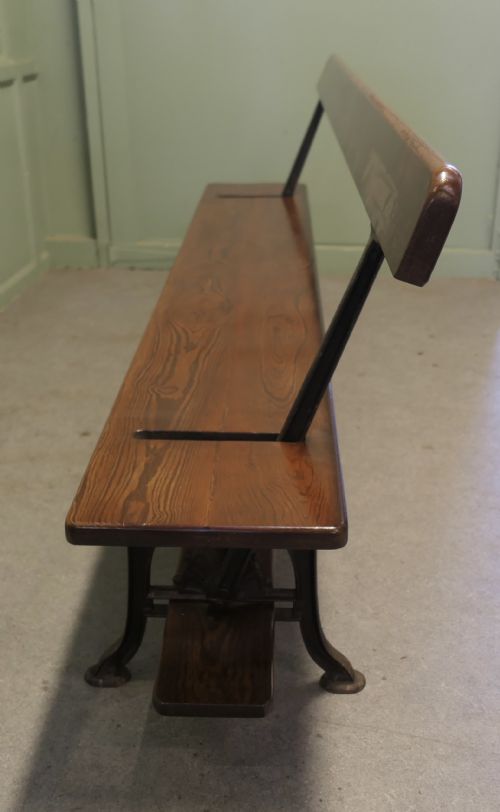
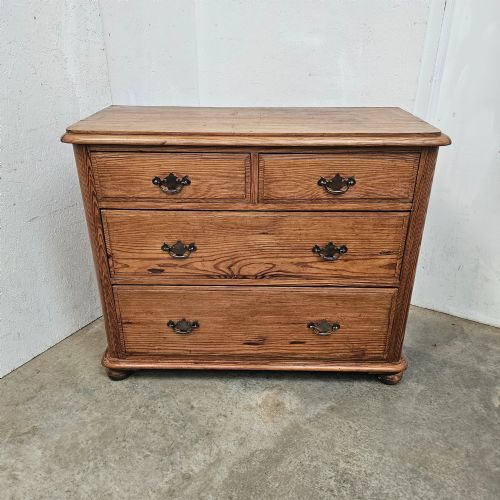
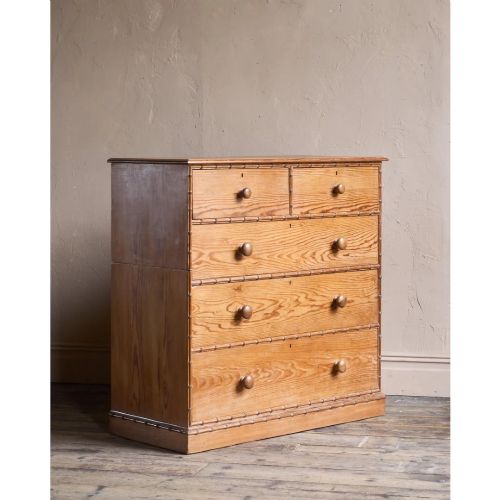
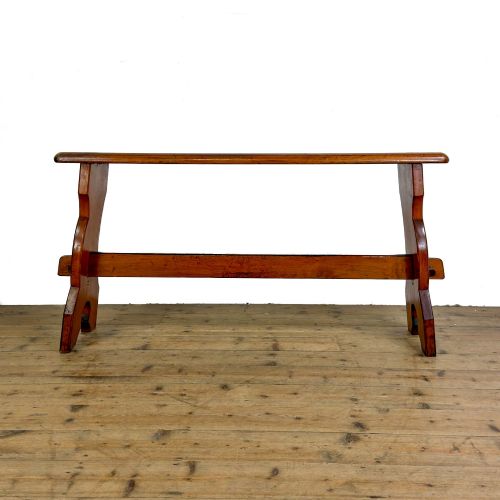
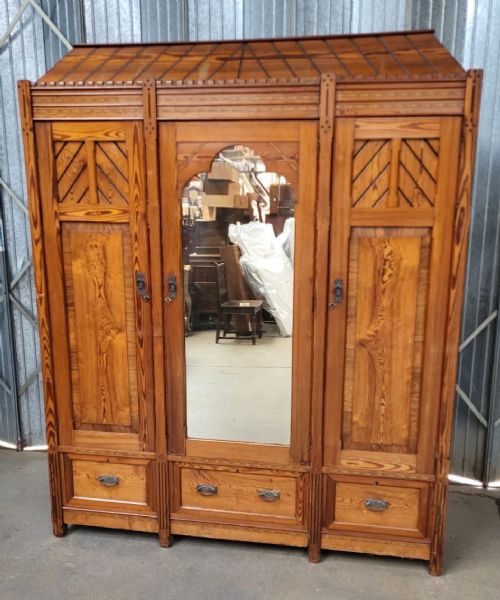
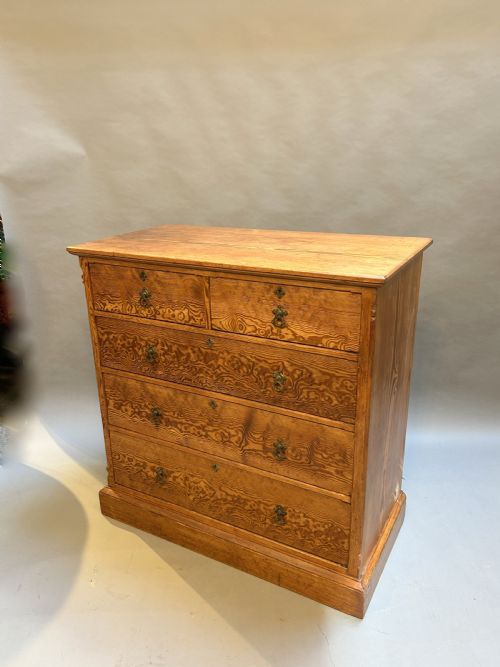
Antique pitch pine furniture encompasses a range of domestic, ecclesiastical and institutional forms produced primarily during the Victorian era and the early twentieth century. Buyers seeking antique pitch pine furniture will encounter substantial storage pieces, seating and tables shaped by utilitarian demands.
The material's native strength suited heavy-use items, resulting in surviving wardrobes, chests of drawers, desks and benches. Pieces often bear the hallmarks of institutional or regional workshops, spanning simple country designs to Gothic Revival and Arts and Crafts expressions.
Assessing Quality and Execution
Quality in these pieces rests on the grain configuration of the pitch pine and the precision of the underlying joinery. Tighter, more uniform growth rings indicate superior timber selection, while coarser grain patterns appear in more utilitarian items.
Execution of detail separates standard institutional furniture from finer domestic examples. The presence of thoughtful flourishes like inlaid decoration, ebonised mouldings or well-fitted hardware distinguishes bespoke craftsmanship from mass-produced workshop output.
The inventory spans the nineteenth and early twentieth centuries, including Gothic Revival, Arts and Crafts, and Aesthetic Movement design styles.
Howard and Sons
The Antique Pitch Pine Furniture Glossary
- Pitch Pine
- A durable North American pine species characterised by a high resin content and strong, prominent grain patterns. It became widely used in British furniture and joinery during the nineteenth century.
- Wellington Chest
- A tall, narrow chest of drawers secured by a locking vertical side flap that bars access to the drawers. This form was popular for secure storage in studies and bedrooms.
- Gothic Revival
- An architectural and decorative style drawing inspiration from medieval forms, featuring pointed arches, tracery and heavy proportions. It heavily influenced Victorian ecclesiastical and domestic furniture.
- Campaign Chest
- A modular chest of drawers designed to dismantle into sections for transport by military officers or travellers. These pieces typically feature recessed brass handles and corner brackets.
- Pew
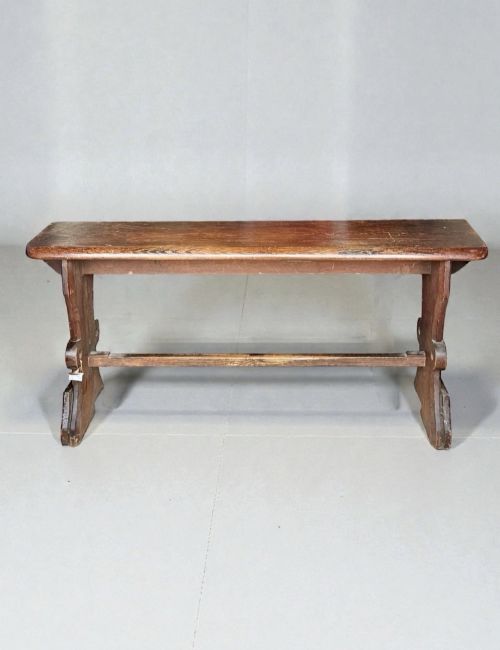
- A long wooden bench traditionally used for seating in churches and chapels. Many surviving examples are constructed from pitch pine and repurposed for domestic hallways.
Antique Pitch Pine Furniture: Frequently Asked Questions
What is pitch pine?
Pitch pine is a durable North American softwood known for its high resin content, strength and prominent linear grain. It was imported in substantial quantities during the Victorian period for heavy-duty furniture and architectural joinery.
The high resin makes the timber heavier and harder than standard pine, giving antique pieces exceptional resilience against wear. Over time, exposure to light deepens the natural amber tones of the wood.
How do I care for pitch pine?
Maintain pitch pine furniture by dusting regularly with a dry cloth and avoiding placement near direct heat sources. Excessive temperature changes can cause the resin-rich wood to dry out or split.
Applying a traditional beeswax polish occasionally will nourish the surface and enhance the grain without building up heavy chemical residues. Avoid silicone-based sprays, which can permanently alter the porous nature of the timber.
Were these pieces painted originally?
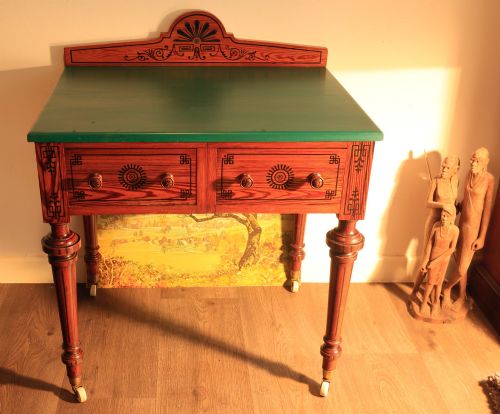
While most pitch pine furniture was finished to highlight the natural grain, some items received painted treatments. Institutional and utilitarian pieces were often painted for protection or cleanliness.
Surviving paint finishes add character and provide evidence of a piece's working history, particularly on garden or workshop benches. Buyers should inspect the paint layers to determine whether the finish is original or a later addition.
How do I distinguish Gothic Revival pieces?
Gothic Revival furniture is identified by architectural motifs such as pointed arches, quatrefoils, heavy chamfered edges and structural honesty. These elements reflect a nineteenth-century fascination with medieval design.
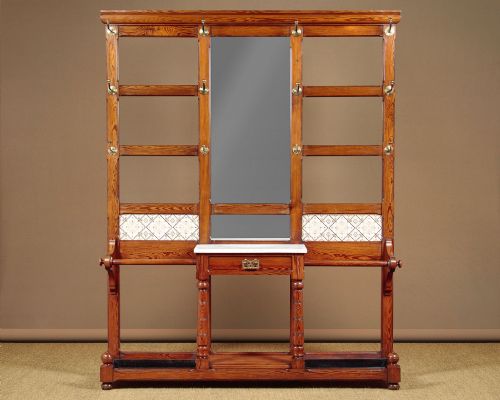
In pitch pine, the style often manifests in ecclesiastical seating, hall stands and cupboards with severe lines and imposing proportions. The timber's strong grain complements the stark, geometric nature of Gothic ornamentation.