





Honey Pine Writing Desk
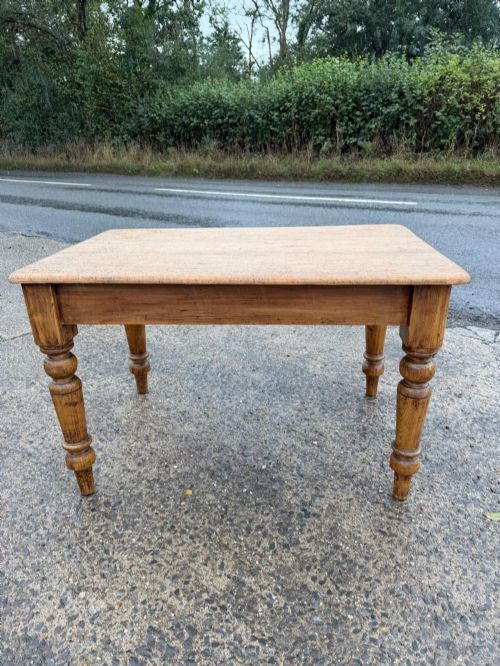
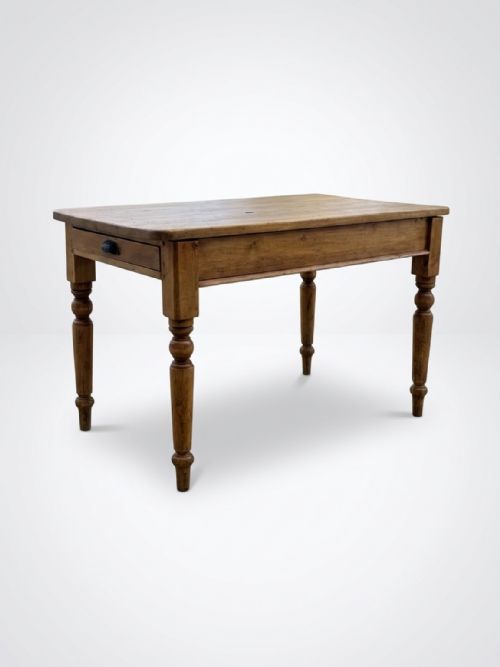
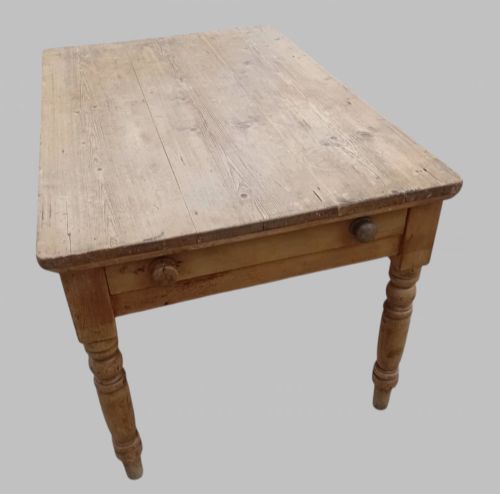
A honey pine writing desk brings warmth and practical utility to a room, offering a tactile workspace built from enduring softwood.

Honey Pine Writing Desk
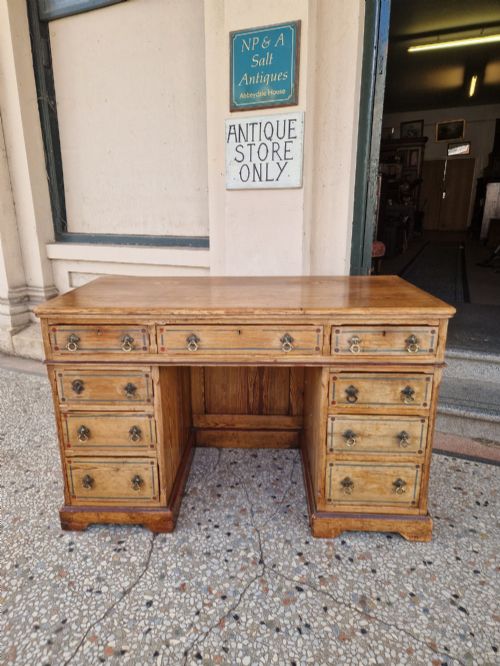
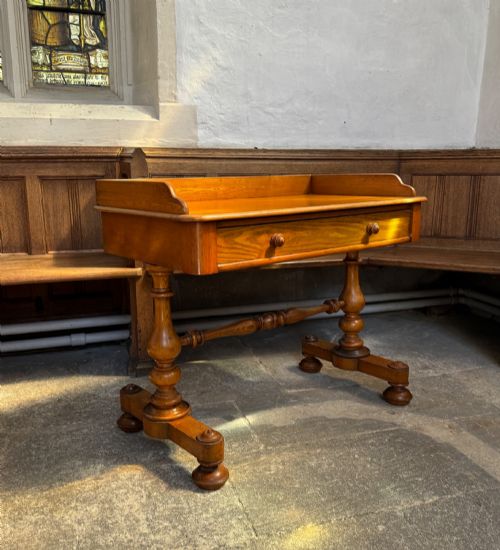
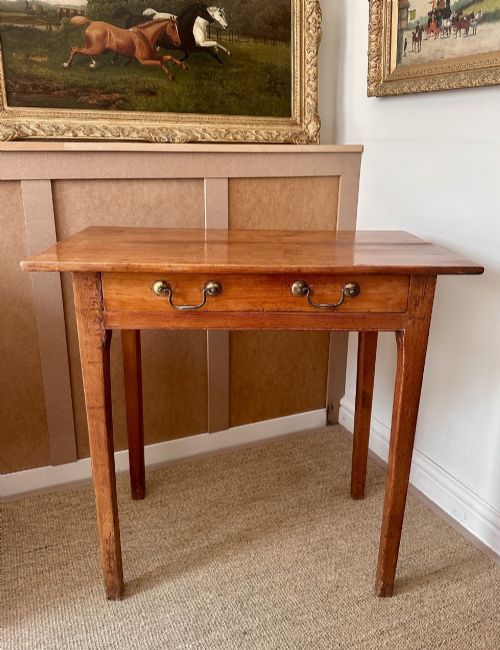
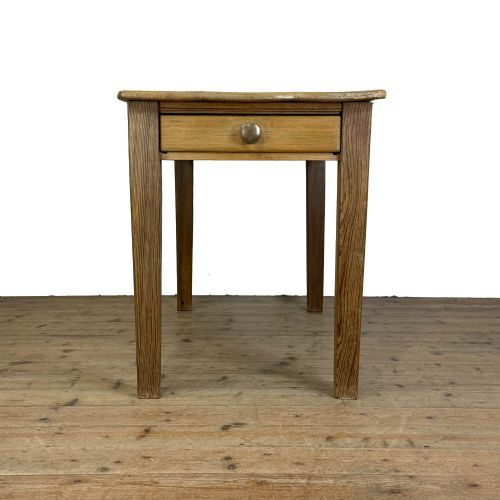
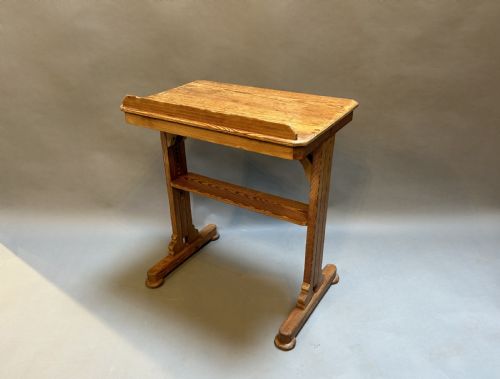
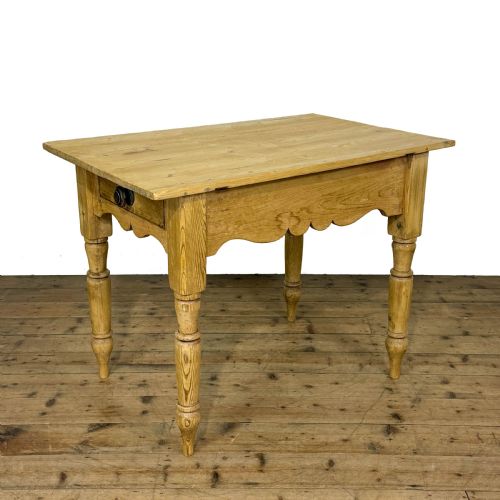
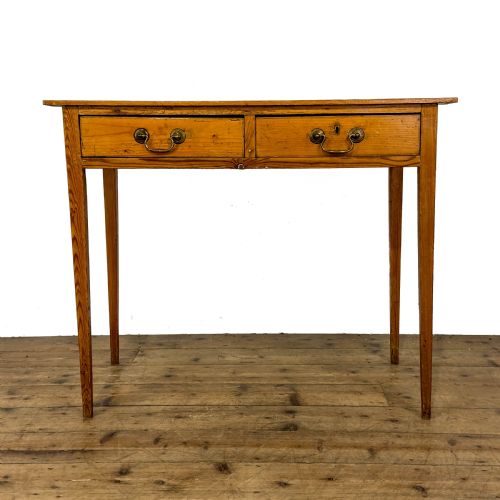
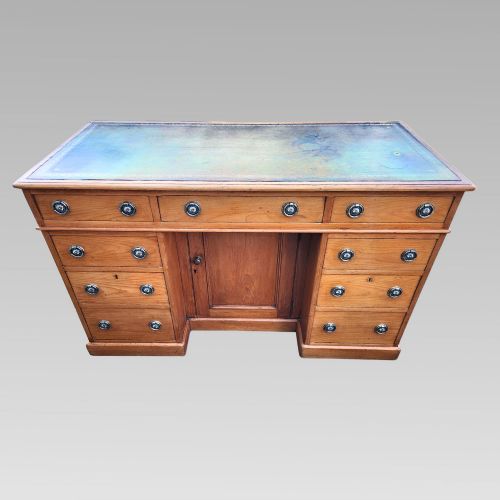
When you search for a honey pine writing desk, you encounter versatile wooden furnishings predominantly rooted in the Victorian era and the early twentieth century. These pieces encompass utilitarian writing tables, secretary desks with slopes and drawers, and pedestal office desks constructed from pine and pitch pine.
The variants most frequently met on this page span simple nineteenth-century side tables adapted for writing, robust farmhouse desks, and more fitted secretaire bureaus featuring internal drawers. Their origins stretch across English country workshops and continental European makers, prioritising domestic utility and straightforward form.
How they were made
These items rely on pine and pitch pine as their primary structural timbers, often finished with wax or paint to preserve the softwood grain. Cabinet makers utilised traditional joinery for drawers and frames, integrating brass hardware such as handles and escutcheons to secure compartments.
Secondary elements occasionally incorporate leather inserts for writing surfaces, alongside glass panels in glazed upper sections. The construction ranges from heavy pedestal office configurations to lighter drop-leaf or side table formats designed for flexible placement.
Listings feature pine, pitch pine, and brass materials across Victorian and early twentieth-century periods.
What varies in quality
The distinction between standard domestic items and superior examples lies in the density and selection of the timber, particularly where dense pitch pine is employed. Heavier pedestal formats and pieces retaining original fitted secret drawers or leather writing surfaces represent a more ambitious standard of cabinet-making.
Proportion and execution of detail separate simpler country tables from elaborate Gothic washstands or large glazed secretaires. Quality manifests in the stability of the carcass, the smooth operation of frieze drawers, and the integrity of the wax or painted finish over the softwood.
The Honey Pine Writing Desk Glossary
- Pitch pine
- A dense, resinous variety of pine timber valued for its durability and prominent grain pattern. It appears frequently in heavier Victorian desks and architectural furniture.
- Secretaire
- A cabinet or desk featuring a fold-down or pull-out writing flap that conceals a collection of small drawers and pigeonholes. These often include secret compartments for secured storage.
- Frieze
- The horizontal band situated directly beneath the top surface of a table or desk. This area frequently houses one or more single drawers in country furniture.
- Kneehole desk
- A freestanding desk featuring a central recess for the user's legs, flanked by pedestals of drawers on both sides. This form provides substantial storage capacity while maintaining a compact footprint.
- Washstand
- A piece of furniture originally designed to hold a basin and jug for washing, frequently constructed from pine and adapted over time for alternative utilitarian uses.
Honey Pine Writing Desk: Frequently Asked Questions
What is a honey pine writing desk?
A honey pine writing desk is a wooden workspace constructed from pine or pitch pine, typically finished in warm tones through waxing or historical paint. These pieces range from simple nineteenth-century side tables with single drawers to more complex pedestal desks and secretaire bureaus.
They reflect the domestic and office requirements of the Victorian period and the early twentieth century. Their forms prioritise practical storage and durable softwood construction.
How do I date a pine desk?
Dating a pine desk involves examining construction methods, timber selection, and hardware style. Pieces from the early nineteenth century often display hand-cut joinery and simpler proportions, whereas late Victorian and Edwardian examples may utilise denser pitch pine and heavier pedestal designs.
Secondary materials such as brass pulls, glass doors, and leather writing inserts also help establish the chronological context. Comparing the piece to documented styles like Arts and Crafts or Victorian country furniture refines the timeline further.
Where were these desks used?
These desks served primarily in domestic studies, home offices, and farmhouse interiors across Britain and Europe. Their robust construction suited daily administrative tasks, letter writing, and household management.
Smaller variants also functioned as hall tables or side tables in multi-purpose rooms. Larger pedestal and secretaire versions anchored dedicated office spaces.
How do I care for pine furniture?
Caring for antique pine involves maintaining the wax or painted finish with appropriate soft polishes and avoiding excessive moisture. Softwood reacts to dramatic shifts in humidity, so stable room conditions preserve the integrity of the timber and joints.
Gentle dusting with a dry cloth prevents the accumulation of grit on vulnerable surfaces. Periodic application of natural wax helps nourish the pine and maintain its warm visual depth.
What is pitch pine?
Pitch pine is a heavier, highly resinous timber derived from specific pine species, known for its strength and distinct linear grain. Cabinet makers utilised it for furniture requiring greater structural resilience, such as pedestal desks and heavy tables.
Its denser composition differentiates it from standard softwoods found in everyday country furniture. This material resists wear effectively while retaining a characteristic warm coloration.