





Victorian Country Study Desk
A victorian country study desk offers honest utility and robust character, bringing practical workspace and traditional craftsmanship straight into a working home.

Victorian Country Study Desk
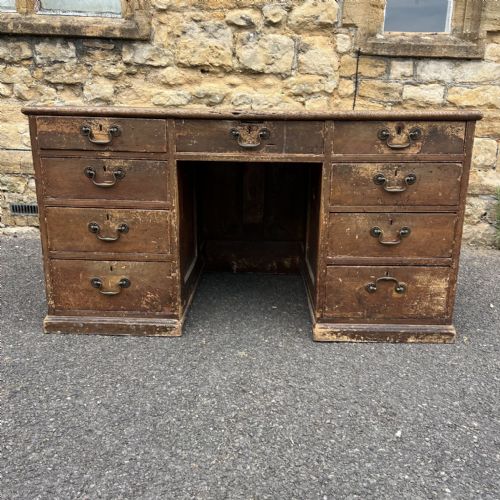
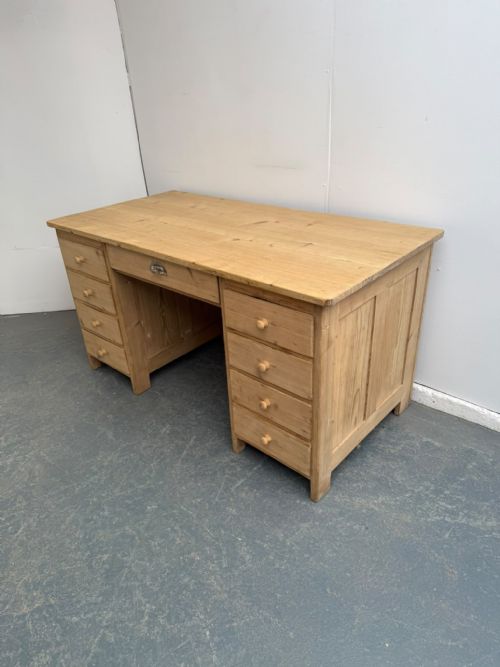
A victorian country study desk encompasses sturdy writing tables, kneehole desks, and estate desks used in historic homes and offices. These pieces provide substantial working surfaces combined with practical drawer storage.
The versions most commonly met on this page span the nineteenth century, including specific dates from eighteen seventy to nineteen twenty, alongside pieces from the eighteenth century. They display styles ranging from rustic farmhouse to Victorian country.
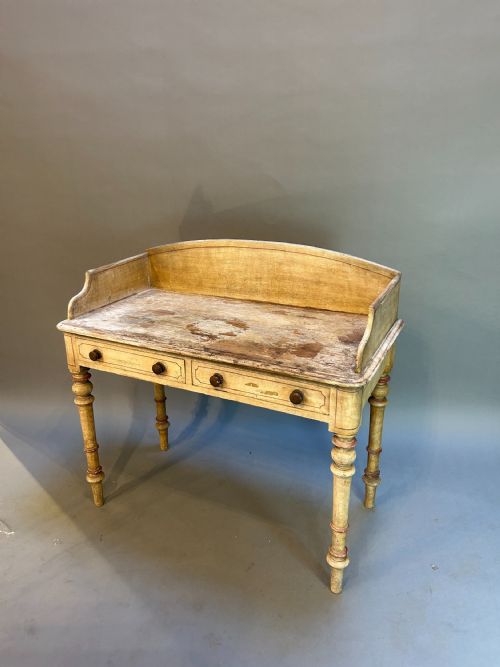
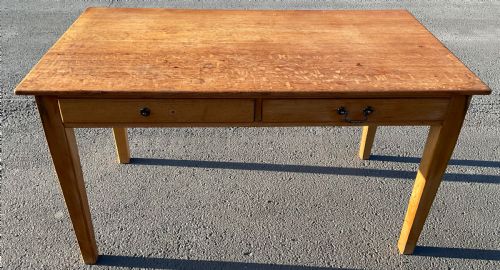
Forms vary from large nine drawer configurations to simpler side tables and secretaire bureaux. Many originate from country houses, estates, or school settings, reflecting straightforward daily utility.
Materials and construction methods
Construction relies heavily on timber varieties recorded in the evidence, predominantly pine, pitch pine, oak, and mahogany. These sturdy woods provide the structural strength needed for heavy daily use.
Additional materials such as brass fittings, leather inserts, and painted finishes appear across various examples. Cane seating and walnut framing also supplement specific library chairs associated with these desks.
Victorian Country Study Desk Retail Price Guide 2026
Typical asking prices for victorian country study desk among the pieces listed under this phrase on Sellingantiques today, from the lower quarter to the upper quarter. They describe what is for sale here now, not the wider market.
A solitary school teacher needed a sturdy writing table, leaving behind ink-stained evidence of strict Victorian lesson planning.
What distinguishes finer examples
Quality separates through the selection of timber and the complexity of the desk configuration, such as multi-drawer kneehole designs versus simpler side tables. The use of pitch pine or golden oak often denotes a more substantial construction.
Refinements like inlaid walnut framing or designated estate manager origins elevate certain pieces above standard utility items. The presence of original hardware and well-preserved leather writing surfaces distinguishes superior examples.
The Victorian Country Study Desk Glossary
- Pitch pine
- A resinous durable timber frequently utilised for nineteenth century writing tables and estate desks. It provides a distinct grain pattern and robust structure.
- Kneehole desk
- A freestanding desk featuring a central recess for the user's legs, flanked by pedestals of drawers. This form allows for efficient storage and comfortable seating.
- Secretaire bureau
- A desk type incorporating a hinged writing slope that opens to reveal internal compartments and small drawers. It combines cabinet storage with a fold-down workspace.
- Partners desk
- A large double-sided desk designed for two people to work opposite one another simultaneously. These items often originate from substantial libraries or estate offices.
Victorian Country Study Desk: Frequently Asked Questions
What is a country study desk?
A country study desk is a robust, practical writing table or kneehole desk originating from nineteenth-century estates, country houses, or schools. These pieces prioritise functional workspace and sturdy timber construction over ornate decoration.
They serve as working desks in modern homes, offering deep drawers and expansive surfaces suited for daily writing and study tasks.
How were these desks used originally?
These desks were utilised by estate managers, school teachers, and household residents for managing correspondence, accounts, and daily administration. Their multi-drawer layouts and writing slopes kept documents organised.
Larger variants like partners desks accommodated multiple workers in estate offices or libraries, reflecting the busy administrative needs of large historical properties.
What woods should I expect to find?
The evidence shows a strong reliance on pine, pitch pine, oak, and mahogany for the primary structure of these desks. Birch and painted finishes also appear on specific tables.
These timbers were chosen for their durability and availability, ensuring the furniture could withstand decades of rigorous daily use in busy working environments.
How do I care for a pine or oak desk?
Maintaining these wooden surfaces involves regular dusting with a soft cloth and avoiding excessive moisture or direct heat sources. Waxing helps nourish traditional pine and oak finishes over time.
Leather writing inserts benefit from gentle cleaning and conditioning to prevent cracking, preserving the tactile surface where work takes place.
Are these desks suitable for modern computer use?
Many of these desks provide ample surface area and sturdy construction capable of supporting laptops and writing equipment. Kneehole configurations and spacious writing tables offer comfortable legroom for seating.
Drawer space allows for the storage of modern office supplies, blending historical character with contemporary functional requirements in a study.