



Antique Pine Dressing Tables
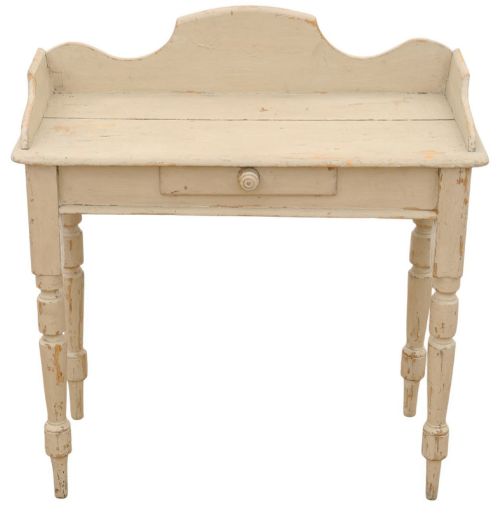
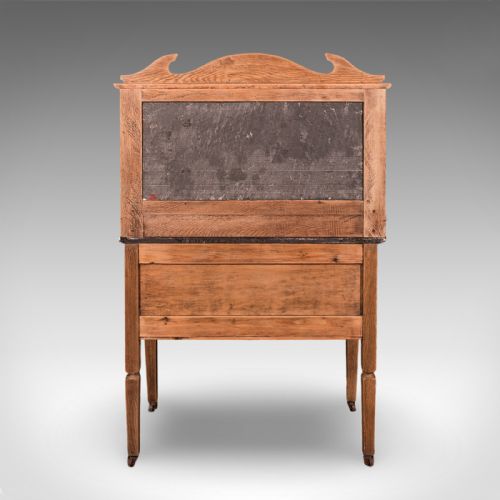
Pine bedroom furniture made for washing and dressing: a low chest of drawers or a drawer-fitted table at sitting height, carrying a mirror or made to stand beneath one.
Antique Pine Dressing Tables
Two forms sit under the heading. One is the dressing chest, a chest of drawers made as a bedroom dressing piece. The other is the table proper, flat-topped or kneehole, with one or two drawers and an open or pedestal base. Half of all titles on Sellingantiques use the word "chest", so that is the form you are most likely to meet.
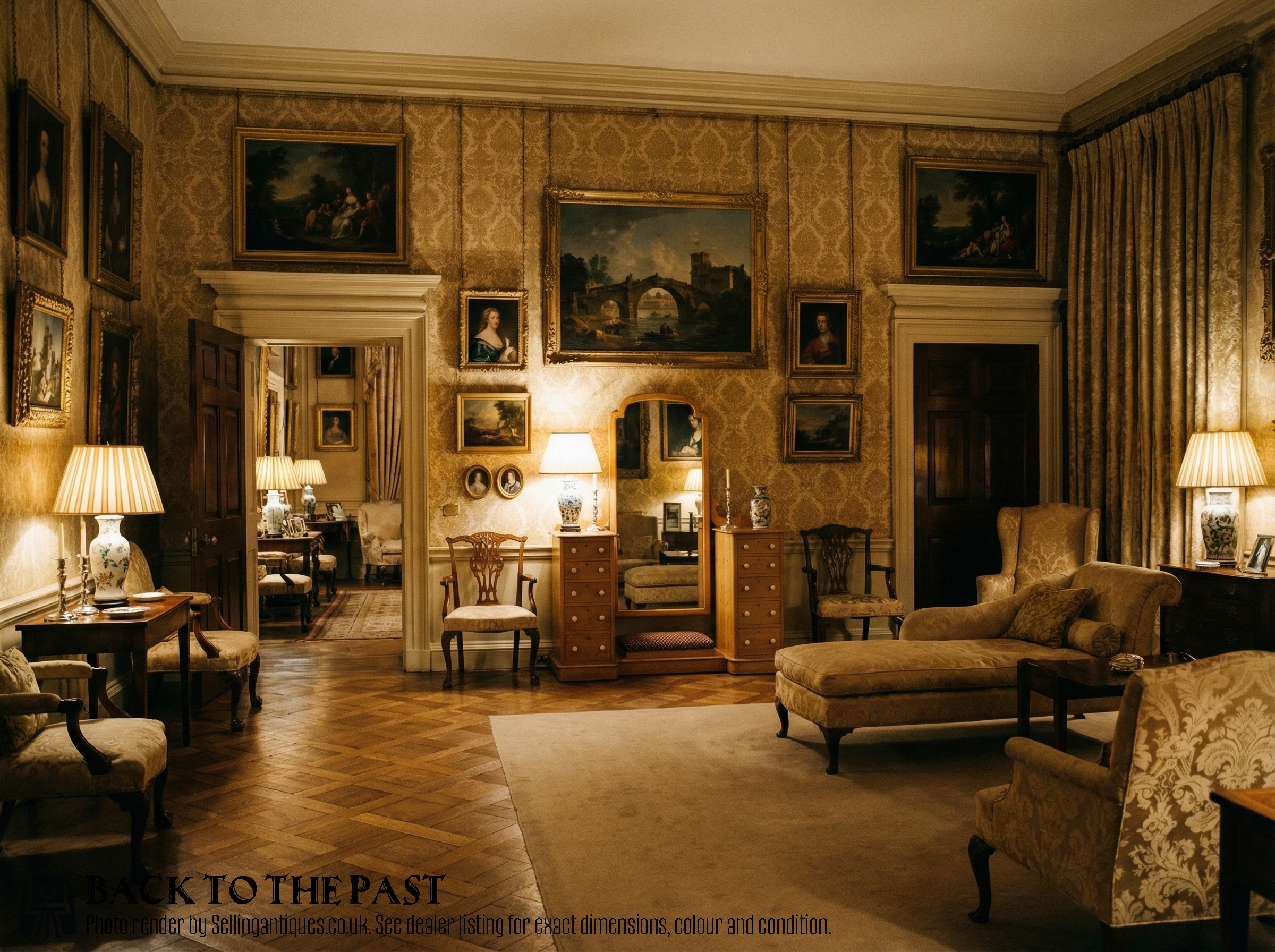
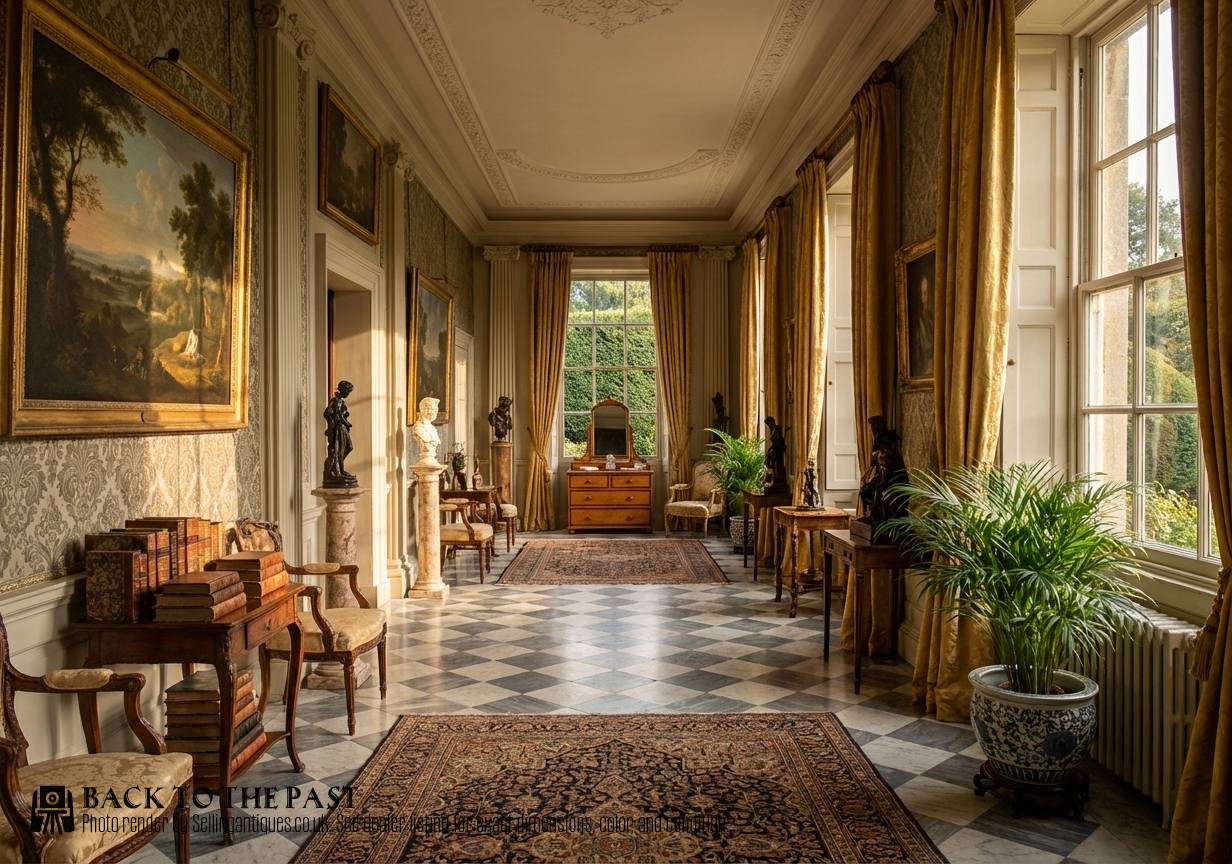
Purpose-made dressing furniture became standard in the bedroom from the late 18th century onward, giving a drawer-fitted surface with a mirror for washing, shaving and hairdressing. Pine was the cheaper option against hardwood, often painted, and made in quantity through the 19th century for secondary bedrooms and servants' rooms.
Victorian dominates the dating, with Edwardian second and a further group of listings saying only "19th century". Clean years are uncommon, and where one is given it falls between 1850 and 1920. Two Regency pieces are the only entries earlier than Victorian in the whole archive.
Surfaces split between bare or stripped pine and painted work, with paint named in roughly a quarter of titles: original paint, stencilled decoration, and in one case paint simulating acacia with gilt. Pitch pine turns up in about one title in eight. Mirrors are named only occasionally, so many are described simply as pine dressing chests.
Where The Range Widens
Surface does most of the work. A decorative finish that has survived, described as original painted or original stencilled decoration, sits well above plain stripped pine. Paint here was not a repair to be undone but the intended finish, and the pieces that kept it read differently from the bare-timber examples.
Timber and form take it further. Pitch pine clusters in the upper part of the range, dense and strongly figured, with one title recording burr pitch pine. Complexity of form counts too: kneehole and pedestal bases, a concave front, and larger sizes appear on the dearer listings, while "small" and "narrow" sit lower down.
A named style lifts a piece again. Aesthetic Movement, Arts and Crafts, Neo Classical and Regency appear only on the higher-priced titles, and the top of the range is held by a Neo Classical pitch pine dressing table, several times the level of the plainest Victorian pine. A mirror named and described also sits above the plain dressing chest.
Antique Pine Dressing Tables Retail Price Guide 2026
Typical UK retail prices for pine dressing tables, calculated from the Sellingantiques database of over a million retail prices indexed since 2003. This retail price guide relies exclusively on Sellingantiques data; no external sources or auction records are used, so the figures do not describe the wider market.
One-offs from the archive: a desk/dressing table, a mirrored vanity bedroom stand, and a dresser base with a dog kennel in the middle.
The Antique Pine Dressing Tables Glossary
- Dressing chest
- A chest of drawers made as a dressing piece, usually with a mirror on or above the top. The word appears in half the titles here.
- Dressing table
- An open or kneehole table with drawers, used with a separate or fitted mirror rather than a built-in one.
- Kneehole
- The recessed centre between drawer banks or pedestals, leaving room for the sitter's knees.
- Pedestal
- A drawer-filled column supporting the top on each side of the kneehole.
- Pitch pine
- A dense, resinous pine with strong figure, named in about one title in eight and clustering in the upper part of the range.
- Simulated timber
- Paint imitating a costlier wood. One title here reads "simulated acacia and gilt".
Antique Pine Dressing Tables: Frequently Asked Questions
Is a dressing chest the same as a dressing table?
Not quite, though the heading covers both. A dressing chest is a chest of drawers made for the bedroom, usually with a mirror on or above the top.
A dressing table is an open or kneehole table with one or two drawers, used with a mirror that may be separate. Half of the titles on Sellingantiques say "chest".
Do these usually come with a mirror?
Mirrors are named in only a handful of titles: swivel mirror, swing mirror, mirrored cupboard, with mirror. The rest are described simply as pine dressing chests or dressing tables.
Where a mirror is named and described, the listing tends to sit above the plain dressing chests.
What period are most of them?
Victorian, by a wide margin, with Edwardian the next largest group. A further set of listings say only "19th century", which carries no precise year.
Just thirteen of the fifty-nine listings give a clean year, and those run from 1850 to 1920. Two Regency pieces, circa 1820 and circa 1830, are the earliest in the archive.
Why are some painted rather than stripped?
Pine was the cheaper timber, and paint was often the finish it was given when made. Around a quarter of titles name paint at all: original painted, decorated, stencilled decoration, and one reading simulated acacia and gilt.
Stripped pine is the other half of the picture, where an earlier paint or varnish has been taken off to show bare timber.
What is pitch pine and why does it matter?
A dense, resinous pine with strong figure. It appears in eight of the titles here, including a burr pitch pine example and a Neo Classical piece.
Those listings sit in the upper part of the range. Oregon pine is named once.
How often do they come up for sale?
It's a small category. About six come to market in a year across Sellingantiques, and twenty-five different dealers have listed one, so most have handled just one or two.
Origins beyond England appear twice: a French painted pine dressing chest and a Danish example with a mirrored cupboard.