

Antique Vanity Tables
A bedroom table fitted for washing, shaving and grooming, usually with drawers and a mirror of some kind above the top.
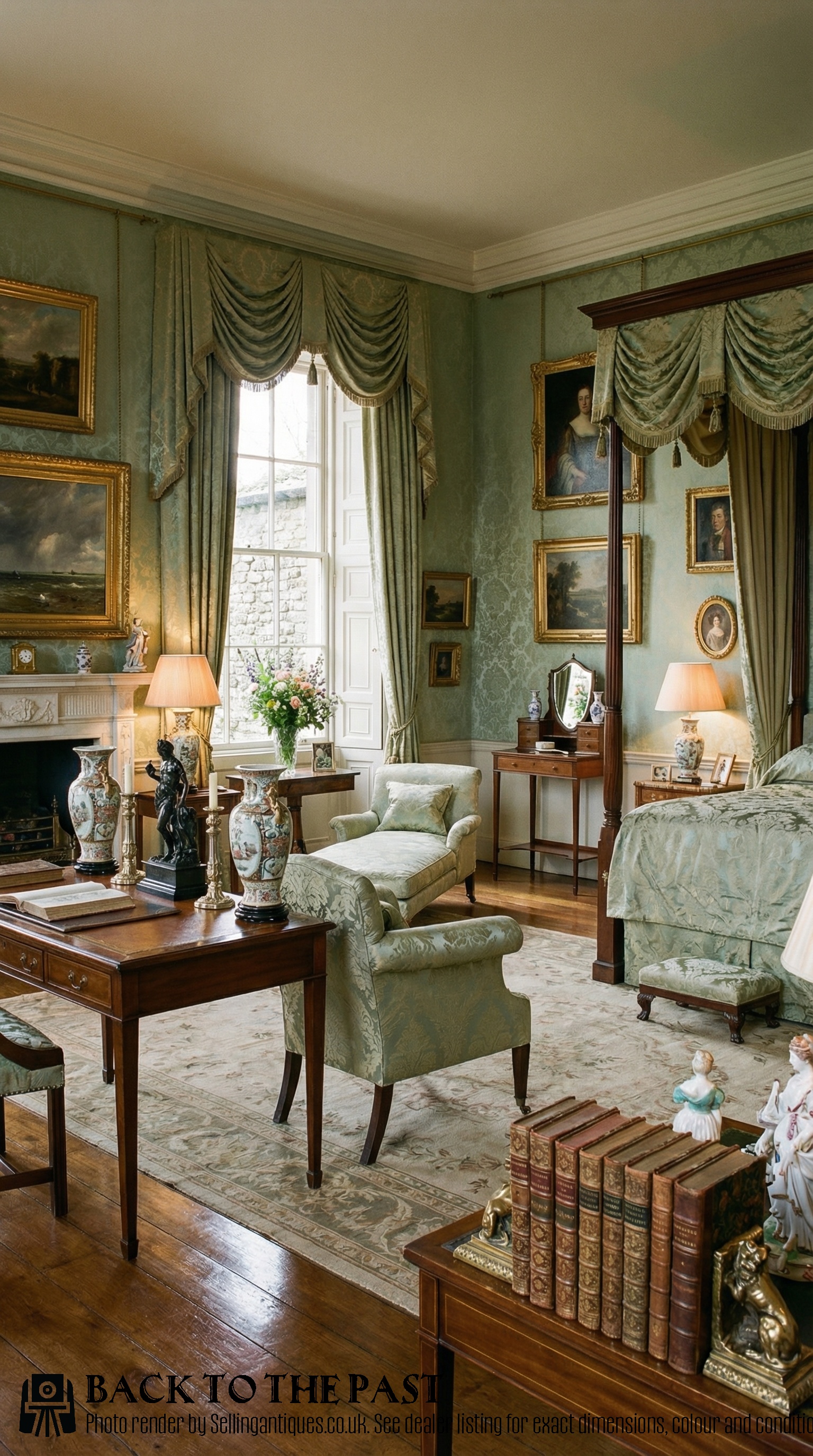
Antique Vanity Tables
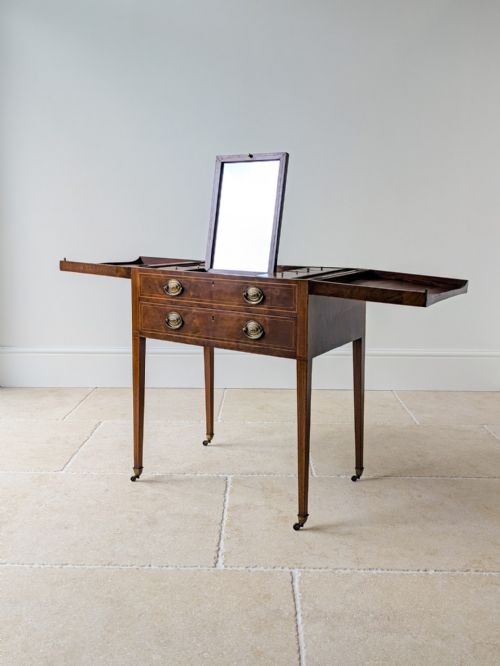
The word "dressing" appears in 202 of the 238 titles under this heading, so vanity table is largely the search term for what dealers themselves call a dressing table. Purpose-built versions grew up in the late 17th and 18th centuries as bedroom furniture for washing, shaving and hairdressing, with drawers and compartments for toilet articles.
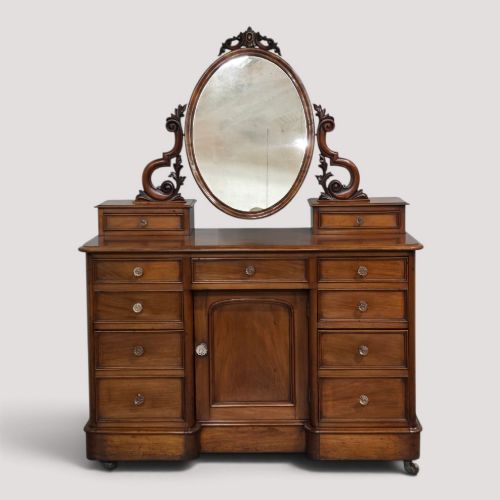
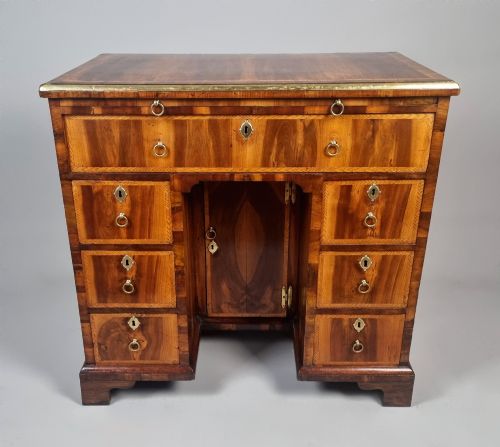
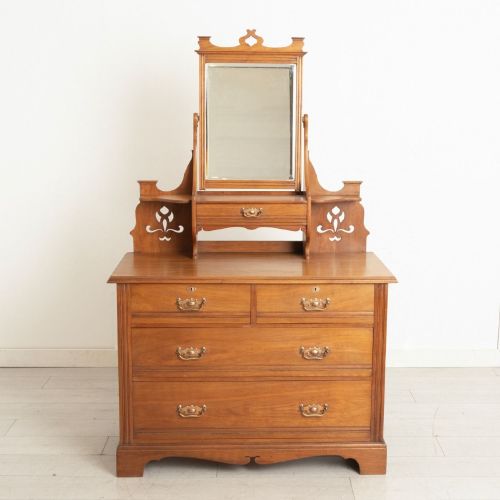
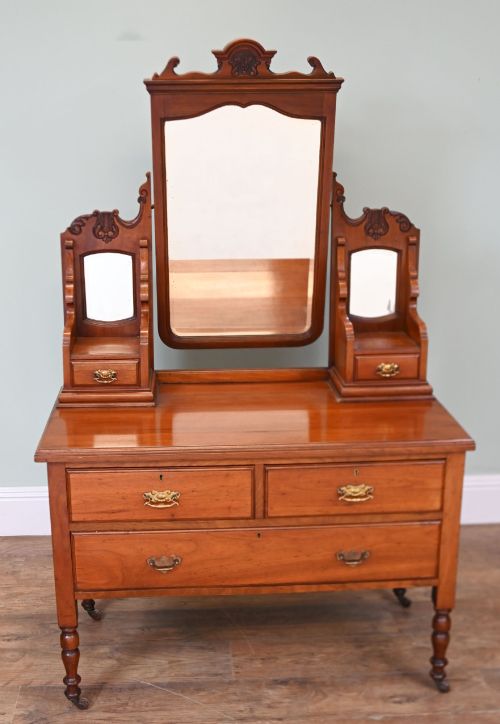
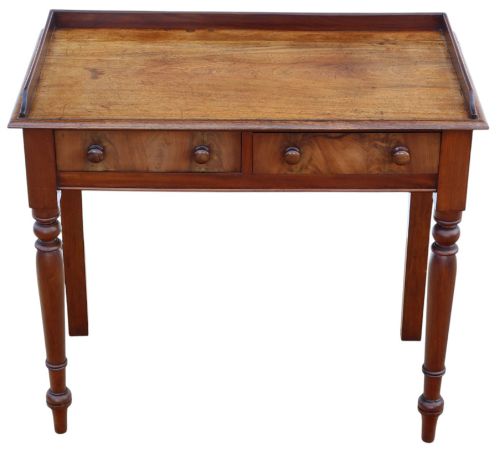
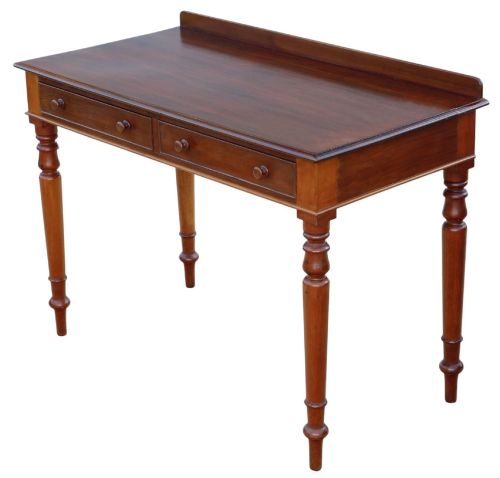
The one you're most likely to meet is a Victorian or Edwardian mahogany dressing table with three to five drawers and a mirror. Mahogany is named in 80 titles, victorian in 58, and mirror in 36. Many are kneehole or pedestal in form, with drawer banks either side of a recessed centre.
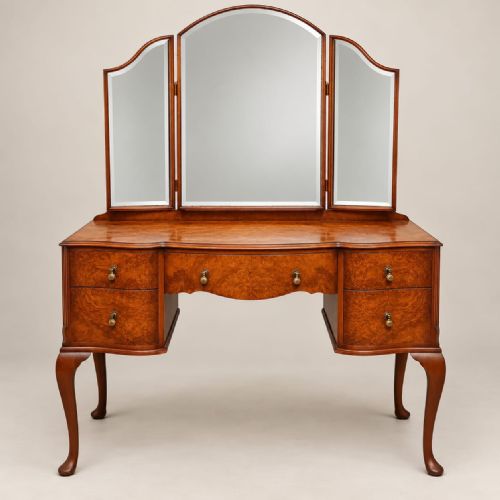
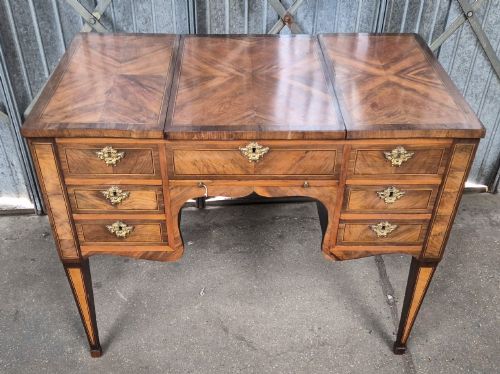
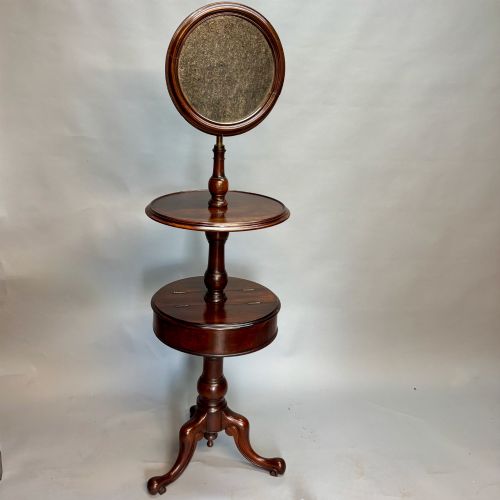
Walnut and burr walnut make up the next thread, including duchess forms with a large central mirror between smaller side ones. French and Continental pieces run to about one in ten of the titles, poudreuses among them, and free-standing gentlemen's shaving stands on tripod bases form a smaller group concentrated in the sold archive.
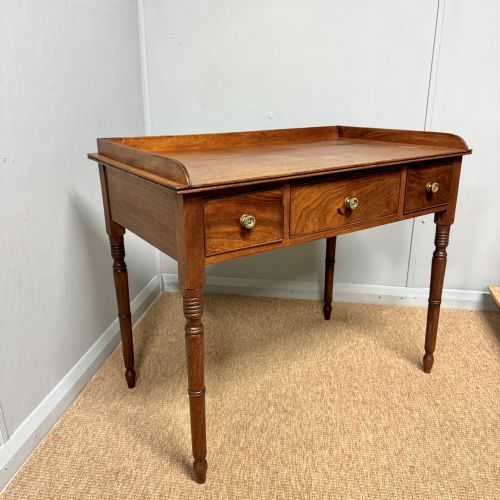
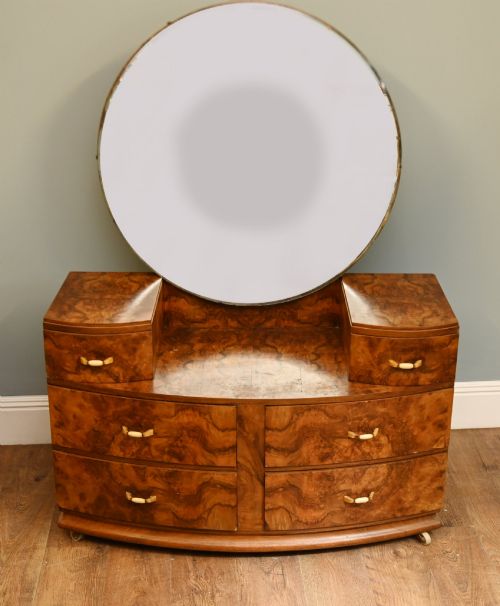
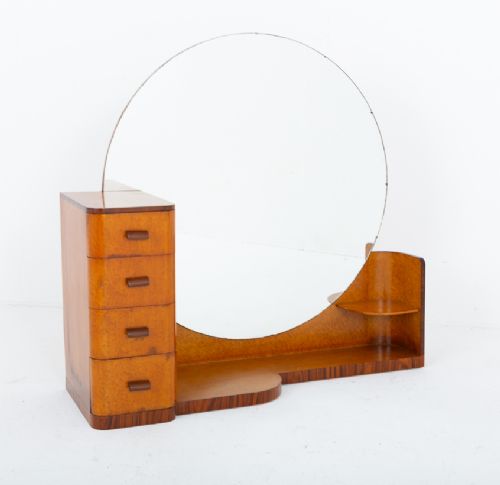
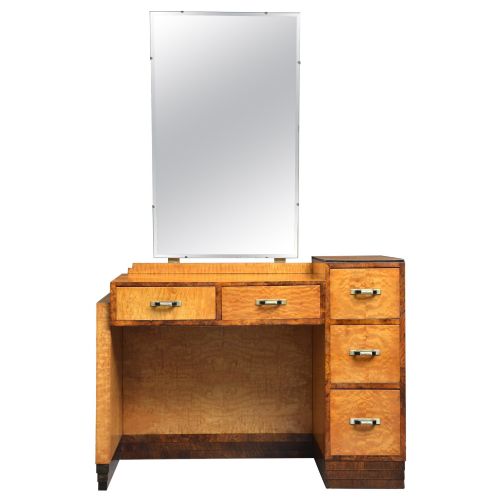
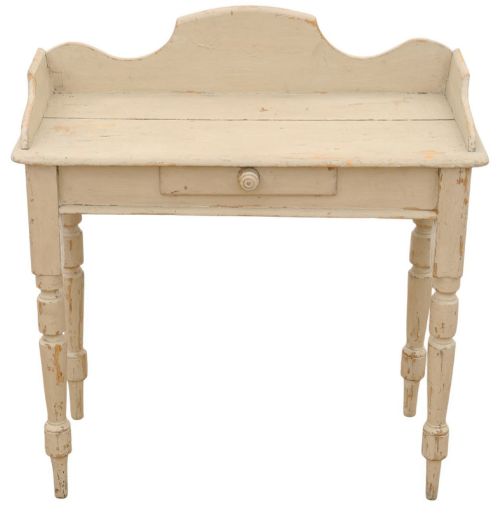
The heading is wider than the name suggests. Alongside tables it carries dressing chests, washstands, telescopic and brass shaving mirrors, a shaving cupboard, a bonheur du jour and a travelling campaign dressing chest. The 1930s are the third-largest period group, so Art Deco work in burr walnut, maple and limed oak turns up throughout. Georgian and 18th-century examples appear, but they sit outside the main run of dates and are a small minority.
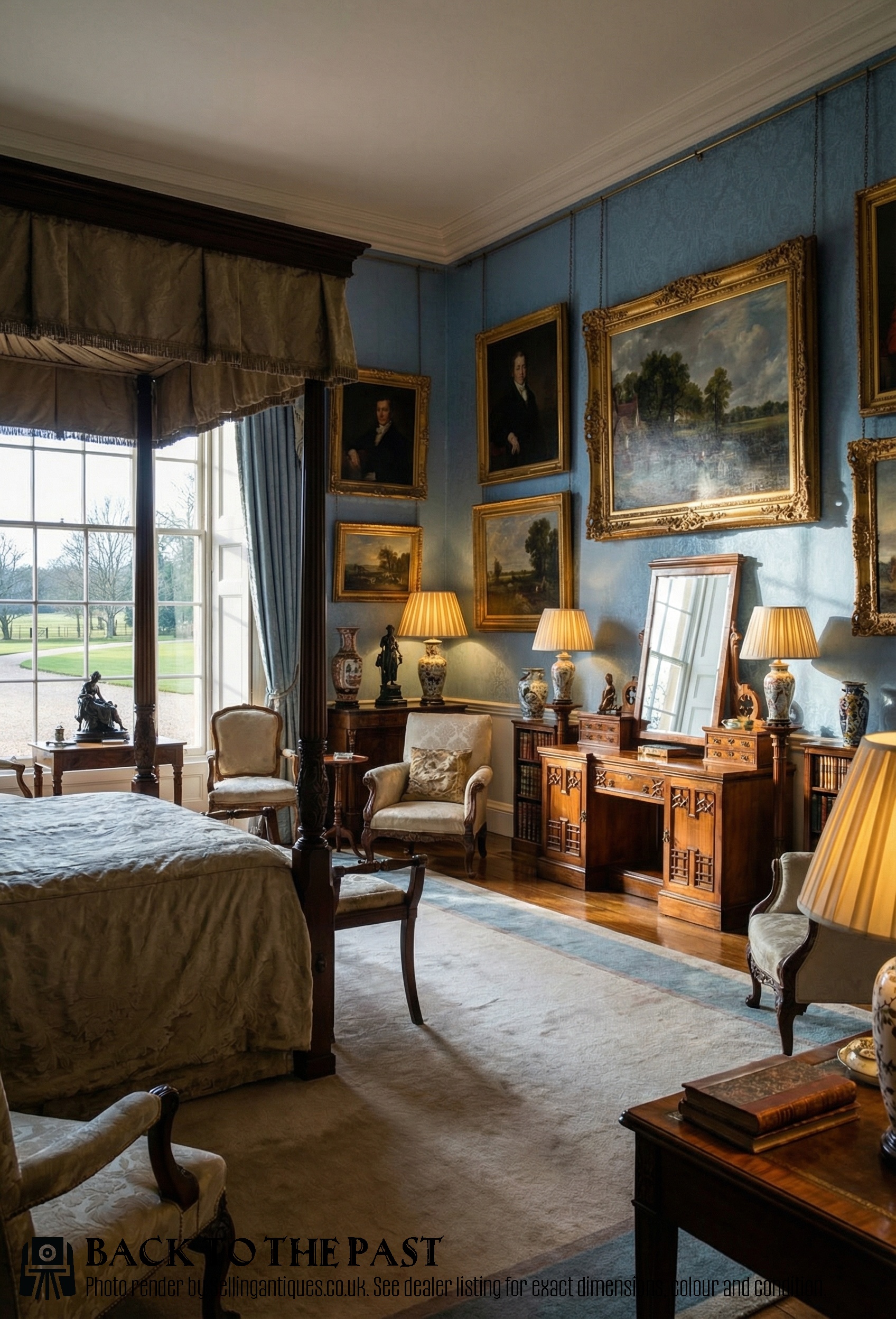
Where The Range Splits
Timber does most of the work. Painted pine sits at the bottom of the sampled range, plain oak near it. Burr walnut, satinwood, rosewood and kingwood sit high, and marquetry pieces in those timbers are among the highest-priced sampled. Inlay and carving push the same way, with ormolu mounts at the top end.
Design idiom counts for more than any other single factor. Titles naming an 18th-century Georgian idiom cluster at the very top, an order of magnitude above the Victorian and Edwardian mahogany tables that make up the bulk. That gap is the widest in the category.
Mirrors and completeness add the rest. Triple-mirror, duchess and cheval arrangements sit above plain mirrorless tables, and anything that survives as a set, with its stool, chair or as part of a bedroom suite, sits above the middle of the range.
Antique Vanity Tables Retail Price Guide 2026
Typical UK retail prices for vanity tables, calculated from the Sellingantiques database of over a million retail prices indexed since 2003. This retail price guide relies exclusively on Sellingantiques data; no external sources or auction records are used, so the figures do not describe the wider market.
The heading on Sellingantiques is broader than its name: dressing chests, shaving stands, telescopic shaving mirrors, washstands, a shaving cupboard and a travelling campaign chest.
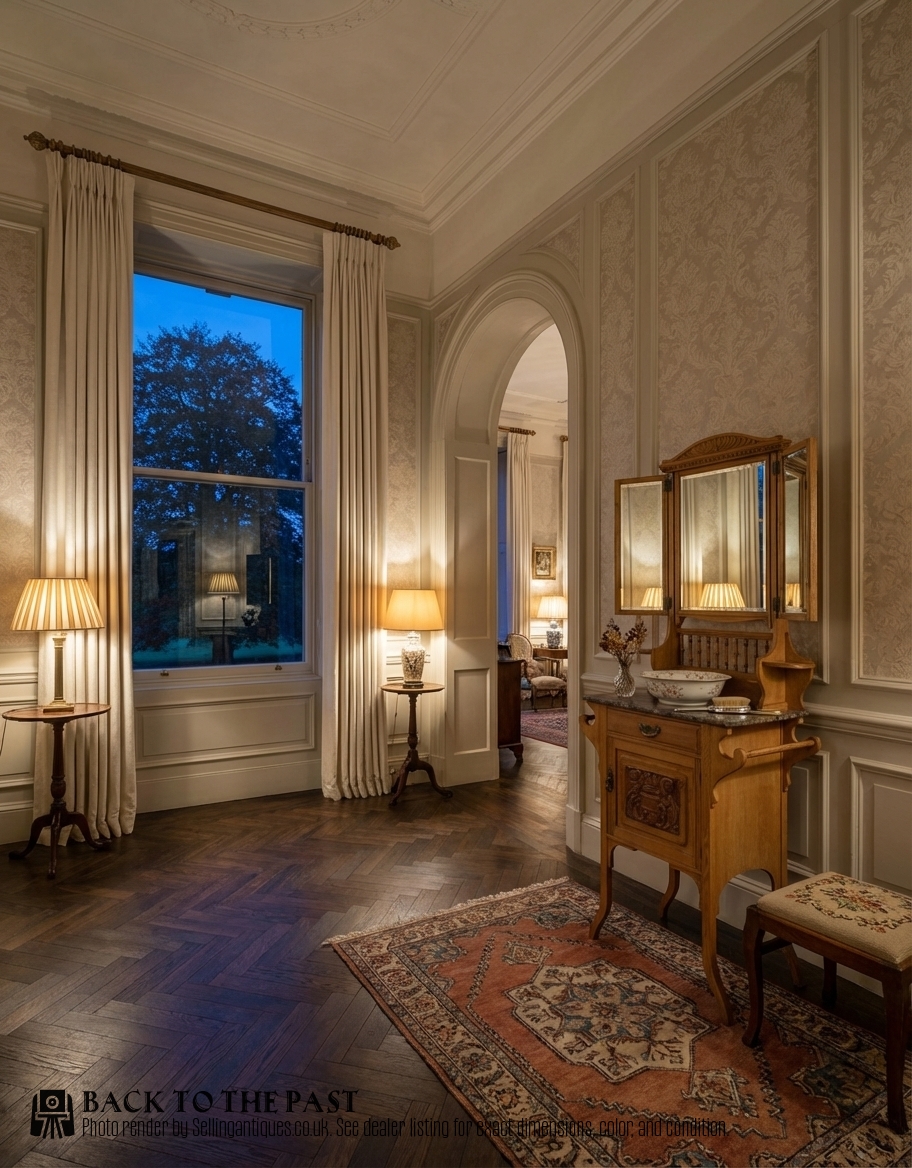
The Antique Vanity Tables Glossary
- Kneehole
- A recessed centre between two banks of drawers, so the sitter can draw up close to the table.
- Dressing chest
- A chest of drawers with a mirror above rather than an open kneehole table. Twenty-four titles use the phrase.
- Swing mirror
- A mirror pivoting between two small uprights on the table top. A shield mirror is the shield-shaped version of it, typical of Edwardian work.
- Duchess
- A dressing table with a large central mirror flanked by smaller side mirrors. Nine titles use the word.
- Shaving stand
- A free-standing gentleman's mirror on a column or tripod, often adjustable or telescopic. Fourteen titles.
- Poudreuse
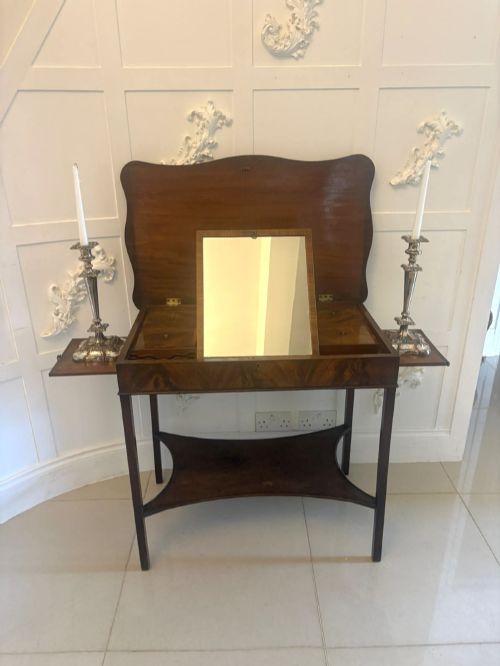
- The French lady's powdering table, usually small and often with a hinged top.
Antique Vanity Tables: Frequently Asked Questions
What wood are most of these made from?
Mahogany leads by a distance, named in 80 of the 238 titles, and "mahogany dressing" alone accounts for 36.
Walnut and burr walnut come next, then lighter timbers such as satinwood and satinbirch. Pine appears in a handful of titles and sits low in the range.
How old are the pieces listed here?
The dealer-entered date field spans 1800 to 1930, with 100 of the 238 listings carrying a clean year.
Victorian and the vaguer "19th Century" together make the largest block, followed by Edwardian, the 1930s and the 1910s. The oldest thing sampled is dated 1735, a George II yew wood example with its original brasses, well outside the usual span.
Are shaving stands part of this category?
Yes. Shaving appears in 20 titles and shaving stand in 14, most of them free-standing mirrors on a column or tripod base, some telescopic, some in brass.
They're under a tenth of the heading and concentrated in the sold archive rather than current stock.
Do many come from France?
French appears in 25 titles, which is the Continent's main showing here. Poudreuses turn up among them, along with Napoleon III, Louis XV and Empire pieces, and marble is named in eight titles.
Other origins appear once each: Swedish, Dutch marquetry, a birch Biedermeier vanity cabinet, a Viennese gentleman's table and an Irish matched pair.
Is Art Deco well represented?
The 1930s are the third-largest period group with 18 listings, and art deco appears in 17 titles.
Sampled examples run to burr walnut, maple and limed oak.
How often do vanity tables come up for sale?
Around 27 come to market in a year on Sellingantiques, and 115 different dealers have listed one.
That spread means it's a form almost every general furniture dealer handles rather than a specialism.