



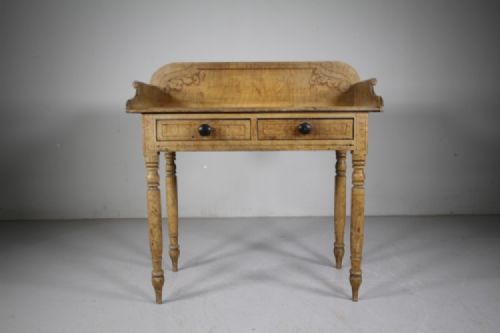
Country Pine Dressing Table
Country pine dressing table pieces bring straightforward utility and honest craftsmanship into a bedroom, offering practical surface space rooted in domestic history.
Country Pine Dressing Table
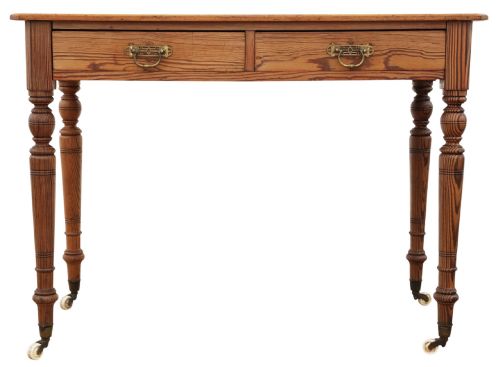
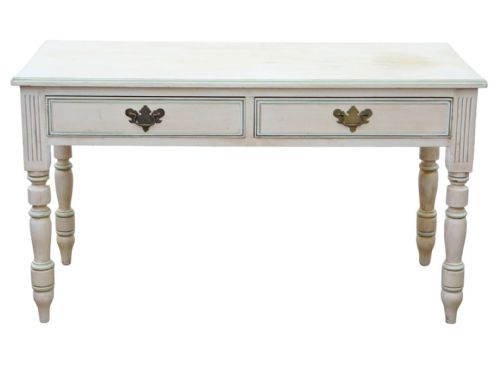
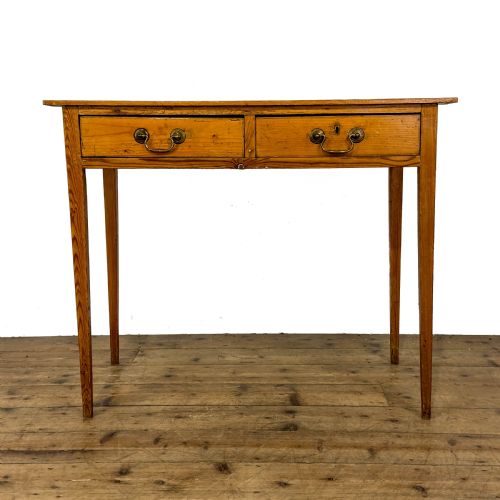
A country pine dressing table serves as a functional domestic surface, combining drawer storage with a designated spot for grooming and personal items. These pieces frequently overlap in form with washstands, writing tables, and side tables.
The versions most commonly met on this page date from the nineteenth century into the Edwardian era, spanning periods such as Victorian, Georgian, and Regency. They reflect regional English vernacular traditions, often carrying utilitarian forms that evolved to suit domestic chambers.
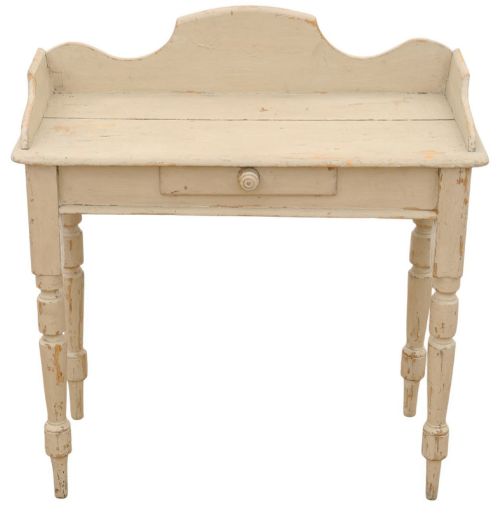
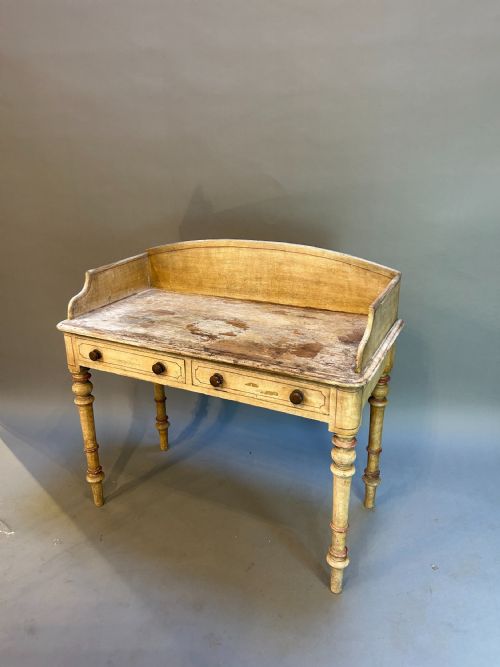
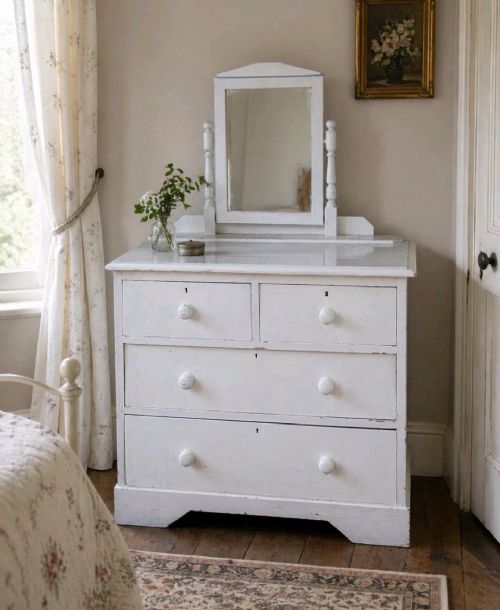
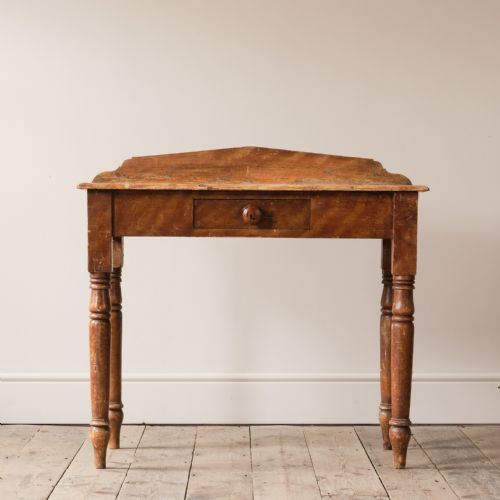
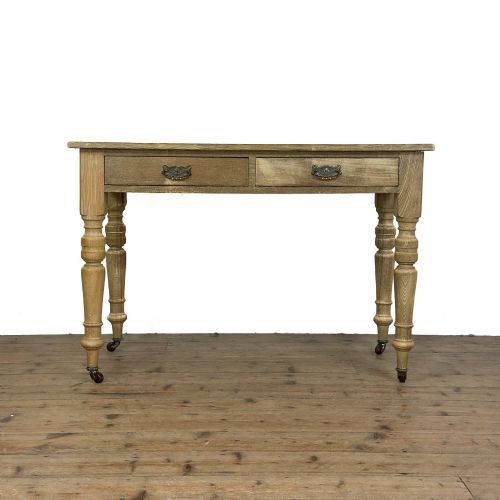
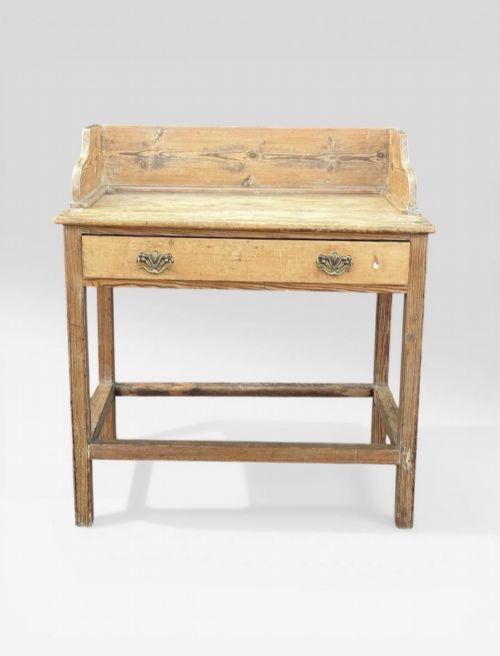
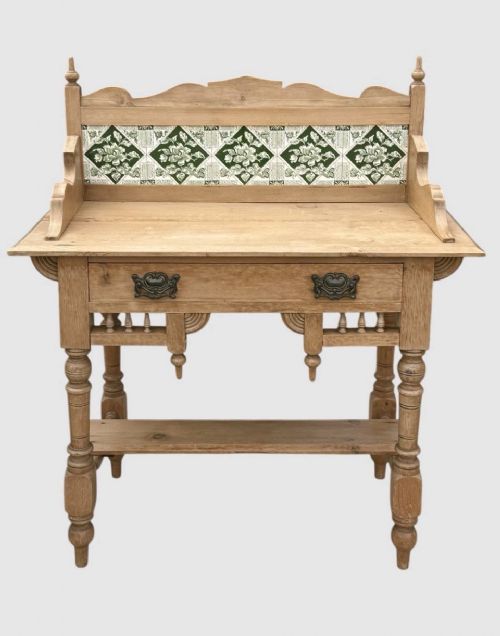
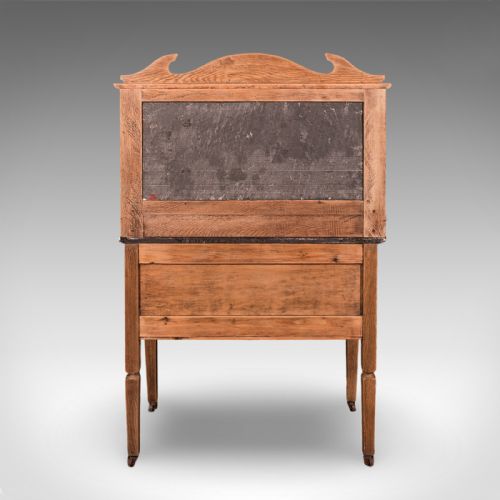
Makers produced these items in various guises, including painted finishes, scumble glaze, or stripped pine surfaces. Buyers encounter both simple drawer configurations and variants featuring tile gallery backs or mirrors.
What varies in quality
The integrity of the timber and the retention of original surface treatments dictate the standing of an individual piece. Items retaining their original paint or scumble glaze carry greater documentary interest than those stripped down to bare wood.
Construction methods and proportions also differentiate standard utilitarian furniture from finer examples. Well-proportioned drawer dovetails, intact gallery tiles, and sturdy structural frames separate superior survivals from ordinary workshop output.
A tile gallery back keeps stray splashing contained while offering nineteenth-century makers a canvas for colourful decorative ceramics.
The Country Pine Dressing Table Glossary
- Scumble glaze
- A decorative surface technique where a translucent coloured glaze is manipulated over a pale ground to imitate the grain of finer hardwoods. Cabinetmakers utilised this method on pine to elevate the visual appeal of domestic furniture.
- Pitch pine
- A dense, resinous softwood sourced predominantly from North America and heavily utilised in nineteenth-century British joinery. It offers greater durability and a pronounced grain pattern compared to standard yellow pine.
- Washstand
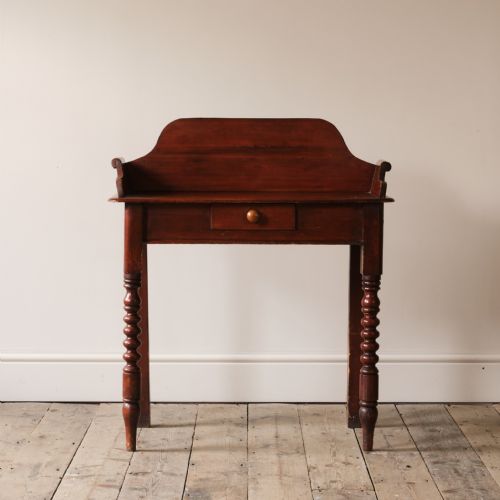
- A dedicated furniture form designed to hold a basin, jug, and washing accessories before plumbed bathrooms became standard. Many examples share functional similarities with dressing tables and side tables.
- Bowfront
- A convex, outwardly curved front elevation seen on select sideboards and tables. This curved profile requires specialised joinery skill to shape the drawer fronts and frame.
- Kneehole desk
- A writing or dressing table featuring a central recess for the user's legs, flanked by pedestals of drawers. This configuration provides structured storage while maintaining a comfortable seating position.
Country Pine Dressing Table: Frequently Asked Questions
How do I date a pine dressing table?
Dating relies on construction methods, hardware types, and stylistic cues present in the framework. Earlier pieces from the Georgian era feature hand-cut joinery and simpler drawer arrangements, while Victorian and Edwardian examples often incorporate machine-sawn elements and more elaborate gallery backs.
Examining the secondary woods inside drawers and the wear patterns on the feet provides further clues. Comparing the piece against documented stylistic periods helps narrow down the decade of manufacture.
Were these tables originally painted?
Many nineteenth-century pine pieces received protective coats of paint or scumble glaze when first manufactured. Country workshops often used paint to seal the softwood timber and provide a uniform finish within domestic interiors.
Subsequent generations frequently stripped these surfaces down to raw pine to follow changing interior tastes. Surviving examples with original paint layers are particularly valued for retaining their authentic period appearance.
Can I use a washstand as a dressing table?
Washstands adapt readily to modern dressing table use due to their similar proportions and surface heights. Many historical washstands feature top platforms and drawers that accommodate daily grooming essentials without difficulty.
While traditional washstands may lack attached mirrors, adding a suitable tabletop glass piece completes the dressing function. Their compact footprints make them practical for smaller bedrooms.
What is the difference between pine and pitch pine?
Standard pine refers to regional softwoods like Scots pine, which feature a relatively plain grain and lighter weight. Pitch pine contains a higher resin content, resulting in a heavier, harder timber with a distinctively rich, striated grain pattern.
Furniture built from pitch pine often displays a deeper amber hue and greater resistance to wear. Both materials were widely used across the nineteenth century depending on the maker's workshop source.
How do I care for antique painted pine?
Painted pine surfaces require gentle cleaning with a soft, dry cloth to remove dust without disturbing the historical finish. Avoiding abrasive chemical cleaners and excessive moisture protects the underlying paint layers from lifting or fading.
Keeping the furniture away from direct heat sources and strong sunlight prevents the wood from warping and the paint from drying out. Maintaining stable indoor humidity preserves both the timber and its decorative skin.