
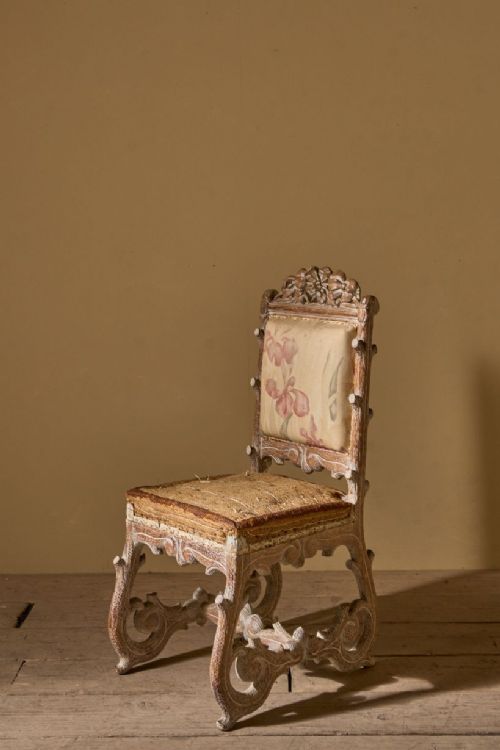
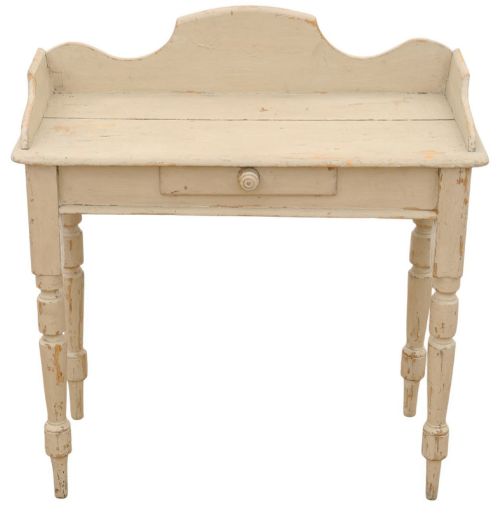
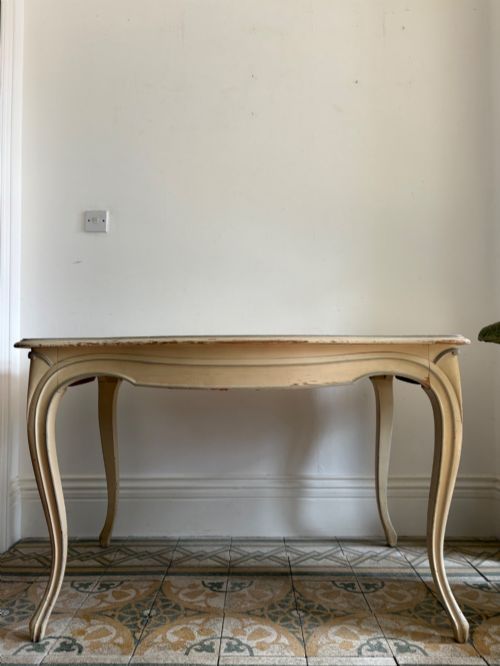

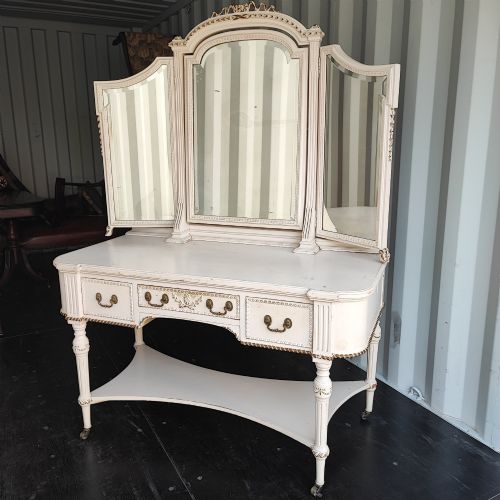
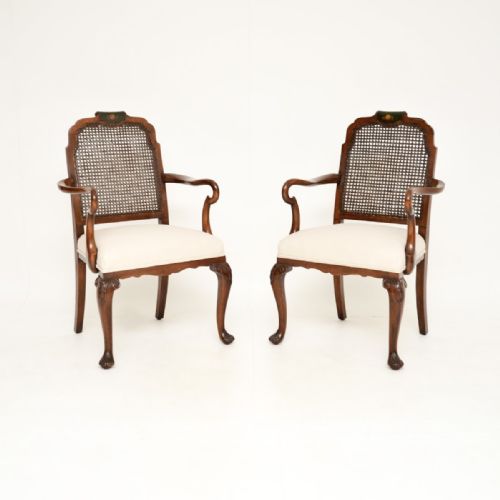
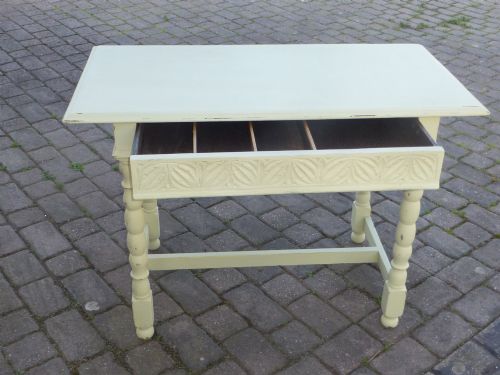
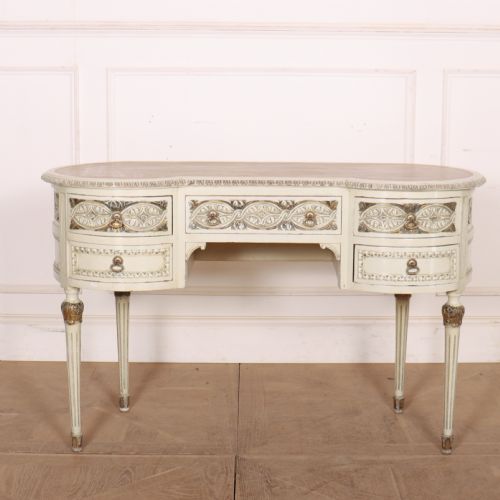
Cream Painted Desk
A cream painted desk brings lightness to a study, offering a muted finish that suits period and country interiors alike.
Cream Painted Desk
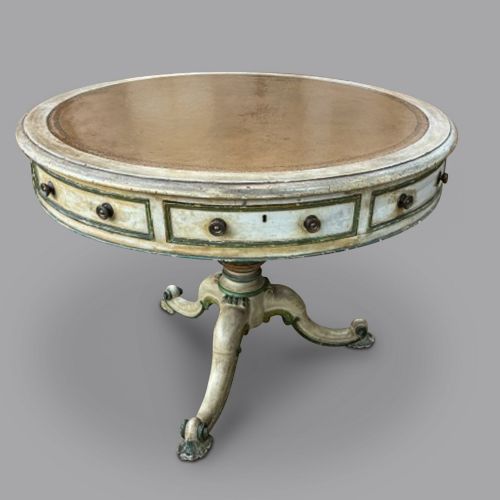
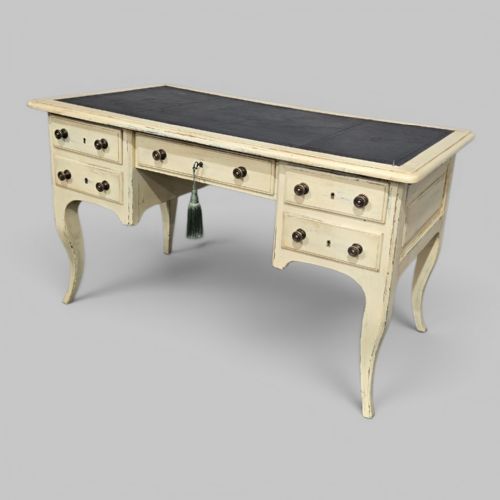
A cream painted desk serves as a functional workspace while introducing a softer palette than natural timber. These surfaces range from compact writing tables to kneehole configurations originating across the nineteenth and early twentieth centuries.
Buyers seeking a cream painted desk encounter pieces rooted in French provincial, Swedish, and English traditions. Formats vary from kidney-shaped writing tables with original painted decoration to simpler pine work tables adapted for daily use.
The selection draws on diverse periods, spanning Georgian bureau forms to Edwardian and Art Deco iterations. Such writing furniture balances utility with decorative painted surfaces that have weathered through decades of domestic life.
Materials and construction
Makers built these desks using woods such as pine, oak, and walnut, often applying multiple layers of paint directly over the timber substrate. Surface decoration frequently incorporates hand-painted motifs, giltwood accents, or contrasting leather and suede inserts.
Structural joinery aligns with the period of manufacture, utilising traditional joints for drawers and framing. Protective paint coats preserved the underlying wood while accommodating subsequent decorative interventions and patination over time.
Cream Painted Desk Retail Price Guide 2026
Typical asking prices for cream painted desk among the pieces listed under this phrase on Sellingantiques today, from the lower quarter to the upper quarter. They describe what is for sale here now, not the wider market.
Materials recorded across the available inventory include painted wood, pine, brass, leather, and porcelain.
Assessing quality and finish
Quality rests in the integrity of the original paint surface and the subtlety of any applied decoration or gilt detailing. Desks retaining their initial hand-painted finish command greater interest than later repainted examples.
Construction standards appear in the drawer linings, the stability of the timber frame, and the retention of original hardware like brass pulls. Proportion and the harmony of the painted scheme ultimately distinguish finer writing tables from utilitarian work surfaces.
Maples of London and Paris·Royal Worcester·Franz Xavier Bergman·Gillows
The Cream Painted Desk Glossary
- Kneehole desk
- A writing table featuring a central recess for the user's legs, flanked by pedestals of drawers. This form became popular during the eighteenth century and persisted through the Victorian era.
- Kidney-shaped
- Describing a desk or table top curved in the outline of a kidney bean. This graceful contour allows the user to sit partially enclosed by the writing surface.
- Giltwood
- Timber that has been decorated with a thin layer of gold leaf or powder. It often highlights carved details on neoclassical and revival furniture.
- Chinoiserie
- European artistic interpretations of Chinese and East Asian decorative motifs. This style frequently appears on painted furniture through whimsical landscapes and figures.
Cream Painted Desk: Frequently Asked Questions
How do I clean a painted desk?
Dust the surface regularly with a soft, dry cloth to prevent dirt accumulation on the painted finish. Avoid harsh chemical cleaners or excessive moisture that might lift or damage historical paint layers.
For stubborn marks, use a slightly damp cloth with mild soap, drying the area immediately afterwards. Test any cleaning method on a hidden underside before proceeding.
Are these desks suitable for daily work?
Many period writing tables accommodate modern laptops and paperwork comfortably, provided the writing height matches your chair. Consider adding a protective blotter to safeguard delicate painted or leather surfaces from daily wear.
Ensure the drawer mechanisms and leg clearance meet your ergonomic requirements before committing the desk to an office routine.
How can I date a painted desk?
Examine the timber construction beneath the paint, looking at drawer dovetails, backboards, and fastener types. Georgian and Victorian pieces show hand-cut joinery methods distinct from twentieth-century manufacturing.
The style of the hardware, the type of paint crackle, and regional decorative traits also help narrow the decade of production.
What is original paint versus later decoration?
Original paint exhibits natural craquelure, wear patterns, and integration with the underlying wood that match the age of the piece. It often shows subtle variations from hand application rather than flat uniformity.
Later overpainting can sometimes be detected by inspecting edges, hardware recesses, and areas of friction where older layers might peek through.