
Painted Writing Desk
A painted writing desk brings colour and utility to a room, offering a functional surface decorated with historic brushwork.
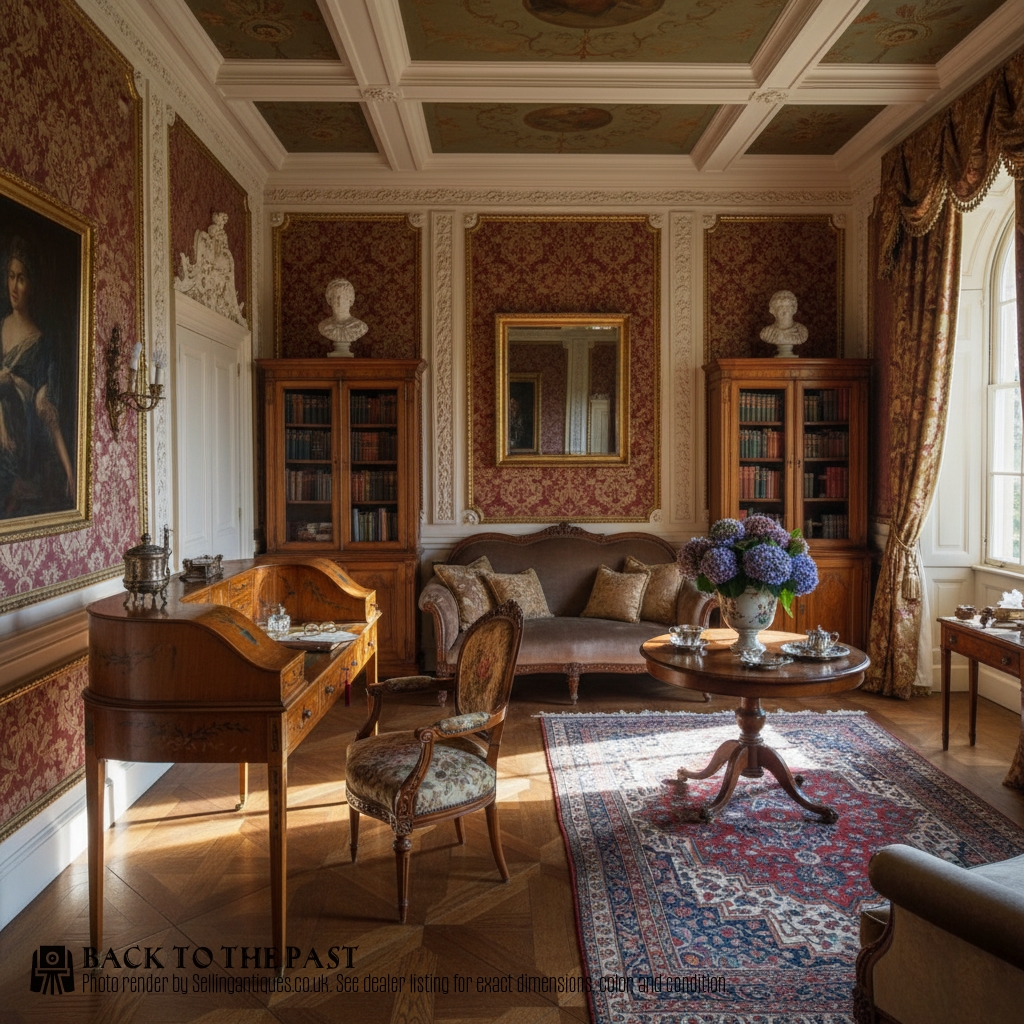
Painted Writing Desk
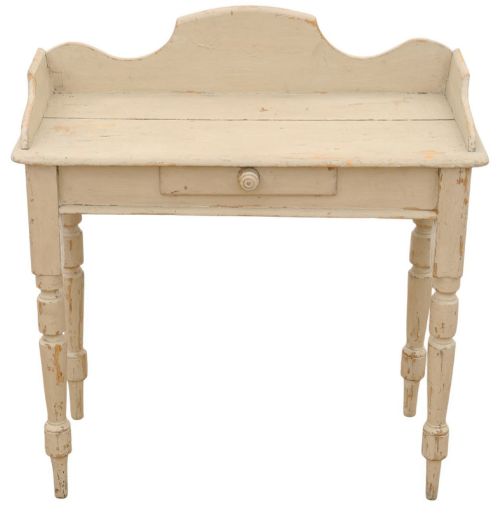
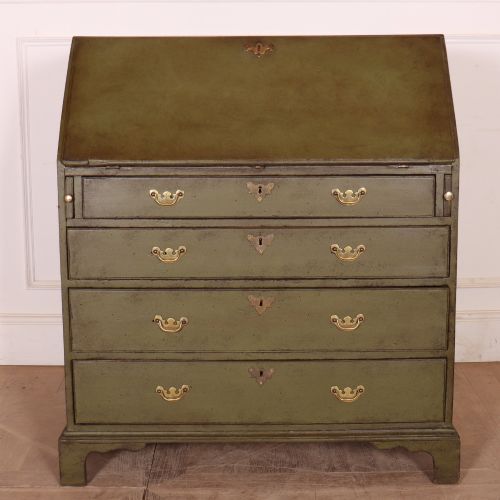
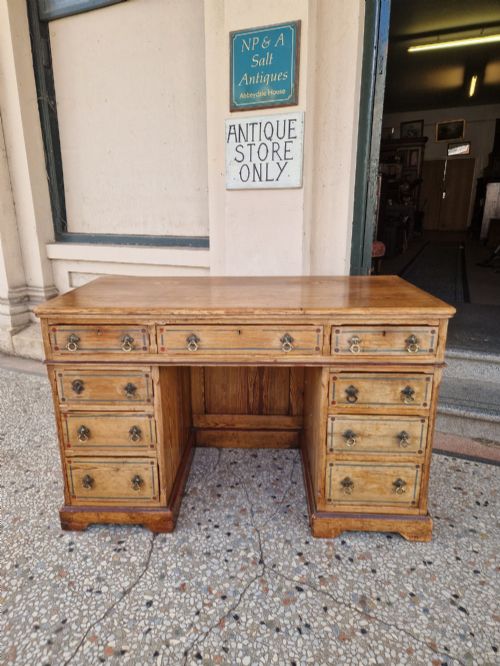
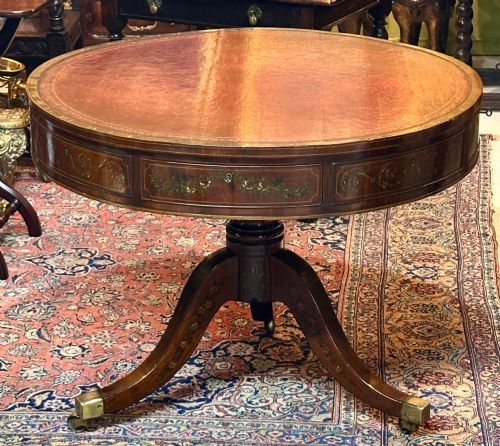
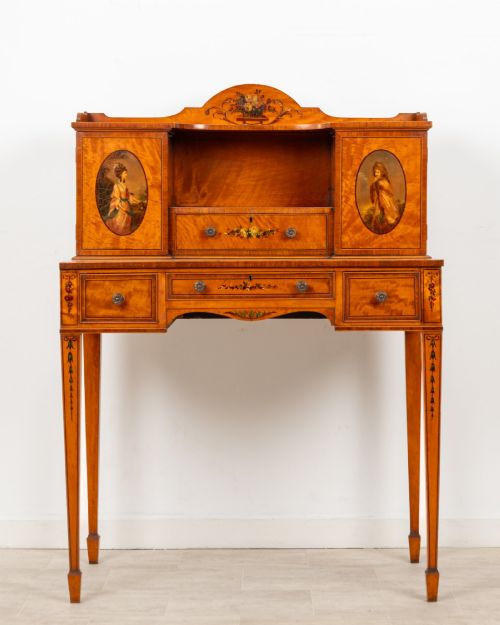
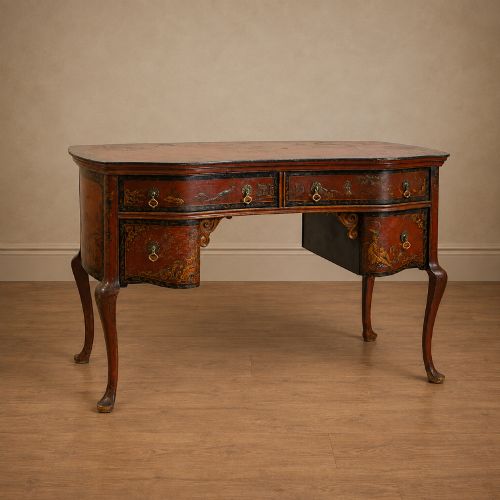
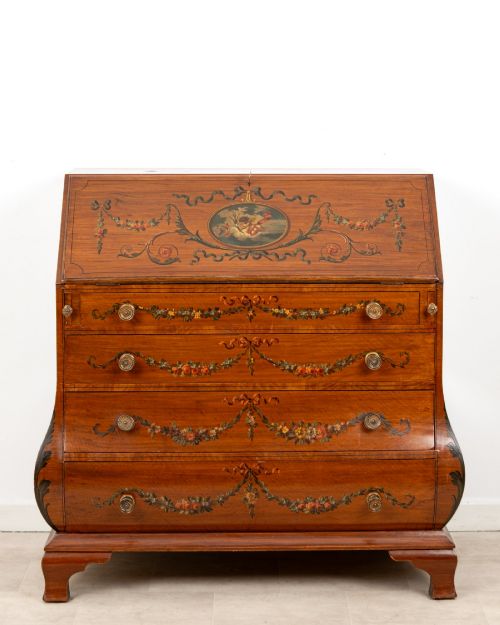
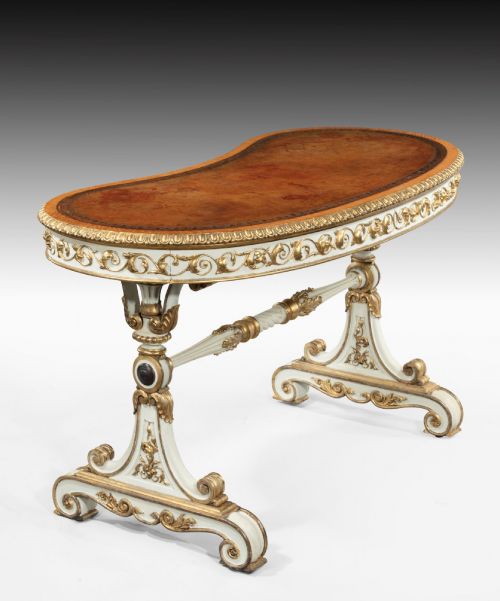
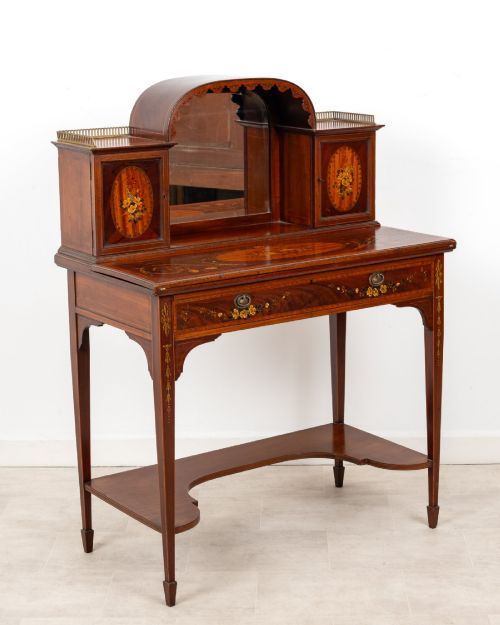
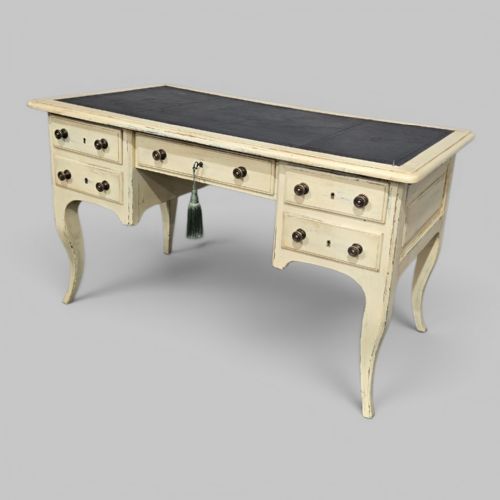
A painted writing desk encompasses a variety of forms designed for correspondence and administrative tasks, ranging from compact satinwood lady's tables with mirrored superstructures to substantial kneehole desks and bureau cabinets. Buyers encounter pieces originating from English, French, Swedish, and Italian workshops across the eighteenth, nineteenth, and early twentieth centuries.
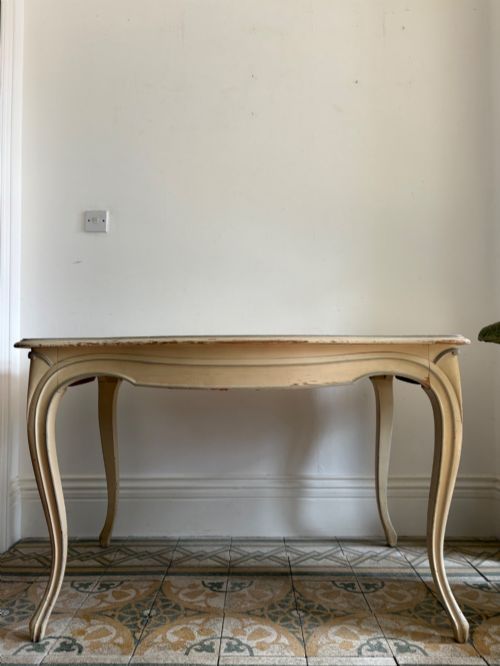
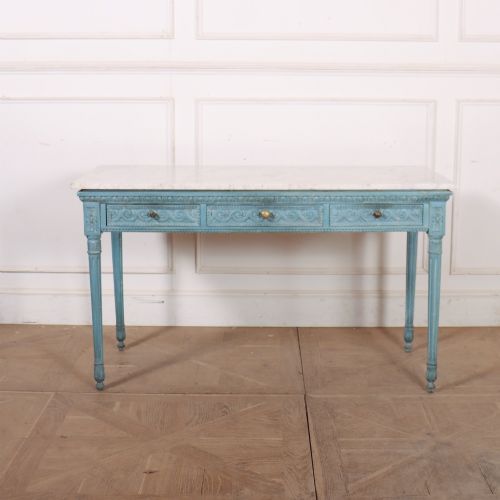
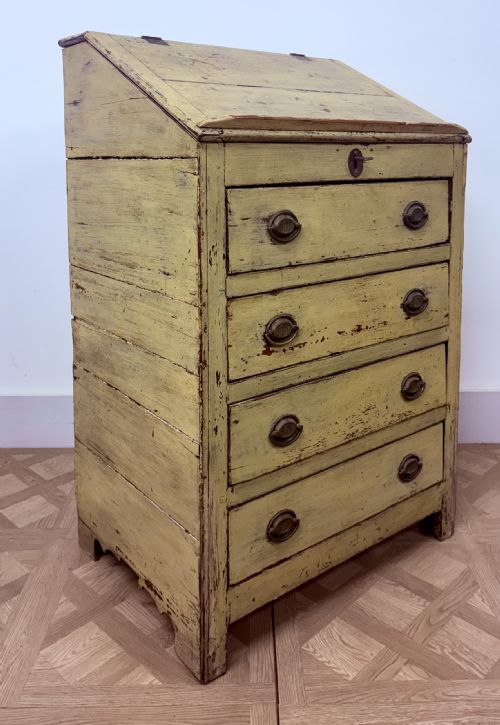
The selection includes specific regional interpretations such as Gustavian console tables, English country pine pieces, and refined Edwardian satinwood writing desks. These furniture items serve both domestic utility and decorative roles, utilising drawer configurations, fall fronts, and writing slopes to manage papers.
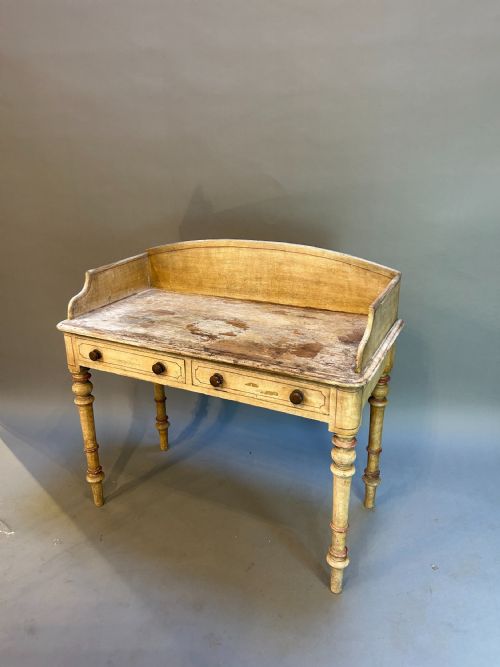
The materials and structural forms reflect the period of manufacture, showing everything from late Georgian pine side tables to elaborate Victorian lacquer and Chinoiserie variants. Such items provide a tangible link to historical workspace furniture while retaining distinct regional aesthetic traditions.
Materials and Construction
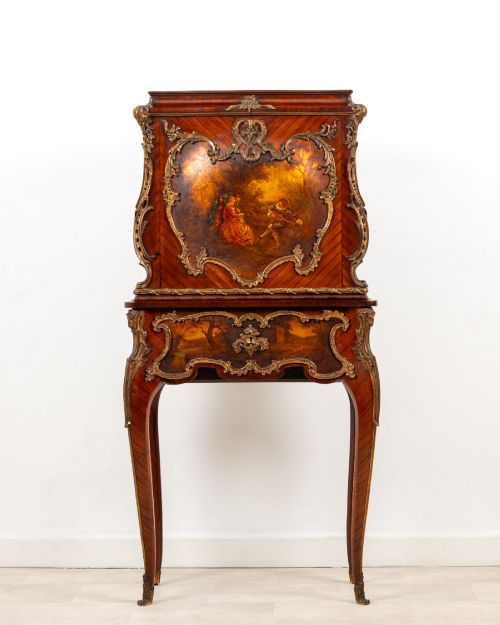
Makers constructed these desks using a foundation of solid timbers such as pine, birch, and mahogany, frequently applying satinwood veneers for finer decorative surfaces. Cabinetmakers combined structural joinery with surface preparation, applying layers of paint, lacquer, or Vernis Martin panels.
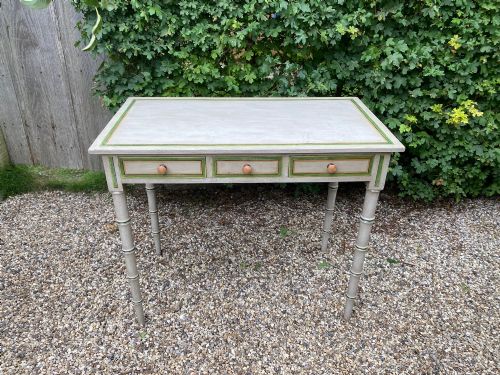
Decorative elements often incorporated hand-painted floral motifs, faux bamboo turning, or ormolu mounts to enhance the visual appeal of the wood or painted ground. Hardware details like brass pulls and inset leather or suede writing surfaces completed the functional construction.
Painted Writing Desk Retail Price Guide 2026
Typical asking prices for painted writing desk among the pieces listed under this phrase on Sellingantiques today, from the lower quarter to the upper quarter. They describe what is for sale here now, not the wider market.
Canines gaze out from nineteenth-century papier-mâché lap desks, preserving loyal companions in lacquer.
Craftsmanship and Surface Preservation
The distinction between tiers of quality rests heavily on the preservation of original painted surfaces and the fineness of the hand-painted decoration. Pieces retaining untouched period paint or detailed satinwood brushwork command greater interest than later repainted examples.
Structural integrity, including the smooth operation of drawers, secretary compartments, and drop-front mechanisms, separates standard utility pieces from fine cabinetwork. The precision of joinery and the selection of underlying timbers further define the tier of each item.
The Painted Writing Desk Glossary
- Bureau
- A desk with a sloping hinged lid that covers a set of drawers and pigeonholes for writing. This form appears across Georgian and Edwardian periods.
- Satinwood
- A durable, lustrous timber native to India and Ceylon, frequently used for fine veneers on late eighteenth and nineteenth-century furniture. It provides a pale, golden ground ideal for hand-painted decoration.
- Vernis Martin
- A type of European lacquer developed in imitation of Asian lacquerwork during the eighteenth century. It employs multiple layers of translucent varnish to achieve a glossy finish over painted panels.
- Faux bamboo
- A decorative treatment where wood is carved or painted to replicate the segmented appearance of natural bamboo. This style gained popularity during the Regency period.
- Kneehole desk
- A freestanding desk featuring a central recess for the user's legs, flanked by pedestals of drawers. These forms provide symmetrical storage and workspace.
Painted Writing Desk: Frequently Asked Questions
How do I date a painted writing desk?
Dating relies on examining the underlying construction techniques, timber choices, and the style of the painted decoration. Details such as dovetailing on drawers and the specific formulation of the paint ground offer chronological clues.
Comparing the hardware and overall proportions to known period examples helps narrow down the decade of manufacture, whether Georgian, Victorian, or Edwardian.
Are painted writing desks suitable for daily work?
Many of these desks function effectively for contemporary writing and laptop use, provided the writing surface is stable and level. Leather and suede inserts offer a traditional, practical surface for daily tasks.
Care should be taken to protect historic painted finishes from moisture, heat, and excessive abrasion during routine use.
How do I care for historic painted wood?
Maintenance requires keeping the piece away from direct sunlight and sources of heat to prevent the wood from warping and the paint from flaking. Dusting should be done gently with a soft, dry cloth without modern chemical polishes.
Professional conservation advice is recommended if the paint surface shows signs of lifting or instability.