


Eighteenth Century Desk
An eighteenth century desk brings centuries of craftsmanship into a study, offering rich timbers and practical writing spaces that collectors prize.
Identifying an eighteenth century desk
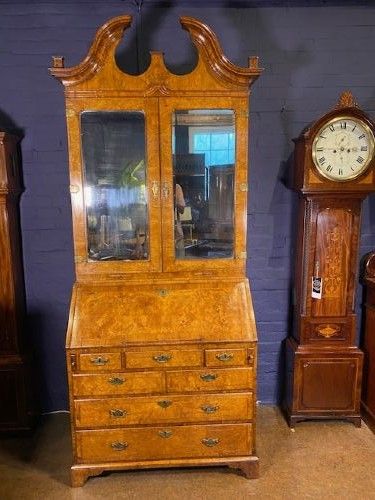
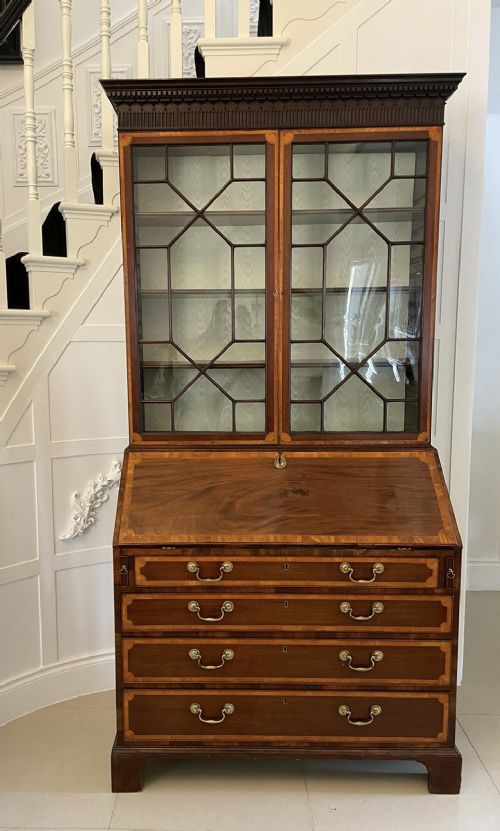
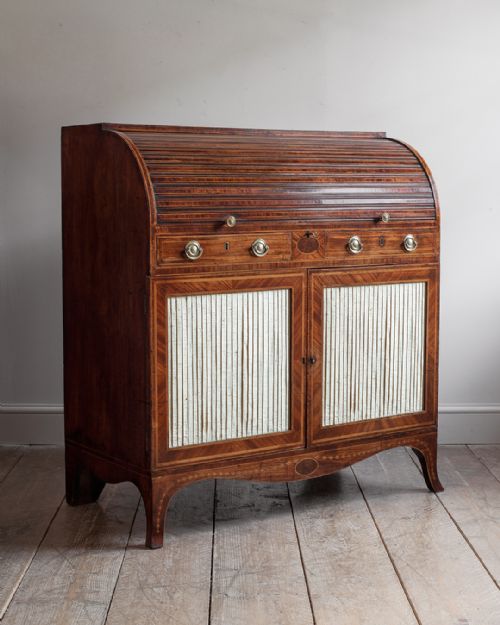
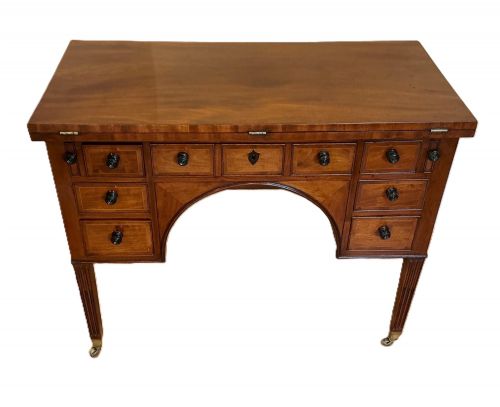
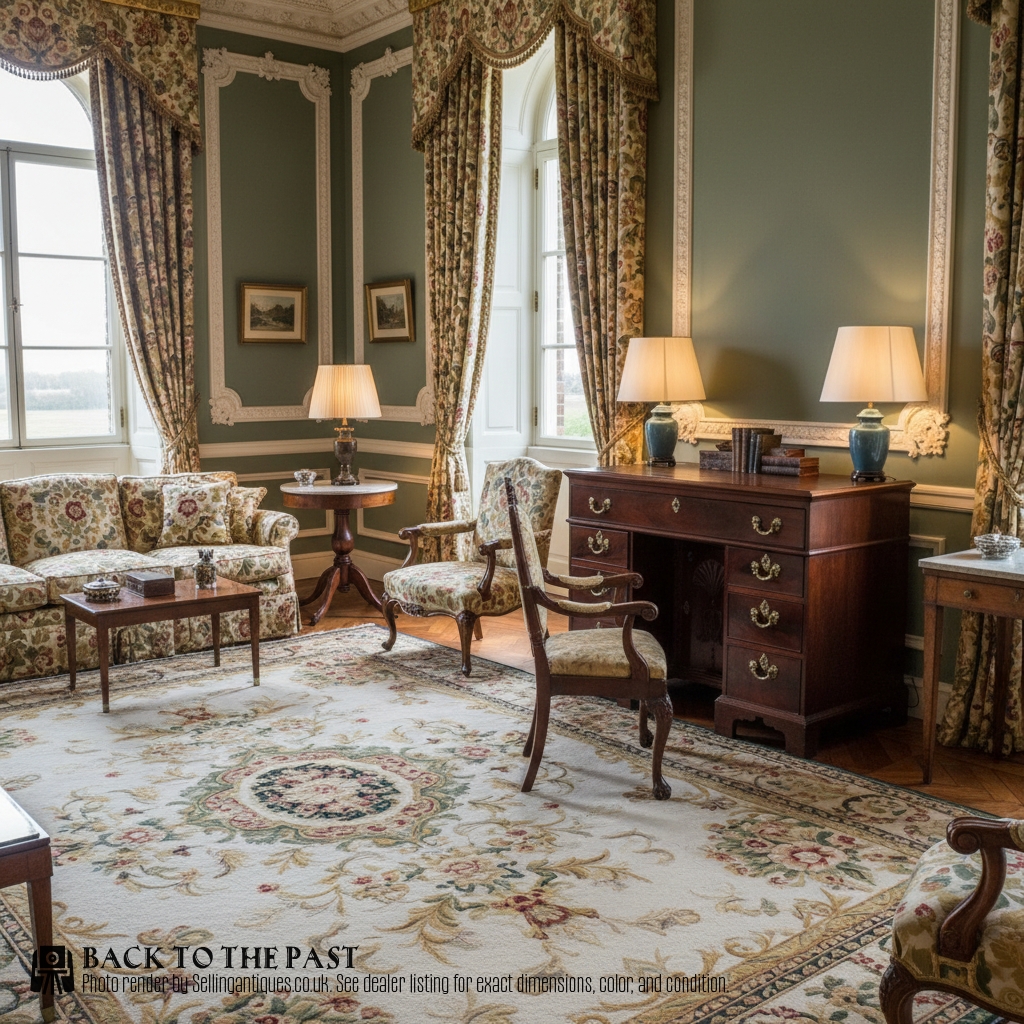
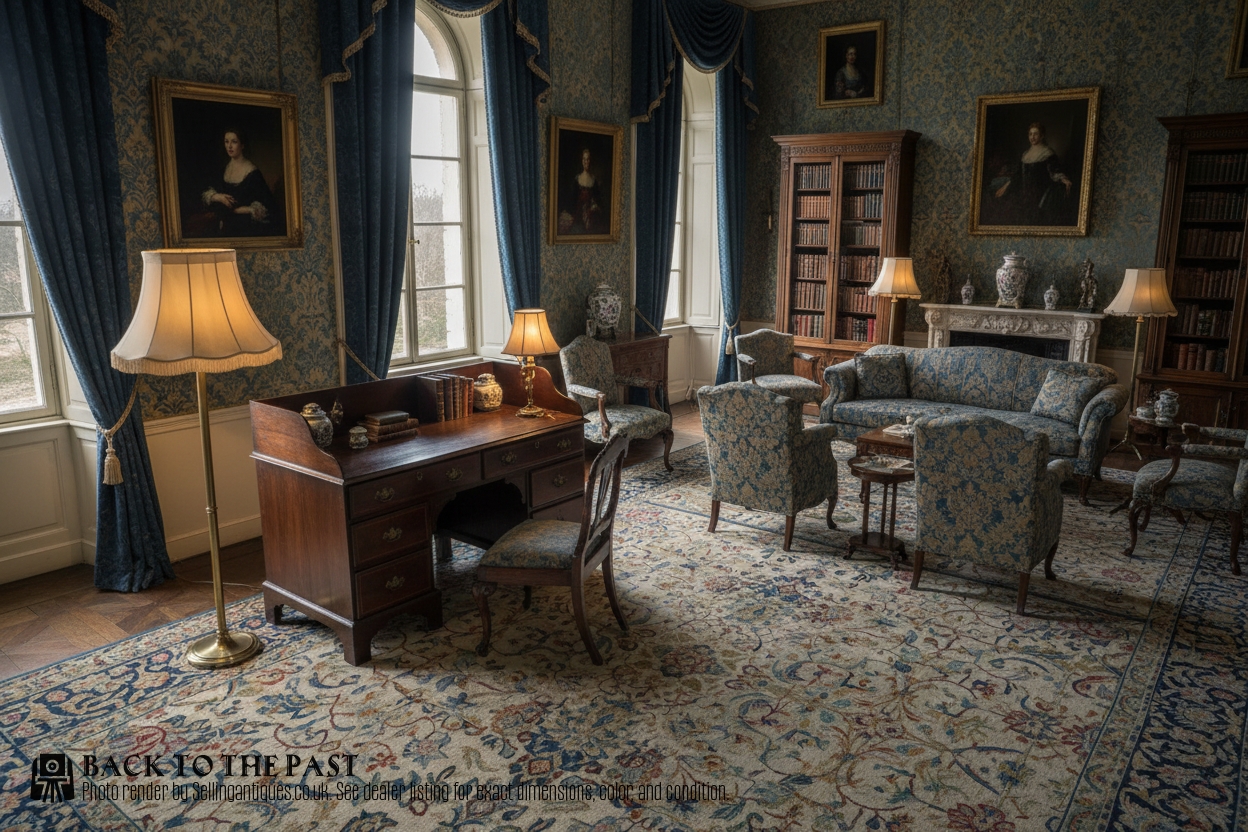
When you search for an eighteenth century desk, you encounter substantial writing furniture created during the Georgian and George I periods. These pieces include sophisticated partners writing tables and fitted kneehole desks designed for serious correspondence and estate management.
The versions you are most likely to meet on this page are mahogany and walnut examples, often featuring structured banks of drawers and central kneeholes. Some items reflect later interpretations or revivals from around eighteen-ninety and nineteen-twenty, whilst others date strictly to the mid-eighteenth century.
Makers and craftsmen of the era constructed these desks to serve as the functional centre of a gentleman's library or study. Their durable forms have survived centuries of daily use, maintaining their utility for modern writers and collectors alike.
Materials and construction
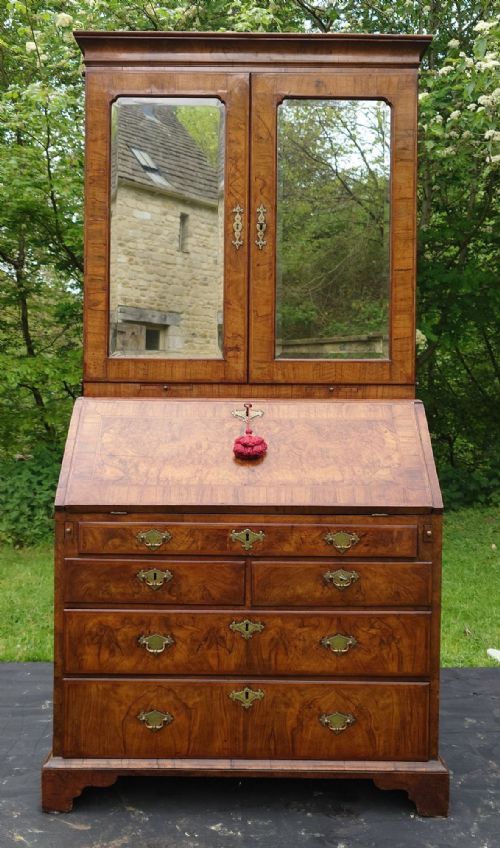
Cabinetmakers built these desks using dense, figured hardwoods such as mahogany and walnut, frequently incorporating contrasting satinwood details. These timbers provided both structural strength and a handsome surface grain that responded well to hand-rubbed finishes.
Metalwork played a crucial structural and decorative role, with heavy brass handles, escutcheons, and occasional stands appearing across the pieces. Joinery relied on traditional hand-cut techniques to house numerous internal drawers and pigeonholes securely.
Retail Price Guide 2026
Typical UK retail prices for eighteenth century desk, calculated from the Sellingantiques database of over a million retail prices indexed since 2003. This retail price guide relies exclusively on Sellingantiques data; no external sources or auction records are used, so the figures do not describe the wider market.
Assessing quality and character
The distinction between standard items and exceptional pieces rests upon the quality of the timber selection and the crispness of the carving. Superior examples display carefully chosen grain patterns across the primary surfaces and meticulous dovetailing within the drawer construction.
Proportion and intact original hardware elevate a desk's standing among serious collectors. Refined details like serpentine drawer fronts and cohesive brass fittings demonstrate the higher tier of period craftsmanship.

George Adams of Fleet Street
The Eighteenth Century Desk Glossary
- Kneehole desk
- A compact writing table featuring a central recessed space flanked by two pedestals of small drawers. This form became particularly popular during the early Georgian era for domestic studies.
- Partners writing table
- A large desk designed to be used from both sides simultaneously, typically fitted with drawers and cupboards facing in opposite directions. These pieces usually served in institutional or large estate settings.
- Standish
- A portable inkstand or desk set holding inkwells, pounce pots, and quill pens. Eighteenth-century versions were often cast in brass for durability during daily use.
- Serpentine desk
- A writing furniture piece with a distinctive undulating curved front. This styling requires advanced woodworking skill to shape the solid timber drawers accurately.
- Escutcheon
- A protective brass plate surrounding a keyhole. It prevents the surrounding wood from wearing away through repeated use of the key.
Frequently Asked Questions
What is an eighteenth century kneehole desk?
A kneehole desk is a compact writing table featuring a recessed central opening beneath the main writing surface, flanked by stacked columns of drawers. This configuration provides ample storage whilst allowing the user to sit comfortably directly in front of the piece.
Such items were frequently used in private studies and dressing rooms during the Georgian period. Their modest footprint made them practical for domestic settings where space was at a premium.
How do I care for an antique mahogany desk?
Caring for antique mahogany involves keeping the wood away from direct sunlight and maintaining stable indoor humidity levels to prevent the timber from splitting. Regular dusting with a soft, dry cloth preserves the finish without building up heavy chemical residues.
Applying a traditional beeswax polish occasionally helps nourish the grain and protects the surface from minor scuffs. Avoid placing wet items or hot cups directly on the antique wood to protect the polished surface.
How can I tell a partners desk apart?
A partners desk is distinguished by its double-sided construction, which allows two people to work opposite one another at the same piece of furniture. Both sides feature matching drawers and cupboards, making the desk completely symmetrical in its utility.
These large tables typically stood in the middle of a room rather than against a wall. Their finished backs and substantial proportions set them apart from standard single-sided writing desks.
Are all these desks from the seventeen hundreds?
Not every desk listed dates strictly to the seventeen hundreds, as the selection includes later revivals and interpretations from subsequent decades. While many pieces originate from the Georgian era and seventeen-fifty, others date to the late nineteenth and early twentieth centuries.
Reviewing the specific period details for each item helps clarify its exact age of manufacture. The variety reflects the enduring popularity of Georgian design across different eras of furniture making.