
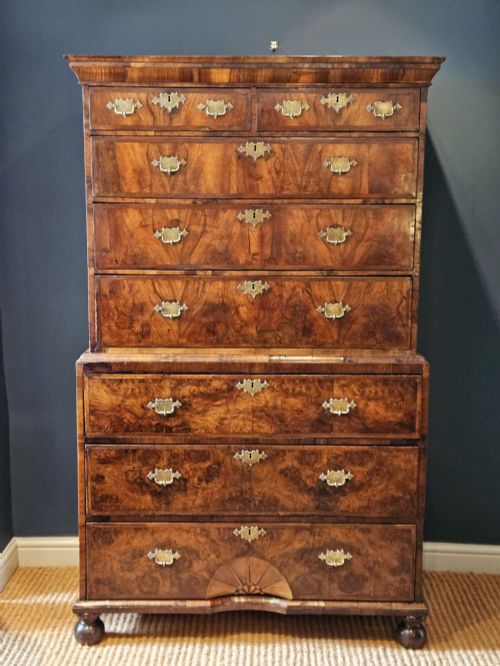
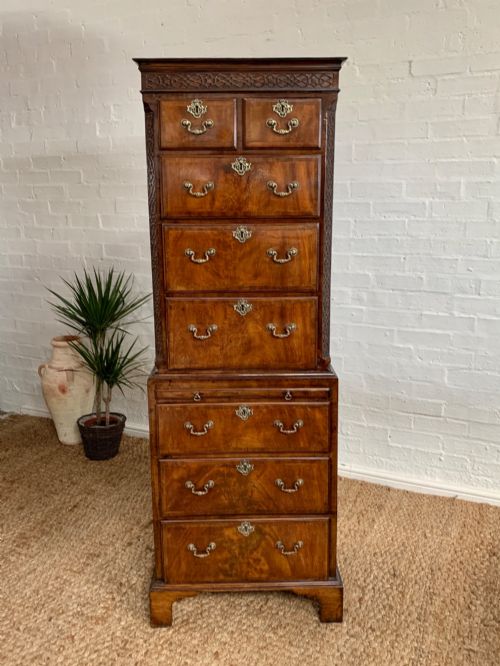
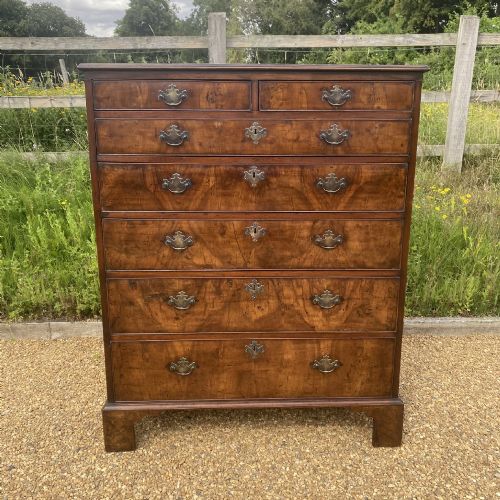
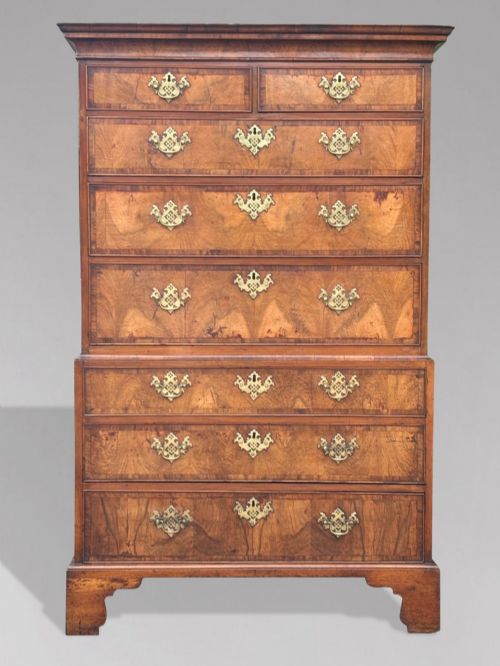
George I Walnut Furniture
George I walnut furniture represents early eighteenth-century British craftsmanship at its finest, offering rich timber figures and exceptional proportions.
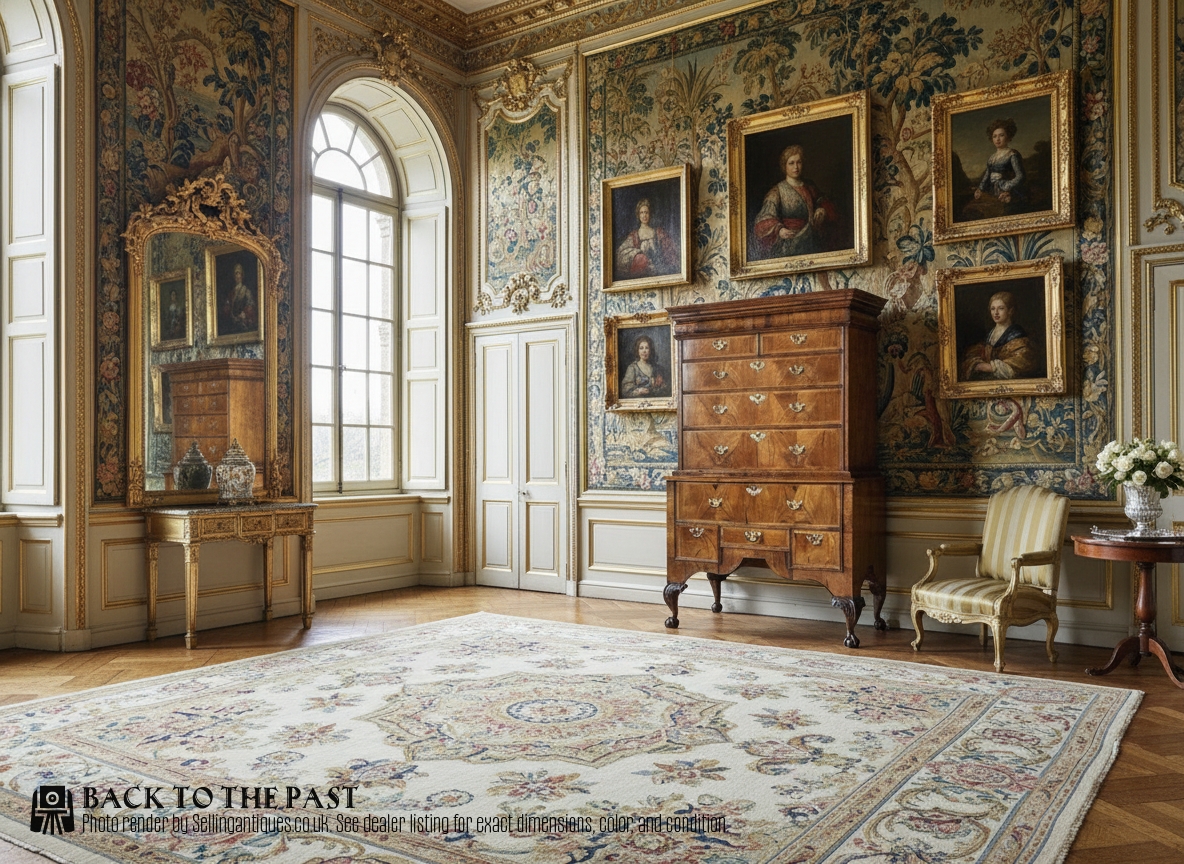
What george i walnut furniture is
George I walnut furniture comprises sophisticated forms created during the early eighteenth century, specifically within the Georgian era. Buyers exploring this category encounter substantial functional pieces designed for domestic storage and writing.
These items originate predominantly from the eighteenth century, showcasing the distinct aesthetic priorities of the reign. Each surviving piece demonstrates the domestic arrangements and interior tastes of early Georgian households.
How they were made
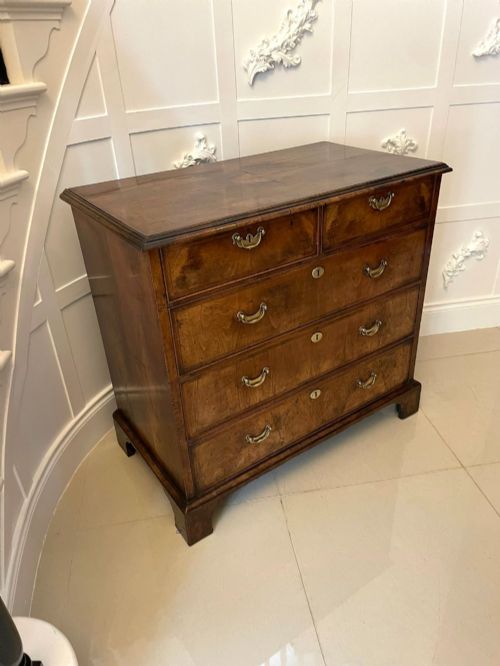
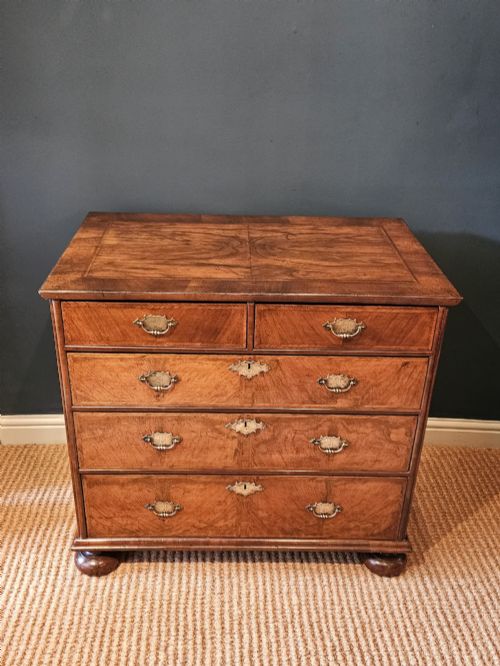
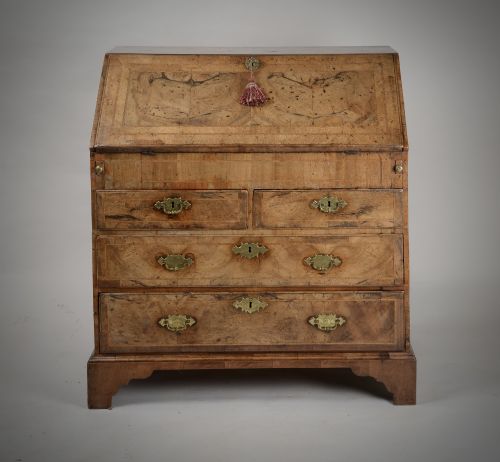
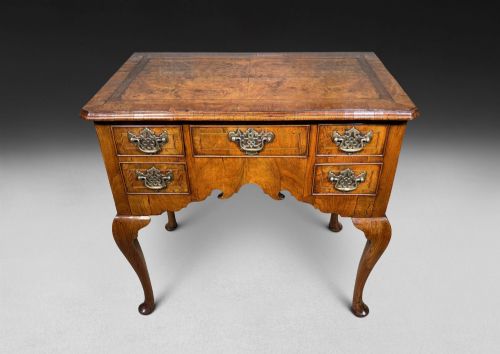
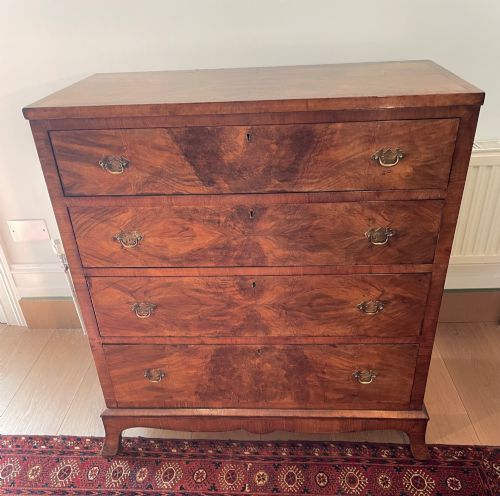
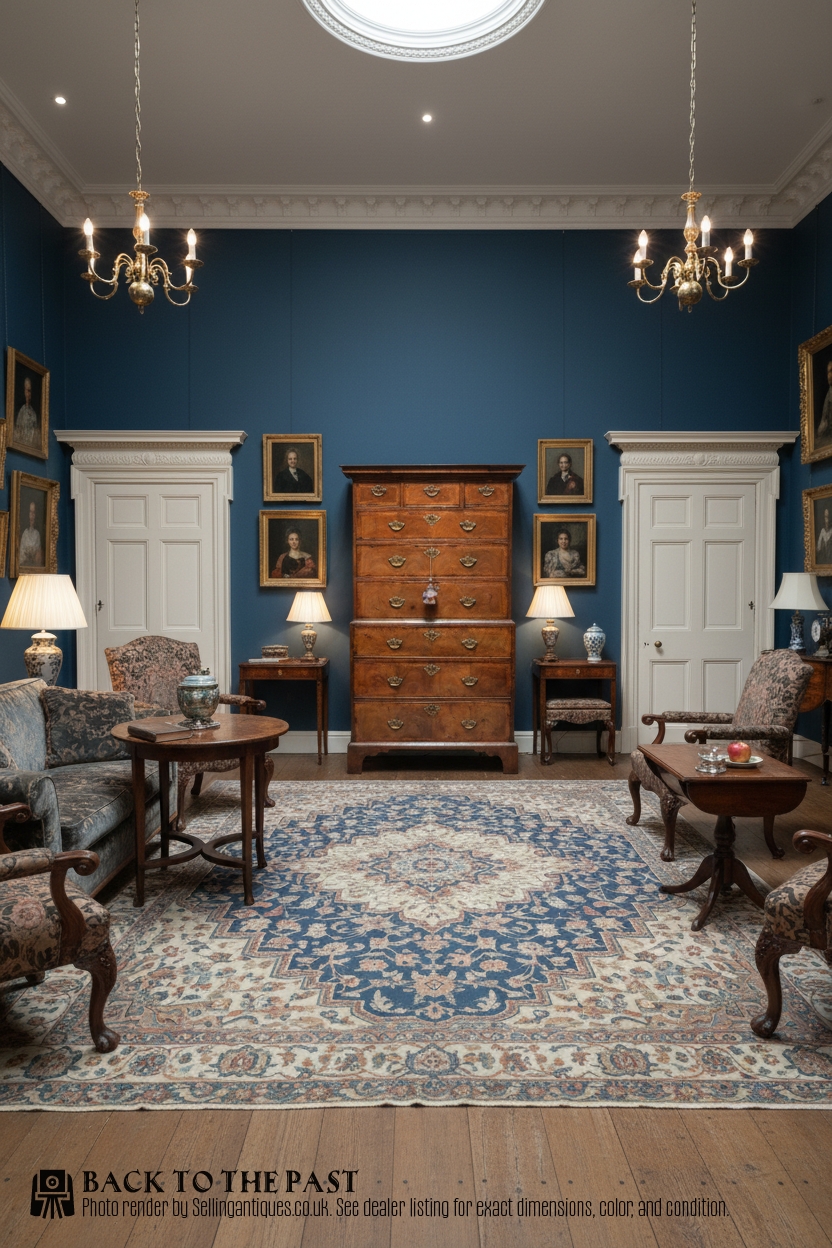
Cabinetmakers utilised walnut timber as the primary surface material, frequently employing decorative oyster veneering to create complex circular patterns across drawer fronts and flat surfaces. Secondary structural elements commonly incorporate oak for stability and drawer linings.
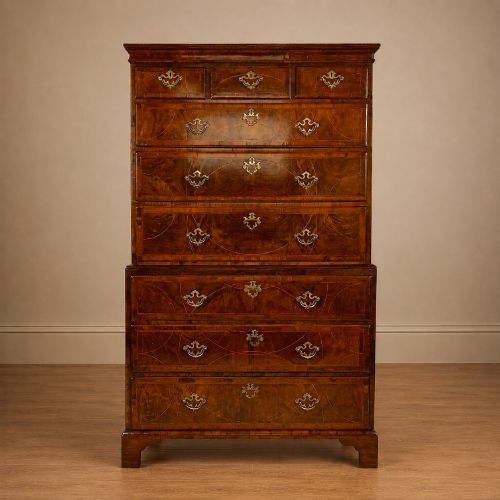
Detailing often includes contrasting boxwood stringing and inlay work to accentuate the grain of the walnut. Hardware typically consists of brass drop handles and escutcheons, fastened to the timber to complement the darker tones of the wood.
Writing surfaces and working areas occasionally integrate leather inserts suited to daily clerical tasks. The combination of these woods and metals demonstrates the specialised joinery techniques of early eighteenth-century workshops.
Retail Price Guide 2026
Typical UK retail prices for george i walnut furniture, calculated from the Sellingantiques database of over a million retail prices indexed since 2003. This retail price guide relies exclusively on Sellingantiques data; no external sources or auction records are used, so the figures do not describe the wider market.
Current listings exclusively feature 18th Century and Georgian period pieces constructed from walnut, oak, brass, boxwood, and leather.
What varies in quality
Distinctions in quality often rest upon the complexity of the timber figure and the precision of the veneering work. Finer examples display meticulously matched grain patterns across expansive surfaces, whereas lesser pieces show more uniform or disrupted timber selection.
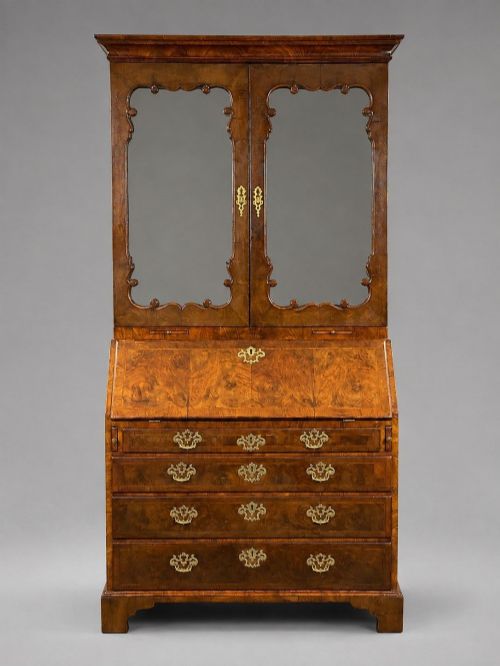
The sophistication of the form dictates upper tiers of craftsmanship, particularly where complex structures like bureau bookcases or fitted kneehole desks are concerned. Structural integrity and the harmonious retention of original brass hardware further separate standard domestic items from exceptional commissions.
The George I Walnut Furniture Glossary
- Oyster veneering
- Cutting small branches or shoots across the grain to produce circular, oyster-like patterns of wood. This decorative technique is characteristic of late seventeenth and early eighteenth-century cabinet work.
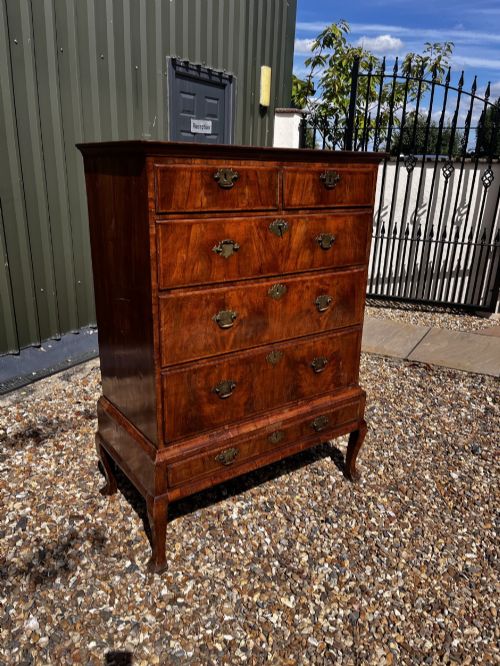
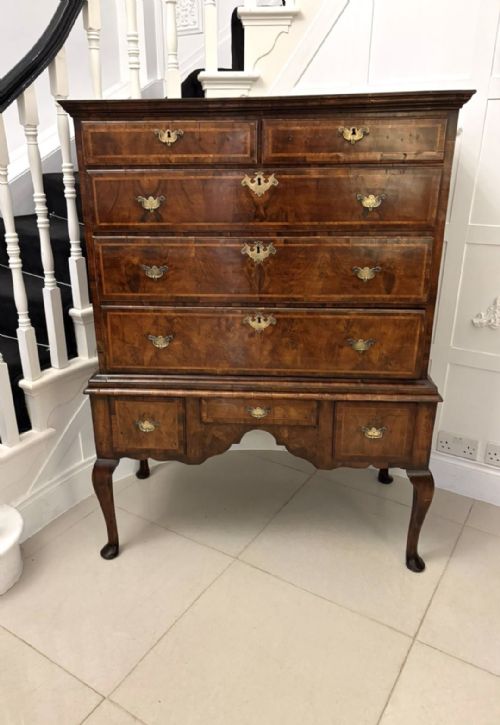
- Chest on stand
- A tall storage form consisting of a primary chest section elevated on a separate framework with legs. This configuration lightened the visual weight of large case furniture.
- Bureau bookcase
- A dual-purpose case piece featuring a sloping desk flap above lower drawers, surmounted by an enclosed upper shelving section with doors. It served as both a writing cabinet and a library.
- Kneehole desk
- A compact writing table featuring a central recessed knee space flanked by banks of small drawers. These tables often include a concealed secret drawer behind the central arch.
- Boxwood stringing
- Inlaid narrow lines of pale boxwood set into contrasting darker veneers to create geometric borders. This technique highlights the structural outlines of drawer fronts and panels.
Frequently Asked Questions
What is george i walnut furniture?
George I walnut furniture comprises case pieces and desks produced during the early eighteenth-century Georgian era. These items are defined by their use of walnut timber and sophisticated cabinet-making techniques.
Surviving examples range from practical chests of drawers to complex bureau bookcases designed for affluent households.
What woods are used in these pieces?
Walnut serves as the primary decorative surface wood, frequently displayed as solid timber or intricate veneer work. Secondary woods like oak are commonly found in internal drawer construction.
Additional materials such as boxwood and brass appear as decorative stringing and functional hardware respectively.
Where were these pieces used originally?
These items functioned as high-status furnishings within early eighteenth-century domestic interiors, serving reception rooms, bedchambers, and private studies. Desks and bureau bookcases accommodated correspondence and document storage.
Chests and chests on stand provided secure storage for garments and household linens in elite households.