


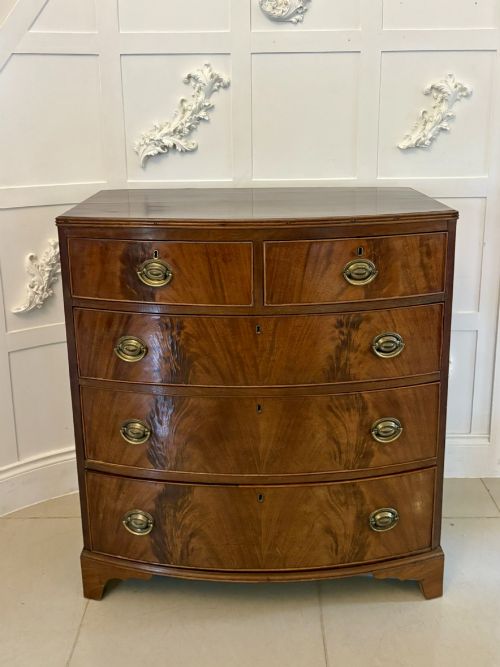
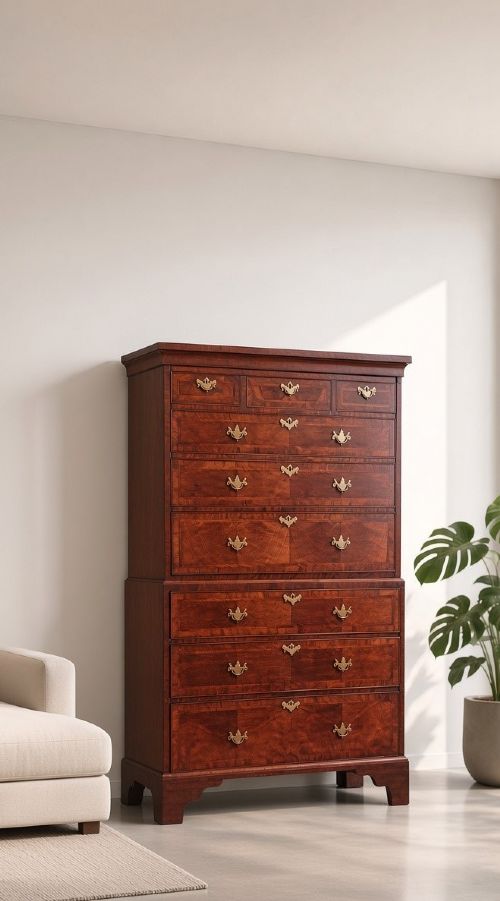
Georgian Period Chest Drawers
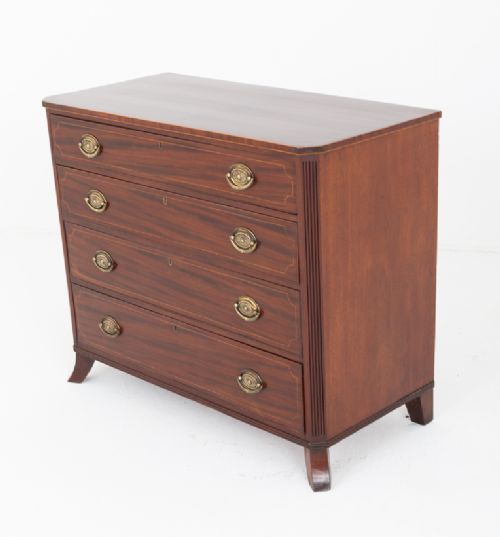
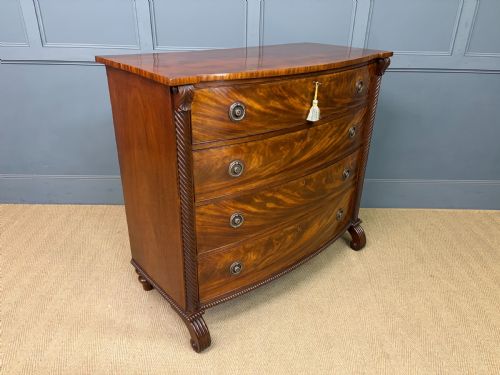
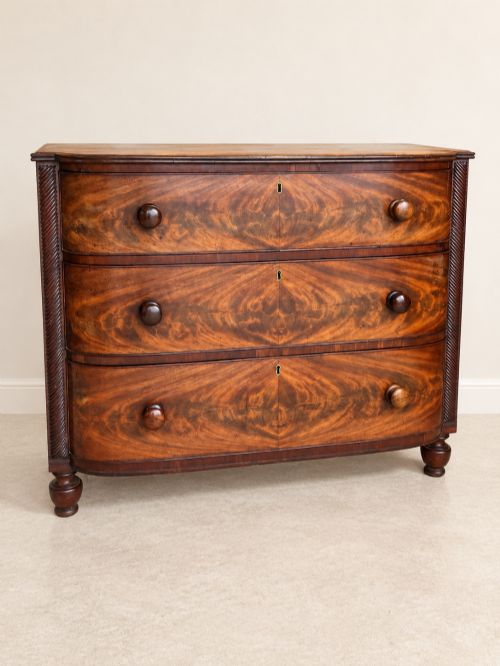
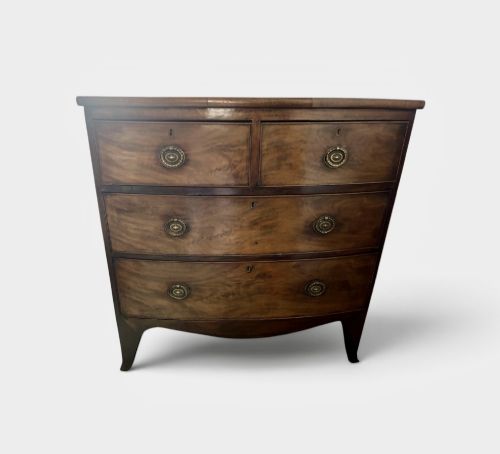
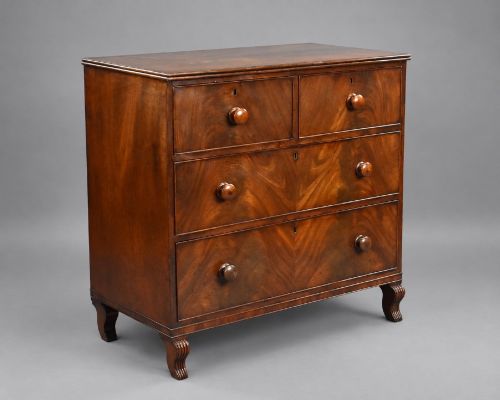
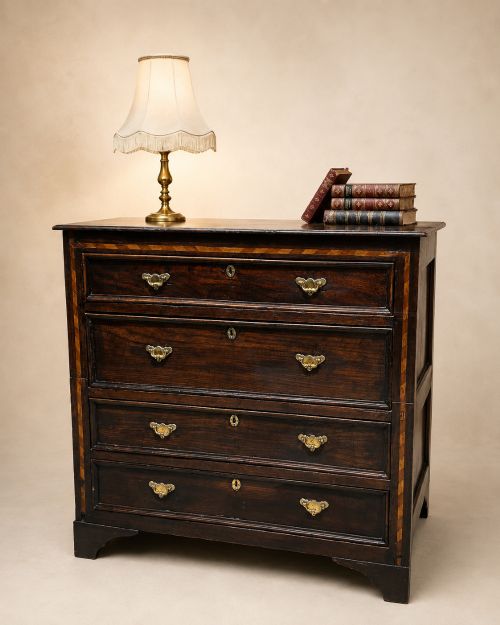
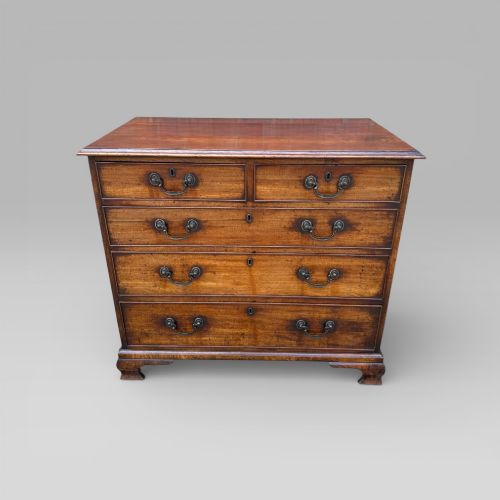
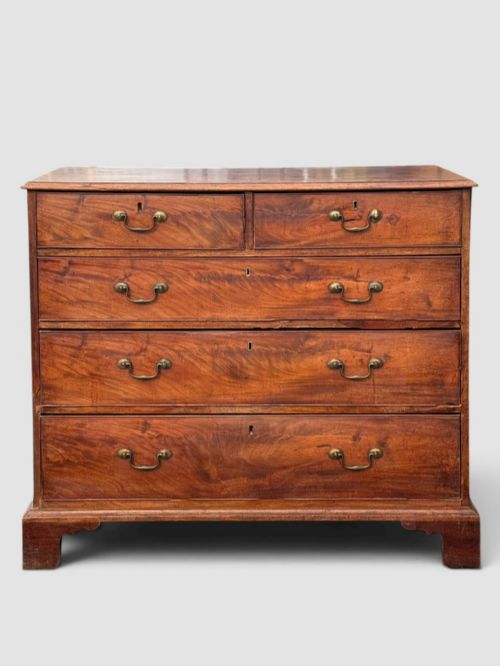
A georgian period chest drawers delivers timeless proportion and rich timber figure, anchoring a room with dependable storage.
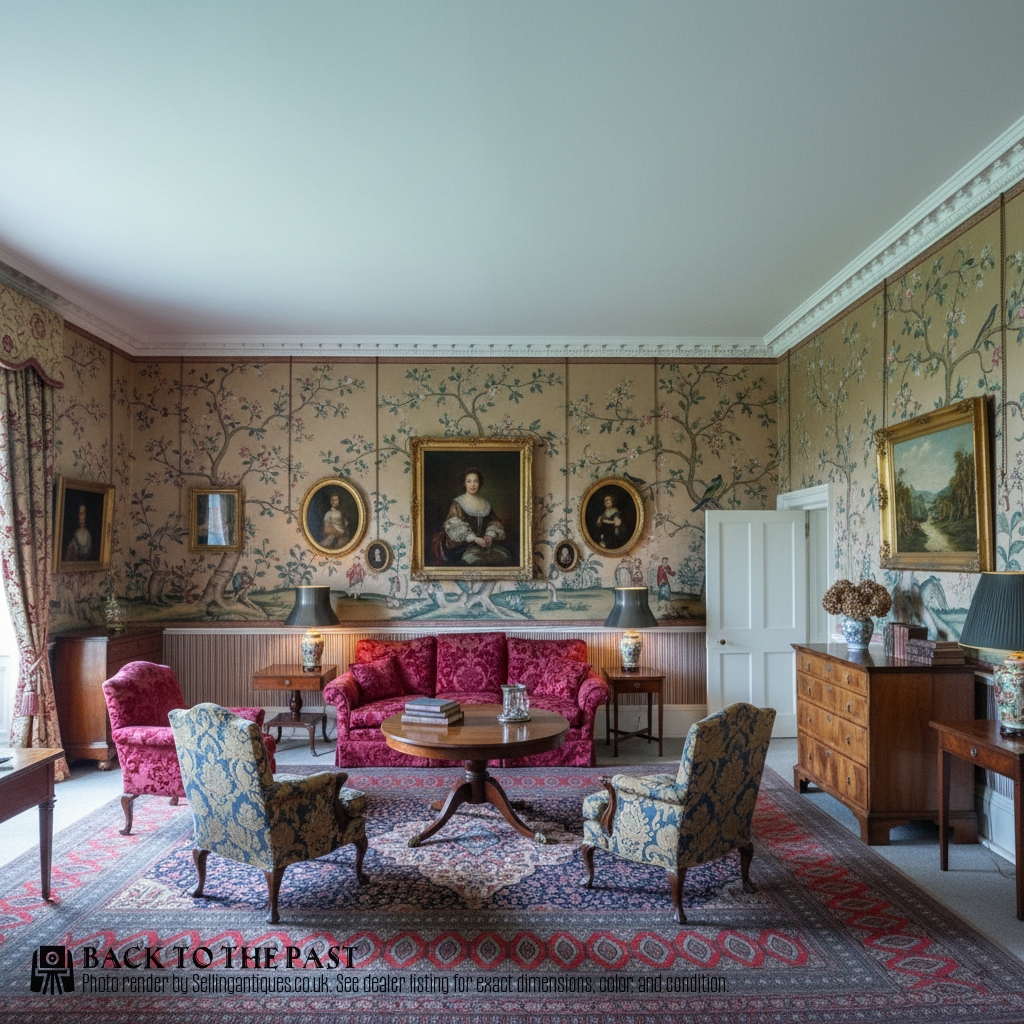
Georgian Period Chest Drawers
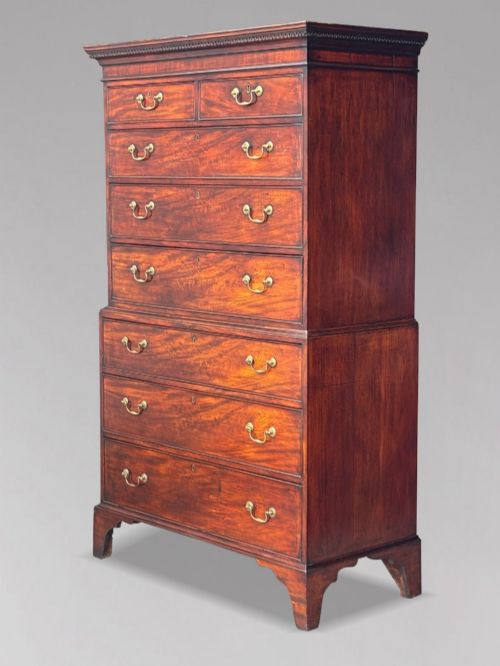
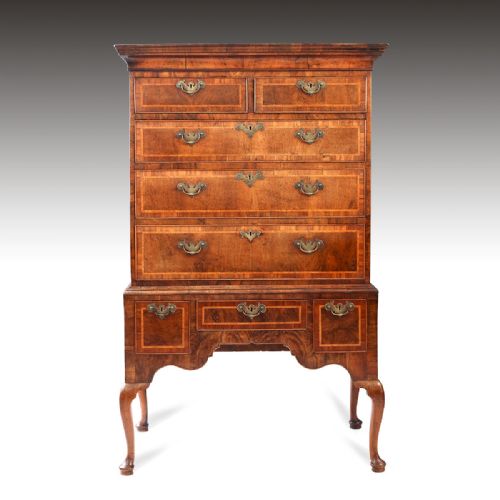
When searching for a georgian period chest drawers, buyers encounter a variety of substantial forms originating from the eighteenth and early nineteenth centuries. The standard rectangular chest of drawers dominates alongside elegant bow fronts, serpentine fronts, and towering chests on chests or tallboys.
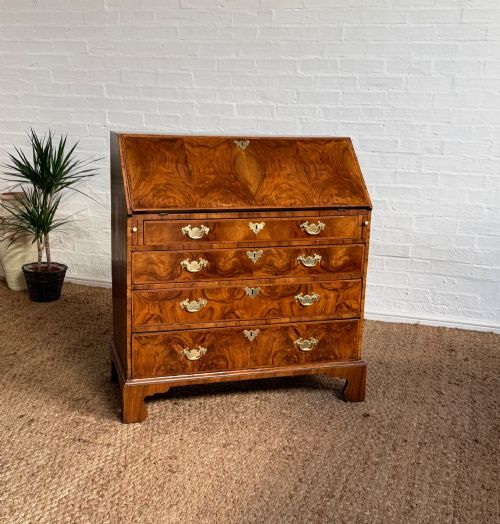
Alongside conventional drawer configurations, the selection includes specialised forms such as chests on stands, bureaus with writing surfaces, and compact hall chests. These pieces span from the walnut dominant periods of Queen Anne and George I through to the mahogany rich eras of George III and the Regency period.
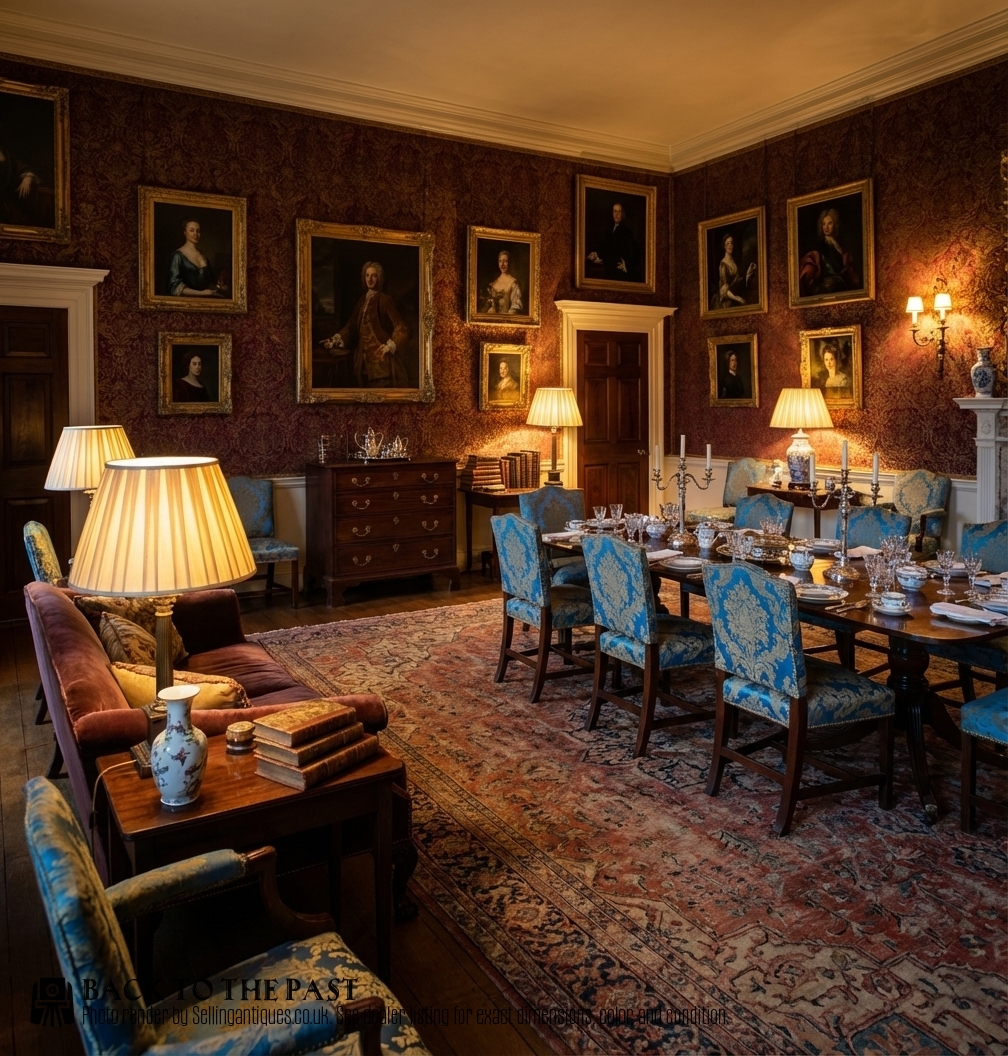
Materials and Construction
Cabinet makers of the era relied heavily on solid mahogany and oak, frequently deploying figured mahogany veneer, burr walnut, and flame mahogany veneer to achieve striking grain patterns on drawer fronts and primary surfaces. Secondary timbers like pine and elm were routinely utilised for drawer linings and internal carcase work.
Construction relied on traditional joinery techniques, paired with brass hardware including swing handles and escutcheons. Decorative elements incorporated geometric mouldings, inlaid details, and occasional painted finishes depending on the specific regional workshop and prevailing style.
Georgian Period Chest Drawers Retail Price Guide 2026
Typical asking prices for georgian period chest drawers among the pieces listed under this phrase on Sellingantiques today, from the lower quarter to the upper quarter. They describe what is for sale here now, not the wider market.
Among the storage pieces, close stools masquerade as small bedside chests, hiding domestic utility behind polite Georgian joinery.
Judging Quality and Character
Quality in a georgian period chest drawers rests upon the choice of timber and the dexterity shown in matching veneers across drawer fronts. Pieces displaying highly figured mahogany or rich burr walnut sit at the upper end of the range, where grain continuity shows deliberate planning by the maker.
Proportion and the retention of original brass handles or distinct regional timbers such as elm and oak elevate a piece. The crispness of geometric mouldings and the integrity of secondary woods underneath further distinguish superior examples from standard workshop production.
J Moorcroft
The Georgian Period Chest Drawers Glossary
- Bow front
- A convex curved cabinet front popular during the Regency and George III periods. This shaping softens the rectangular silhouette of a standard chest.
- Chest on chest
- A tall storage unit comprising an upper chest of drawers stacked directly upon a slightly wider lower chest, sometimes called a tallboy. This form maximises vertical storage capacity.
- Serpentine front
- A cabinet front featuring a convex centre flanked by concave curves, characteristic of Chippendale period design. It requires high carpentry skill to execute successfully.
- Chest on stand
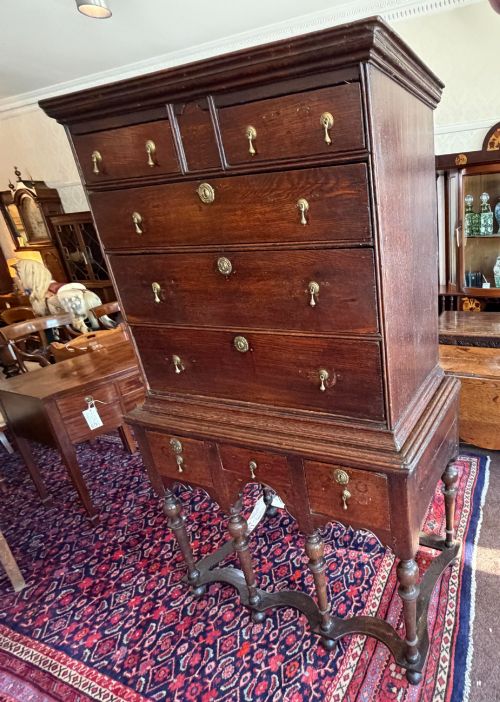
- A chest of drawers raised upon a separate base with legs, frequently seen in walnut and oak pieces from the early eighteenth century. This configuration lightens the visual weight of the furniture.
- Flame mahogany veneer
- Timber sliced to reveal a flickering, flame-like grain pattern used prominently on drawer facades during the Regency era. It catches the light to create depth.
- Bureau
- A desk form incorporating a sloping fall-front that opens to reveal writing surfaces and small internal compartments. These often combine drawer storage beneath the writing section.
Georgian Period Chest Drawers: Frequently Asked Questions
How do I spot a Georgian chest?
Look for timber selection, hand-cut dovetails on the drawer sides, and period brass hardware. The proportions typically adhere to classical architectural rules established during the eighteenth century.
Examine the secondary woods inside the carcase, such as oak or pine, which differ significantly from later Victorian manufacturing standards.
How were walnut and mahogany used?
Walnut dominated the earlier decades of the eighteenth century under Queen Anne and the early Georges, often fashioned into burr veneers. Mahogany superseded walnut as the primary timber later in the century.
Makers utilised figured mahogany veneers on primary drawer fronts while retaining solid mahogany or oak for the structural framework.
What is a chest on stand?
A chest on stand is an elevated storage form where a compact drawer section sits atop an open legged frame. These pieces often date from the Queen Anne and George I eras.
The raised base gives the furniture a lighter appearance compared to standard floor-standing chests.