

Small Dresser
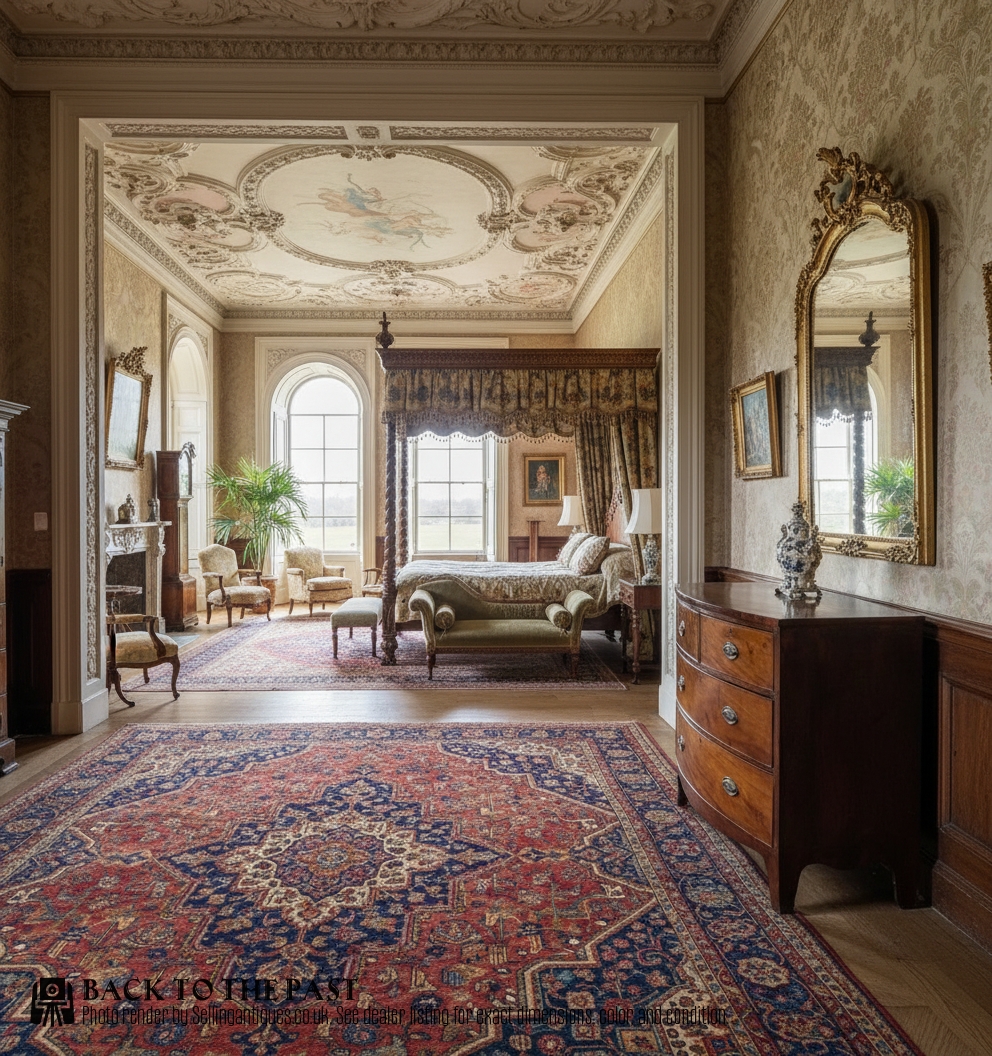
A small antique dresser brings domestic history into a compact footprint, offering practical storage alongside centuries of vernacular craftsmanship.
Small Dresser
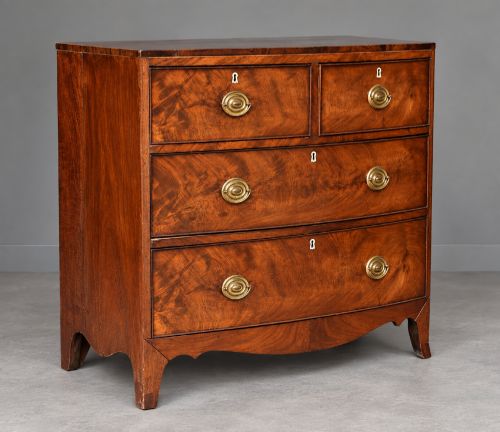
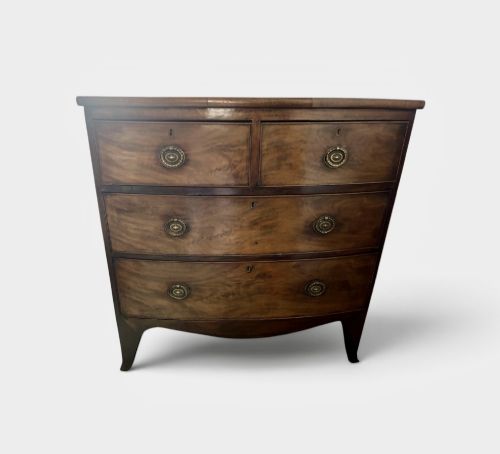
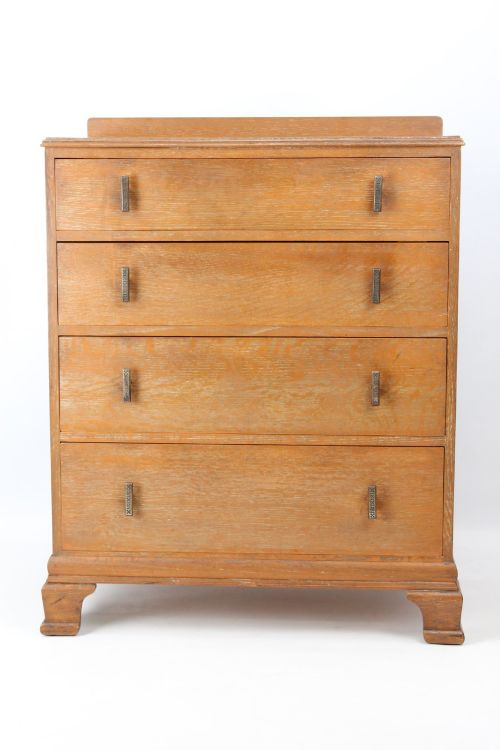
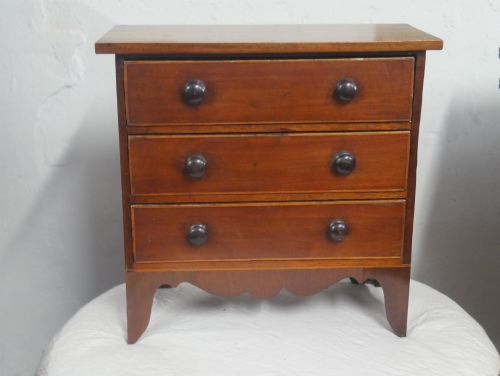
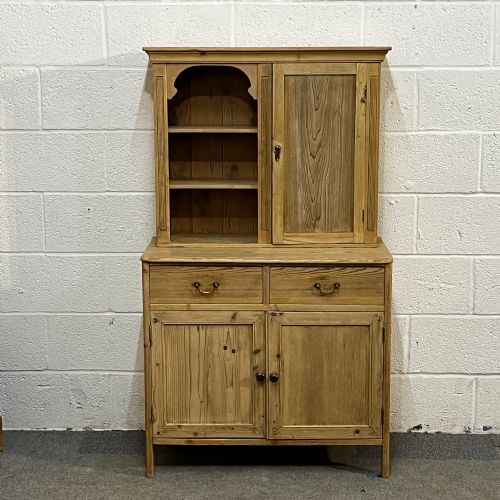
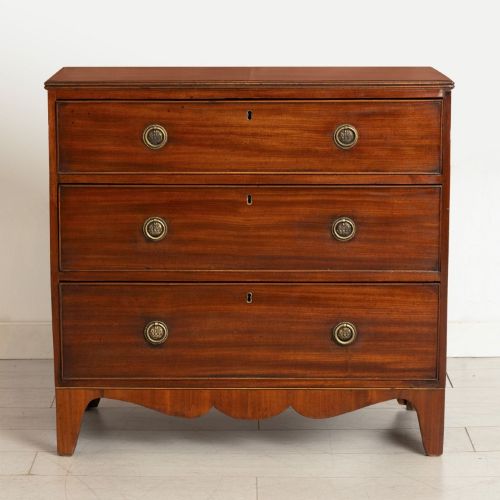
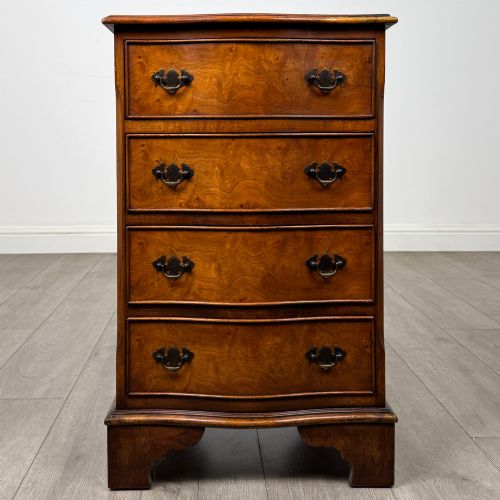
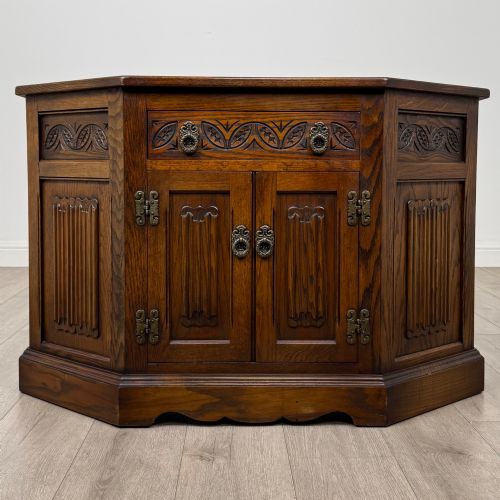
A small antique dresser typically comprises a lower base cabinet fitted with drawers or cupboards, often accompanied by an upper plate rack. When collectors search for a small antique dresser, they encounter pieces ranging from rustic country pine examples to formal Georgian oak and mahogany designs.
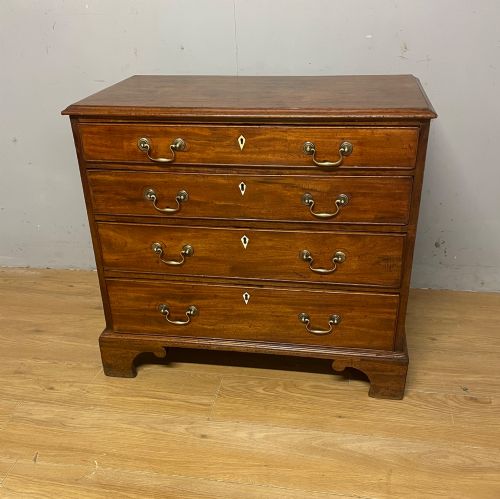
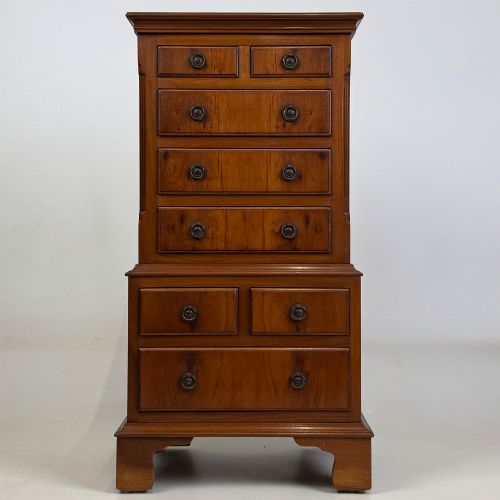
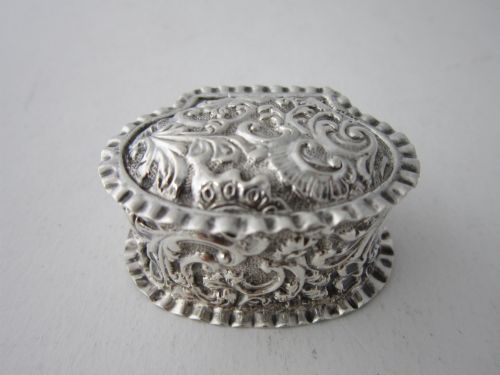
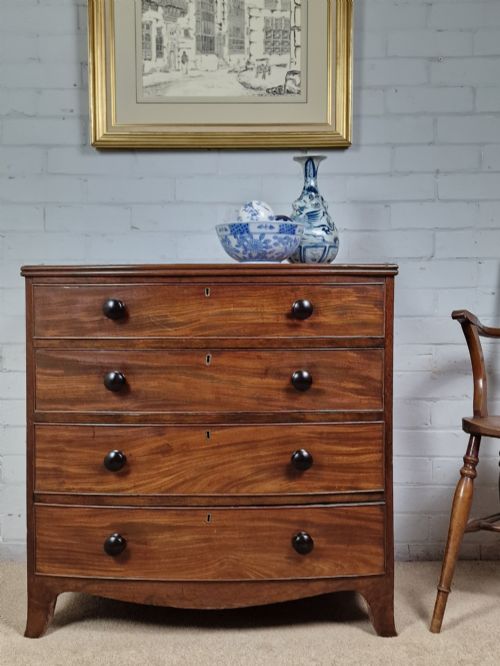
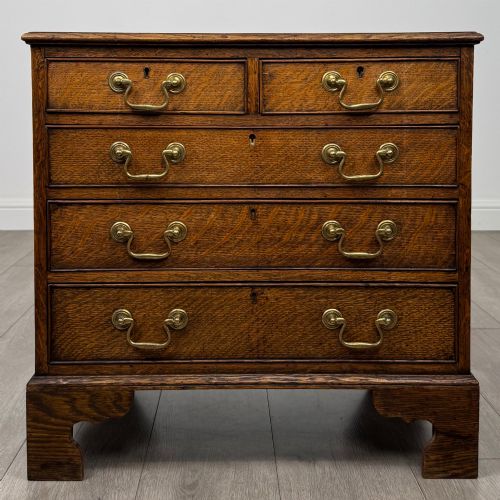
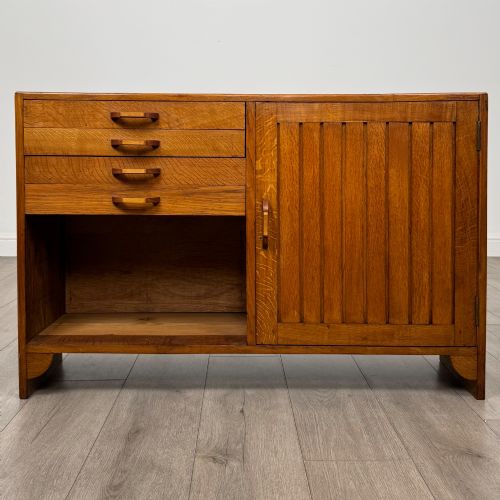
The selections span centuries, from eighteenth-century Welsh and Snowdonia joined high dressers to Edwardian and Art Deco iterations. Alongside traditional kitchen dressers and sideboard bases, the category embraces miniature apprentice chests, compact bowfront chests of drawers, and occasional trinket boxes.
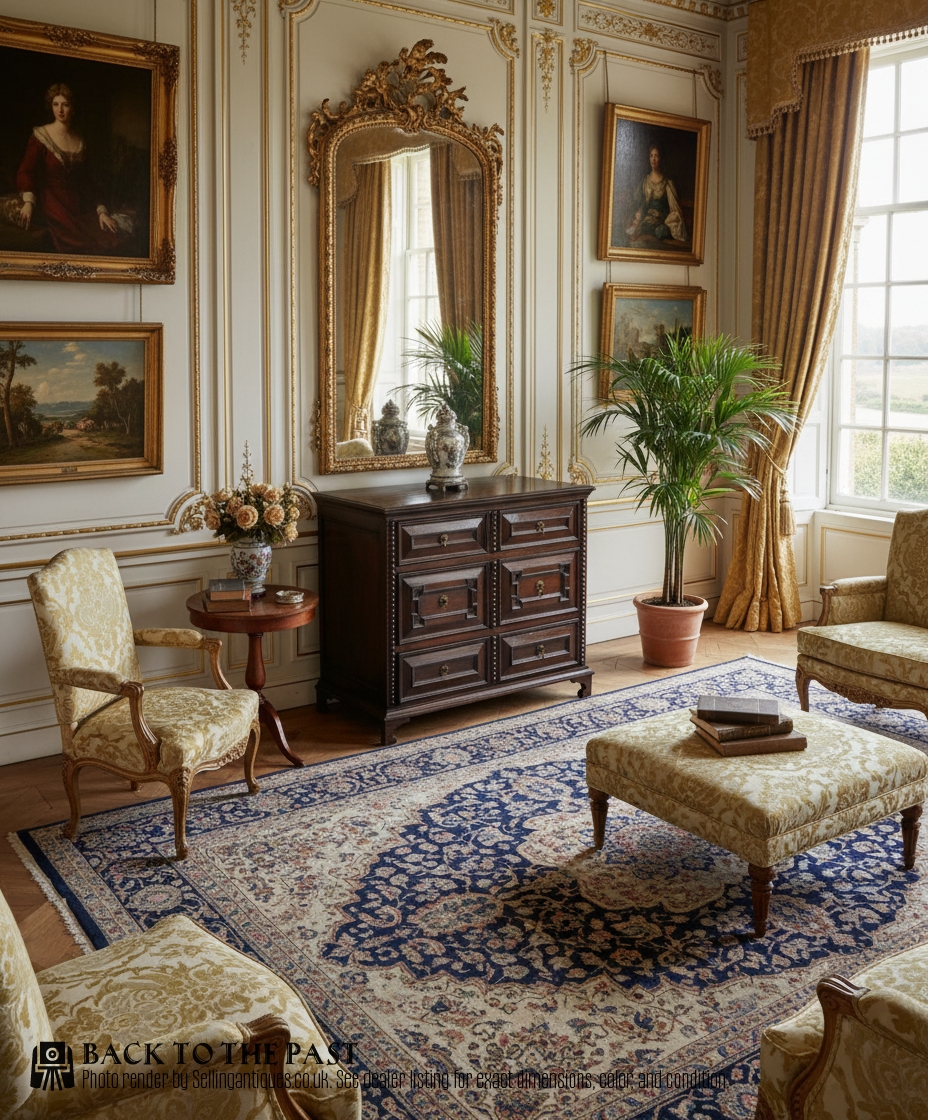
How They Were Made
Cabinetmakers relied heavily on solid hardwoods such as oak, walnut, and mahogany, frequently pairing them with secondary timbers like pine and elm for internal drawer linings and backboards. Surfaces were often enhanced with decorative veneers, crossbanded borders, and polished brass handles or working locks.
Joinery techniques dictated the longevity of these items, utilising pegged mortise and tenon joints in earlier country pieces and precise dovetailing for drawer construction. Finishes ranged from waxed pine and natural oiled oak to the rich, dark patination acquired by eighteenth-century mahogany.
Small Dresser Retail Price Guide 2026
Typical asking prices for small dresser among the pieces listed under this phrase on Sellingantiques today, from the lower quarter to the upper quarter. They describe what is for sale here now, not the wider market.
Some compact Georgian chests conceal secret drawers tucked quietly beneath the moulding, waiting to guard hidden notes and family trinkets.
What Varies in Quality
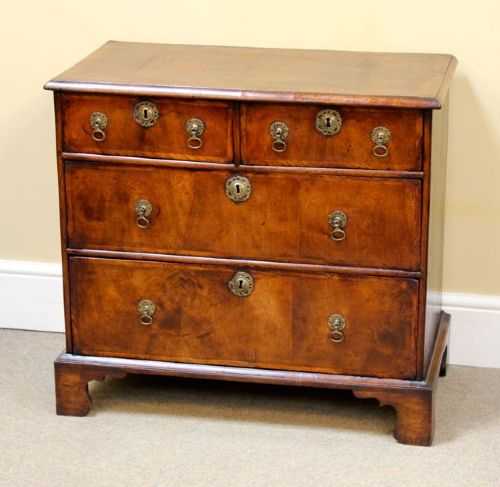
Quality rests significantly on the integrity of the timber selection and the restraint of the proportions, where finely figured burr walnut, rich mahogany, or well-figured oak elevate a piece beyond standard utility. The sophistication of the detailing, such as crisp bracket feet, subtle cockbeading around drawers, and original hardware, distinguishes master cabinetwork from regional vernacular output.
Proportion and original state dictate standing, with untouched surfaces, retainment of original plate racks on dressers, and smooth-running secret or brushing slides indicating superior craftsmanship. Alterations to feet, replaced handles, or stripped and overly refinished pine diminish the historical cohesion valued by discerning collectors.
Peter Waals
The Small Dresser Glossary
- Bowfront
- A convex, curved front on a chest of drawers or dresser base. This style gained popularity during the Georgian and Regency periods to soften room angles.
- Dresser base
- The lower section of a kitchen or dining dresser, functioning essentially as a sideboard with drawers and cupboards. These pieces were historically used for food preparation and storage.
- Plate rack
- The open shelving superstructure mounted above a dresser base for displaying ceramic plates and platters. Surviving original racks significantly enhance the completeness of an antique dresser.
- Brushing slide
- A pull-out shelf integrated into the upper drawer section of a chest or cabinet. It served as a temporary writing surface or clothes-brushing platform.
- Potboard
- An open slatted lower shelf fitted between the legs of early country dressers. It was originally designed to store pots and heavy kitchen utensils off damp floors.
Small Dresser: Frequently Asked Questions
What is the difference between a dresser base and a high dresser?
A dresser base consists solely of the lower cabinet portion, featuring cupboards and drawers beneath a flat top surface, functioning much like a sideboard.
In contrast, a high dresser includes the upper plate rack superstructure attached to the back for displaying ceramics, creating a taller and more traditional profile.
How can I distinguish an 18th-century oak dresser from a later revival piece?
Eighteenth-century examples display authentic signs of age through hand-carved joinery, pegged tenons, uneven board widths, and deep patination accumulated from generations of domestic use.
Revival pieces, such as those made in the Jacobean or Georgian revival styles during the early twentieth century, often exhibit machine-sawn timber uniformity and standardised modern fastenings.
Where were small Welsh dressers traditionally used in the home?
These compact pieces were built primarily for farmhouse and cottage kitchens, where floor space was at a premium yet sturdy storage was essential.
They housed daily tableware, linens, and provisions, while the open rack displayed the household's best pewter or earthenware plates.
Are pine dressers considered antiques if they have been painted?
Many historic pine kitchen dressers were routinely painted or waxed by their owners over centuries of domestic life, which remains an accepted part of their vernacular charm.
The presence of old, distressed paint layers often adds to the character and authenticity of country furniture rather than diminishing its appeal.