

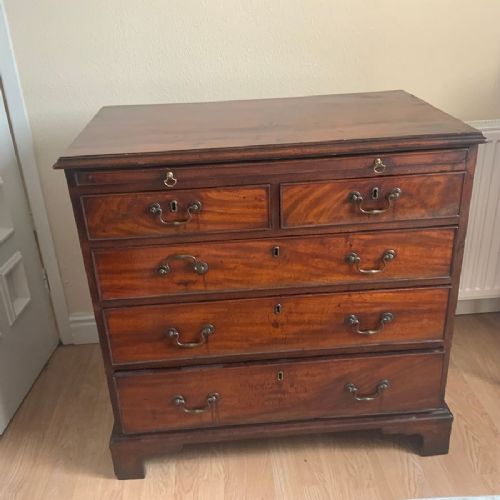


George II Dresser
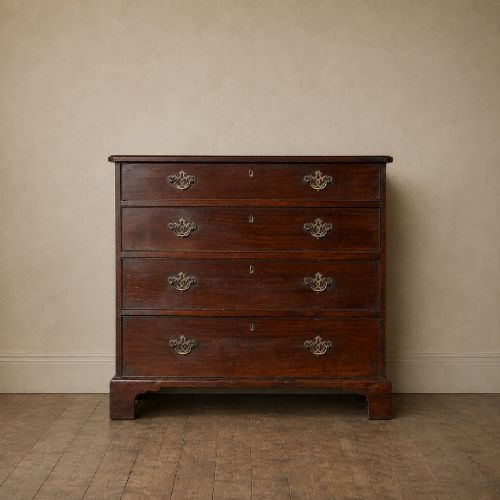
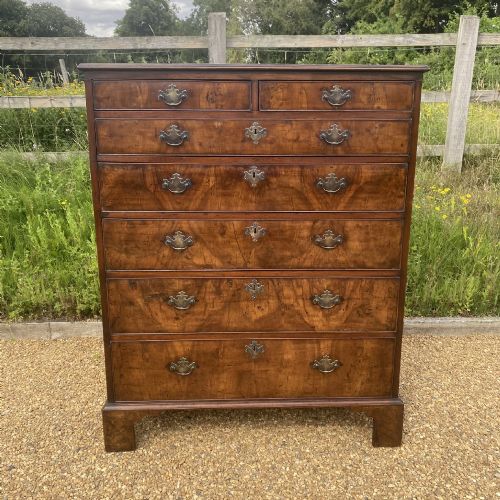
These george ii dresser pieces span oak and walnut, bringing mid-eighteenth-century utility and presence into a room.
George II Dresser
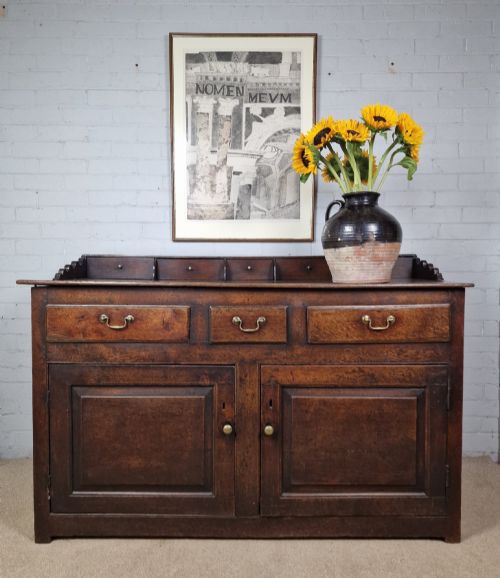
A george ii dresser brings together utilitarian storage and display, most frequently seen on this page as sturdy oak dresser bases and open pot board dressers from the eighteenth century. These pieces were built for country houses and domestic interiors, offering deep drawers and lower shelves designed for everyday household service.
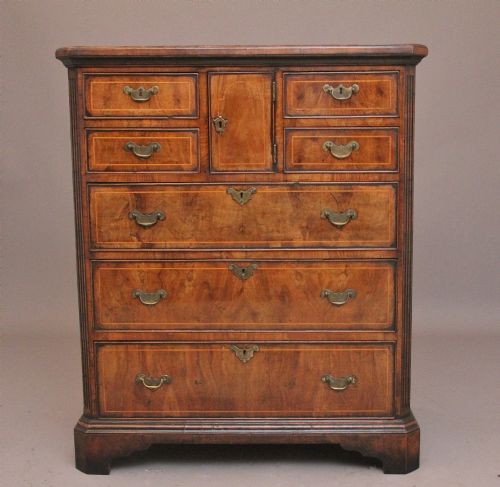
Beyond the standard oak variants, the listings reveal walnut and burr walnut examples alongside painted pine surfaces. Buyers encounter both closed bases and configurations paired with upper plate racks, reflecting the domestic habits of the mid-eighteenth century.
Materials and Construction
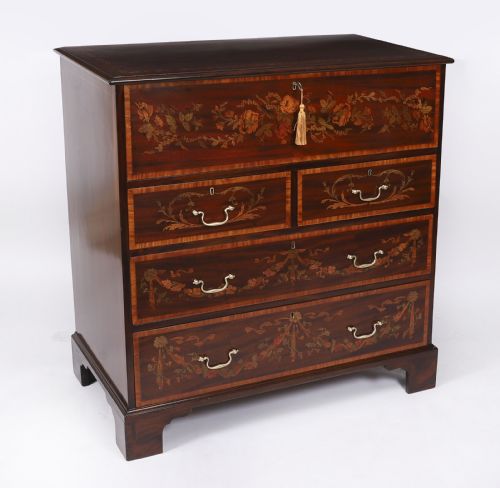
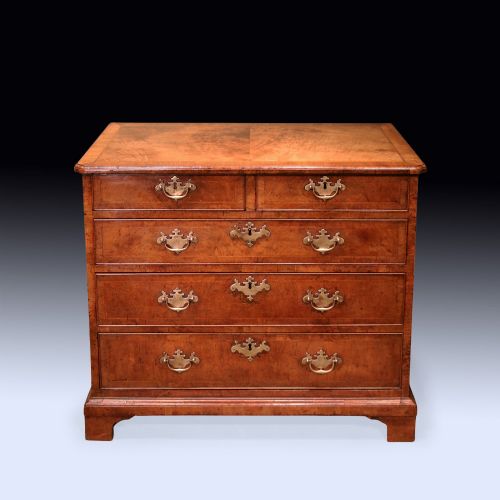
Cabinet makers relied primarily on solid oak, walnut, and red walnut, often selecting burl veneers or marquetry inlay to elevate the primary surfaces. Grain selection guided the exterior presentation while secondary softwoods provided structural framing within the drawers.
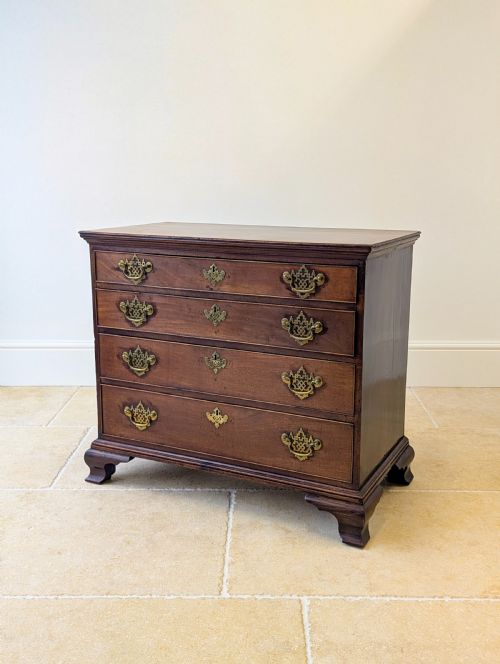
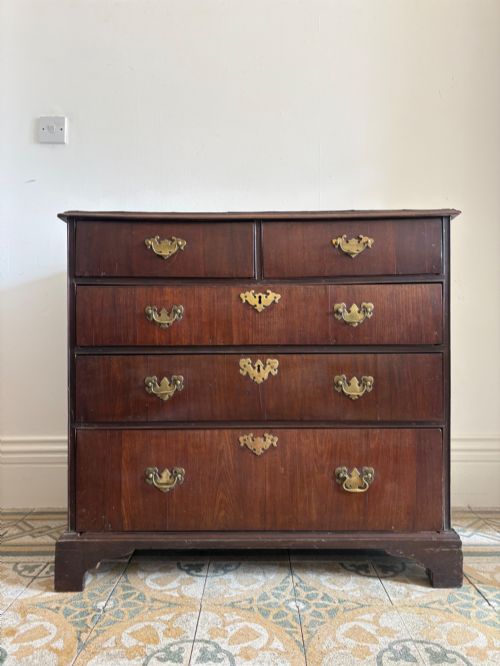
Brass handles and escutcheons completed the construction, fastened to dovetailed drawer boxes. Open pot boards and plate racks were integrated directly into the framing to support heavy tableware.
Materials span solid oak, mahogany, burr walnut, and painted pine.
Judging Quality
Quality rests on the depth of timber selection and the integrity of the original hardware rather than superficial polish. Figured grain, such as burr walnut or well-matched oak boards, distinguishes finer work from standard utility pieces.
Proportion and surface preservation dictate the standing of a piece. Examples retaining untouched patination, original brass fittings, and uncompromised structural timbers hold greater integrity.
The George II Dresser Glossary
- Pot Board
- An open lower shelf fitted between the legs of a dresser. This surface was used originally for storing pots and pans off the floor.
- Plate Rack
- Shelving fixed above a dresser base designed to display ceramic plates and platters upright. They form an integrated upper section on many traditional Welsh dressers.
- Dresser Base
- The lower sideboard portion of a dresser containing drawers and cupboards. These pieces function independently without an upper plate rack.
- Red Walnut
- A distinct variant of walnut timber favoured in eighteenth-century cabinet making. It displays a warmer, redder tone than standard English walnut.
George II Dresser: Frequently Asked Questions
How do you style a dresser in a modern room?
These pieces anchor a dining room or kitchen by providing substantial surface area and vertical display space. The wide timber tops suit the placement of lamps, bowls, or books.
Pairing the dark oak or walnut tones with plain walls lets the grain and brass hardware stand out without visual clutter.
Did all dressers originally come with plate racks?
Many dressers were constructed as base units only, while others were paired with plate racks from the outset. The presence of corresponding timber fixings helps determine if a rack belongs to the base.
Both formats appear frequently across eighteenth-century examples, serving different storage requirements.
Why is walnut used instead of oak on some pieces?
Walnut offered a finer grain and richer colour that appealed to fashionable eighteenth-century tastes. Cabinet makers utilised walnut and burr walnut veneers on pieces intended for formal rooms.
Oak remained the dominant choice for robust country furniture due to its sheer durability.