


Antique Pine Credenza
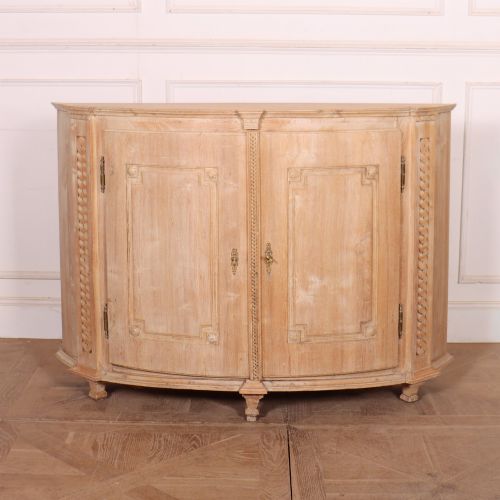
An antique pine credenza brings practical storage and honest country character to a room, spanning periods from the eighteenth century onwards.

Antique Pine Credenza
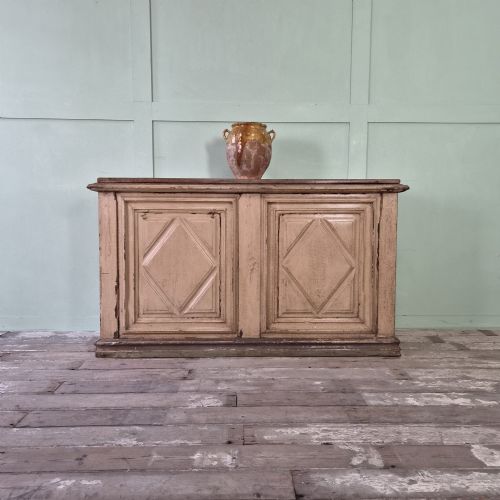
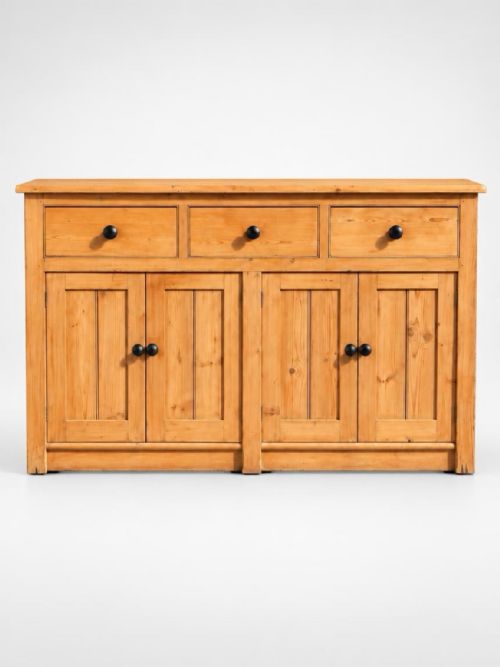
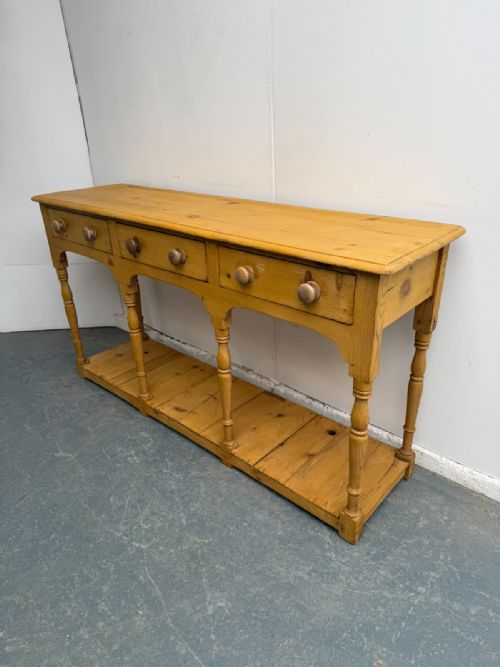
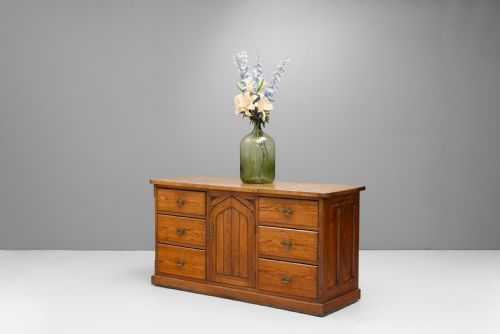
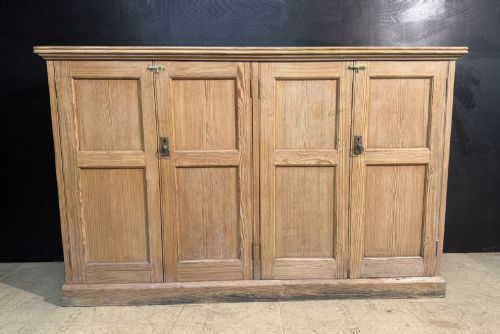
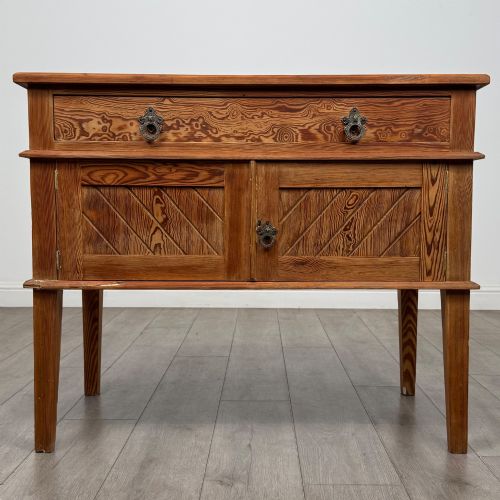
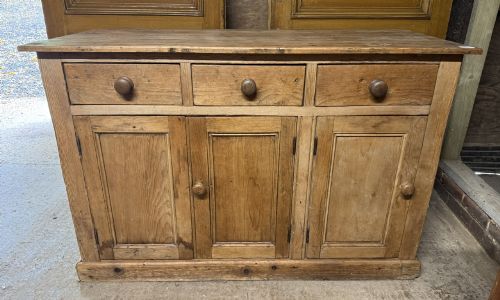
When searching for an antique pine credenza, buyers examine robust timber storage pieces primarily originating from the nineteenth and eighteenth centuries. These items encompass varied forms including dresser bases, kitchen cupboards, and low storage units built for domestic service.
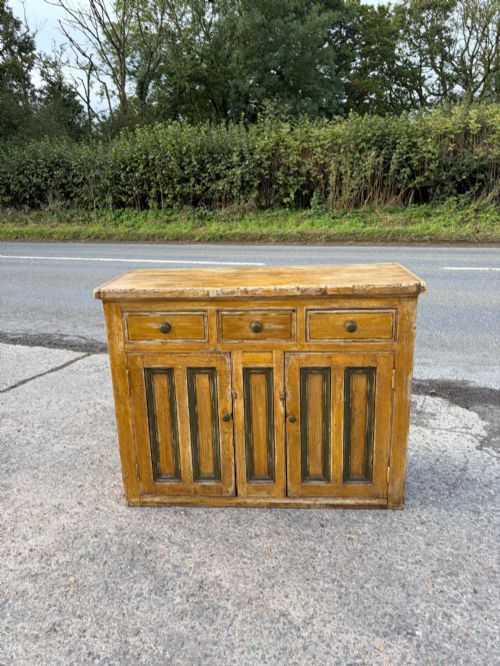
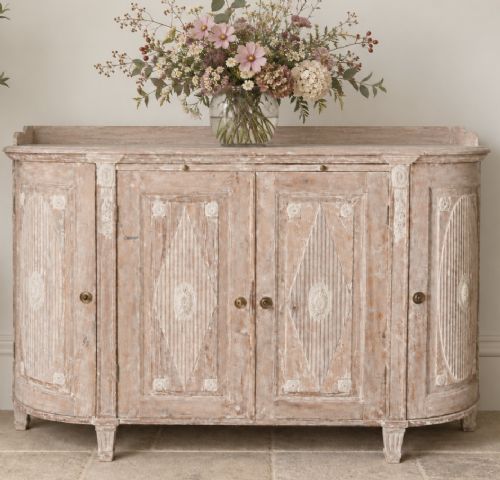
The pieces appearing most frequently on this page belong to the Victorian era and the broader nineteenth century, often reflecting English, Scottish, Welsh, or Scandinavian country traditions. They range from simple waxed surfaces to substantial painted furniture designed for utilitarian use.
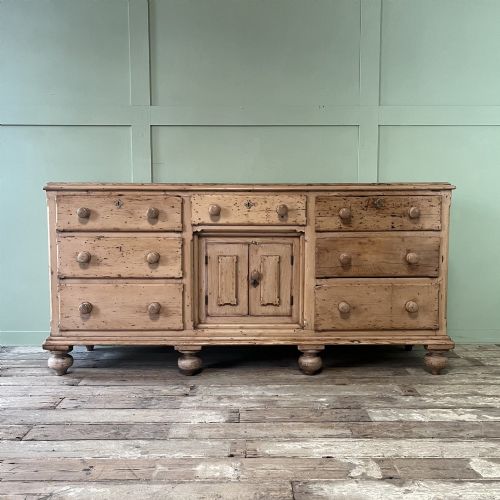
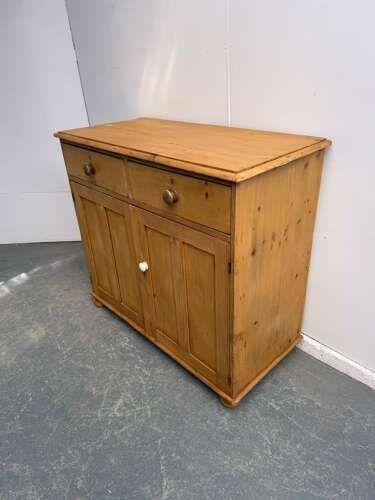
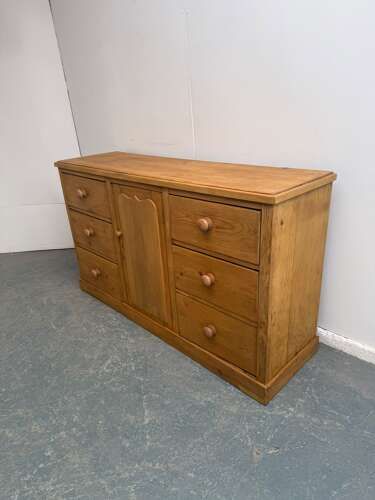
Forms span from two-door, two-drawer kitchen bases to large school cupboards and architectural sideboards. Their utility stems from deep enclosed storage and broad top surfaces suited to daily household organisation.
How they were made
Construction relies heavily on solid pine and pitch pine timbers, shaped by carpenters using traditional joinery methods suited to utilitarian furniture. Surfaces are frequently finished with clear wax to nourish the wood or coated in historic paint layers.
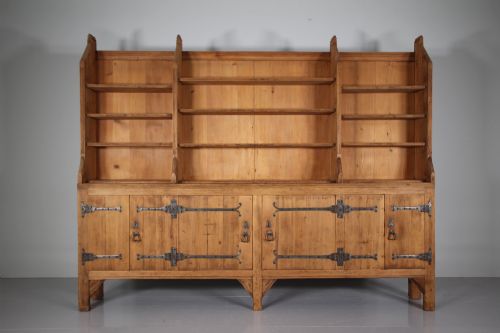
Iron and brass hardware, including hinges, pulls, and escutcheons, secure doors and drawers while adding functional metal detail. Structural elements occasionally incorporate alternative woods alongside the primary pine framework.
Many items retain traces of original scraping, simulated paint finishes such as rosewood, or decorative floral motifs applied directly to the timber.
Antique Pine Credenza Retail Price Guide 2026
Typical asking prices for pine credenza among the pieces listed under this phrase on Sellingantiques today, from the lower quarter to the upper quarter. They describe what is for sale here now, not the wider market.
Listings feature eighteenth-century pieces alongside nineteenth-century Victorian and Regency examples, built predominantly from pine and pitch pine.
What varies in quality
Quality rests upon the integrity of the original timber, the weight and grain of the pine or pitch pine, and the preservation of early surface treatments. Pieces retaining undisturbed historic paint layers or patinated wax surfaces stand apart from heavily altered examples.
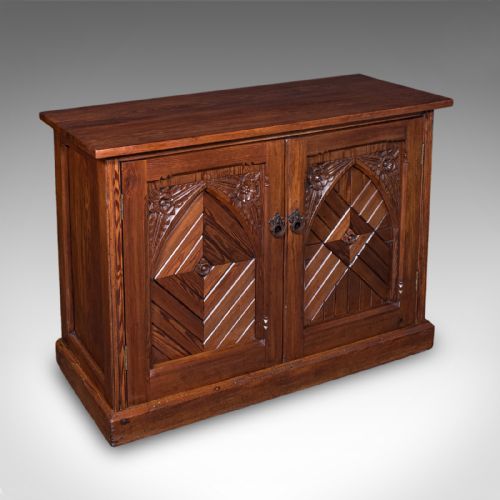
Proportion and scale dictate distinction, separating simple vernacular utility pieces from monumental country house furniture with refined proportions. The crispness of carved details and the survival of original hardware further distinguish finer examples.
The Antique Pine Credenza Glossary
- Dresser base
- A lower kitchen or dining sideboard featuring cupboards and drawers beneath a flat top. These form the foundation of many traditional country storage items.
- Pitch pine
- A dense, resinous variety of pine timber prized for its durability and strong grain pattern. It appears frequently in nineteenth-century utilitarian furniture.
- Potboard
- An open slatted lower shelf incorporated beneath a dresser base to store heavy kitchen pottery and cookware. This traditional feature elevates the architectural presence of the piece.
- Chiffonier
- A compact sideboard cabinet developed during the Regency and Victorian periods, equipped with enclosed lower storage. It offers a refined alternative to larger kitchen furniture.
- Bread slide
- A pull-out wooden tray integrated into a dresser base or cabinet for resting baked goods. This clever domestic feature demonstrates period functionality.
Antique Pine Credenza: Frequently Asked Questions
Where were antique pine credenzas used?
These pieces served primarily in domestic kitchens, dairies, and country house pantries for storing provisions and kitchenware.
Their robust construction allowed them to withstand heavy daily use in busy working households across Britain and Scandinavia.
How do I care for waxed pine furniture?
Maintain waxed surfaces by applying a traditional beeswax polish sparingly and buffing with a soft cloth. Avoid placing timber pieces near direct heat sources to prevent the wood from drying out.
Regular care preserves the natural grain and develops a richer patina over time.
How do I identify a Victorian pine piece?
Victorian items frequently exhibit generous proportions, pine or pitch pine construction, and straightforward panelled doors. Look for characteristic brass or iron hardware and traditional pegged joinery.
Many pieces also bear the marks of regional British or Scandinavian country workshops.
Can painted pine be stripped?
Many pieces were originally intended to be painted or have acquired historic paint layers that define their character. Stripping painted surfaces removes this evidence of age and alters the historical integrity of the timber.
Consider living with the existing paint finish before undertaking any restoration work.