

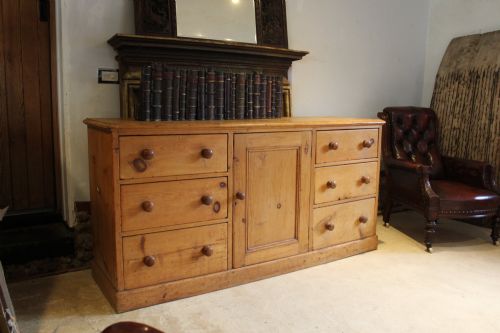
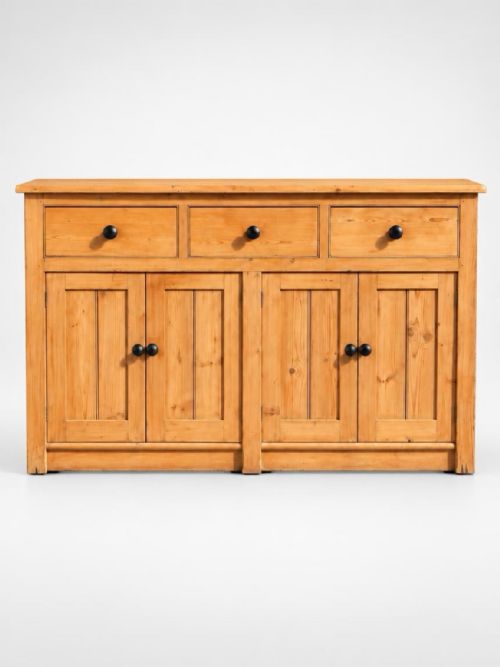
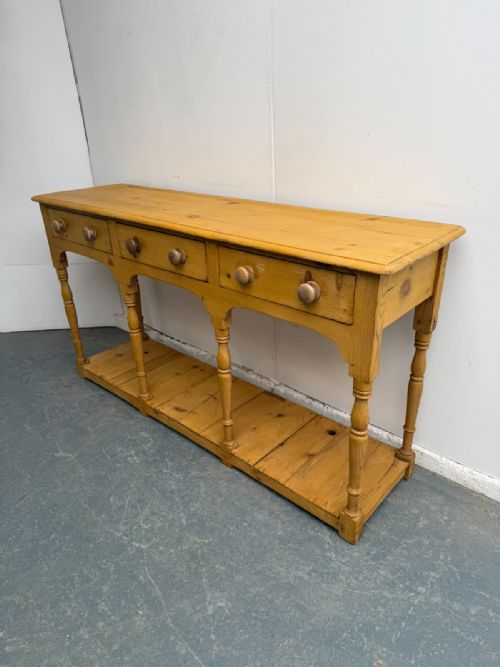
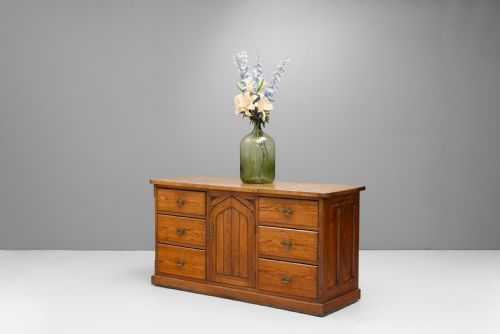

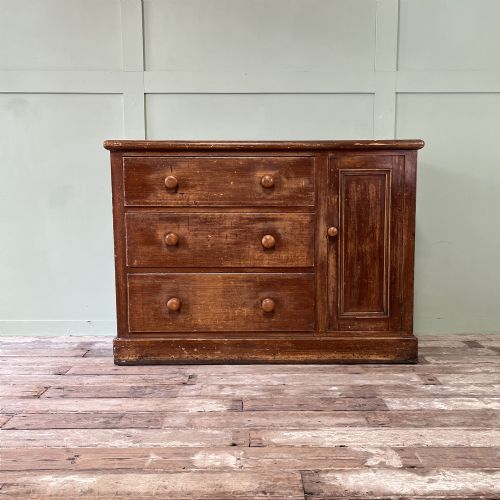
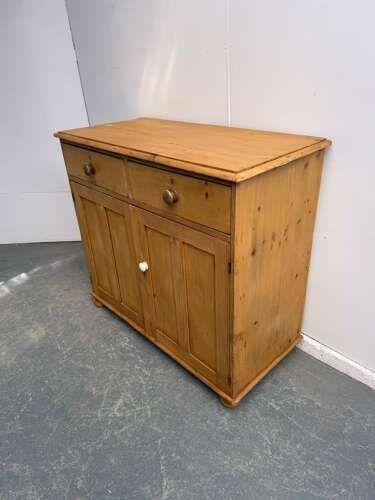
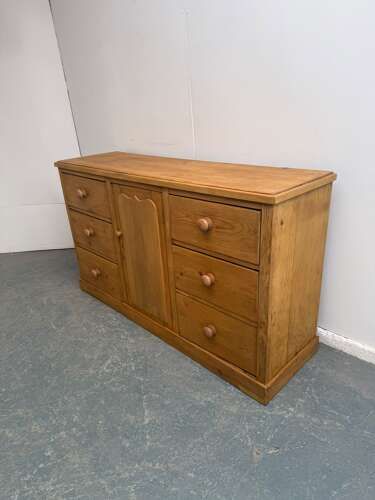
Pine Sideboard with Drawers
These pine sideboard with drawers pieces offer practical storage and honest timber surfaces, bringing robust utility to any room.
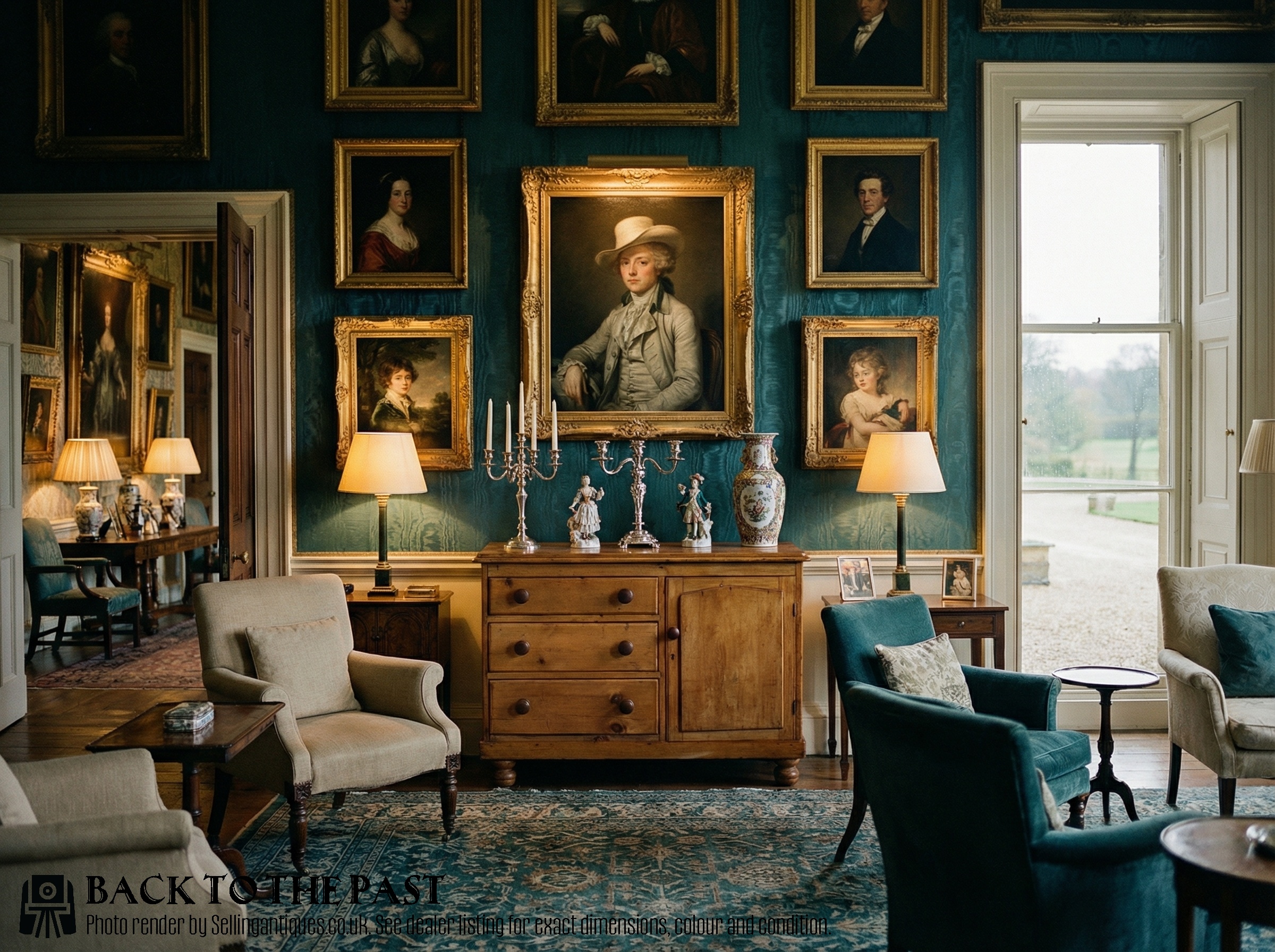
Pine Sideboard with Drawers
A pine sideboard with drawers brings together deep storage capacities and sturdy timber surfaces, offering both functional utility and traditional charm. These items appear across several distinct historical eras, including Georgian, Regency, Victorian, and circa 1900 periods.
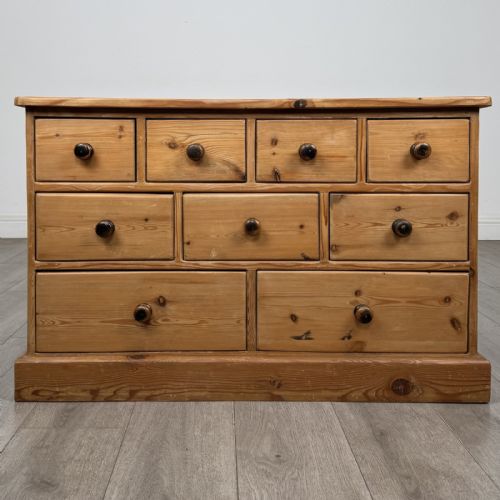
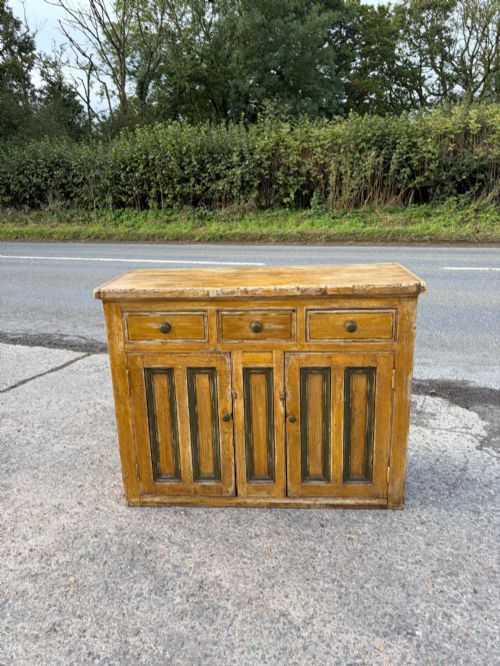
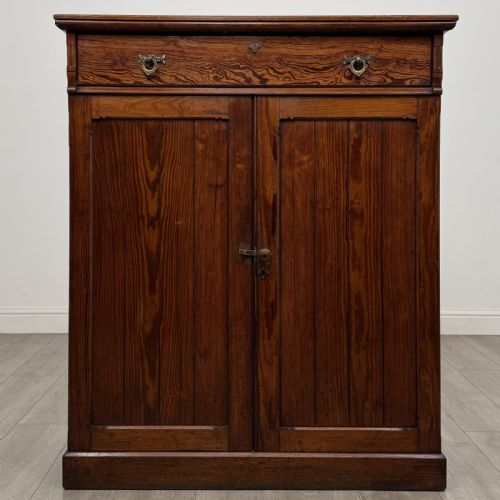
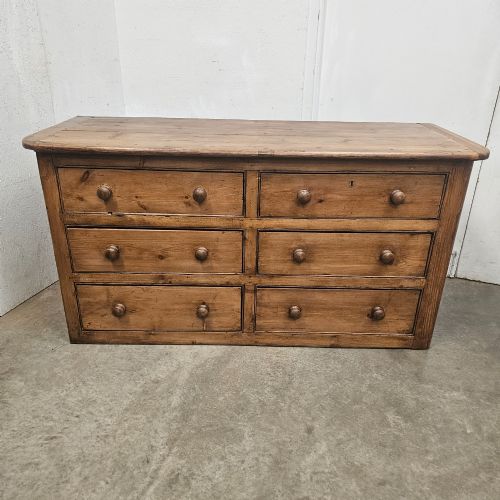
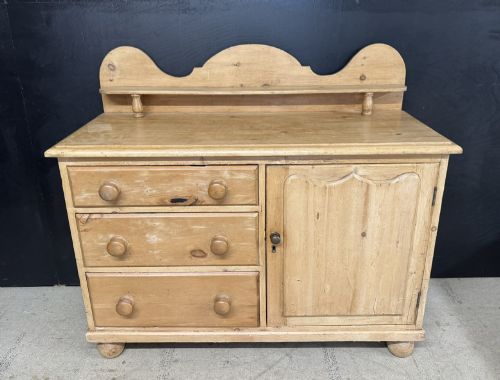
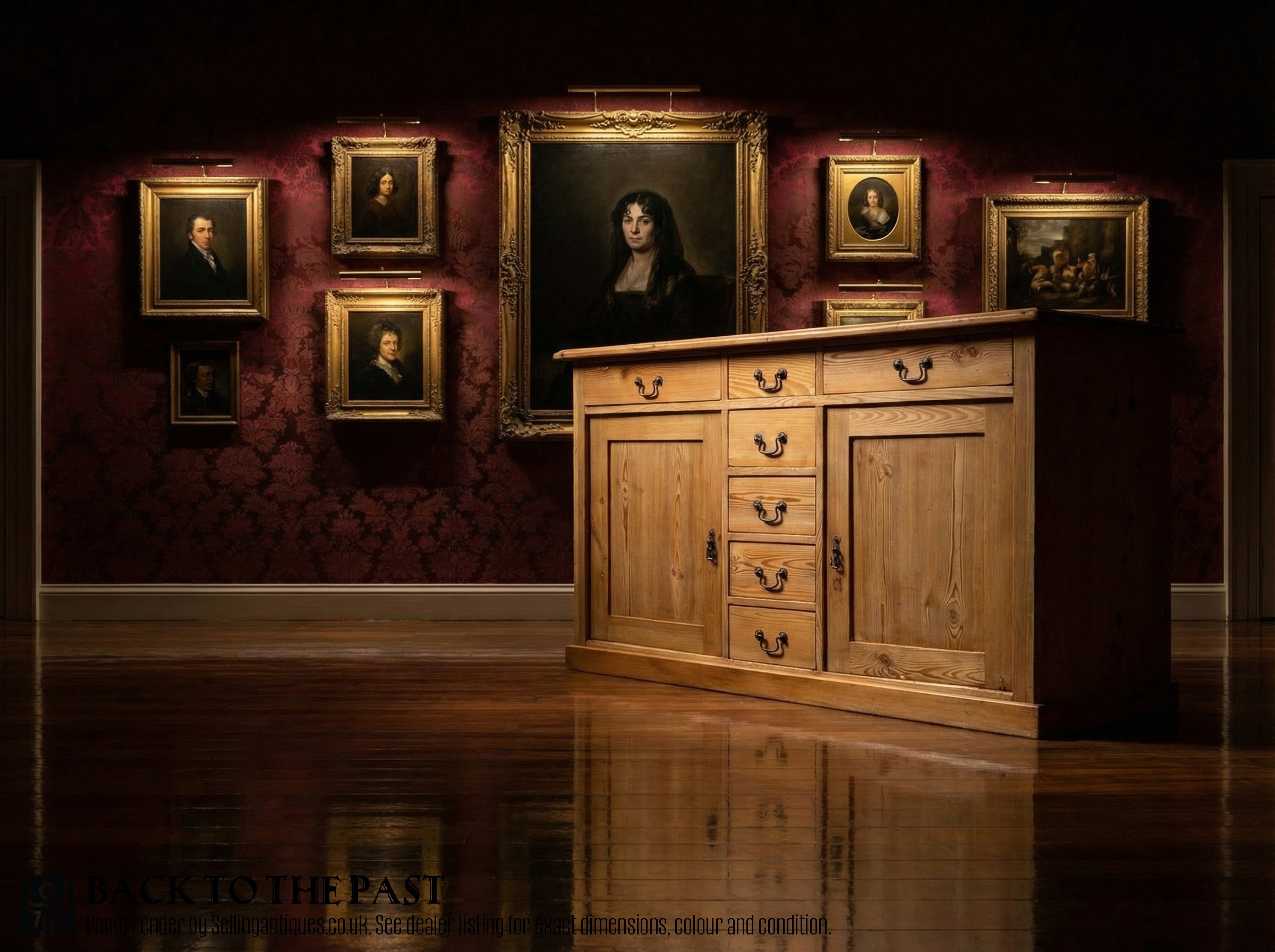
The buyer most frequently meets versatile kitchen dresser bases and multi-drawer sideboards on this page. These configurations range from smaller three-drawer variants to substantial pieces featuring banks of six or ten drawers alongside cupboard doors.
Makers working within country styles construct these utilitarian items predominantly in solid pine. The stylistic execution leans heavily toward Georgian country and Victorian country aesthetics, prioritising straightforward utility and honest construction over ornate decoration.
Materials and construction
Craftsmen build these pieces using solid pine as the primary structural and visual material. This timber provides a resilient framework suited to daily domestic demands in kitchens and dining rooms.
Metal hardware incorporates brass and iron elements, appearing particularly on drawer pulls and cupboard door furniture. These functional fixtures secure the cabinet components while adding subtle metallic contrast to the timber surfaces.
Pine Sideboard with Drawers Retail Price Guide 2026
Typical asking prices for pine sideboard with drawers among the pieces listed under this phrase on Sellingantiques today, from the lower quarter to the upper quarter. They describe what is for sale here now, not the wider market.
Listings feature solid pine construction across Victorian, Georgian, and Regency periods, utilising brass and iron hardware.
Judging the quality
Quality in these items rests upon the integrity of the timber and the complexity of the drawer configuration. Pieces featuring extensive banks of multiple drawers demonstrate superior joinery demands compared to simpler single-door alternatives.
The finish and surface treatment also dictate the tier of the piece, with waxed pine presenting a deeper historical patina than items left bare for future painting.
The Pine Sideboard with Drawers Glossary
- Pine
- A softwood timber utilised widely for traditional domestic furniture due to its reliable strength and responsive grain. This material accepts finishes such as wax readily.
- Dresser base
- The lower section of a kitchen dresser featuring cupboards and drawers without the upper plate rack. This form functions independently as a sideboard.
- Chiffonier
- A compact sideboard cabinet developed during the Regency period, equipped with storage compartments below a surface top. It offers a refined profile compared to larger kitchen furniture.
- Patina
- The surface sheen and colour depth developed by timber over decades of use and waxing. This visual characteristic distinguishes older surfaces from modern alterations.
Pine Sideboard with Drawers: Frequently Asked Questions
What periods do these pieces span?
The inventory encompasses items originating from the Georgian, Regency, and Victorian eras, alongside pieces dated around 1900. These periods reflect shifting domestic requirements over more than a century.
Buyers encounter distinct stylistic markers within each era, moving from earlier Georgian country forms to robust Victorian country designs.
How were these sideboards used originally?
Kitchen dresser bases and sideboards served as central storage hubs in domestic spaces, holding tableware, linens, and provisions. The integration of multiple drawers facilitated organised storage for household utensils.
Cupboard sections below or beside the drawers accommodated bulkier kitchen items, keeping work surfaces clear for daily food preparation.
Do these pieces feature multiple drawers?
Configurations vary significantly, ranging from compact three-drawer layouts to large sideboard formats boasting banks of six or ten individual drawers. These options accommodate diverse storage needs.
Larger variants often combine cupboard doors with extensive drawer arrangements to maximise interior capacity.
What materials make up the hardware?
Original and period-appropriate hardware incorporates brass and iron components. These metals appear primarily on drawer pulls and door fittings.
The choice of metal complements the solid pine construction, securing functional moving parts while contributing to the overall aesthetic.