

18th Century Drawers
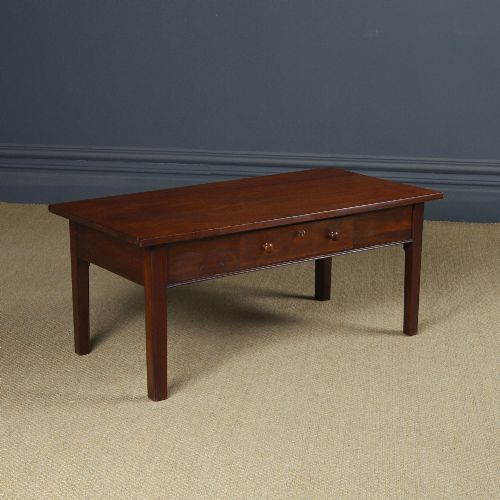
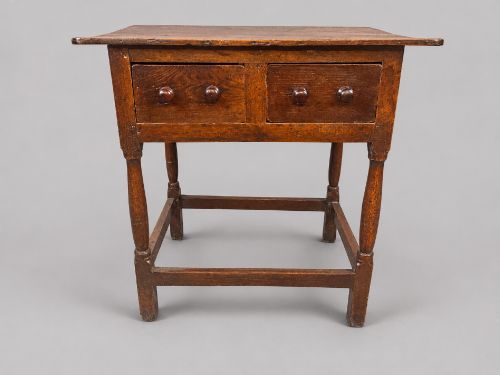
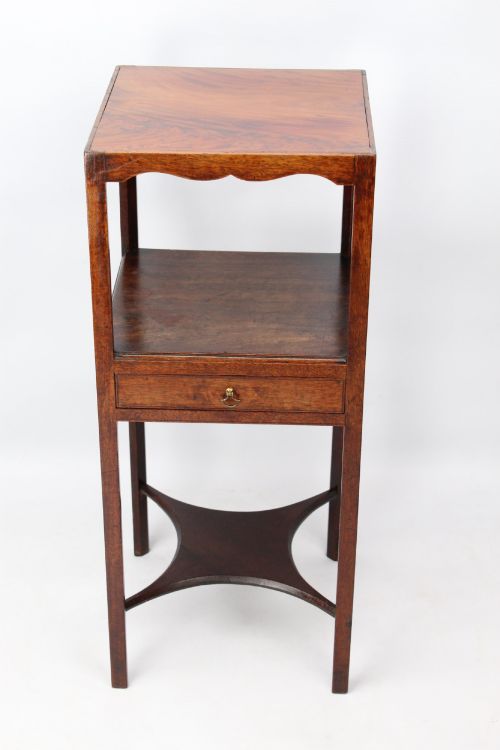
These 18th century drawers represent practical storage built with period craftsmanship, offering collectors distinct mahogany, walnut, and oak forms.
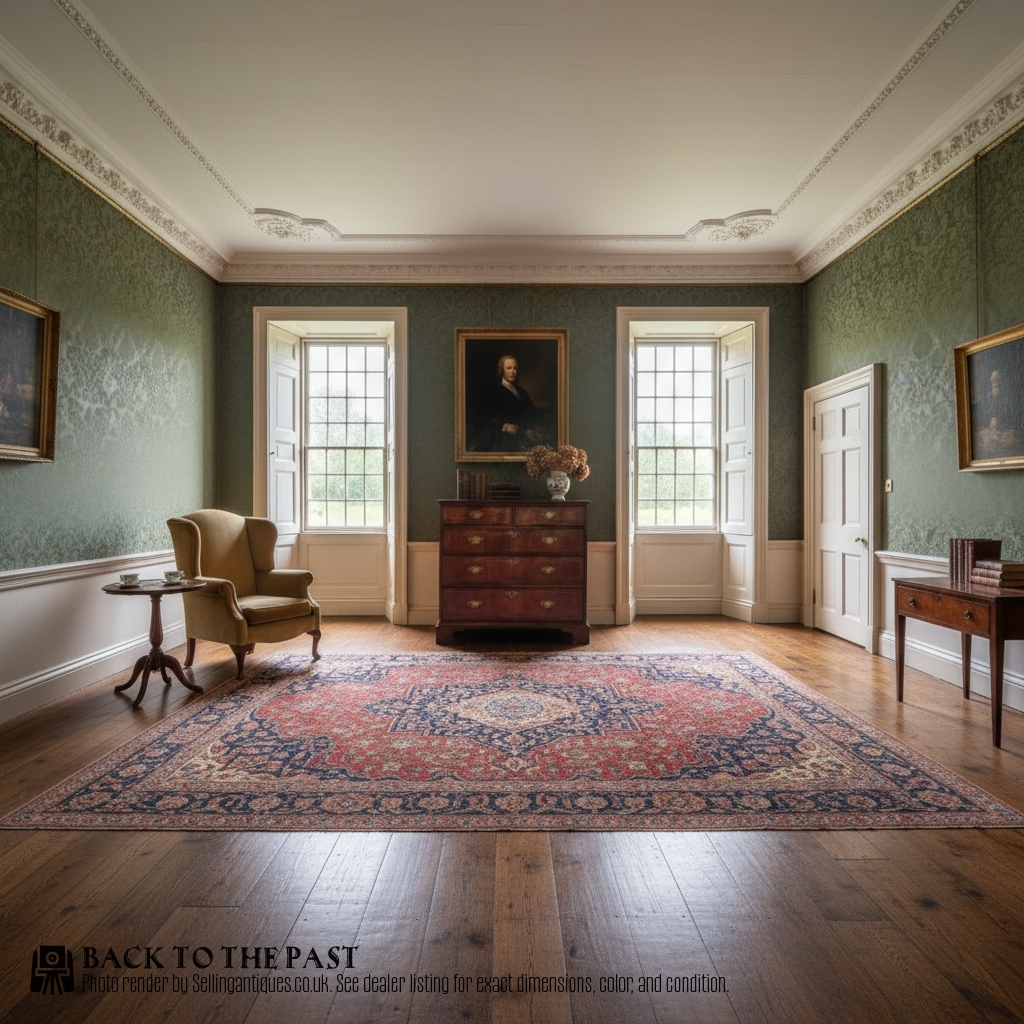
18th Century Drawers
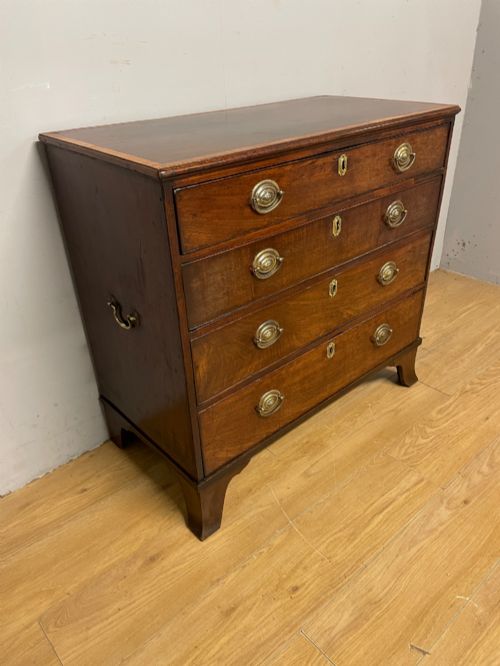
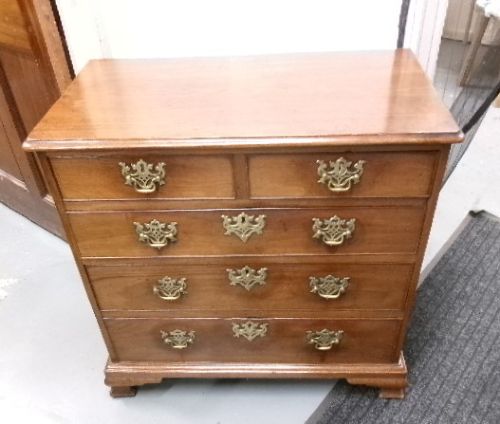
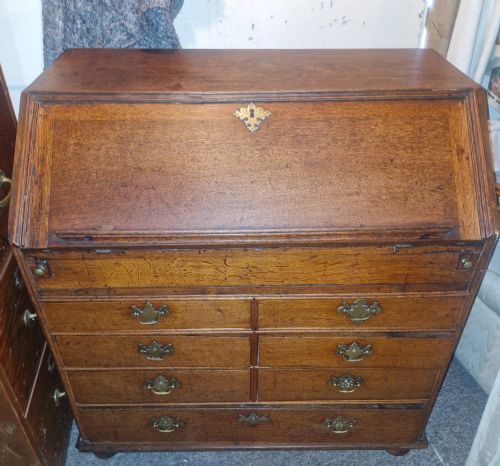
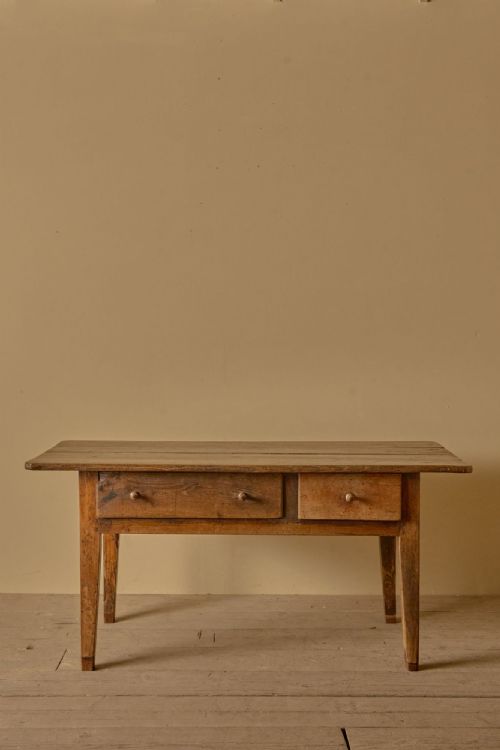
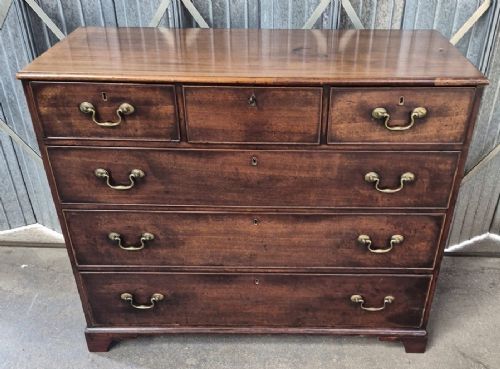
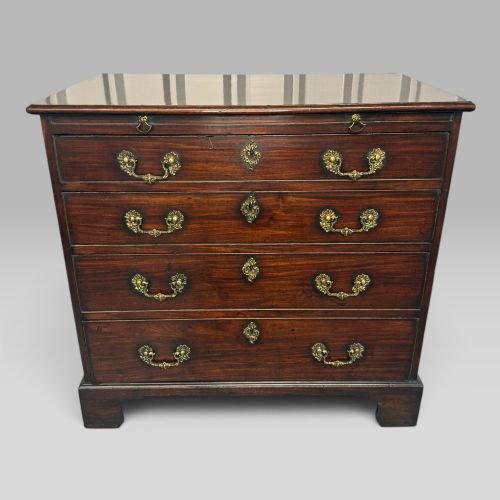
When searching for 18th century drawers, buyers encounter pieces spanning the Georgian era, Queen Anne period, and continental styles. The inventory contains chests of drawers, tallboys, chests on chest, and commodes alongside desks and dressers.
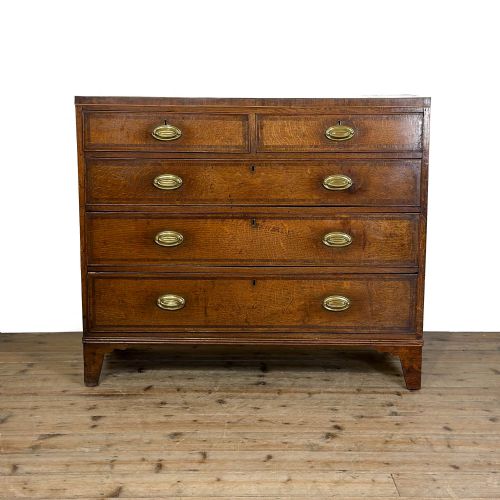
Mahogany and oak examples dominate the selection, frequently appearing in straightforward chest forms or more complex serpentine and bow-front designs. Walnut and burr walnut versions emerge across English and continental workshops.
Buyers most commonly meet standard chests of drawers and taller chest-on-chest configurations from the mid to late Georgian period. These practical storage units reflect the domestic requirements of their original owners.
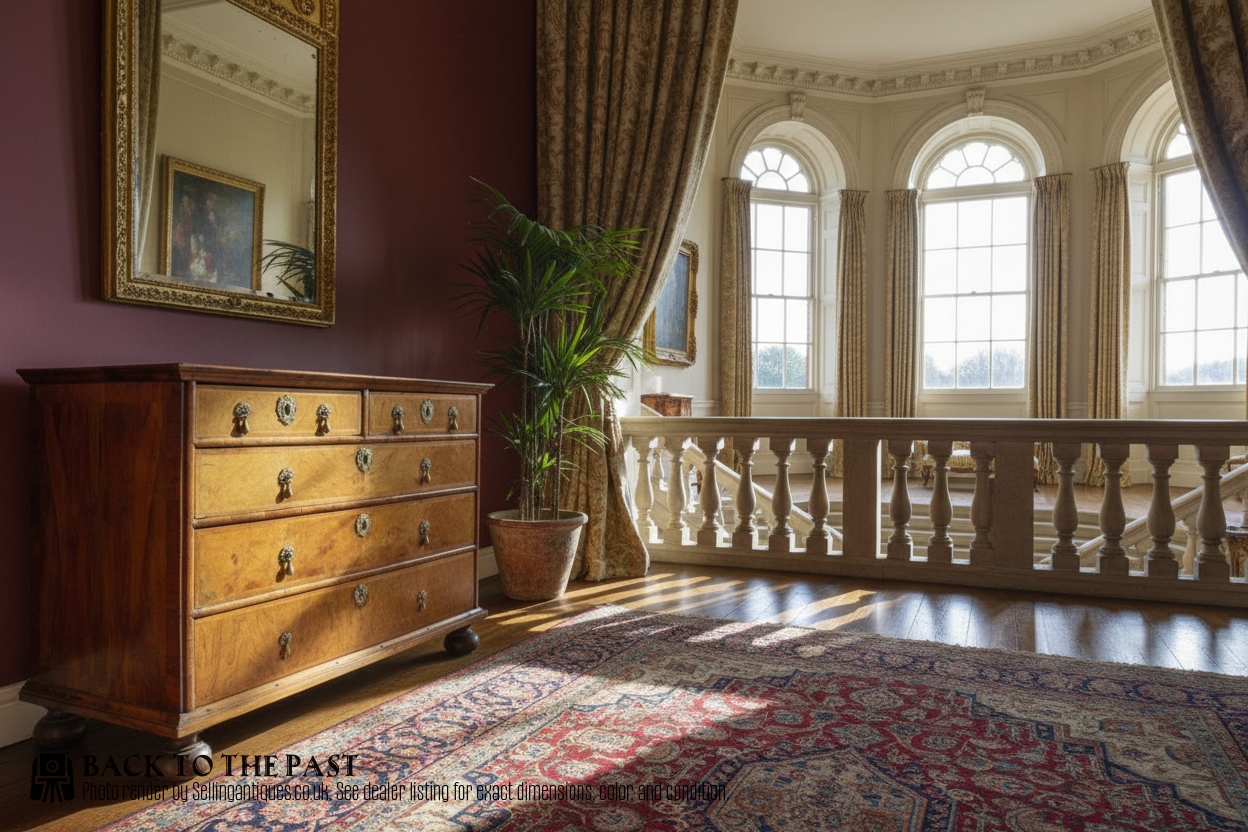
Materials and Construction
Joiners built these pieces using solid timbers like oak and mahogany, often applying figured veneers of walnut or satinwood to primary surfaces. Drawer linings typically consist of secondary woods such as oak, assembled with hand-cut dovetails.
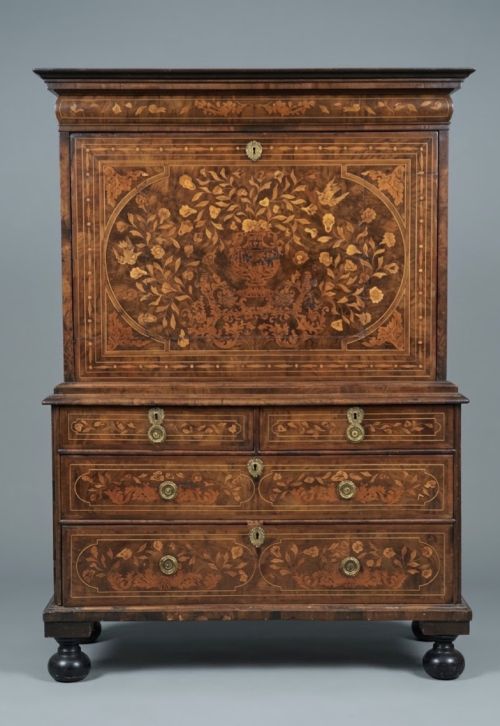
Decorative techniques include floral marquetry, parquetry, and brass hardware such as original pierced brasses or drop handles. Cabinetmakers shaped carcasses using straight, bow-front, or serpentine contours.
French and German workshops utilised bombe shaping and marquetry involving pewter and ivory alongside native fruitwoods. Structural integrity relied on mortise and tenon joinery for frames and solid timber panels.
18th Century Drawers Retail Price Guide 2026
Typical asking prices for 18th century drawers among the pieces listed under this phrase on Sellingantiques today, from the lower quarter to the upper quarter. They describe what is for sale here now, not the wider market.
Cabinetmakers occasionally concealed secret compartments behind sliding drawer dividers to guard family heirlooms.
Distinctions in Execution
The choice of timber underpins the hierarchy of these pieces, separating plain utility furniture from examples utilising heavily figured mahogany, burr walnut, or exotic veneers. Grain alignment and matching across drawer fronts show the skill of the cabinetmaker.
Hardware integrity separates standard items from superior examples equipped with original brasses and working locks. The precision of dovetailing within the drawer construction indicates the level of workshop care.
Proportion and form define the upper tier of the range, particularly in complex serpentine or bombe profiles that demand advanced woodworking competence. Surfaces finished with subtle marquetry or parquetry retain greater visual interest.
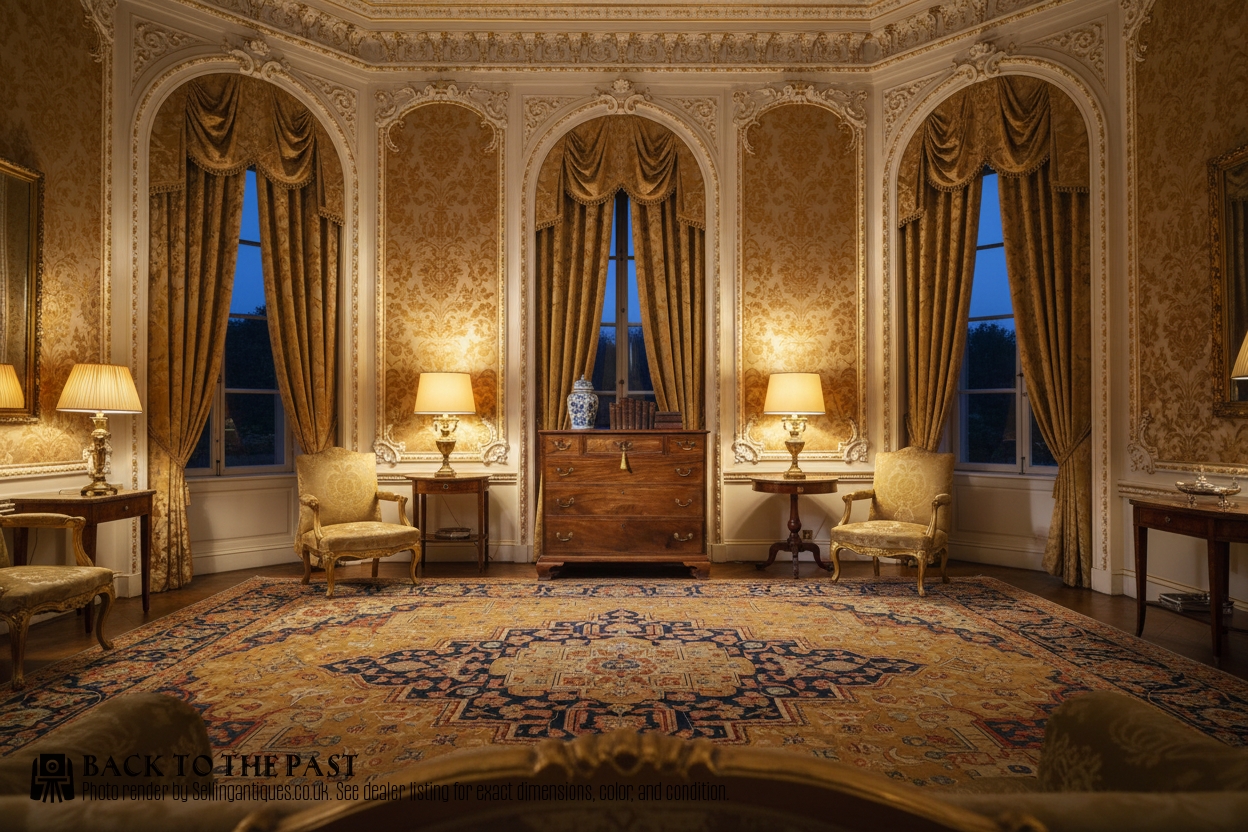
Jacques Bircklé
The 18th Century Drawers Glossary
- Chest on chest
- A tall storage unit formed by stacking a smaller chest of drawers directly upon a larger base chest. This form is also frequently called a tallboy.
- Serpentine
- A furniture front curving outward at the centre and inward toward the edges. This profile requires specialised shaping of both the drawer fronts and the carcass.
- Brushing slide
- A pull-out board integrated above the top drawers of a chest or bureau. It provided a clean surface for writing or grooming without opening the main storage.
- Bombe
- An outward-swelling, bulging contour found on continental commodes and bureaux. This rounded profile demands complex bending of wood or veneer.
- Marquetry
- Decorative patterns formed by fitting contrasting veneers into a prepared wooden ground. Artisans used wood, pewter, and ivory to create floral or geometric motifs.
18th Century Drawers: Frequently Asked Questions
What is a chest on chest?
A chest on chest combines two distinct storage units, stacking a narrower chest directly on top of a wider base cabinet. This configuration maximises vertical storage capacity while maintaining a smaller floor footprint.
Craftsmen often utilised finer veneers and superior hardware on the upper sections. These tall pieces served principal bedchambers in grander homes.
How do I use a brushing slide?
The brushing slide pulls out smoothly from the upper section of the chest, positioned just beneath the top moulding. It served as a temporary shelf for sorting items or brushing clothing.
In modern rooms, it functions well as a compact writing ledge or display surface. Owners should pull the board straight out without applying downward pressure.
What distinguishes a bureau from a chest?
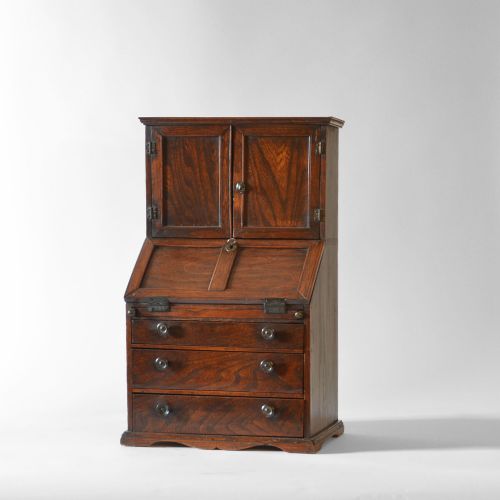
A bureau incorporates a sloping writing flap that folds down to reveal an interior arrangement of small drawers and pigeonholes. Beneath this writing surface, standard horizontal drawers provide bulk storage.
Standard chests of drawers omit the folding writing compartment entirely in favour of uniform drawer tiers. Bureaus functioned as private administrative desks within domestic spaces.
Where were commodes used?
Continental European workshops produced commodes primarily as decorative storage cabinets for formal reception rooms and bedchambers. English makers used similar serpentine and bombe forms for grand drawing rooms.
These low cabinets often featured marble tops or elaborate marquetry displays. They held household linens, silver, or personal documents.