
Antique Brown Furniture
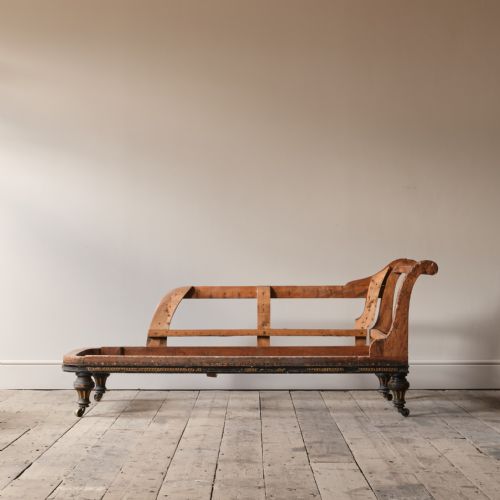
These pieces of antique brown furniture span the eighteenth and nineteenth centuries, offering rich timber surfaces and functional forms that anchor a room.
Antique Brown Furniture
Antique brown furniture encompasses practical domestic forms such as chests of drawers, dining tables, sideboards, desks, and armchairs built across several historical periods. Buyers searching this phrase encounter substantial timber items originating from the Georgian, Victorian, and Edwardian eras, alongside pieces spanning the seventeenth and early twentieth centuries.
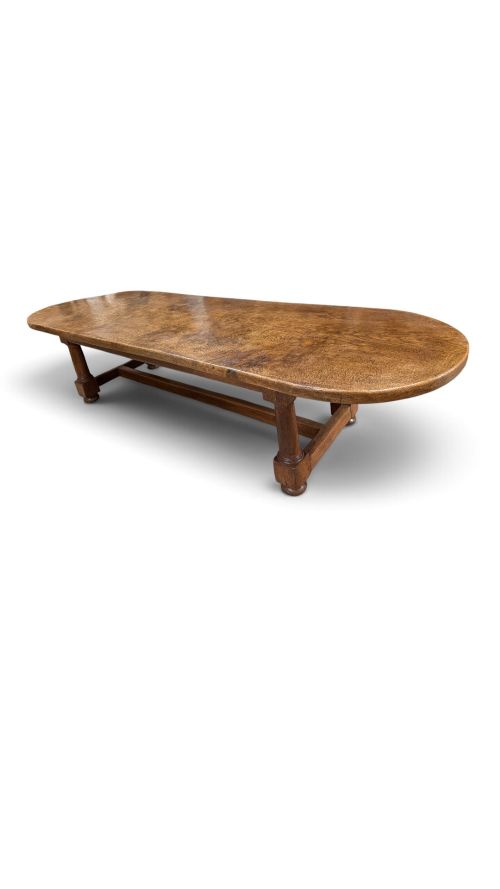
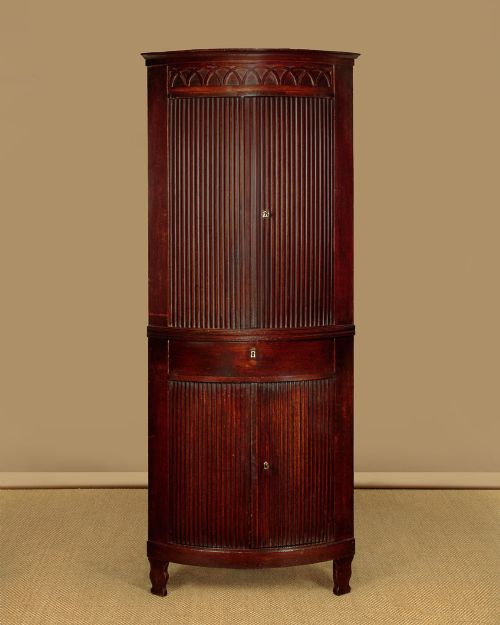
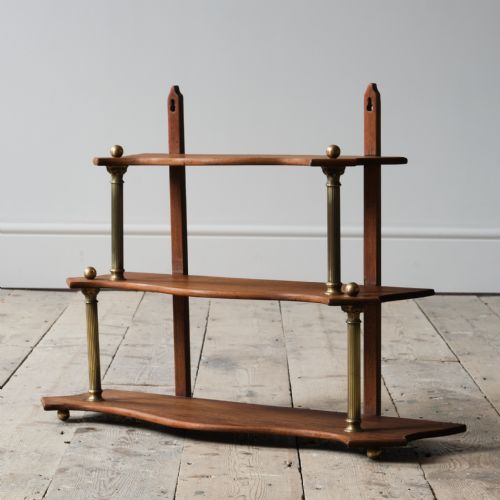
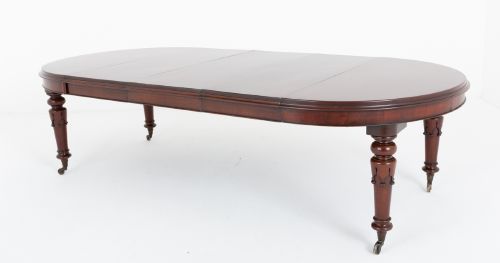
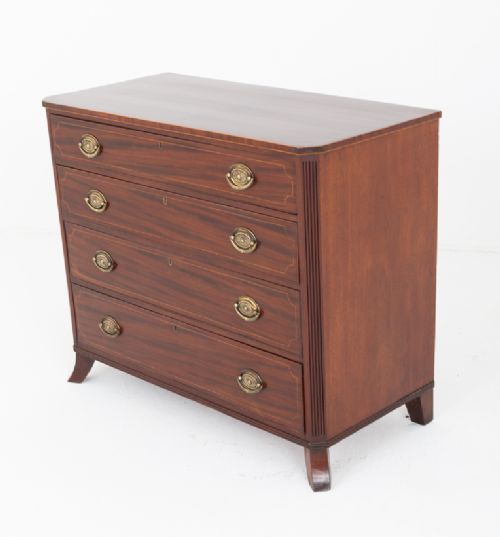
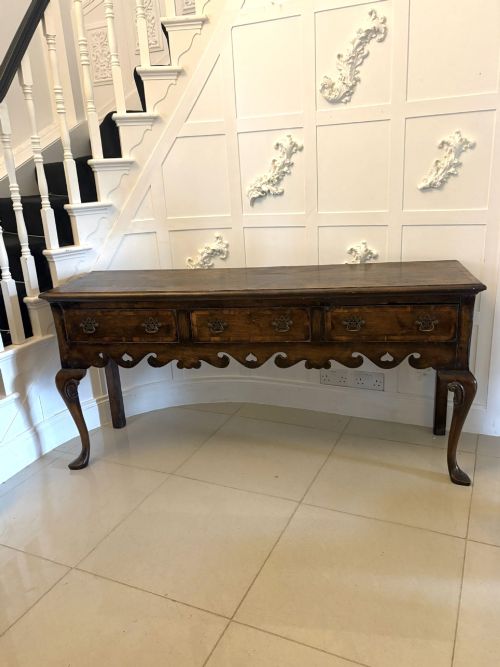
The selection here leans heavily towards utilitarian and living spaces, featuring various configurations of storage cabinets, occasional tables, and seating. These items range from compact wall-hanging shelves and bedside chests to expansive extending dining tables and oak dresser bases.
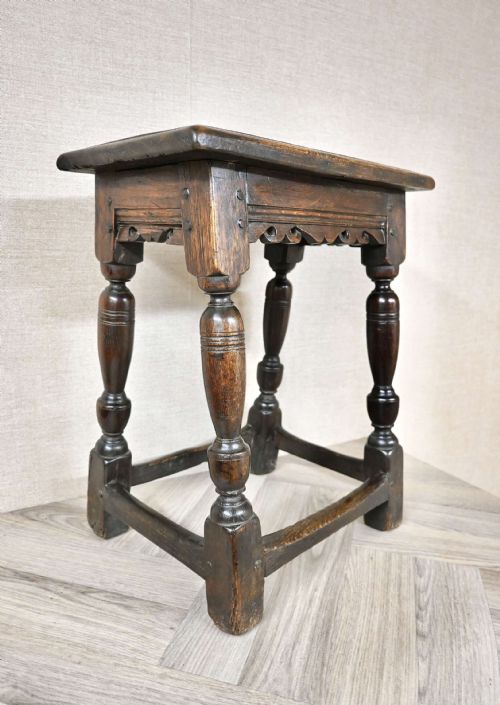
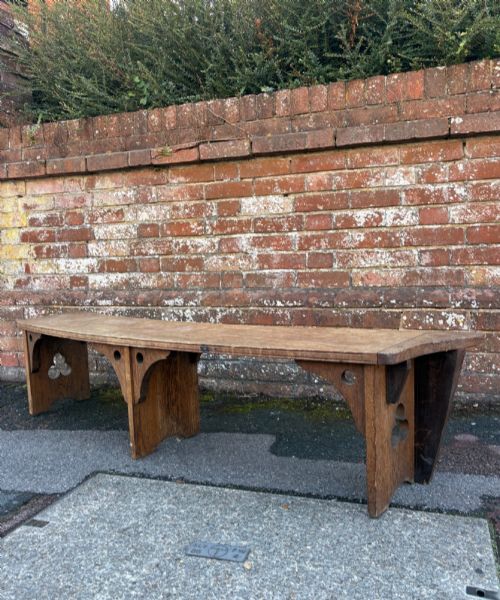
Origins span English, Dutch, French, Italian, and Anglo-Indian workshops, showing how different regions utilised local timber stocks. Forms vary from simple country oak benches to refined walnut and mahogany display cabinets.
Materials and Construction
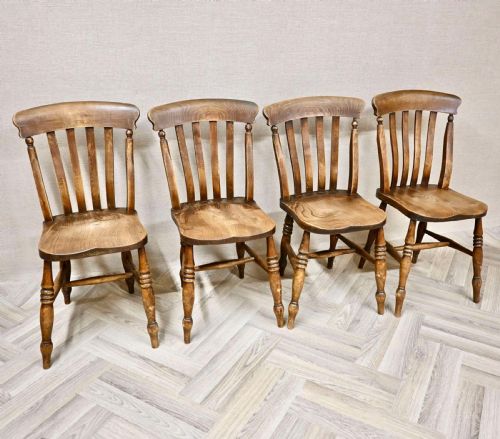
Makers relied primarily on native and imported hardwoods, utilising oak, mahogany, walnut, and burr walnut for structural integrity and decorative grain patterns. Secondary timbers like beech and yew appear in seating frameworks, while brass hardware, ormolu mounts, and leather inserts provide functional and decorative contrast.
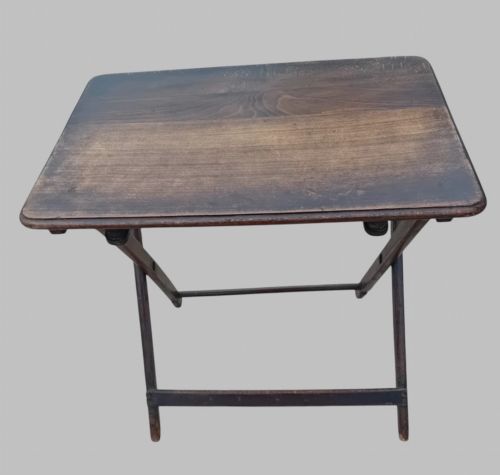
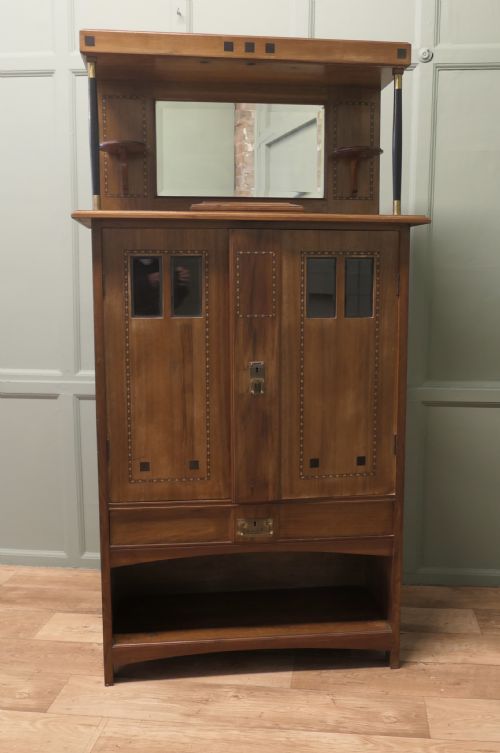
Construction techniques combine traditional joinery methods with surface veneers, marquetry inlays, and carved supports. Pieces from the campaign style incorporate folding mechanisms and brass corners, whereas formal display cabinets and chests employ crossbanding and polished finishes to highlight figured timber.
Listings feature items spanning the 17th, 18th, 19th, and 20th centuries, constructed from oak, mahogany, walnut, burr walnut, padouk, yew, and elm.
Assessing Quality
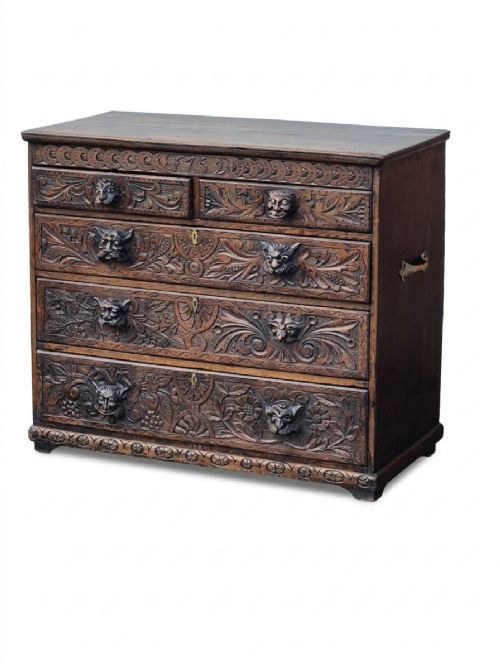
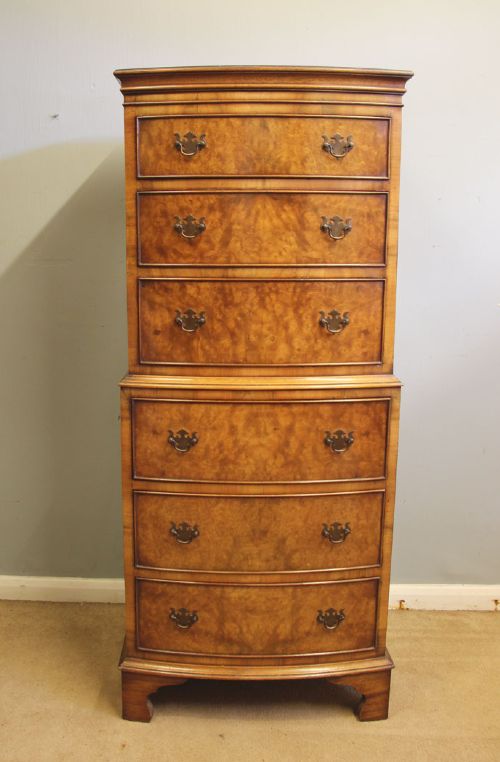
Quality rests upon the selection of timber figures, such as highly figured burr walnut or well-matched mahogany grains, combined with the precision of the cabinetwork. Superior examples display thoughtful proportions, integrated carving like the Grotesque or Gothic details, and original hardware.
Construction depth separates standard utility pieces from exceptional items, seen in dovetailed drawer linings, substantial timber planks, and refined finishes. The presence of specialised regional details, hand-painted decoration, or sophisticated mechanical elements elevates a piece above basic domestic output.
Trevor Page and Co
The Antique Brown Furniture Glossary
- Burr walnut
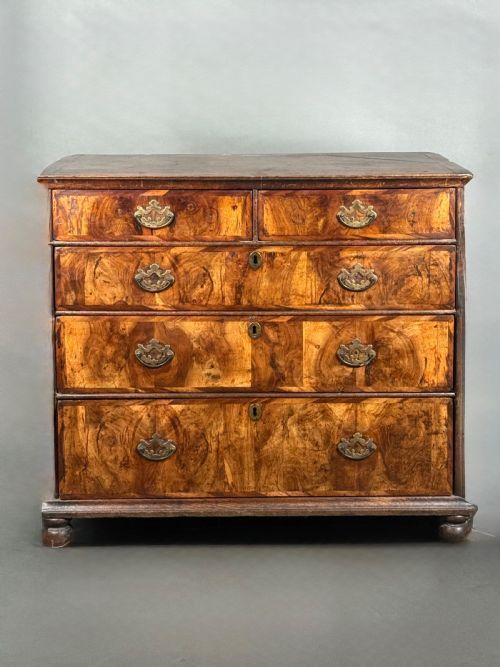
- A decorative timber veneer taken from the wart-like growths on walnut trees, prized for its swirling, intricate grain patterns. It appears frequently on high-status cabinets and chests.
- Dumbwaiter
- A multi-tiered freestanding piece of dining room furniture used for serving food or holding tableware without servant assistance. Georgian examples often feature revolving tiers on a central pillar.
- Ormolu
- Gilded bronze ornamentation applied to furniture, popular in revival and high-style nineteenth-century pieces. It provides a bright metallic contrast against dark woods like mahogany and kingwood.
- Marquetry
- The art of applying pieces of veneer to a structure to form decorative patterns and pictures. Dutch workshops utilised this technique extensively on mahogany cabinet surfaces.
Antique Brown Furniture: Frequently Asked Questions
How do I identify Georgian brown furniture?
Georgian pieces generally show restrained classical proportions, rectilinear forms, and a reliance on solid mahogany or figured walnut without excessive ornamentation. Look for straightforward drawer construction and period brass handles.
Later Victorian interpretations often add heavier carvings, applied mouldings, or contrasting wood inlays that distinguish them from the earlier eighteenth-century output.
Where should I place a campaign chest?
Campaign chests were built in modular sections with recessed brass handles and corner brackets to facilitate transport by military officers. Their compact, straight-sided form makes them well-suited for bedrooms or hallways as functional storage.
Keep them away from direct heat sources to prevent the timber and brass mounts from shifting or splitting over time.
What is the difference between oak and mahogany furniture?
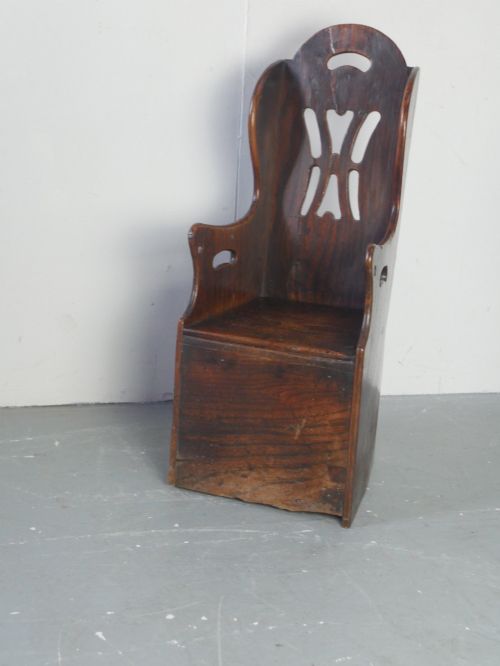
Oak furniture is heavier, featuring a prominent, open grain structure that suits earlier vernacular styles like dresser bases and country chairs. Mahogany offers a denser, finer grain with a deep reddish-brown tone that takes a high polish.
While oak dominates seventeenth and eighteenth-century country pieces, mahogany became the preferred timber for formal dining tables and chests from the Georgian period onward.
How do I care for antique walnut surfaces?
Walnut furniture requires stable indoor humidity and protection from direct sunlight to preserve the rich colour of the veneer and prevent lifting. Dust the timber regularly with a dry, soft cloth.
Occasional application of appropriate furniture wax maintains the sheen without building up a heavy, dull residue on the polished surface.