
Queen Anne Dresser
A queen anne dresser brings architectural discipline and figured timber into a room, spanning origins from early eighteenth-century country oak to twentieth-century revival walnut.
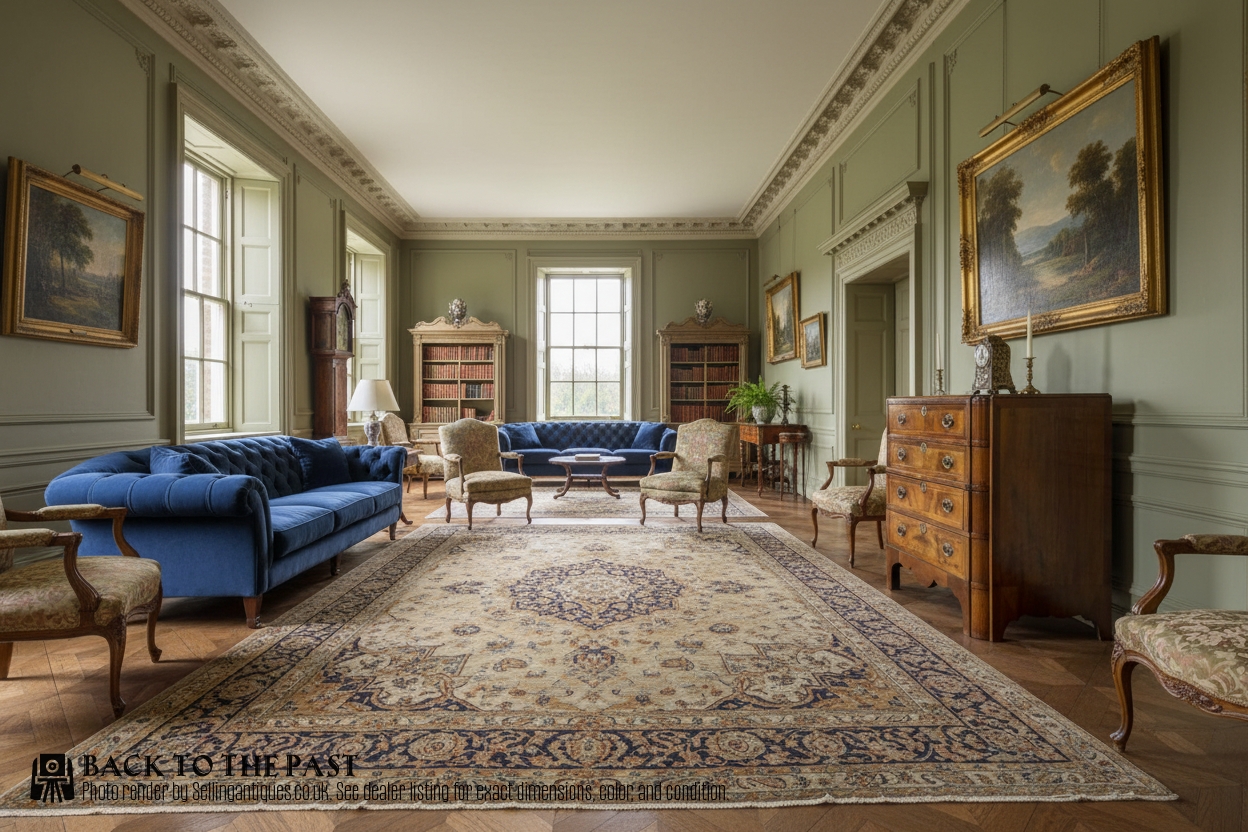
Queen Anne Dresser
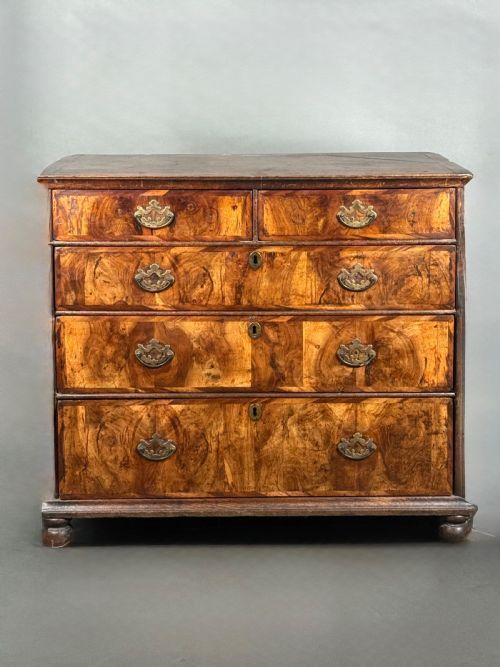
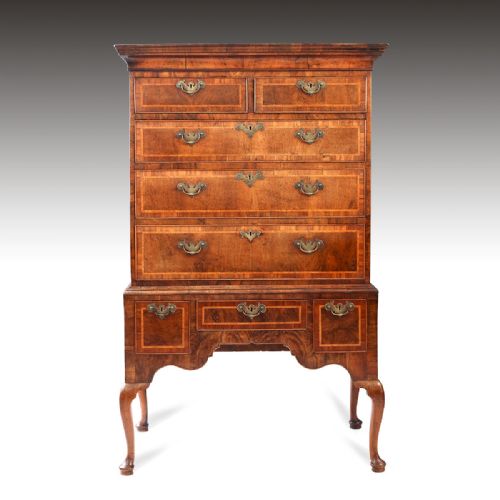
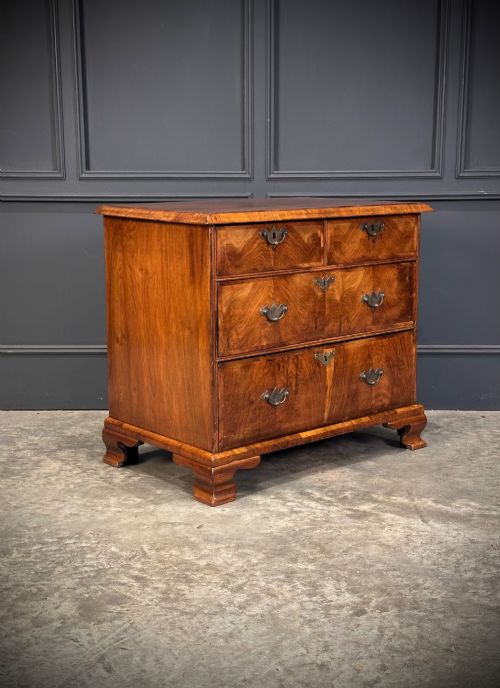
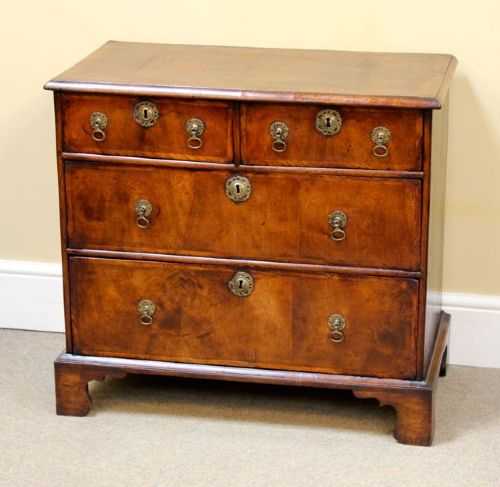
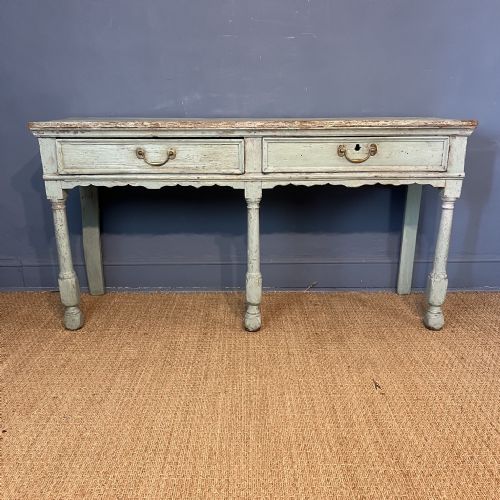
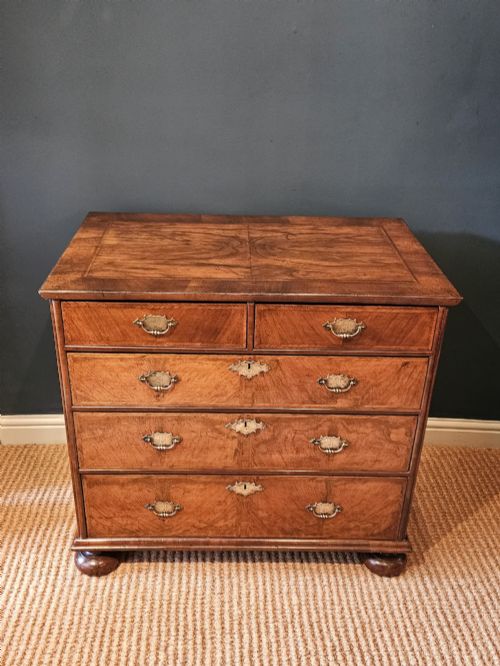
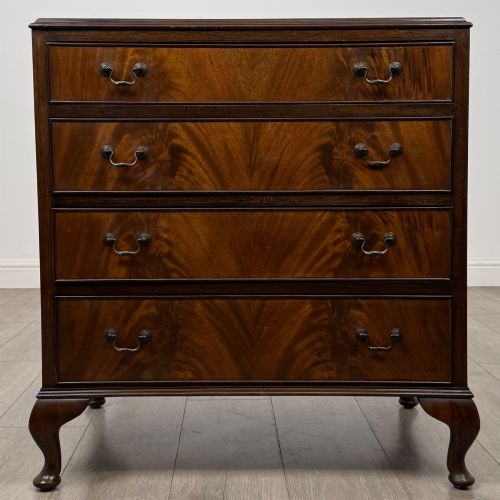
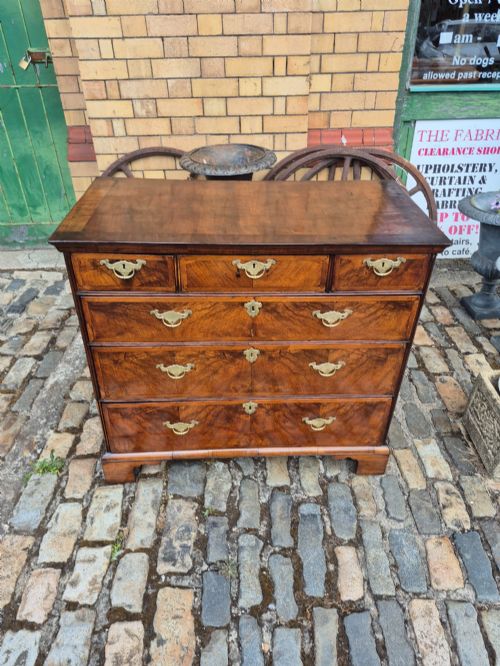
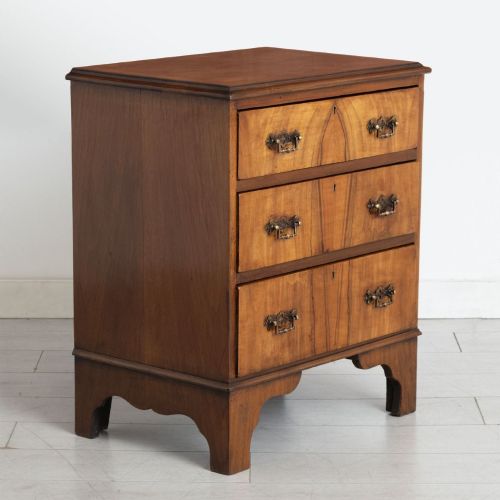
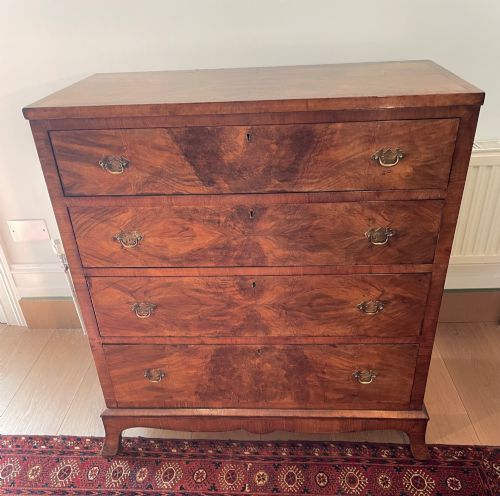
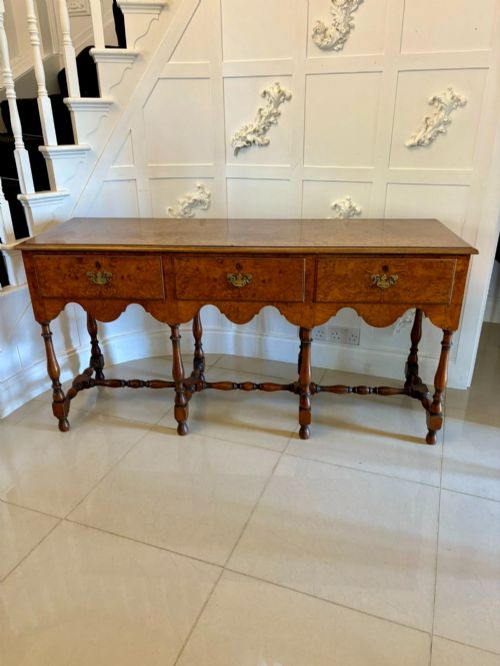
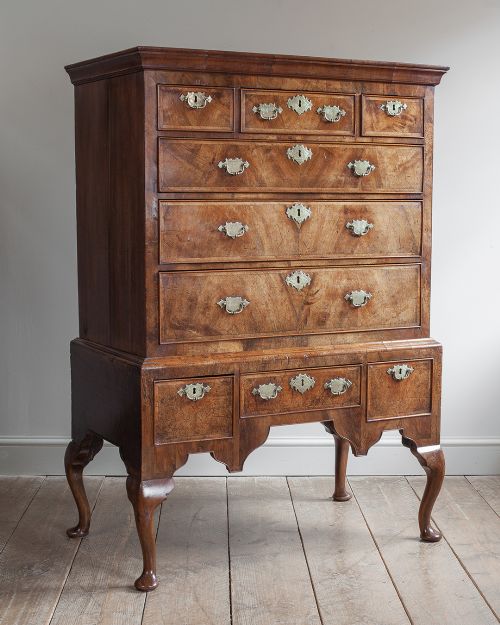
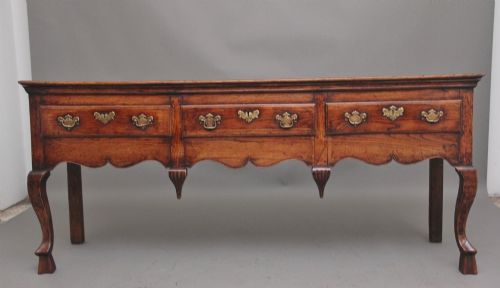
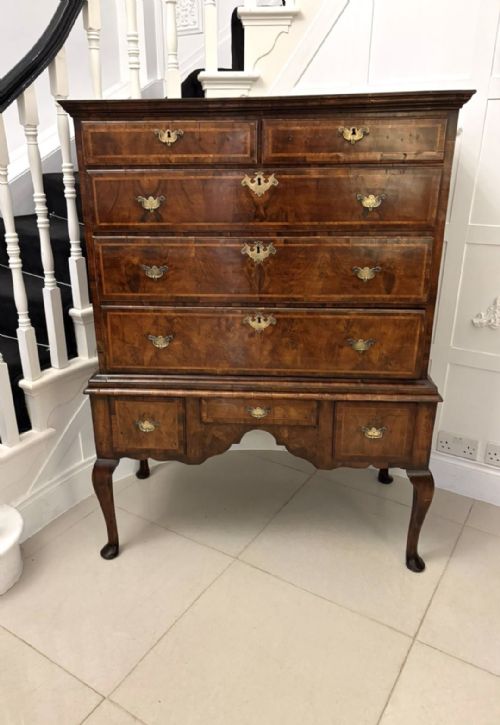
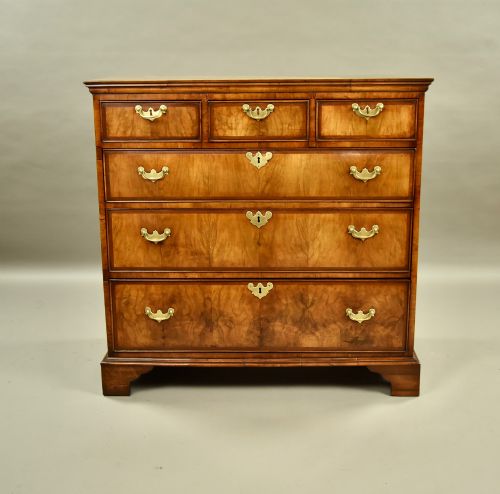
A queen anne dresser encompasses a diverse group of forms, appearing primarily as chests of drawers, chests on stands, and dresser bases in the evidence. Buyers searching for this phrase encounter walnut and oak constructions spanning the eighteenth century alongside revival pieces from the Edwardian era and the 1920s and 1930s.
The format ranges from formal veneered walnut pieces with herringbone banding to solid oak country bases and pine sideboards. Eighteenth-century examples sit alongside twentieth-century interpretations, showing how enduring the proportion and aesthetic remain across different periods of manufacture.
Materials and construction methods
Cabinetmakers utilised figured walnut, burr walnut veneers, and solid oak, often applying decorative techniques such as herringbone banding and inlay. Carcasses were built from secondary timbers like pine, whilst surfaces frequently received figured veneers matched across drawer fronts.
Early pieces rely on pegged joinery and solid timber boards for dresser bases and country furniture. Later revival items from the twentieth century employ similar veneering traditions on carcase structures, combining traditional cabinet methods with contemporary workshop practices.
Queen Anne Dresser Retail Price Guide 2026
Typical asking prices for queen anne dresser among the pieces listed under this phrase on Sellingantiques today, from the lower quarter to the upper quarter. They describe what is for sale here now, not the wider market.
Object forms include chests of drawers, dresser bases, sideboards, and chests on stands.
Distinctions in construction and material quality
Quality reveals itself in the selection and matching of timber veneers, such as burr walnut and figured walnut, alongside the crispness of inlaid banding. Superior pieces maintain original hardware, clean internal drawer linings, and sound structural joinery without excessive restoration.
The handling of secondary timbers and the precision of the drawer fit separate standard revival production from finer eighteenth-century and early George I examples. Patination on older oak and pine bases, developed through centuries of use, adds depth that newer surfaces cannot replicate.
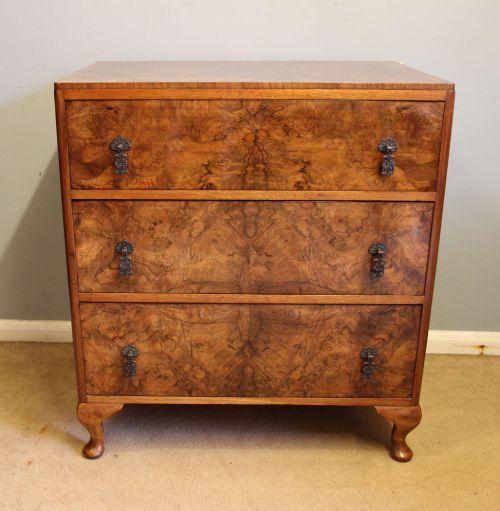
Hille of London
The Queen Anne Dresser Glossary
- Dresser base
- A low sideboard or table format featuring drawers or cupboards beneath a flat top, historically used for serving food or storing household items.
- Chest on stand
- A tall drawer section elevated on a separate frame or base with legs, combining vertical storage with raised proportions.
- Herringbone banding
- A decorative inlay of contrasting timber veneers laid in a V-shaped pattern, commonly seen around the drawers of walnut furniture.
- Burr walnut
- A figured wood grain obtained from walnut tree growths, prized for its swirling, highly decorative pattern on cabinet fronts.
- Patination
- The surface alteration and mellowing of timber over time resulting from age, light exposure, and handling.
Queen Anne Dresser: Frequently Asked Questions
What is a queen anne dresser?
A queen anne dresser refers to timber furniture pieces including chests of drawers, dresser bases, and sideboards originating from the early eighteenth century or later revival periods.
These forms emphasise clean proportions, often featuring walnut veneers, oak, or pine, with distinct stylistic roots in the Georgian era.
How do I date a walnut chest?
Dating relies on examining construction methods, timber choice, and secondary woods like pine or oak inside the drawers. Eighteenth-century examples show hand-cut dovetails and period handles, whereas twentieth-century revivals display twentieth-century workshop techniques.
Hardware placement, timber movement, and patination also offer clues to whether a piece belongs to the 1700s or the 1920s.
Where were dresser bases used?
Dresser bases served practical storage and display functions in domestic interiors, particularly dining rooms, kitchens, and halls. They held tableware, linens, and provisions while providing a sturdy surface for daily household tasks.
Country examples in oak and pine suited domestic workspaces, while walnut versions sat in more formal reception rooms.
How do I care for antique walnut?
Antique walnut requires stable indoor humidity away from direct sunlight and heat sources to prevent timber shrinkage and veneer lifting. Regular dusting with a dry, soft cloth maintains the finish without chemical buildup.
Applying occasional appropriate wax preserves the surface sheen and nourishes the historical timber safely.