
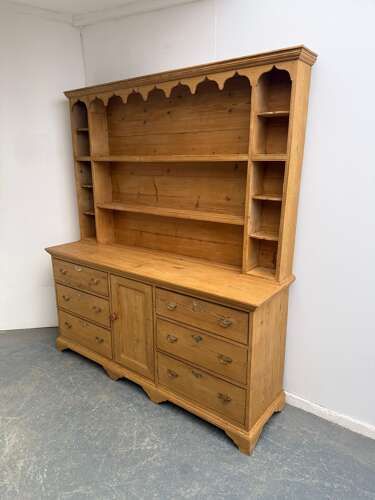
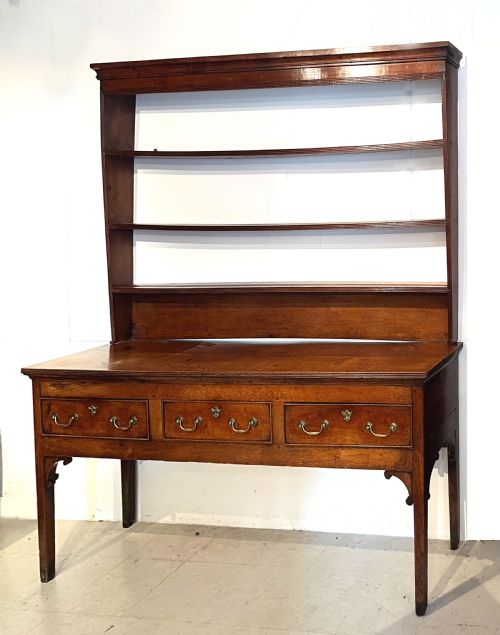


Antique Wooden Hutch
These antique wooden hutch pieces are sturdy utilitarian cabinets and dressers built to store domestic provisions, and collectors prize them for honest regional character and time-worn timber.
Antique Wooden Hutch
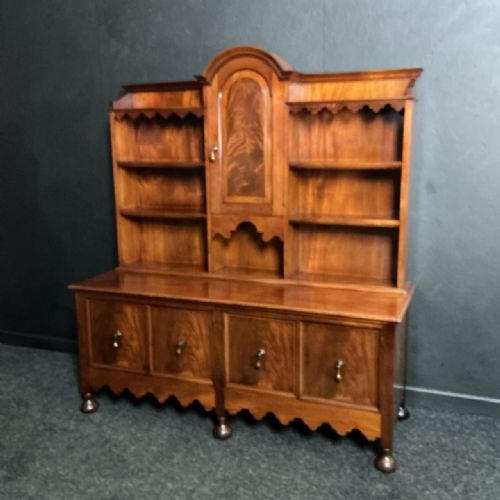
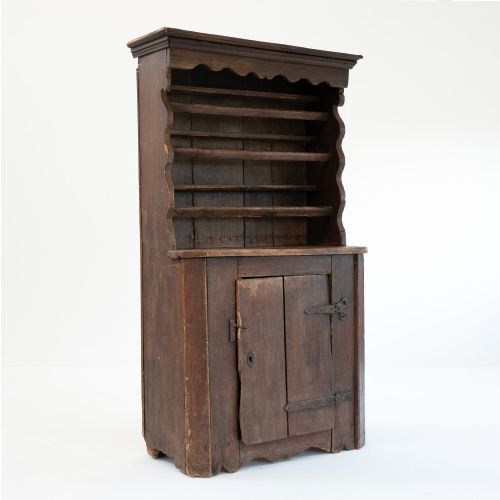
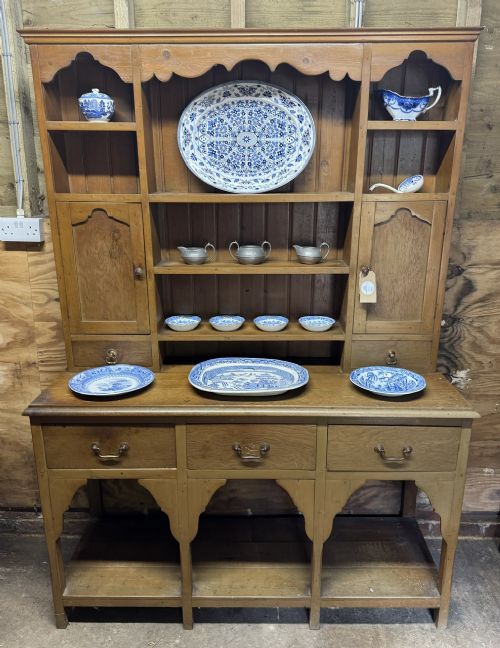
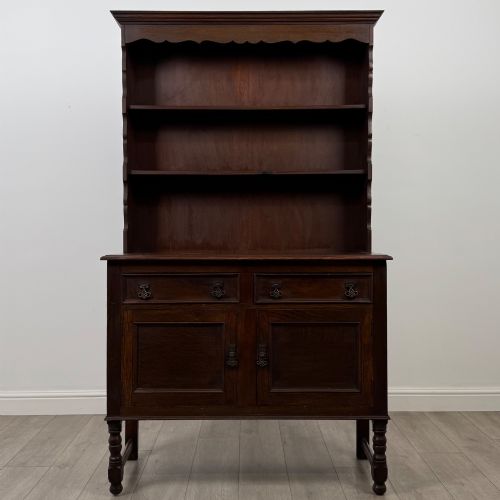
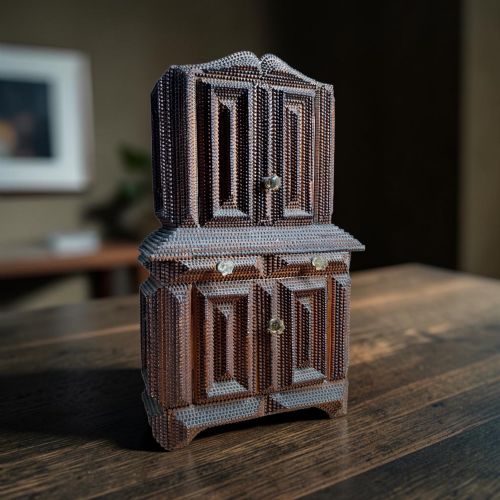
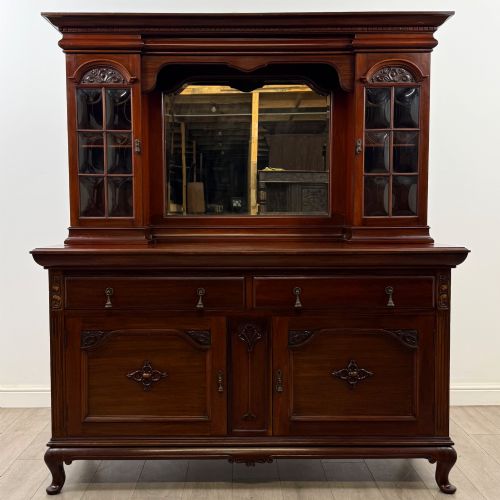
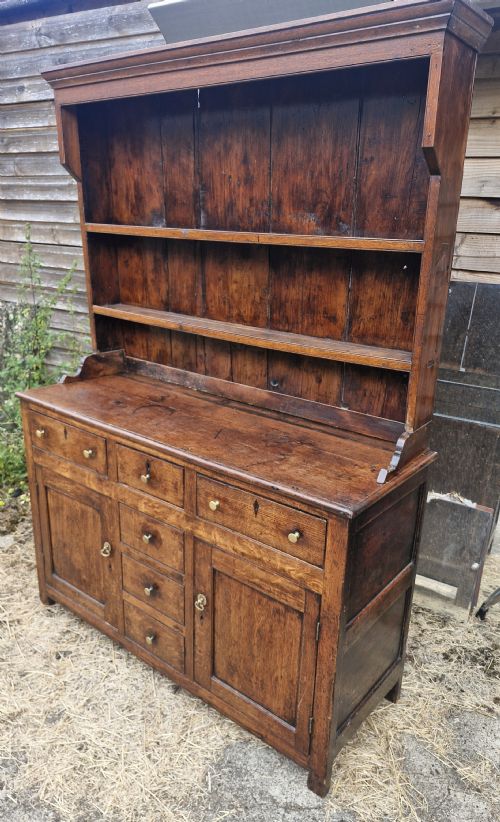
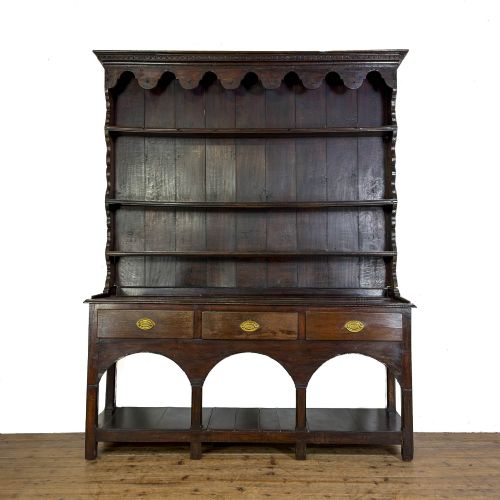
When searching for an antique wooden hutch, buyers encounter a robust family of storage furniture spanning kitchen dressers, sideboards, cupboards, and two-part display units. These domestic pieces serve both storage and display functions, often featuring plate racks or open shelving above enclosed lower cabinets or drawer bases.
The selections on this page draw from several centuries of domestic craft, with robust examples appearing from the 17th, 18th, and 19th centuries alongside Edwardian and later country iterations. Oak, pine, and mahogany dominate the offerings, built in regional English, Welsh, French, Scandinavian, and Irish traditions.
Most pieces met here lean towards vernacular country styles rather than formal court furniture, showing practical solutions for rural and provincial households. Simple cottage dressers, painted pine cupboards, and robust oak belly racks represent the core forms available to modern collectors.
Materials and construction
Carpenters relied principally on native hardwoods and softwoods like oak, pine, mahogany, walnut, and cherrywood to build these storage pieces for daily household demands. Timber selection dictated the structural integrity, with dense oak and mahogany offering rigid framing while pine provided an accessible surface for painted or scrubbed finishes.
Joinery methods reflect traditional hand tool work, utilising pegged mortise and tenon joints, hand-cut dovetails for drawers, and panelled doors that allowed timber to move naturally with seasonal humidity changes. Brass or iron hardware secures the doors and drawers, while original surface treatments range from clear wax to historic paint, scrumbled finishes, and natural patination.
Regional workshops incorporated local stylistic flourishes, such as carved mouldings, applied bracket feet, and distinct rack configurations designed to hold heavy ceramic plates or kitchen provisions securely.
Antique Wooden Hutch Retail Price Guide 2026
Typical asking prices for wooden hutch among the pieces listed under this phrase on Sellingantiques today, from the lower quarter to the upper quarter. They describe what is for sale here now, not the wider market.
Watch holders tucked into the listings prove that past owners wanted their timepieces safely housed even while sleeping.
Judging quality and integrity
Quality in these utilitarian cabinets rests upon the survival of original surfaces, honest structural timber, and the balance of regional proportions. Pieces retaining their early or original patinated finish, untouched hardware, and unaltered plate racks command greater respect than those stripped down or heavily rebuilt over generations.
The refinement of the joinery and timber selection sets superior pieces apart from basic vernacular utility items. Finer examples display tight dovetailing, well-chosen grain matching in mahogany or burr walnut, and crisp carving, whereas simpler country pieces rely on straightforward pegged construction and rustic charm.
The Antique Wooden Hutch Glossary
- Dresser
- A piece of furniture comprising lower storage cabinets or drawers paired with upper open shelves or a rack for displaying plates.
- Patina
- The surface sheen and colour developed by wood through age, handling, and waxing over many decades.
- Scrumbled
- A decorative paint technique involving the softening or mottling of top colour coats to imitate natural grain or create rustic texture.
- Belly rack
- A regional variation of a dresser base featuring a protruding or bowed central section for enhanced storage capacity.
- Vaislier
- A French term for a sideboard or dresser designed specifically for holding dishes and kitchenware.
Antique Wooden Hutch: Frequently Asked Questions
How do I date a wooden hutch?
Dating relies on examining construction methods, tool marks, and timber choice, as machine-sawn boards and modern screws point to later manufacture. Earlier pieces from the 17th and 18th centuries feature hand-riven wood, pegged joints, and forged iron or brass hardware.
Stylistic cues also help narrow the period, such as the heavy moulding of Georgian oak or the lighter painted finishes associated with 19th-century Scandinavian and Edwardian workshop traditions.
Were these pieces used in kitchens?
Many of these units served as primary kitchen furniture for storing earthenware, pewter, linens, and dried foodstuffs. The open top racks kept everyday plates within reach while lower cupboards protected heavier pots and dry goods from dust.
Over time, larger dressers and cabinets moved into dining rooms and pantries as formal dining spaces evolved in middle-class homes.
How should I care for antique pine?
Antique pine requires gentle treatment and stable indoor humidity to prevent the dry wood from splitting or warping. Regular application of a quality beeswax helps nourish the grain and maintain the protective surface sheen.
Keep these pieces away from direct heat sources and strong sunlight, which can bleach historic painted finishes and dry out centuries-old timber.
What is a two-part dresser?
A two-part dresser consists of a separate upper rack or cabinet section that rests directly on top of a lower sideboard or base unit. This modular construction made heavy furniture easier to transport through narrow cottage doorways during house moves.
Collectors look for pairs that have remained together throughout their existence, ensuring matching timber age and wear across both halves.