
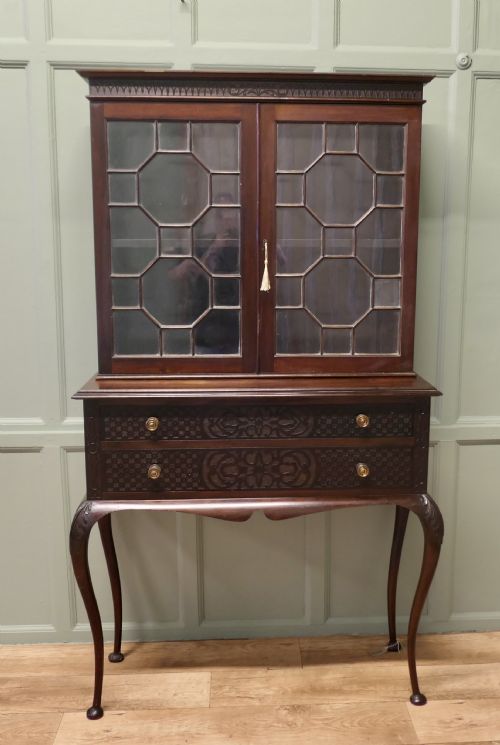
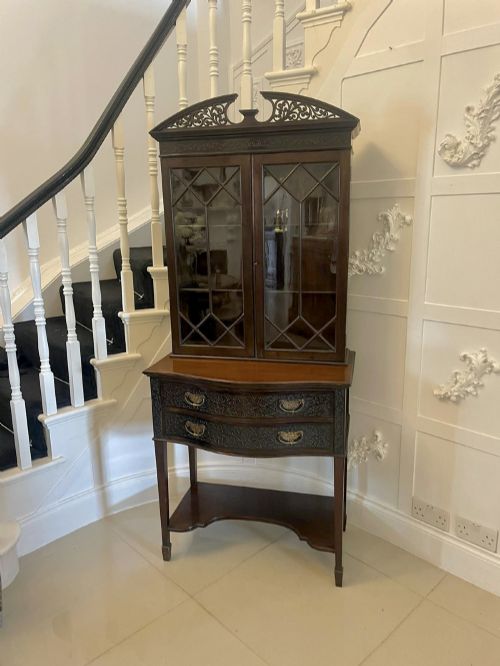
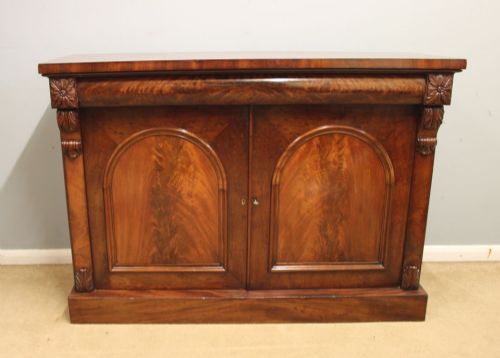
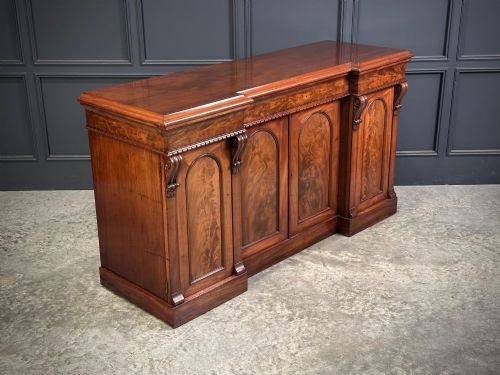
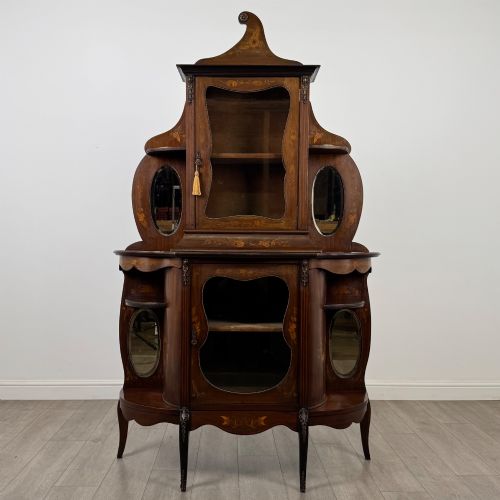
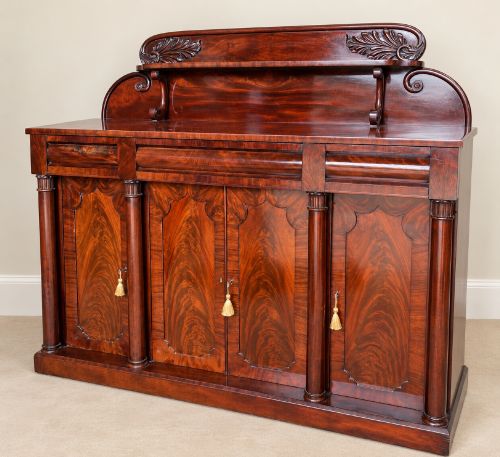
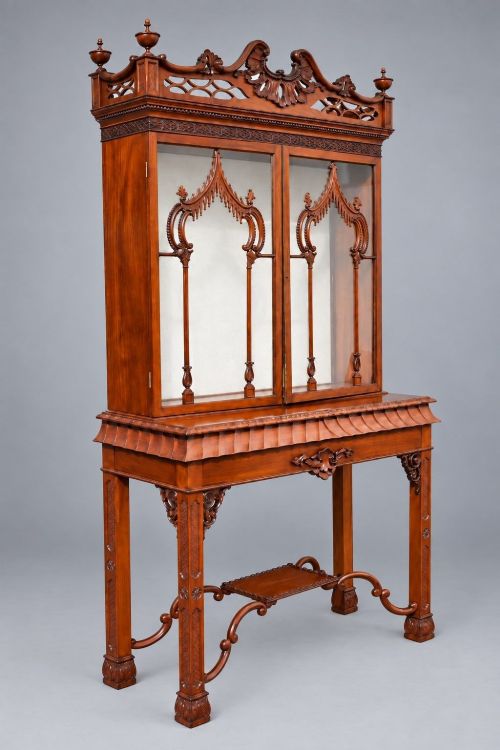
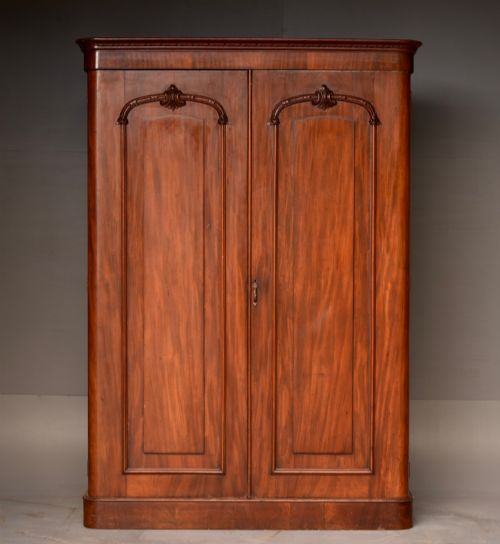

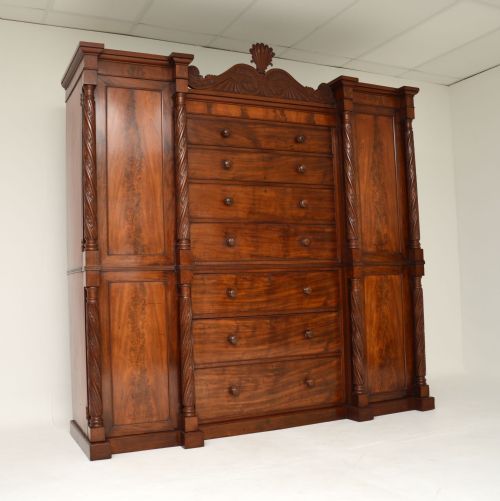
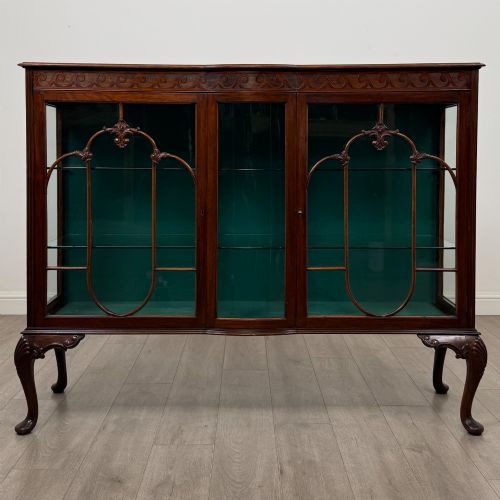
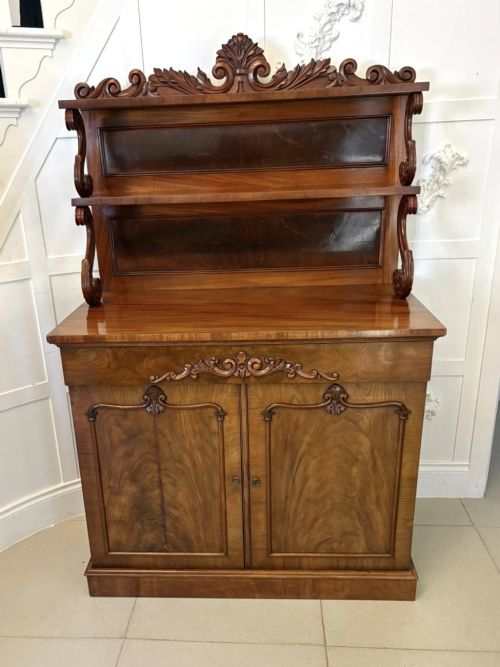
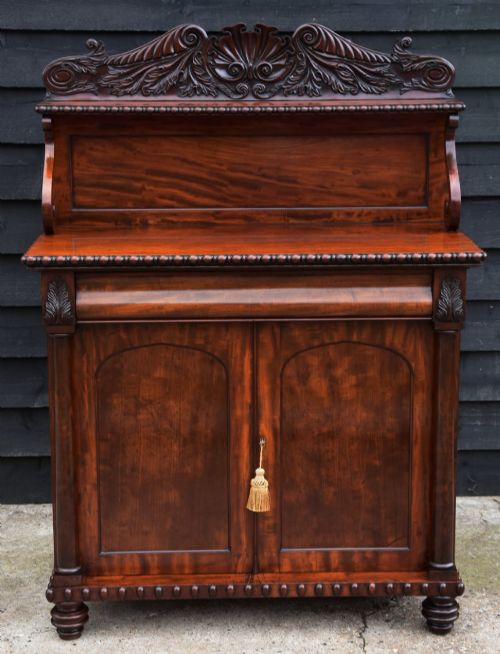
Carved Mahogany Cupboard
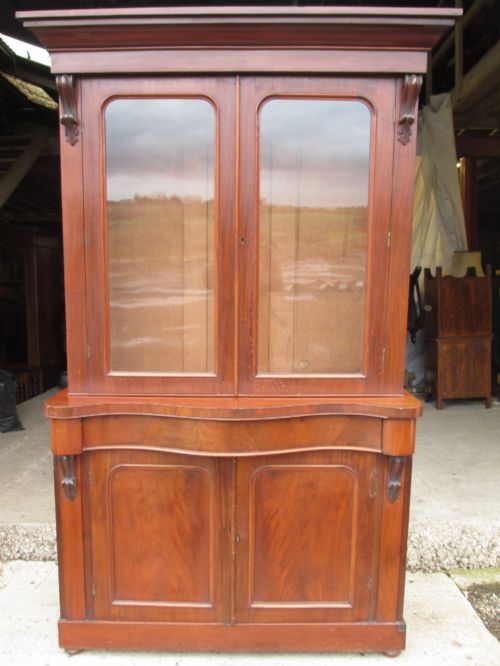
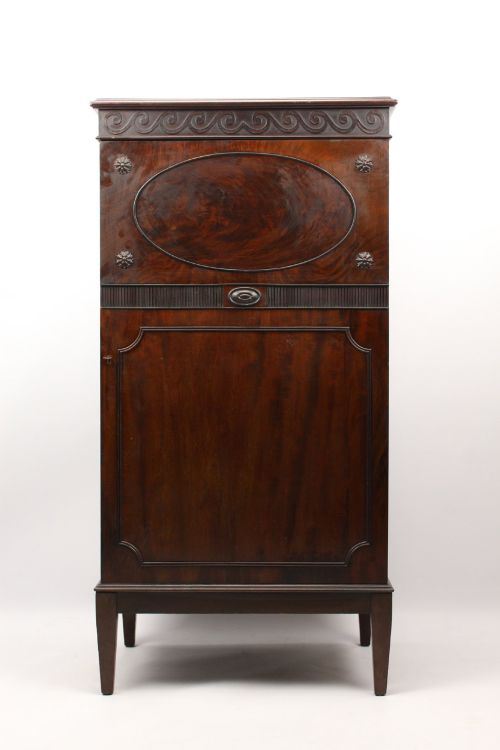
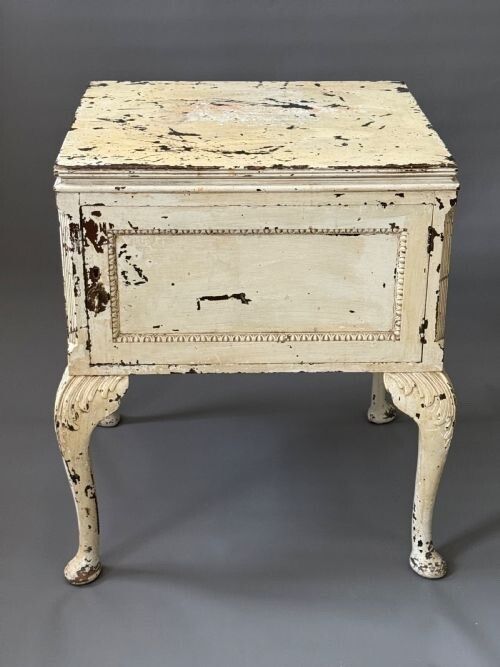
These carved mahogany cupboard examples range from compact bedside pieces to grand bookcases, offering rich timber and traditional joinery.
Carved Mahogany Cupboard
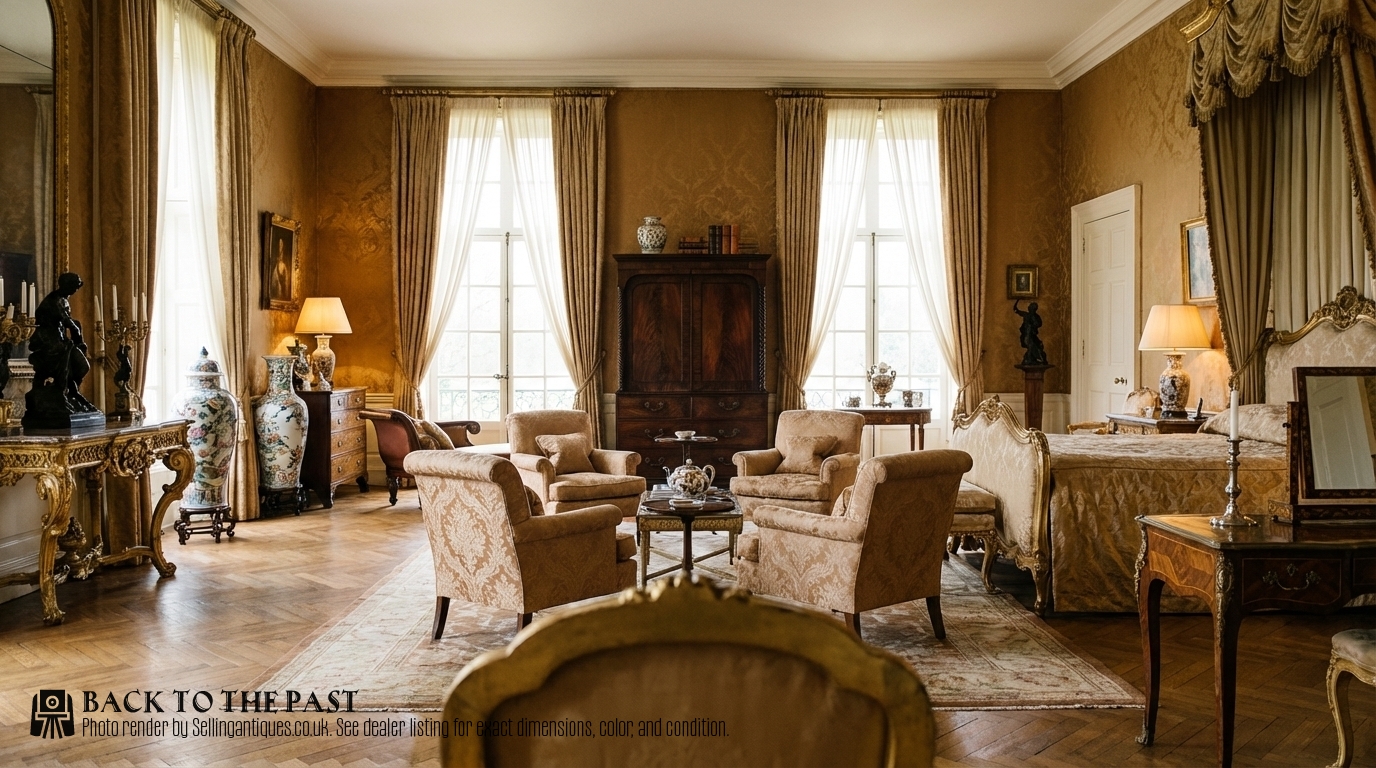
A carved mahogany cupboard brings substantial timber presence into a room, serving functional storage roles across domestic spaces. Buyers searching this phrase encounter diverse formats including display cabinets, chiffoniers, bookcases, sideboards, and bedside tables.
The pieces span several historical periods, with Victorian examples appearing most frequently alongside Edwardian, Georgian, Regency, and William IV items. Forms range from glazed display units and linen presses to compact pedestals and corner cupboards.
Makers utilised various regional interpretations and decorative treatments, incorporating styles such as Chippendale Revival, Chinese Chippendale, and Arts and Crafts. This variety ensures suitable options for both formal reception rooms and private chambers.
How They Were Made
Cabinet makers constructed these pieces primarily using solid mahogany and flame mahogany veneer applied over secondary timbers, often accentuating the grain pattern. Workshops incorporated brass hardware, glass panels for glazed doors, and occasionally marble tops or mirrors.
Construction involved traditional joinery techniques, combining sturdy carcase assembly with applied carved details such as blind fretwork cornices and floral motifs. Surfaces received polish or paint finishes to protect the wood and highlight its natural figure.
Carved Mahogany Cupboard Retail Price Guide 2026
Typical asking prices for carved mahogany cupboard among the pieces listed under this phrase on Sellingantiques today, from the lower quarter to the upper quarter. They describe what is for sale here now, not the wider market.
Listings feature mahogany alongside brass, glass, mirrors, and marble across Victorian, Edwardian, and Georgian periods.
What Varies in Quality
The grade of timber selection determines the visual impact, particularly where figured flame mahogany or book-matched veneers create dramatic grain movement across large panel doors. Superior pieces display thoughtful matching of timber across drawer fronts and cupboard doors.
The execution of carved detail separates standard production from exceptional workshops, with crisp hand-chiselled foliage and fretwork showing distinct artistry. Original hardware, well-fitted doors, and intact glazing bars further distinguish the finest examples.
Denby & Spinks·Edwards & Roberts·Gillows·Maples
The Carved Mahogany Cupboard Glossary
- Astragal glazed
- A method of framing glass panes within a door or window using slender wooden mouldings known as astragals. These delicate divisions are typical of quality bookcases and display cabinets.
- Chiffonier
- A low sideboard or cabinet developed in the Regency and Victorian periods, frequently equipped with drawers and enclosed shelving below. They often feature a raised back tier or mirror.
- Flame mahogany
- A veneer cut from timber taken where branches join the main trunk, producing a rippling, flame-like grain pattern. Cabinet makers reserved this highly decorative wood for prominent exterior surfaces.
- Compactum
- A large, multi-compartment wardrobe or storage cabinet designed to house various items of clothing efficiently within a single unit. They often incorporate internal drawers, sliding trays, and hanging space.
- Blind fretwork
- Carved ornamentation applied to a solid flat surface to simulate intricate pierced fretwork without cutting through the wood. This technique was popular in Chinese Chippendale and mid-eighteenth-century furniture.
Carved Mahogany Cupboard: Frequently Asked Questions
What rooms suit a mahogany chiffonier?
A chiffonier works naturally in a dining room or living space where its surface and lower cupboards provide practical storage for tableware or linens. The raised back tier also offers a convenient spot to display decorative items.
Because these pieces feature enclosed storage alongside shelving, they help keep dining areas tidy while introducing period character. Their moderate height prevents them from dominating smaller walls.
How do I date a mahogany bookcase?
Dating relies on observing construction methods, glass types, and stylistic details like cornice carving and leg design. Regency and early nineteenth-century pieces often display cleaner classical lines, whereas Victorian examples tend toward heavier proportions and richer carving.
Examining the interior secondary woods and backboards provides further clues about the period of manufacture. Surviving maker stamps or labels inside drawers can also confirm the exact workshop origin.
Where were bedside cupboards placed?
Bedside cabinets and night tables stood beside sleeping quarters to hold chamber lighting, books, and personal items within easy reach. Taller pedestal versions often coordinated with matching wardrobes or dressing chests.
Compact footprints allowed these pieces to fit neatly into domestic bedrooms of the eighteenth and nineteenth centuries. Marble-topped variants offered a durable surface resistant to water and daily wear.
Are glazed display cabinets fragile?
Glazed cabinets utilise traditional wooden framing and historical glass panes that require careful handling during placement and moving. The structural integrity depends on sturdy stile and rail construction supporting the door frames.
While everyday use presents no issue, owners should ensure shelves are evenly loaded and floors remain level to prevent door alignment issues. Regular maintenance of hinges keeps the glass doors operating smoothly.