


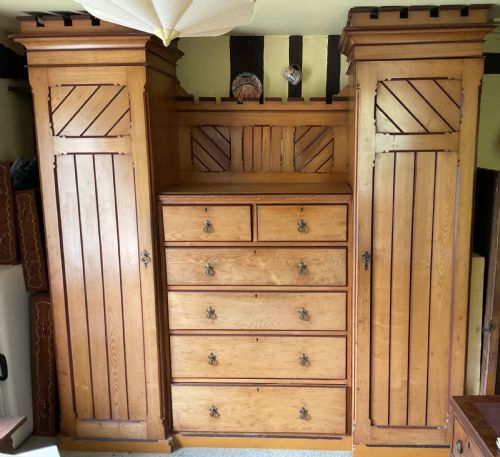
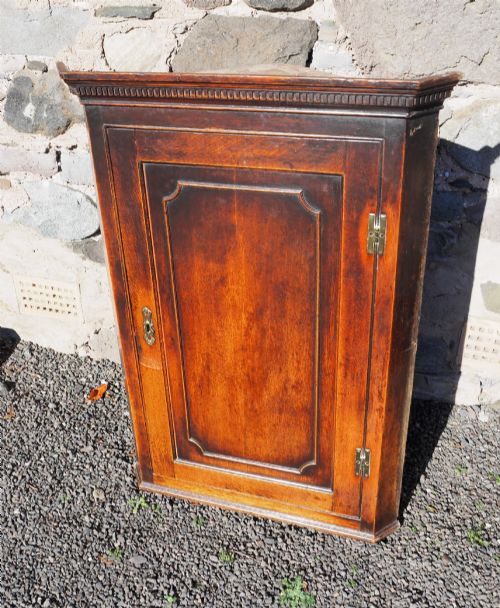
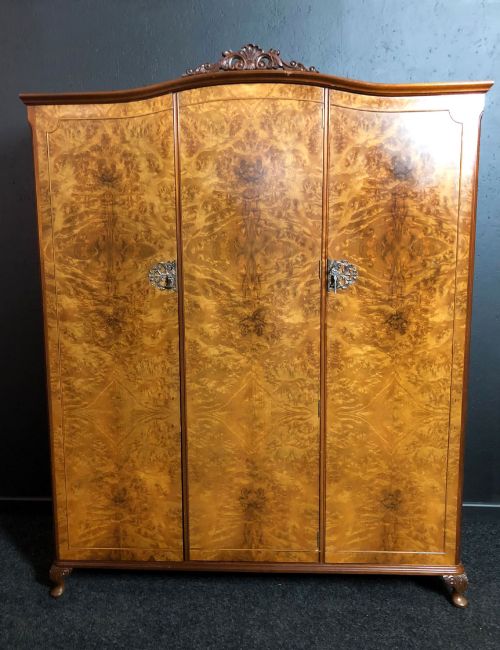
Brown Wooden Cupboard
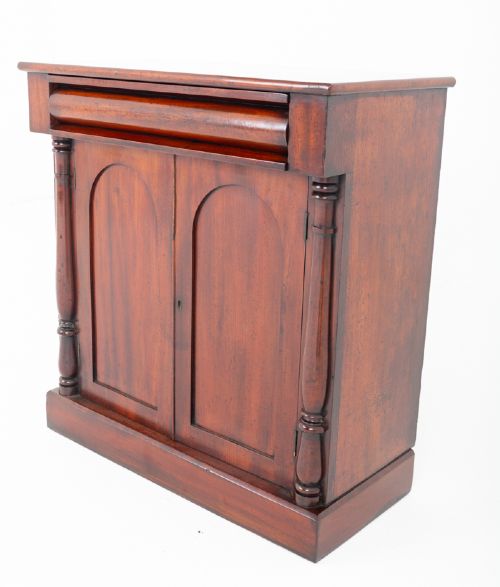
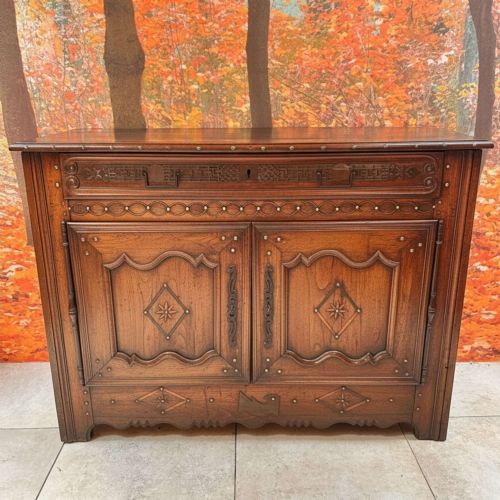
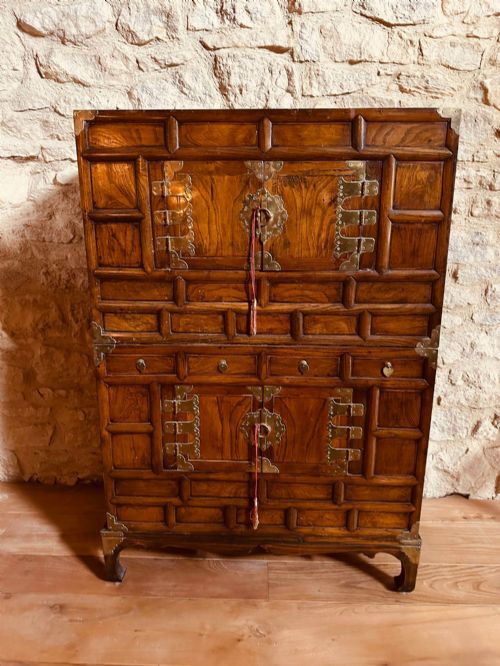
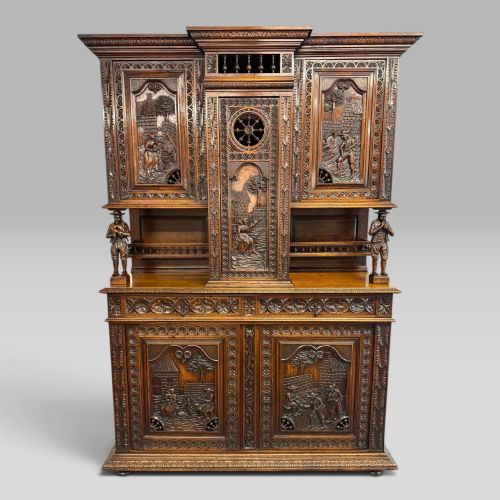
A brown wooden cupboard is a practical piece of period storage, spanning sturdy oak bedside cabinets to grand mahogany wardrobes.
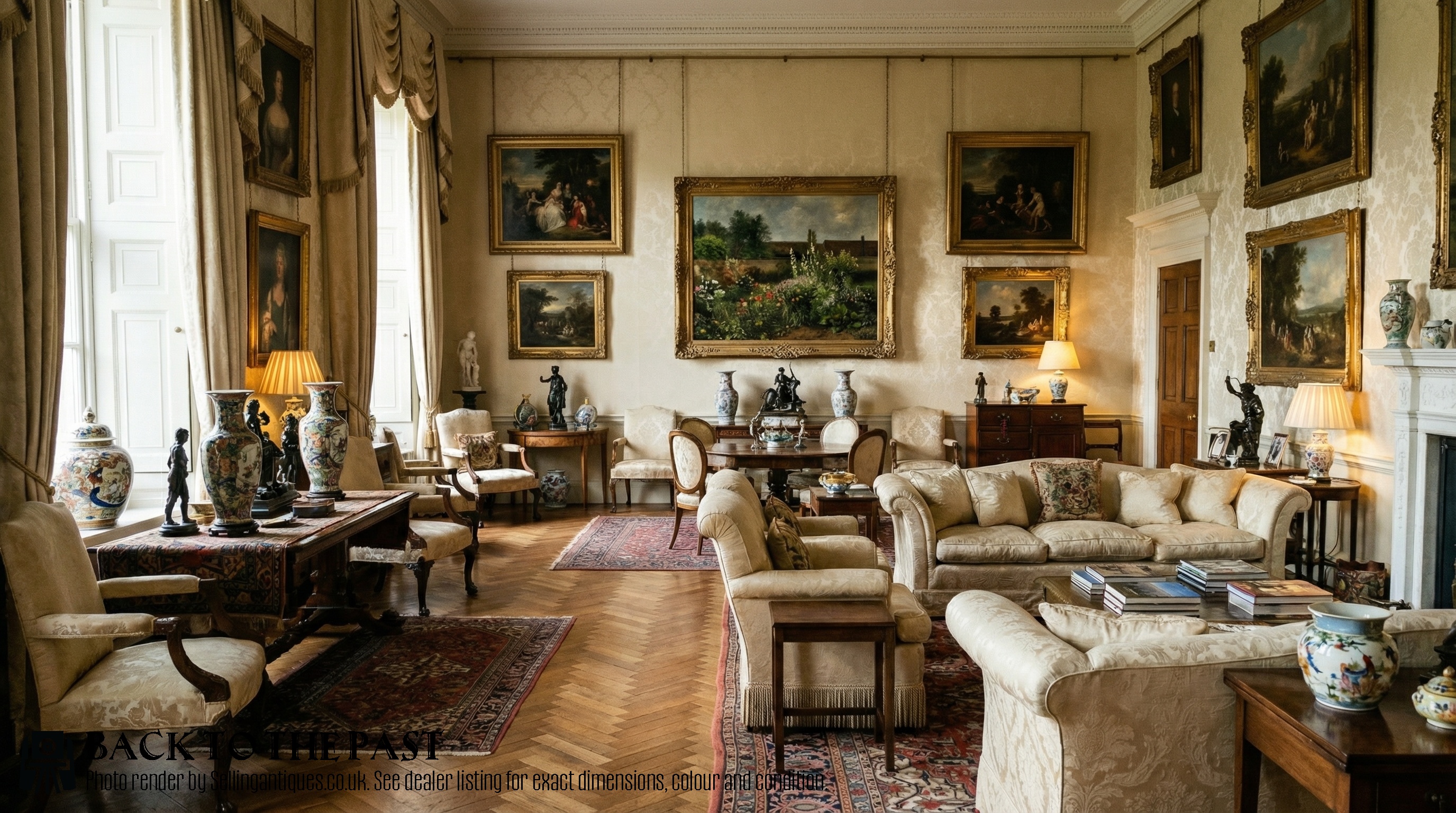
Brown Wooden Cupboard
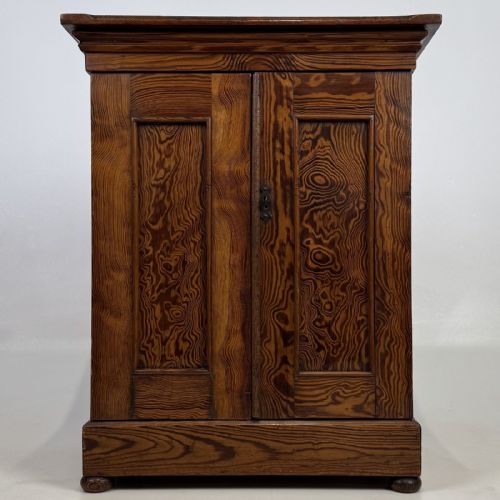
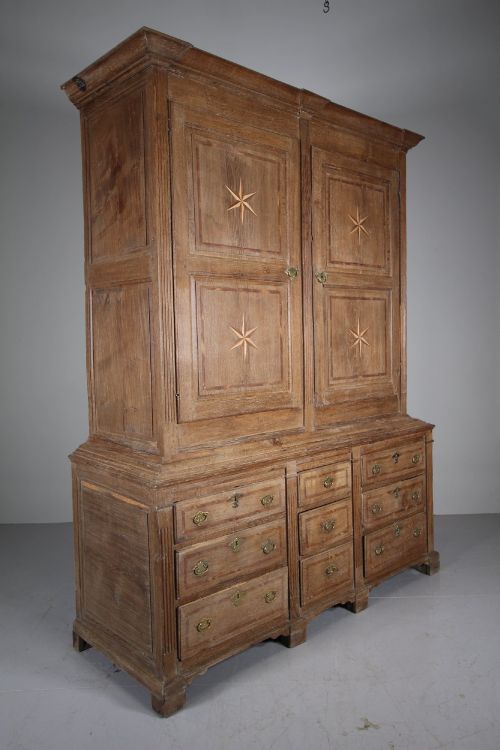
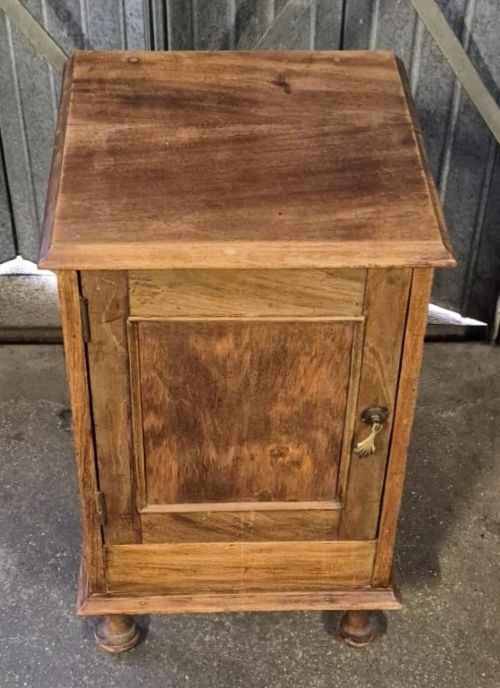
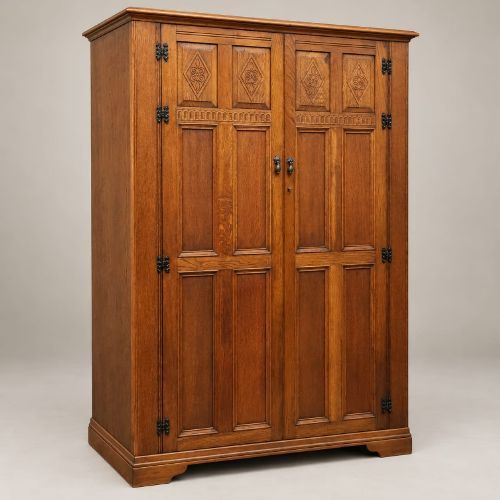
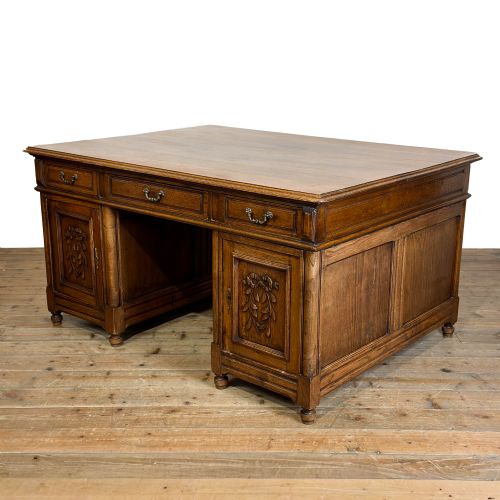
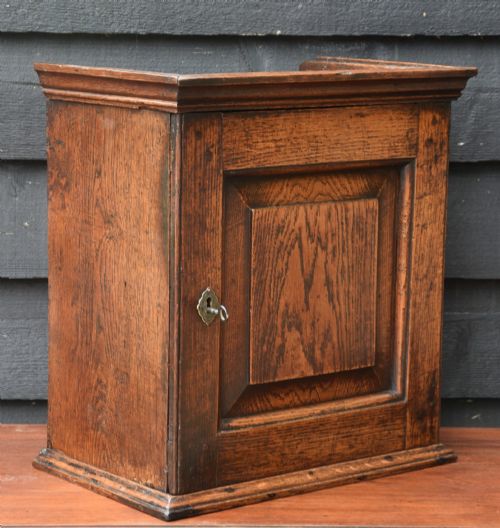
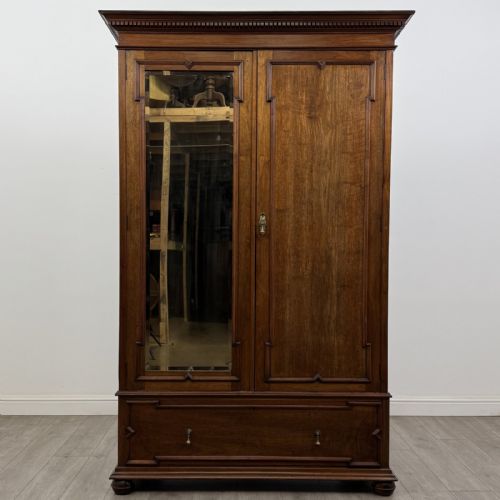
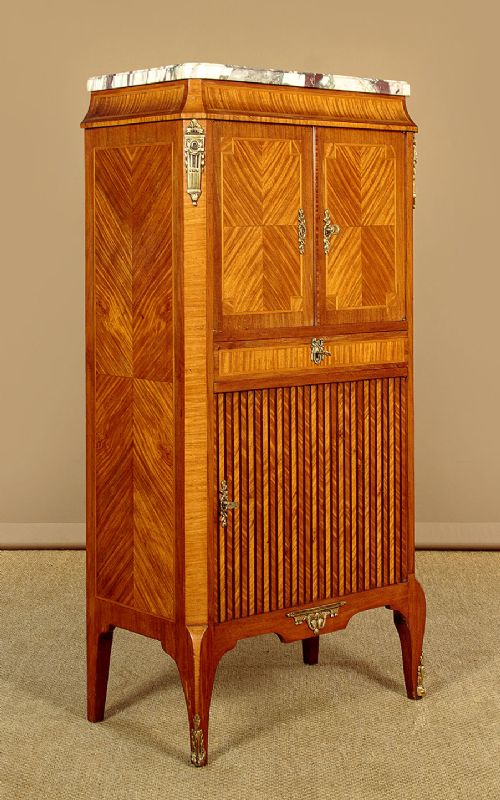
When you search for a brown wooden cupboard, you encounter a wide array of storage forms spanning multiple centuries. These pieces encompass bedside cabinets, tall wardrobes, wall-hanging spice cupboards, and compact side cabinets designed for domestic utility.
The selection on this page draws heavily from Georgian, Victorian, and Edwardian periods. Oak and mahogany appear most frequently, shaped into functional storage units that served bedrooms, hallways, and living rooms in past centuries.
How They Were Made
Cabinet makers utilised dense hardwoods such as oak, mahogany, walnut, and satinwood, frequently pairing them with brass hardware and glass panels. Solid timber construction provided the durability needed for heavy daily use in domestic spaces.
Joinery techniques ranged from simple pegged framing on early oak spice cupboards to refined dovetailing and fine inlay work on later mahogany and satinwood pieces. Surfaces often received polish or wax finishes to highlight the natural grain of the wood.
Brown Wooden Cupboard Retail Price Guide 2026
Typical asking prices for brown wooden cupboard among the pieces listed under this phrase on Sellingantiques today, from the lower quarter to the upper quarter. They describe what is for sale here now, not the wider market.
Listings feature oak, mahogany, walnut, and satinwood across periods spanning the eighteenth, nineteenth, and early twentieth centuries.
What Varies In Quality
Quality rests primarily in the selection of timber and the precision of the construction. Pieces utilising highly figured mahogany or solid burr walnut display superior visual depth compared to simpler utility items.
The finesse of carved detailing, the integrity of original brass fittings, and the smoothness of drawer operation distinguish higher tier examples. Makers who invested greater time in dovetailing and matched grain patterns produced pieces that endure with tighter joints.
maples & co
The Brown Wooden Cupboard Glossary
- Wardrobe
- A tall piece of furniture designed for hanging clothes. Many period versions feature double doors and internal shelving.
- Sideboard
- A long cabinet used for storing dining utensils and serving food. These often incorporate cupboards and drawers beneath a flat top surface.
- Bedside Cabinet
- A small table with an enclosed storage compartment beside a bed. They frequently appear in matching pairs from the Victorian era.
- Inlay
- A decorative technique where contrasting woods or materials are set into the surface. Satinwood and lighter timbers often provide contrast against darker mahogany.
- Dovetail
- A traditional joint formed by interlocking wedge-shaped fingers. This method secures drawer corners and side panels with high structural strength.
Brown Wooden Cupboard: Frequently Asked Questions
What is a pot cupboard?
A pot cupboard is a small bedside cabinet historically designed to house a chamber pot. These compact units usually feature a single door and sometimes include a marble top for easy cleaning.
Today, they function well as versatile bedside tables or small lamp stands in tighter spaces.
How do I date a wooden cupboard?
Dating involves examining the timber species, construction methods, and overall style. Georgian pieces often show hand-cut dovetails and rich mahogany, while Edwardian examples commonly feature oak or inlaid satinwood.
Hardware styles and secondary woods inside drawers also offer reliable clues to the period of manufacture.
Are these cupboards made of solid wood?
Most pieces from the Georgian, Victorian, and Edwardian periods utilise solid hardwoods such as oak, mahogany, and walnut. Secondary timbers might appear on drawer linings or back panels.
Finely figured veneers also appear on high-status cabinets, applied over stable timber bases to create decorative surface patterns.
How do I care for antique wood?
Antique wooden cupboards require stable indoor humidity away from direct heat sources and strong sunlight. Regular dusting with a soft, dry cloth preserves the finish.
Applying a traditional beeswax polish occasionally helps nourish the timber and maintain a natural lustre without building up heavy chemical residues.