

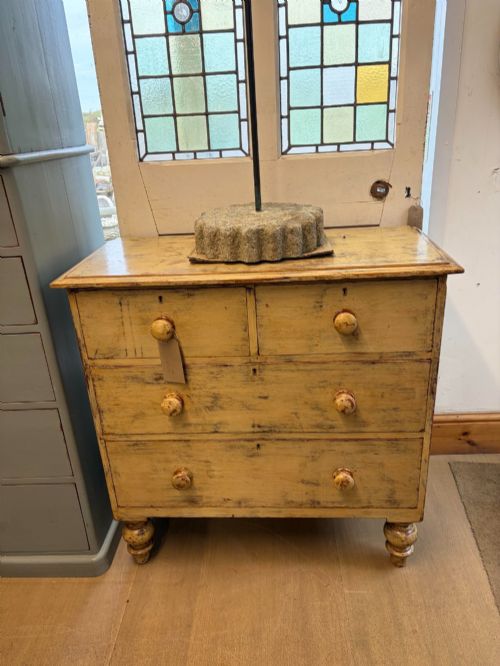
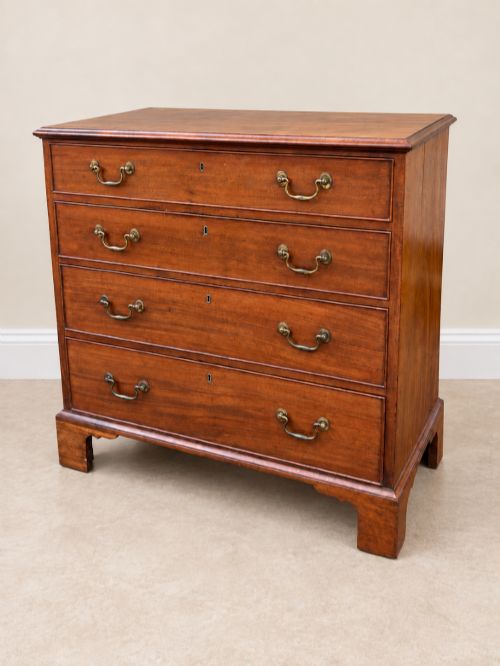
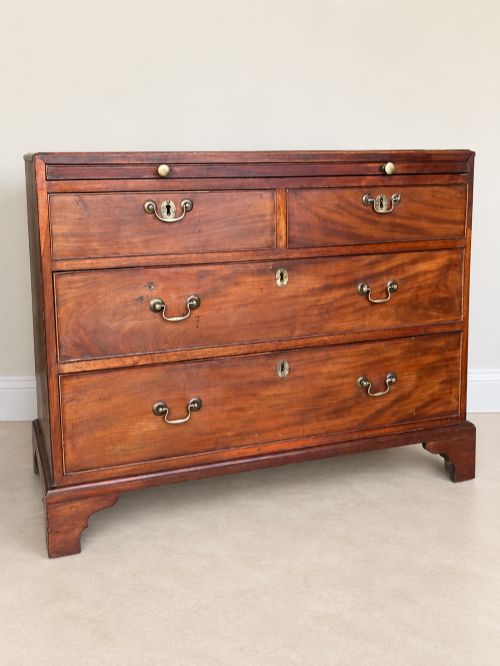
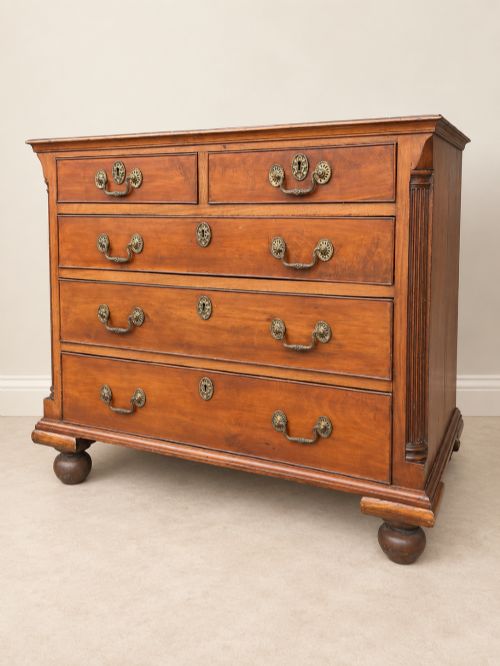

Small Wooden Dresser
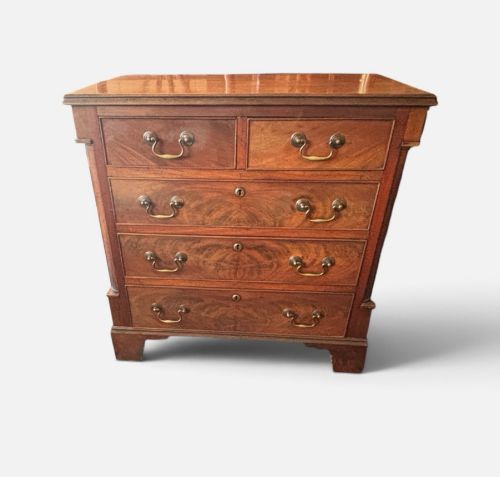
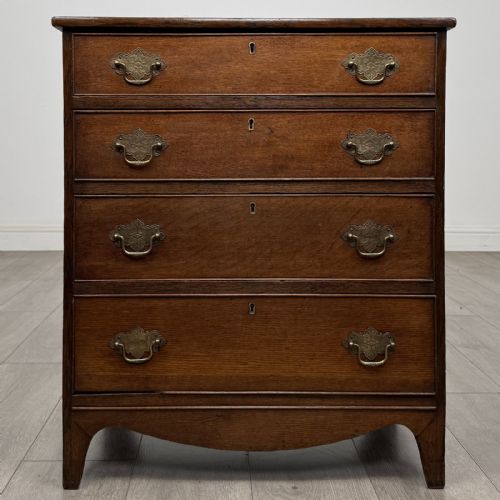
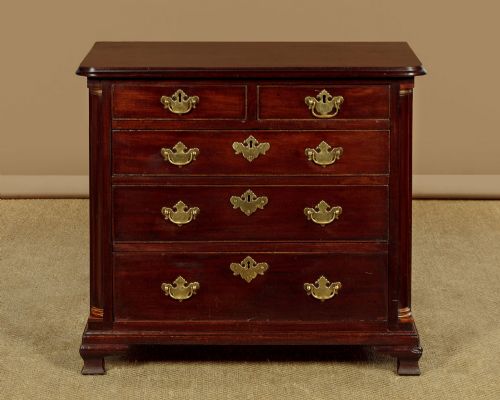
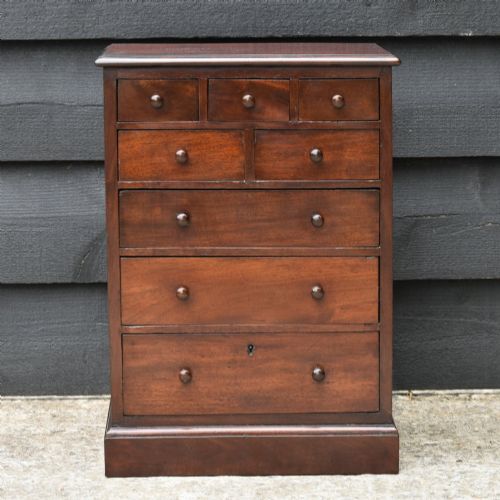
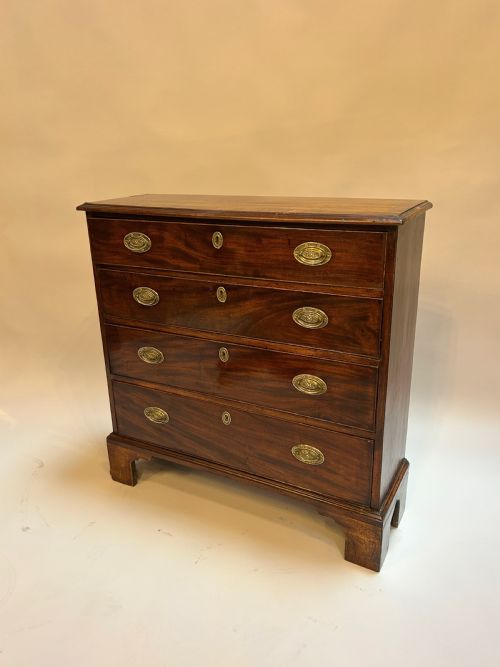
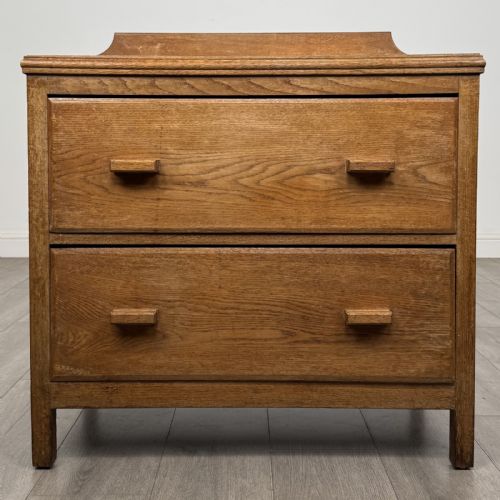
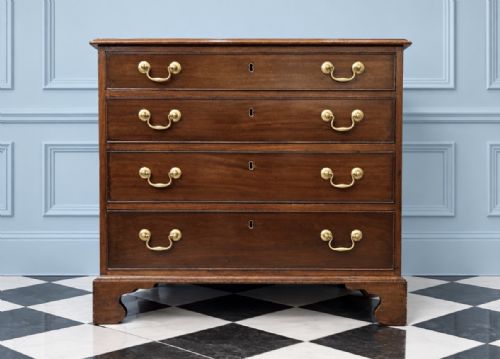
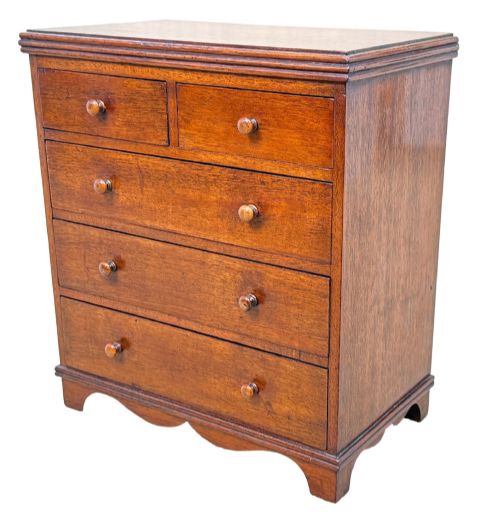
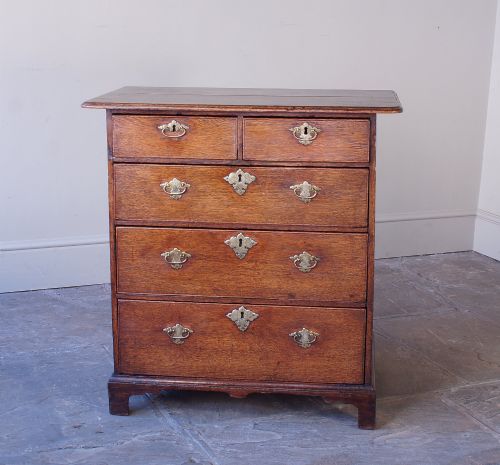
A small wooden dresser or compact chest of drawers offers practical storage with historic character.
Small Wooden Dresser
When you search for a small wooden dresser, you encounter compact chests of drawers, miniature furniture, side cupboards, and side tables designed to fit restricted spaces. These pieces emerge from periods spanning the seventeenth century through to the twentieth century, encompassing Georgian, Victorian, Edwardian, and revival eras.
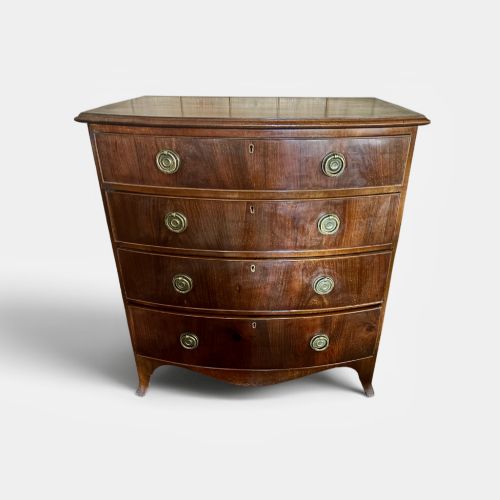
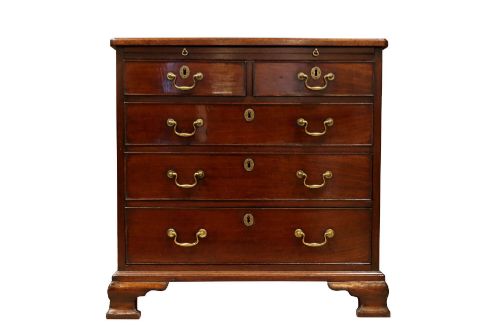
The forms vary from bowfront and serpentine chests to bachelor's chests equipped with brushing slides, alongside apprentice pieces and small sideboards. Mahogany, oak, walnut, and pine dominate the structural timber, frequently paired with brass hardware.
Materials and Construction
Cabinet makers utilised dense hardwoods such as mahogany, walnut, and oak alongside softer timbers like pine, ash, elm, and limewood. Selected pieces display intricate crossbanding and inlaid decorative veneers to enrich the timber surfaces.
Metal fittings, predominantly brass, provide functional handles and escutcheons that complement the wooden carcases. Construction techniques range from traditional hand-cut dovetail joints in early drawer construction to later twentieth-century assembly methods.
Small Wooden Dresser Retail Price Guide 2026
Typical asking prices for small wooden dresser among the pieces listed under this phrase on Sellingantiques today, from the lower quarter to the upper quarter. They describe what is for sale here now, not the wider market.
Listings feature items spanning the 17th, 18th, 19th, and 20th centuries, constructed from mahogany, oak, walnut, pine, ash, elm, limewood, and yew wood.
Judging Quality
Quality rests upon the selection of timber grain, such as burr walnut or figured mahogany, and the crispness of crossbanding or inlay. Finer examples maintain original brass hardware, unblemished surface patination, and proportional harmony in smaller scales.
Structural integrity reveals itself in the precise joining of drawer carcases and the smooth sliding of timber drawers within their frames. Pieces retaining their original finish and period components command greater appreciation than those with extensive later alterations.
The Small Wooden Dresser Glossary
- Bowfront
- A convex curved cabinet front that projects outward in the centre. This decorative shaping appears frequently on Georgian and Victorian chests of drawers.
- Crossbanding
- A narrow strip of veneer applied perpendicularly to the grain of the main surface. It frames the top or drawer fronts of finer cabinet work.
- Brushing slide
- A pull-out shelf integrated above the top drawers of a chest or bachelor's piece. It provided a writing or grooming surface.
- Serpentine
- A front design featuring a concave central recess flanked by two convex curves. This flowing shape requires advanced woodworking skill.
Small Wooden Dresser: Frequently Asked Questions
Where do I place a small chest?
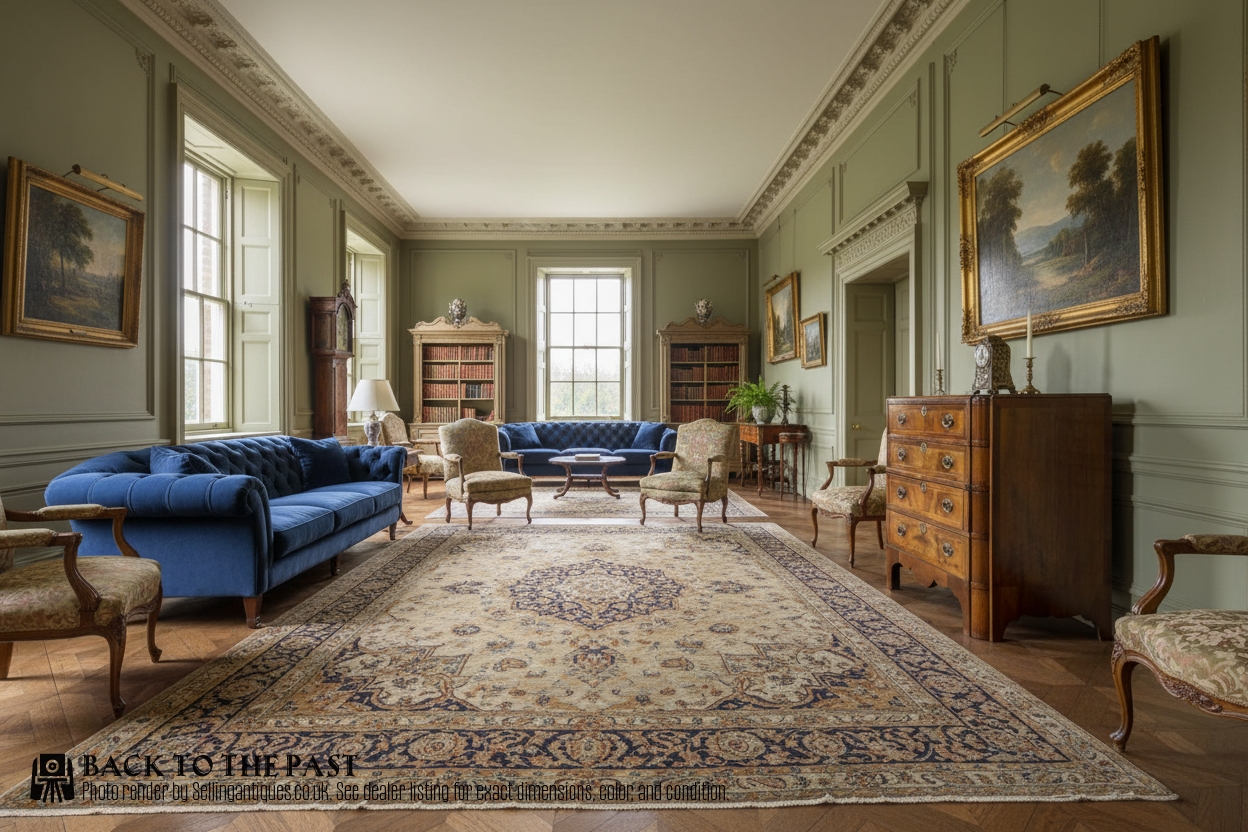
These compact pieces fit easily into hallways, bedrooms, or tighter reception spaces where standard furniture overwhelms the room. Their modest footprints provide functional surface space and drawer storage without dominating interior layouts.
Position them beside seating areas or against narrower walls to maximise utility in smaller architectural settings.
How are these pieces dated?
Dating relies on identifying timber choices, construction methods, handle styles, and overall aesthetic proportions. Georgian and Victorian examples display distinct joinery techniques and hardware configurations typical of their eras.
Examining secondary timbers inside the drawer linings and the nature of the drawer dovetails further clarifies the period of manufacture.
What is a bachelor chest?
A bachelor's chest is a compact drawer unit that incorporates a pull-out brushing slide beneath the top surface. Historically designed for single gentlemen, this sliding board served as a temporary desk or dressing tray.
These versatile pieces combine standard drawer storage with an interactive writing surface.
Are these items purely decorative?
While prized for their aesthetic presence and historic patination, these small chests remain fully functional storage units. The drawers accommodate clothing, documents, or household items while the top surface supports lamps or display objects.
Their sturdy wooden construction ensures they withstand daily domestic use.