


Walnut Bureau Chest
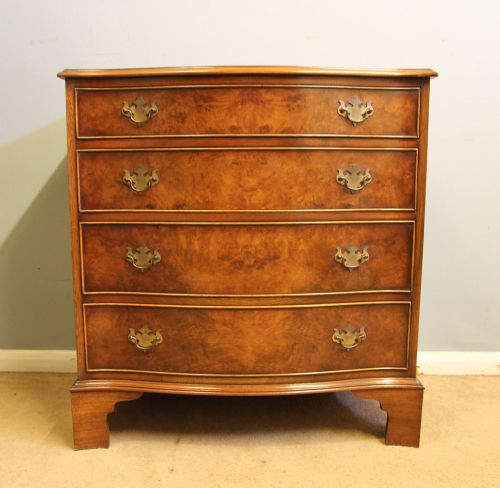
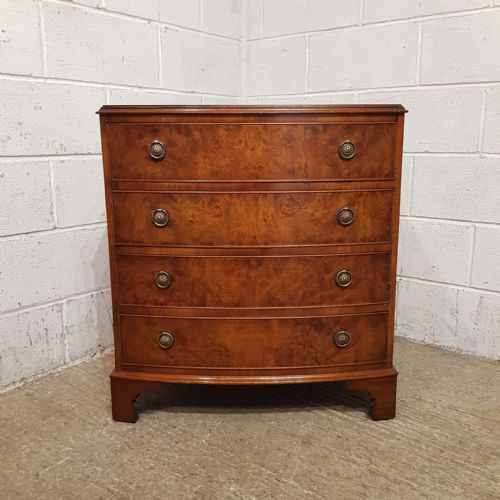
Burr walnut bureau chest pieces combine writing slopes and drawer storage, offering figured timber and period craftsmanship.
What walnut bureau chest designs involve
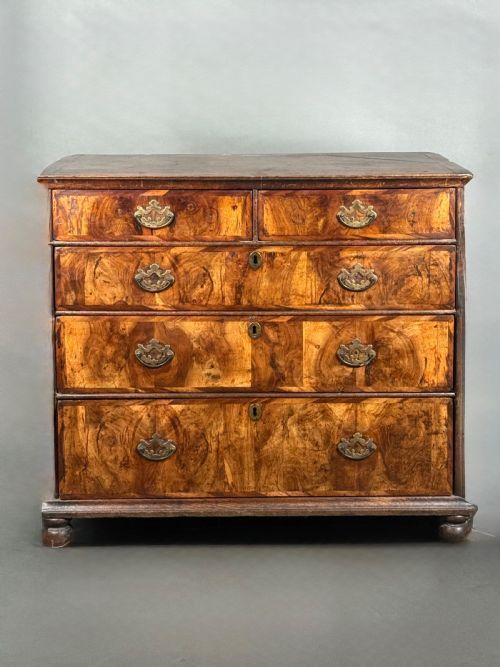
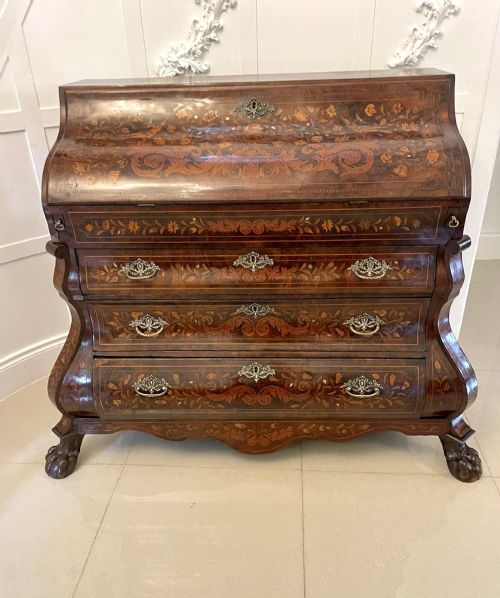
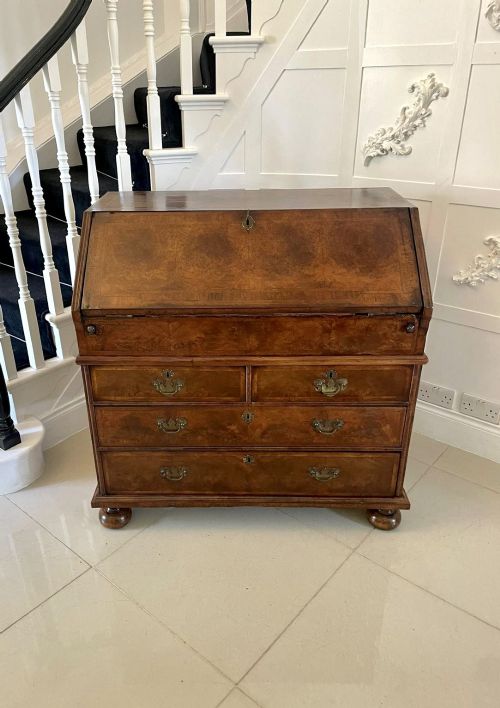
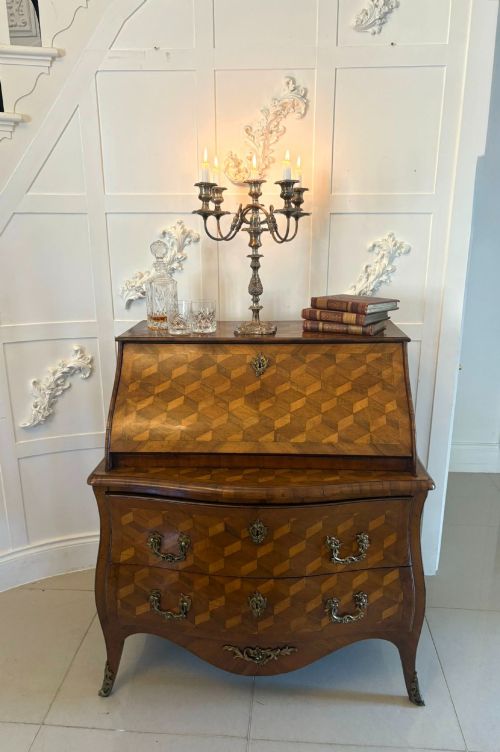
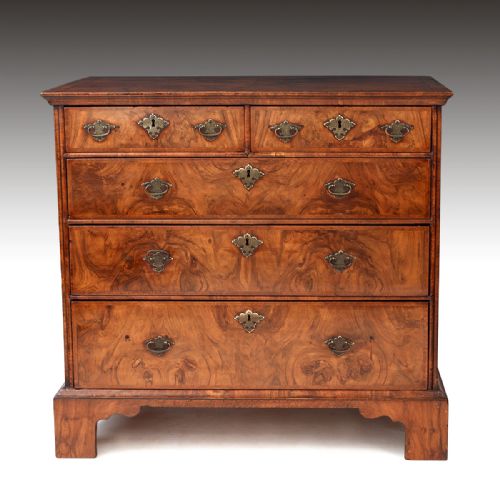
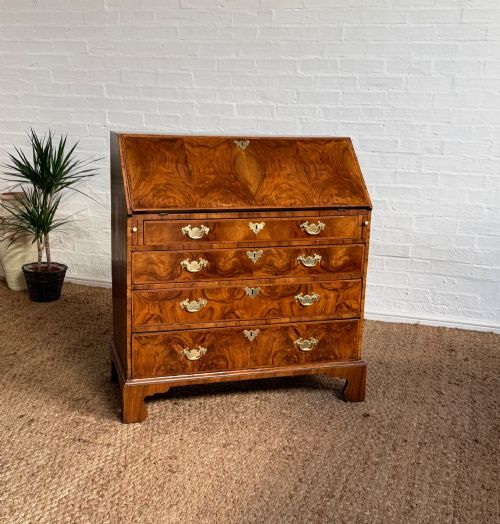
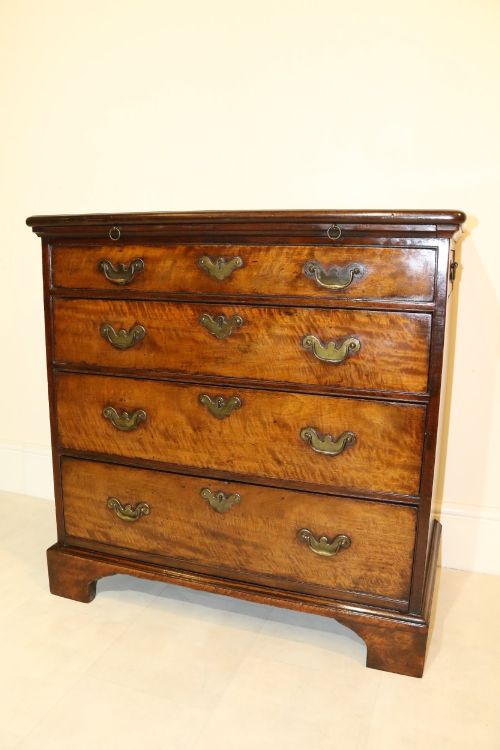
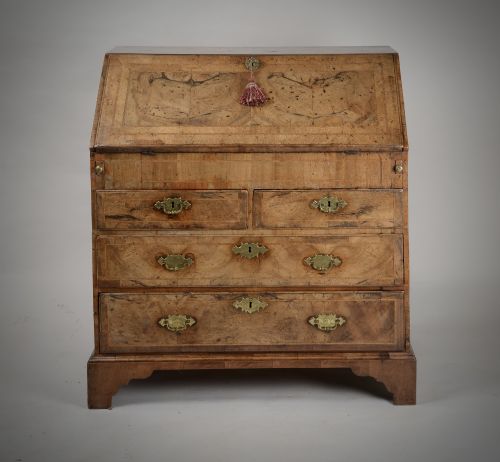
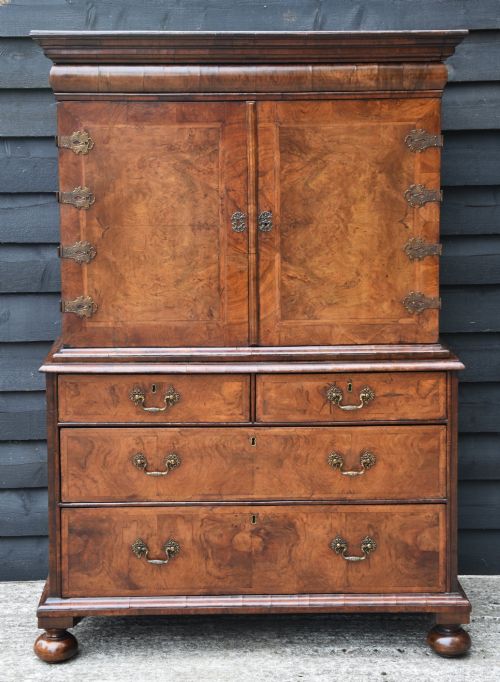
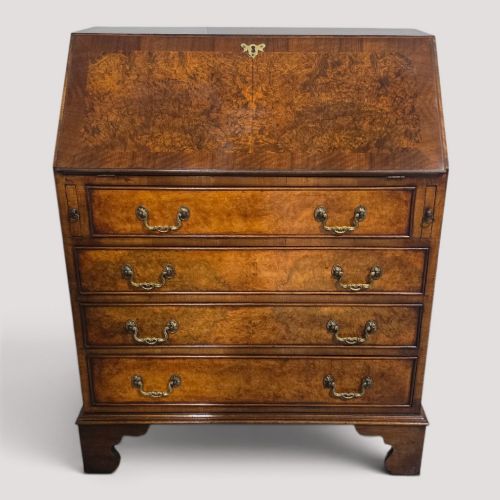
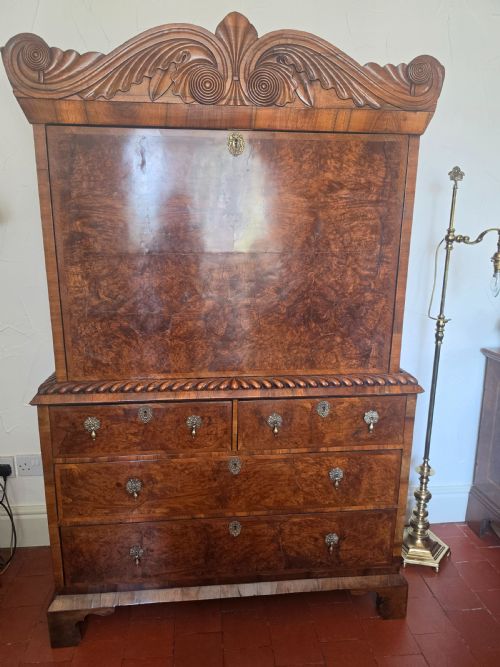
A walnut bureau chest brings together fitted writing compartments and stacked drawer storage in a single case piece. The form develops across the seventeenth and eighteenth centuries, evolving from William and Mary models through Queen Anne, George I, and George II styles.
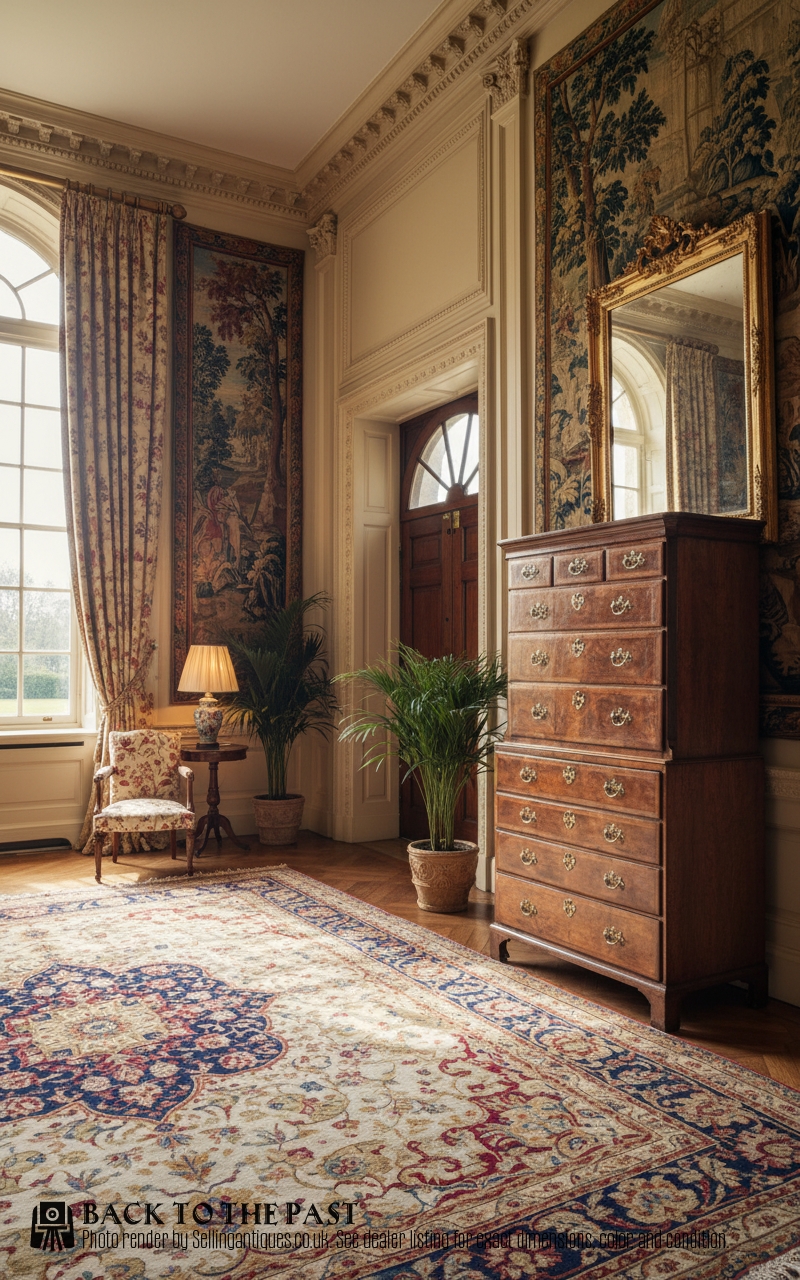
Buyers encounter two-part formats, tallboys, and chests on chests alongside standard drawer configurations. Burr walnut and figured veneers dominate the surfaces, often enhanced with contrasting inlay work.
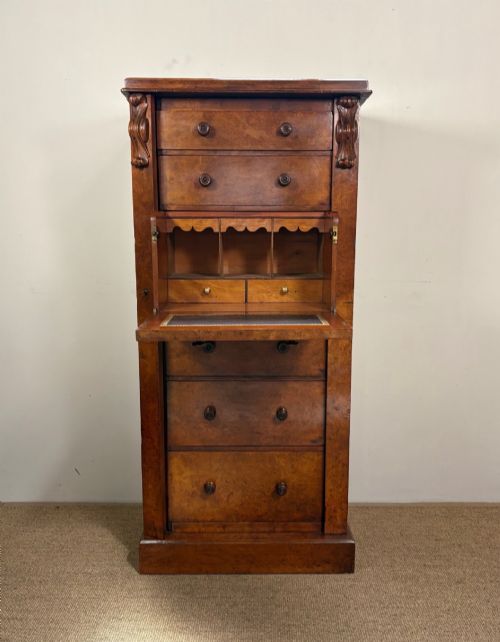
Origins stretch from the seventeenth century into the eighteenth century, with occasional Victorian interpretations appearing in archive records. These pieces serve as working desks and storage units simultaneously.
Materials and construction methods
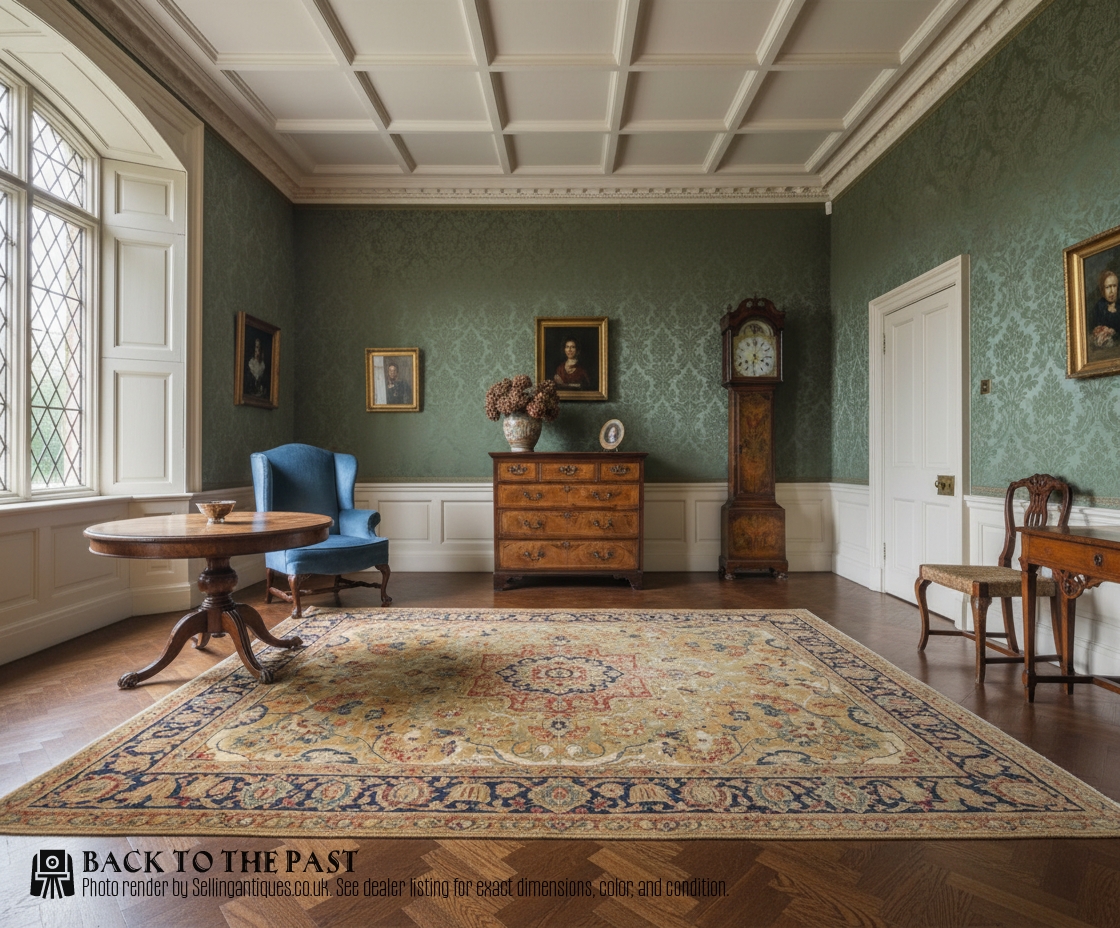
Joiners construct the primary carcasses using oak alongside walnut and burr walnut timbers. Veneers are sliced and applied to large surfaces to showcase rich grain patterns.
Hardware consists of brass handles and escutcheons fixed to drawer fronts. Herringbone stringing provides decorative detail around the borders of panels and drawers.
Retail Price Guide 2026
Typical UK retail prices for walnut bureau chest, calculated from the Sellingantiques database of over a million retail prices indexed since 2003. This retail price guide relies exclusively on Sellingantiques data; no external sources or auction records are used, so the figures do not describe the wider market.
Listings feature walnut, burr walnut, oak, and brass across seventeenth and eighteenth-century periods.
Judging quality in walnut bureau chests
Quality rests on the selection and matching of burr walnut veneers across the principal facades. Grain continuity across drawer fronts and fall fronts separates superior examples from simpler constructions.
The sophistication of internal cabinetry within the bureau section dictates the tier of the piece. Fine timber selection for secret compartments and pigeonholes marks out high workshop output.
The Walnut Bureau Chest Glossary
- Burr walnut
- A figured timber harvested from walnut tree growths, prized for swirling grain patterns. It provides decorative veneer for high-status furniture.
- Herringbone inlay
- A patterned border created by setting small veneer strips at alternating angles. This technique frames drawer fronts and panel edges.
- Secretaire
- A writing cabinet or chest featuring a drop-down flap or internal writing drawer. It conceals pigeonholes and small drawers.
- Tallboy
- A tall chest on chest arrangement that maximises vertical storage space. It combines multiple drawers within a two-part carcass.
Frequently Asked Questions
How do I date a walnut bureau chest?
Dating relies on stylistic markers such as leg shapes, brass hardware styles, and overall carcass proportions. Pieces span from seventeenth-century William and Mary designs to eighteenth-century Georgian variations.
Secondary woods like oak provide further clues to age and regional workshop practices. Comparing construction joints against known period examples confirms the era of production.
What is the difference between a bureau and a chest of drawers?
A chest of drawers provides stacked storage drawers beneath a top surface. A bureau incorporates a sloping writing flap that drops down to reveal fitted compartments.
Combinations merge both forms by placing a writing section above standard drawer tiers. This dual function defines the bureau chest category.
How should I care for walnut veneer surfaces?
Walnut veneers require stable indoor humidity levels to prevent timber movement and lifting. Regular dusting with a soft dry cloth maintains the finish without chemical buildup.
Avoid placing pieces near direct heat sources or strong sunlight. Wax polishes applied sparingly help preserve the lustre of the timber.
Are these pieces suitable for daily writing use?
Most historic writing flaps support moderate loads such as laptop computers or paper correspondence. Internal support ledgers take the weight of the drop-down writing surface.
Care must be taken with antique hinges and struts during operation. Users often protect the working surface with a leather or baize mat.