

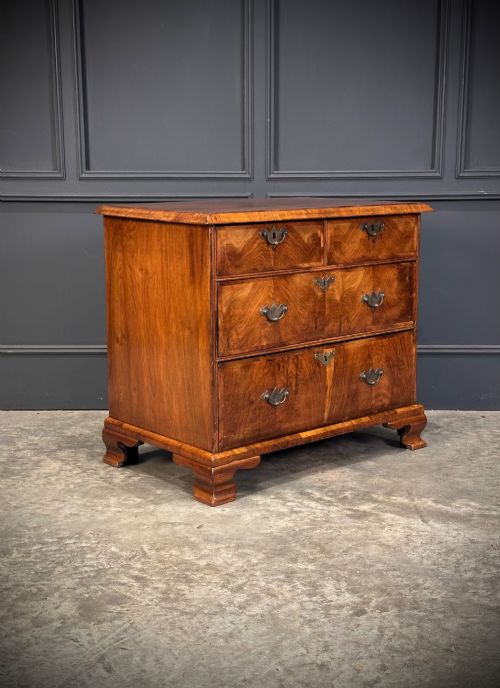
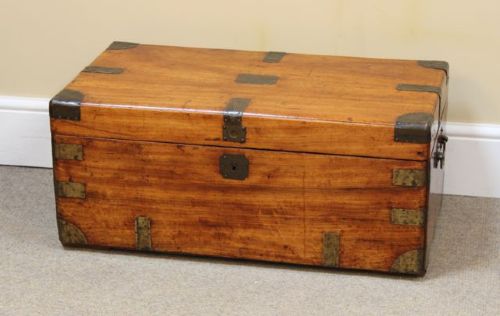
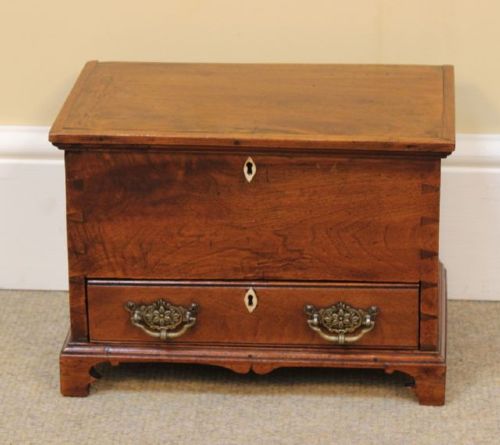
Warm Brown Wooden Chest
A warm brown wooden chest brings rich timber tones and enduring practicality to any room, offering versatile storage shaped by centuries of cabinetmaking tradition.
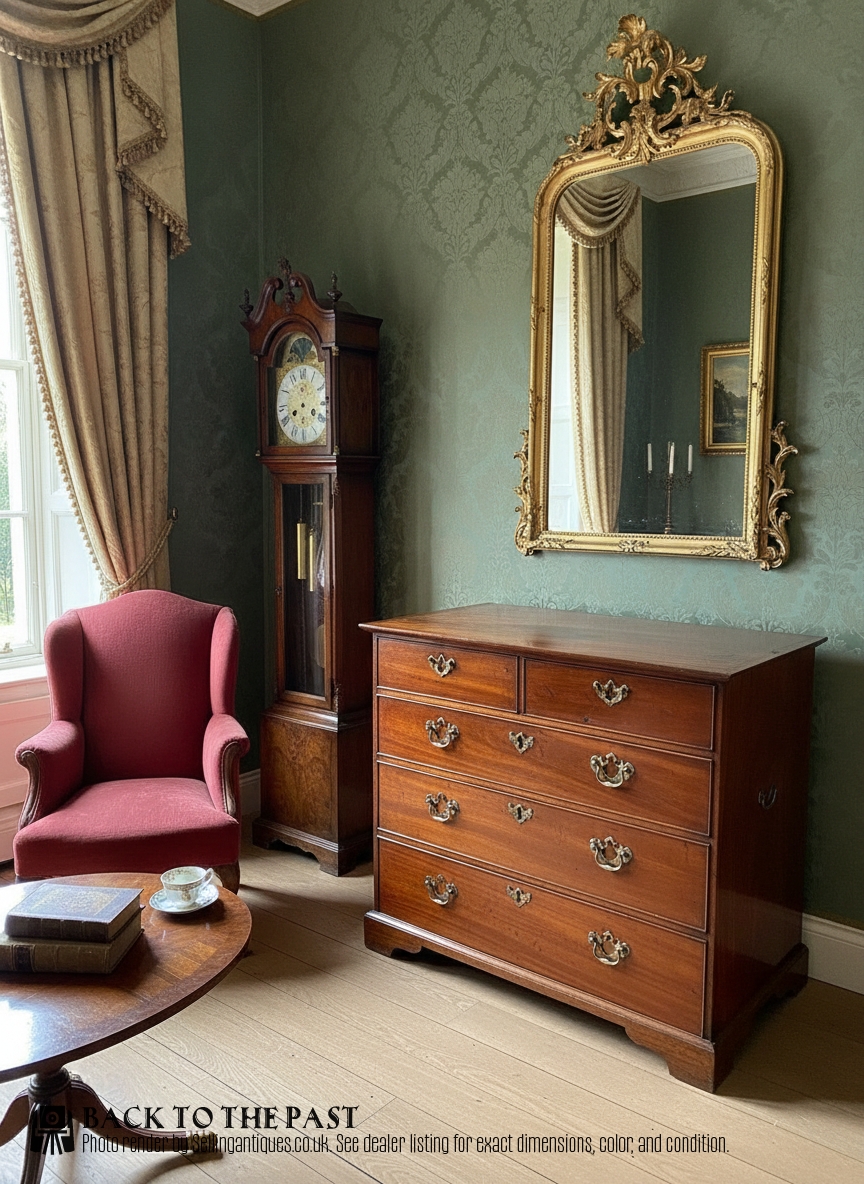
Identifying the warm brown wooden chest
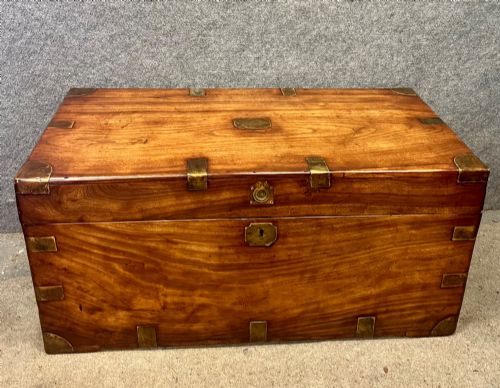
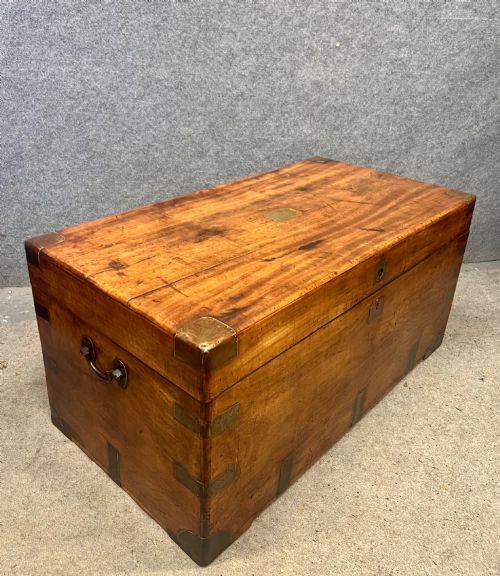
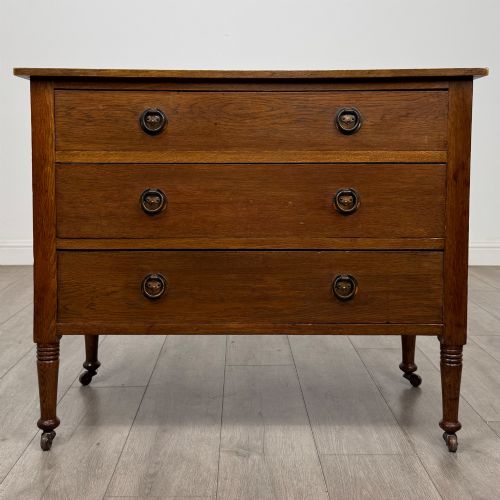
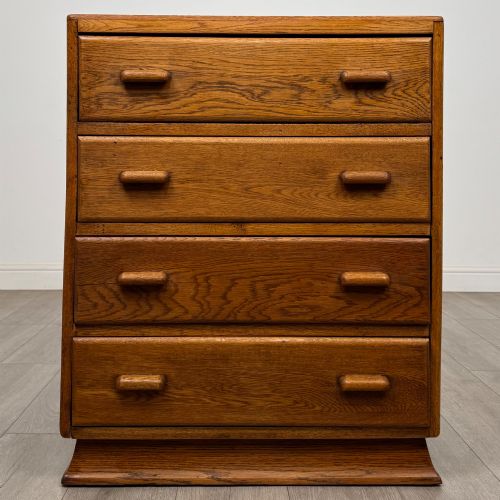
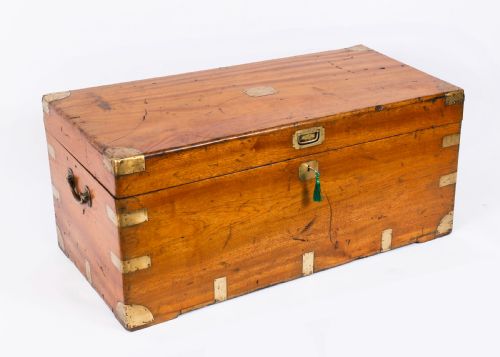
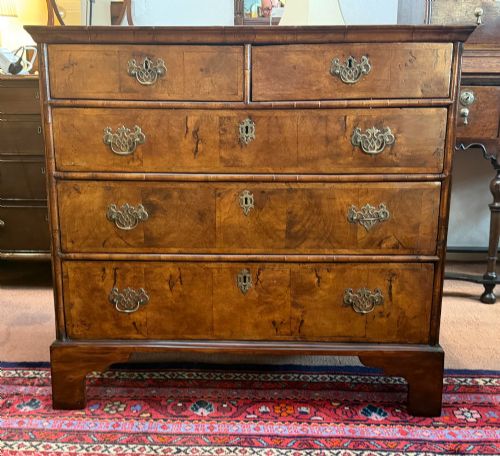
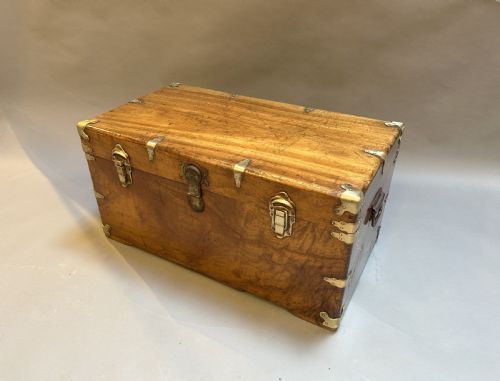
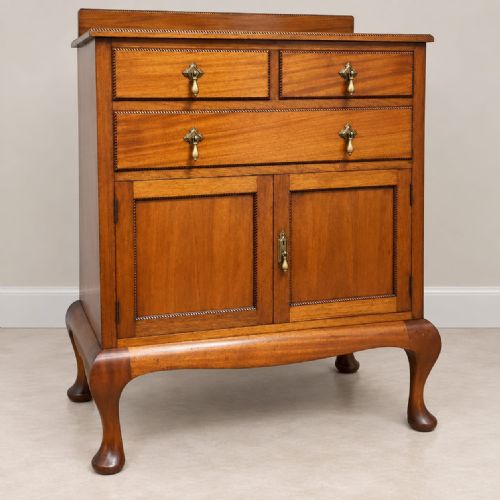
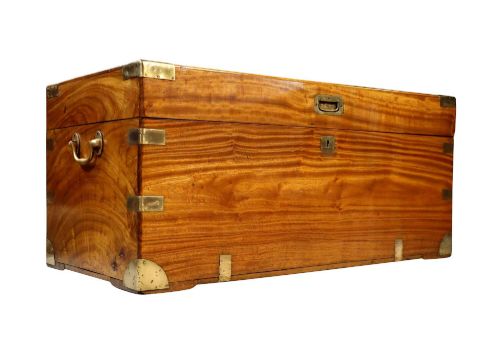
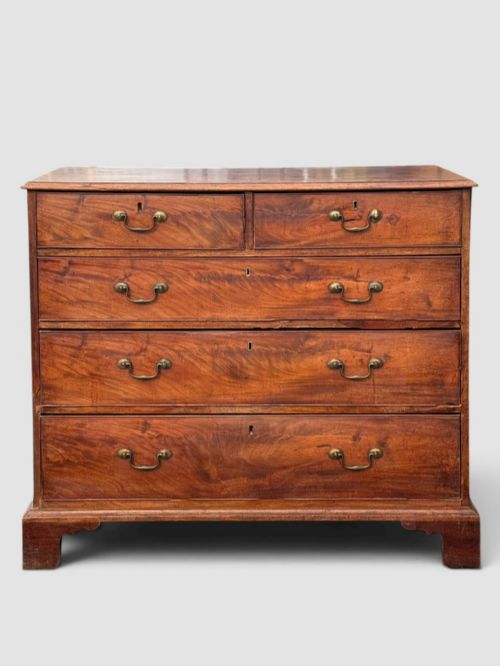
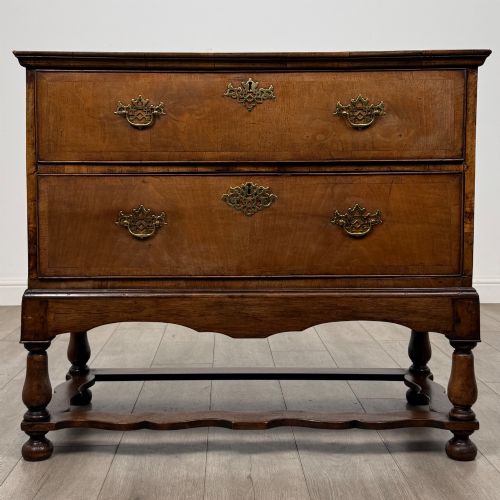
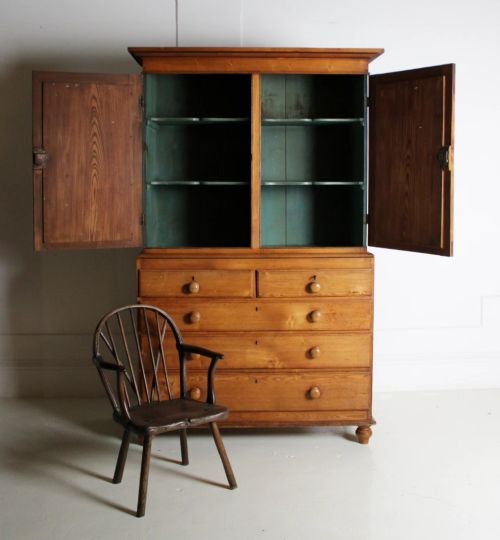
A warm brown wooden chest encompasses versatile storage pieces designed to hold clothing and personal goods, spanning modest domestic drawers to travel trunks. When you search for a warm brown wooden chest, you encounter a range of forms from substantial Georgian drawer units to compact campaign trunks.
The materials recorded in these pieces include rich oak, walnut, elm, satinwood, and camphor wood, each yielding distinct natural colour and grain. Styles stretch from rustic country and Queen Anne revival to formal George III designs and Anglo-Chinese campaign pieces.
Most examples hail from the eighteenth and nineteenth centuries, alongside pieces from the Victorian era and the nineteen-thirties. Buyers meet everything from walnut veneered drawer units to solid satinwood and elm commodes.
Construction and materials
Cabinetmakers utilised durable hardwoods such as oak and mahogany alongside highly decorative veneers like figured and burr walnut. Surfaces often display careful matching of wood grains across drawer fronts to create balanced patterns.
Metal hardware such as brass handles and corner brackets frequently complements the timber, particularly on campaign trunks intended for travel. Construction methods range from rustic country joinery to refined eighteenth-century cabinetwork.
Retail Price Guide 2026
Typical UK retail prices for warm brown wooden chest, calculated from the Sellingantiques database of over a million retail prices indexed since 2003. This retail price guide relies exclusively on Sellingantiques data; no external sources or auction records are used, so the figures do not describe the wider market.
Camphor wood trunks retain a distinct natural aroma that has warded off moths for over a century.
Judging quality and character
Quality rests upon the selection of timber, where figured or burr walnut and solid satinwood stand apart from simpler domestic woods. The sophistication of the period style and the crispness of the cabinetmaker's joinery further distinguish finer examples.
Original brass fittings and uncompromised surface patination elevate a piece beyond standard utilitarian storage. The integrity of the wood veneers and the harmonious proportions of the drawers define the upper tier of these pieces.
The Warm Brown Wooden Chest Glossary
- Campaign trunk
- A portable chest constructed in sections with brass corners and recessed handles, designed for military transport during the nineteenth century.
- Figured walnut
- Timber exhibiting highly decorative, swirling grain patterns caused by branch junctions or specific growth conditions, prized for fine furniture fronts.
- Commode chest
- A low chest of drawers or cabinet originating in eighteenth-century France, later adopted by British makers for domestic storage.
- Satinwood
- A hard, yellowish timber with a natural sheen, utilised by eighteenth-century cabinetmakers for high-status decorative furniture.
Frequently Asked Questions
How do I date a wooden chest?
Dating relies upon examining the construction techniques, timber choices, and hardware styles characteristic of specific periods like the Georgian era or Victorian times.
Changes in drawer linings, dovetail joints, and lock mechanisms offer reliable clues to a piece's age.
What is a campaign chest?
A campaign chest is a portable storage trunk built for military officers on the move, featuring recessed brass handles to prevent damage during transit.
These pieces often separate into two modular sections for easier packing.
How do I care for walnut veneer?
Walnut veneer requires protection from direct sunlight and excessive humidity to prevent the delicate surface from fading or lifting over time.
Regular dusting with a soft cloth and occasional waxing maintain the timber's warm sheen.
What woods were used in these chests?
Cabinetmakers utilised a variety of native and exotic timbers, including traditional oak, rich walnut, sturdy elm, and bright satinwood.
Selections depended on the period, region, and intended status of the furniture.