
Georgian Storage Chest
These georgian storage chest examples bring timber depth and brass weight to any hallway, shifting your perspective on period furniture.
What They Are
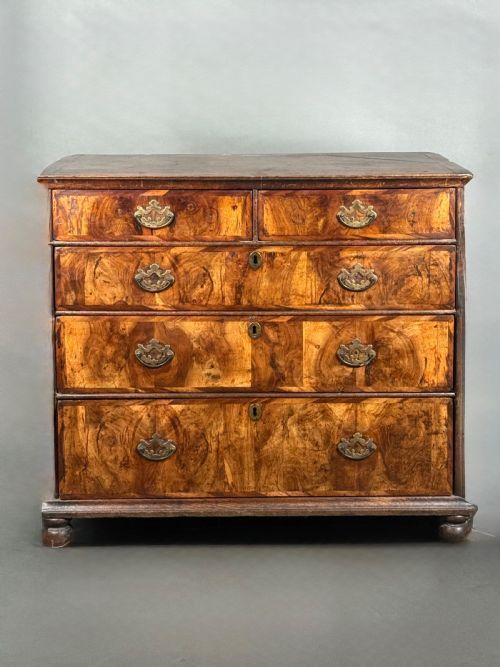
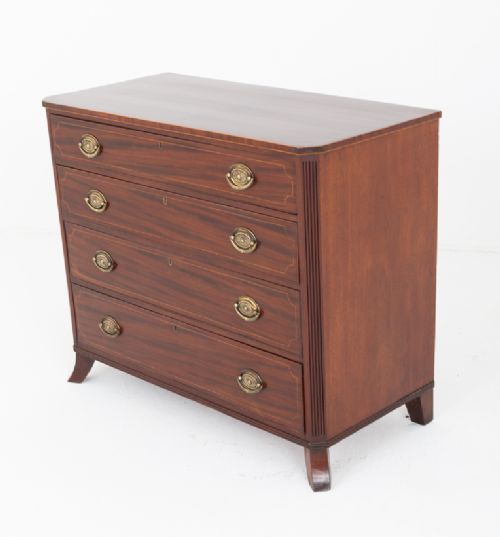
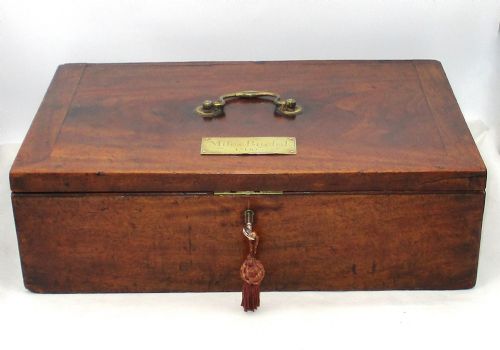
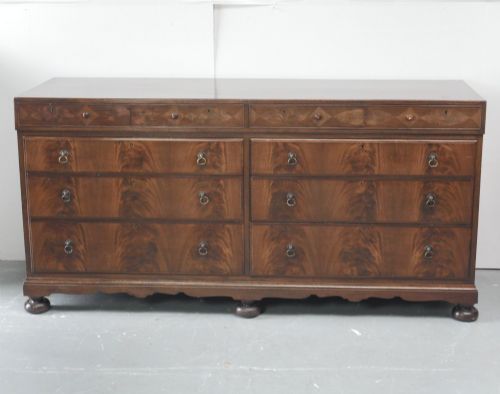
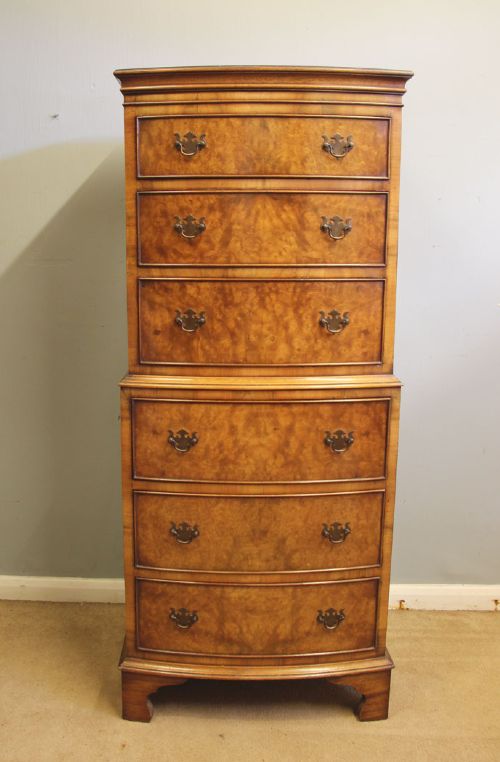
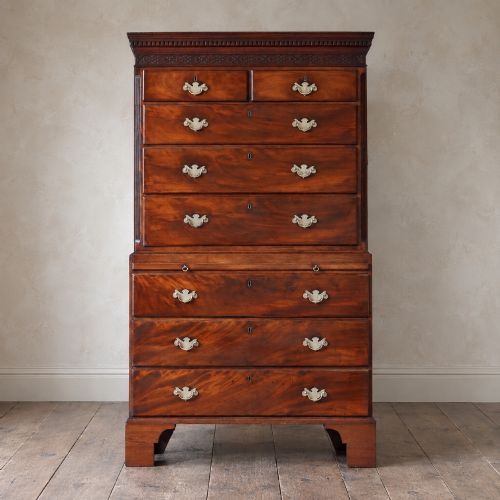
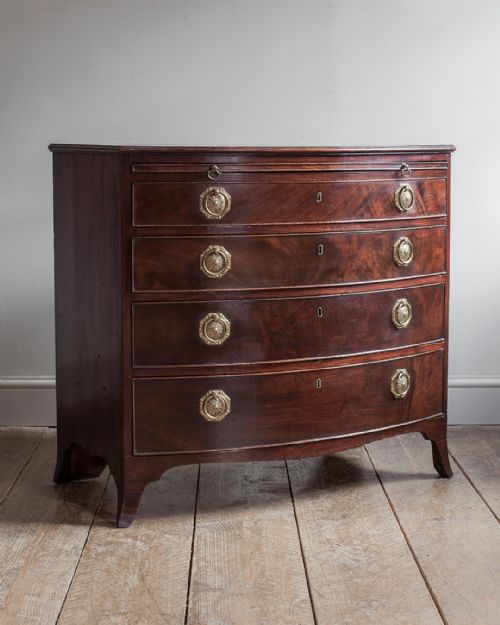
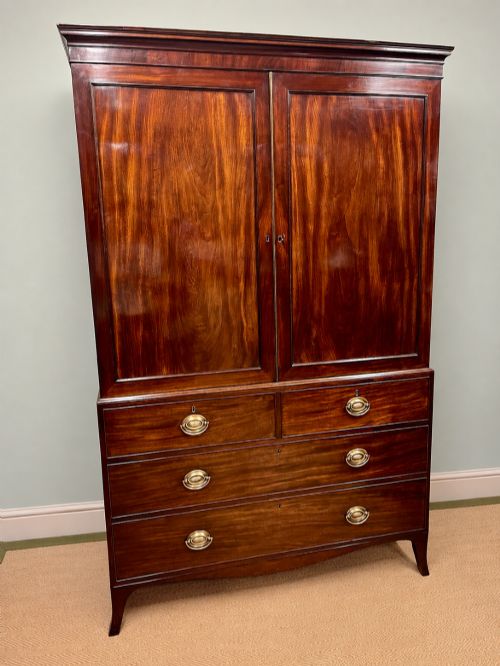
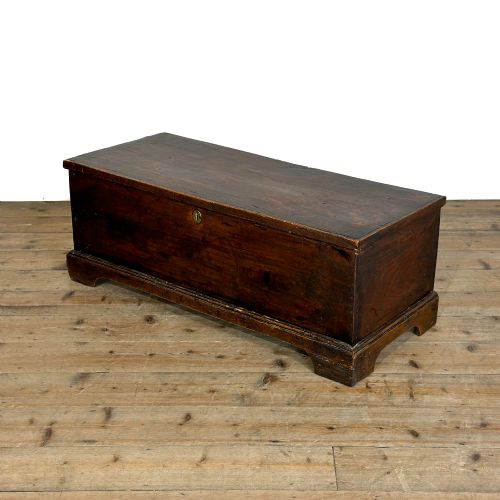
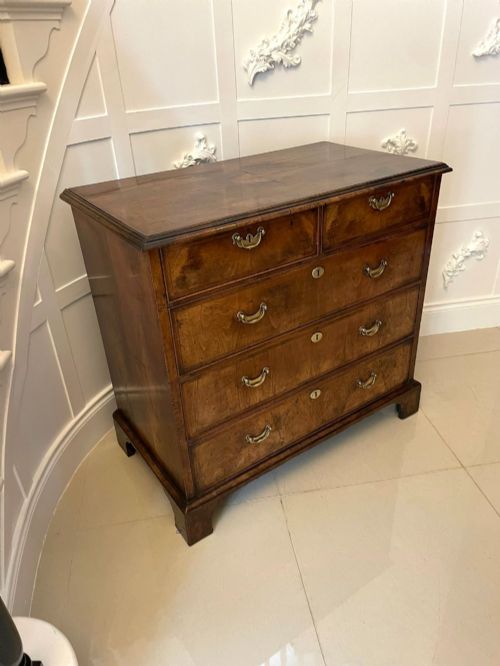
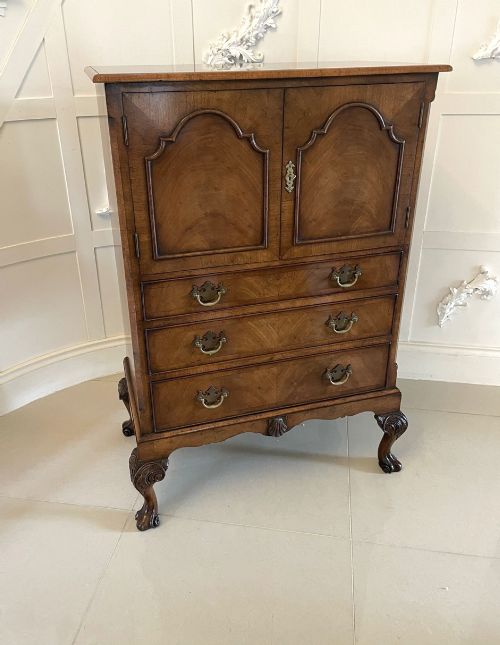
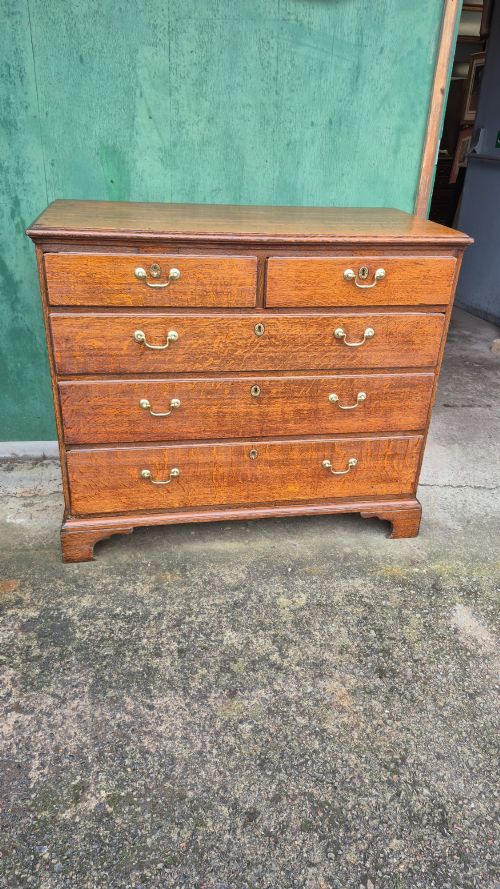
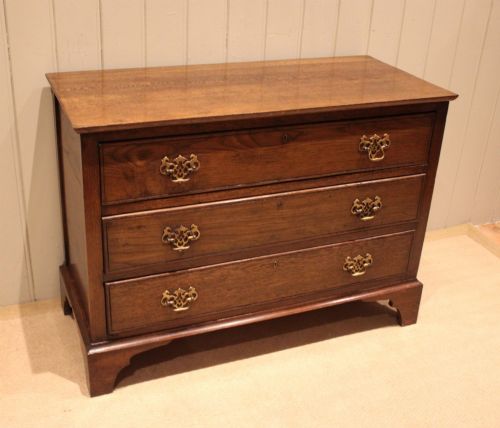
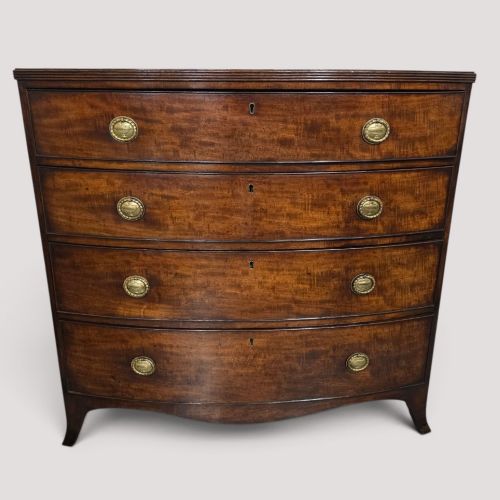
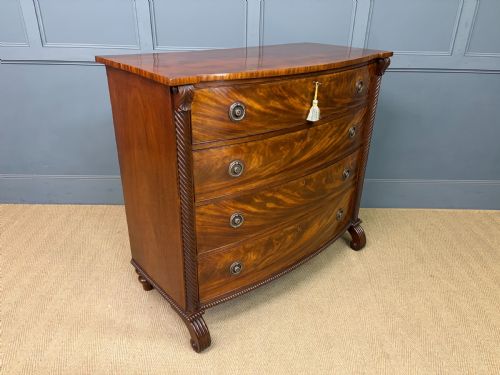
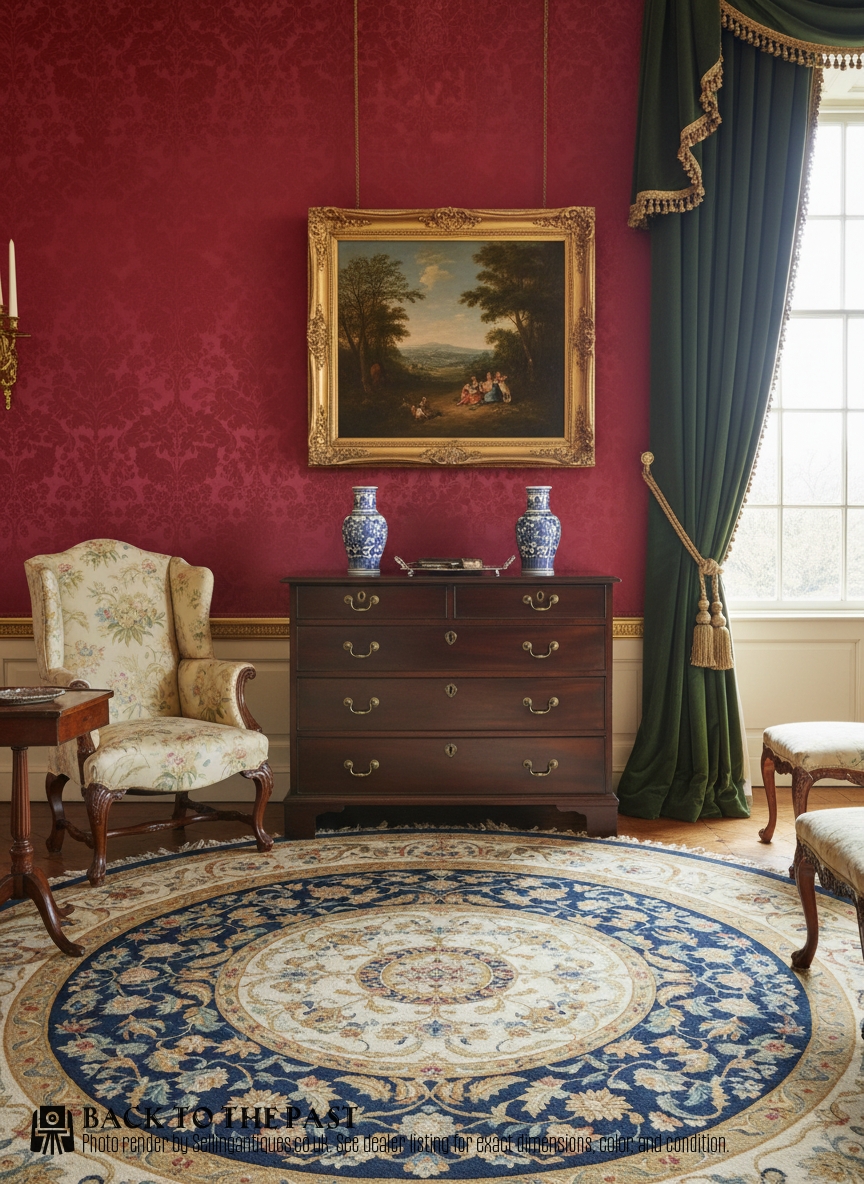
A georgian storage chest encompasses robust oak coffers, mule chests, and polished mahogany chests of drawers made during the eighteenth century. You will frequently encounter compact George III mahogany chests alongside rustic oak mule chests fitted with lower drawers.
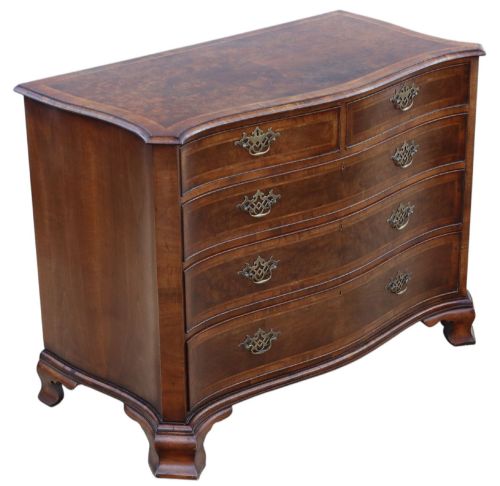
The selection ranges from serpentine fronts in figured mahogany to planked oak trunks built for utilitarian storage. These forms reflect the domestic demands of period households, combining deep interior capacity with disciplined proportion.
Mule chests integrate lidded trunk compartments with drawer storage below, while standard chests of drawers stack graduated tiers for clothing and linens. Oak examples date back towards the early eighteenth century, whereas mahogany versions often display finer formal detailing.
How They Were Made
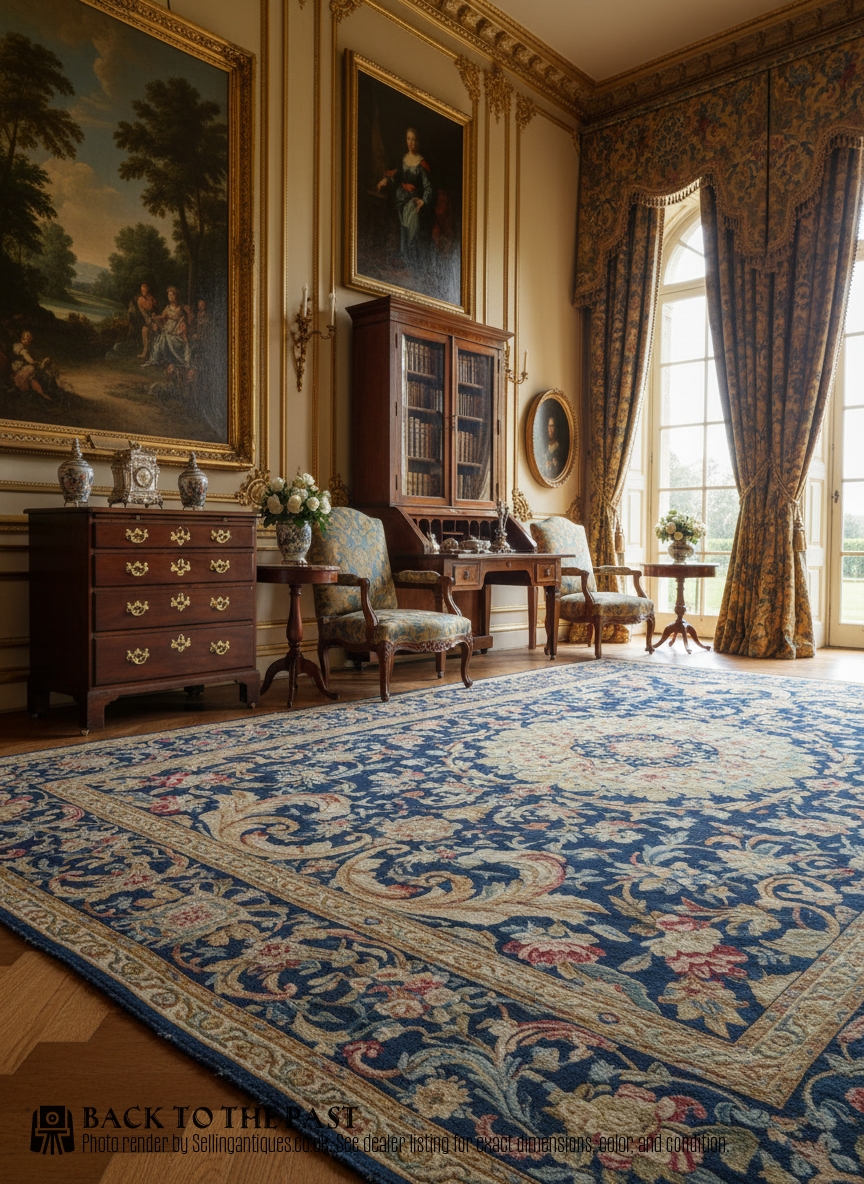
Cabinet makers constructed these pieces primarily from solid mahogany and native oak, frequently employing boxwood inlay and satinwood for surface contrast. Drawer linings and internal partitions relied on secondary timbers shaped with hand tools.
Surfaces received careful polishing to accentuate the natural grain of the timber, while brass drop handles and escutcheons secured the functional points of contact. Joinery techniques included dovetailed carcases and panelled construction designed to accommodate seasonal wood movement.
Retail Price Guide 2026
Typical UK retail prices for georgian storage chest, calculated from the Sellingantiques database of over a million retail prices indexed since 2003. This retail price guide relies exclusively on Sellingantiques data; no external sources or auction records are used, so the figures do not describe the wider market.
Listings feature mahogany, oak, boxwood inlay, and satinwood across eighteenth-century forms.
What Varies in Quality
The hierarchy of quality rests on timber selection, particularly the vibrancy of figured mahogany veneers and the crispness of inlaid boxwood lines. Superior examples maintain balanced proportions and retain their original brass hardware.
Construction integrity distinguishes workshop output, seen in the tight tolerance of dovetailed joints and the thickness of solid oak boards used in earlier coffer chests. Subtle details like serpentine drawer fronts and well-figured secondary woods elevate individual pieces above standard utility items.
The Georgian Storage Chest Glossary
- Serpentine
- A front contour curving outward at the centre and inward at the sides, demanding high skill from the cabinet maker.
- Mule Chest
- A storage trunk featuring one or more drawers beneath the main lidded compartment.
- Escutcheon
- A protective brass plate surrounding a keyhole, often shaped and engraved.
- Dovetail
- A joint formed by interlocking wedge-shaped fingers, standard in period drawer construction.
Frequently Asked Questions
What is a mule chest?
A mule chest combines a traditional lidded storage trunk with one or more drawers built into the base. This hybrid form emerged to provide easier access to stored textiles without opening the main top compartment.
Evidence shows these pieces executed in oak during the earlier eighteenth century, often serving dual purposes as seating or linen storage.
How do I date a Georgian chest?
Dating relies on timber choices, construction methods, and stylistic cues recorded across the eighteenth century. Oak bodies generally point to earlier periods, while mahogany and satinwood inlay align with later George III production.
Hardware placement and drawer lining construction offer further clues for placing pieces within the broader Georgian era.
Where should I place a storage chest?
These chests suit hallways, bedrooms, and living spaces where their substantial timber presence and storage capacity can be utilised. They anchor a room visually while holding blankets, linens, or everyday items.
Keeping them away from direct heat sources protects the polished mahogany and solid oak surfaces from drying out.
What is the difference between a coffer and a chest of drawers?
A coffer is a trunk accessed via a hinged lid on top, primarily designed for bulk storage. A chest of drawers utilises stacked horizontal drawers accessed from the front.
Mule chests bridge this distinction by incorporating both the top-opening trunk space and the lower drawer configuration.