

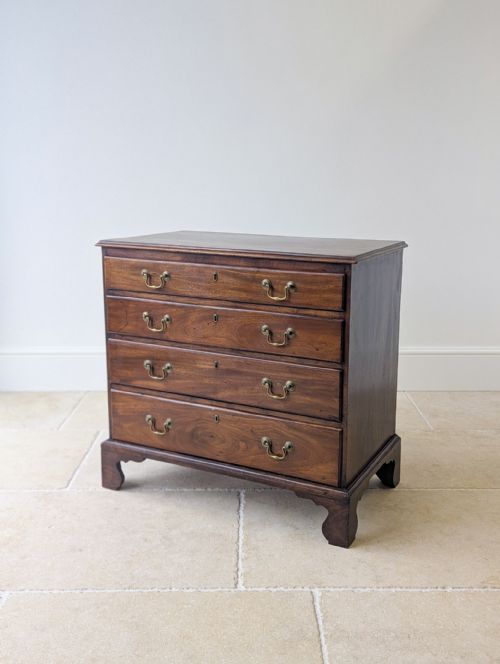
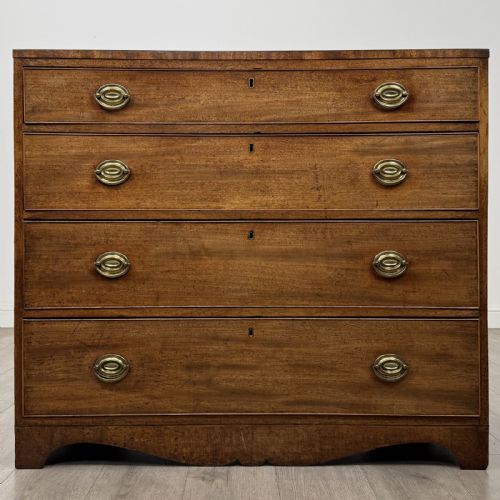
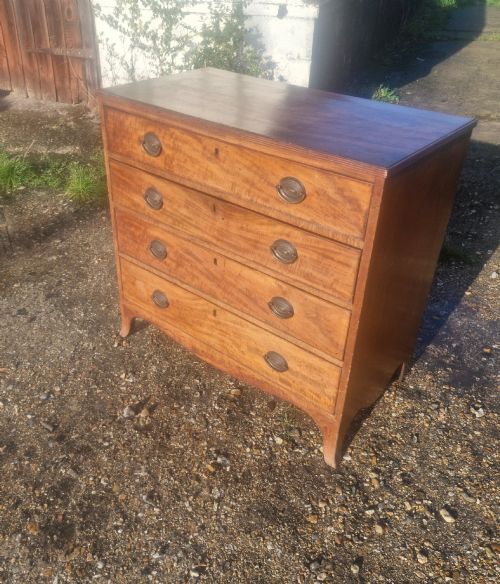
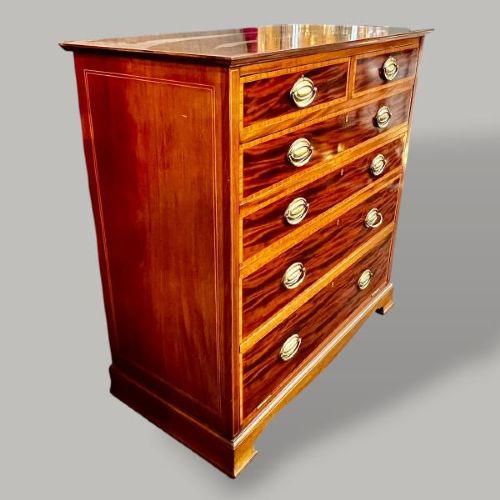
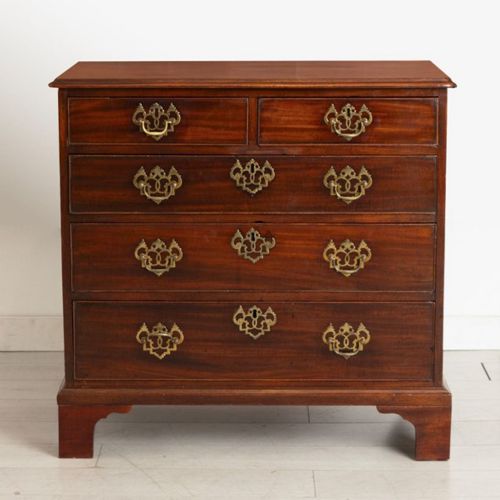
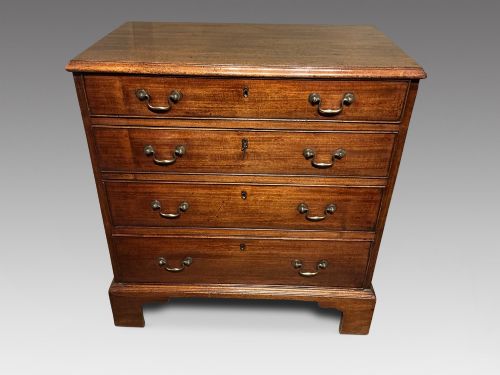

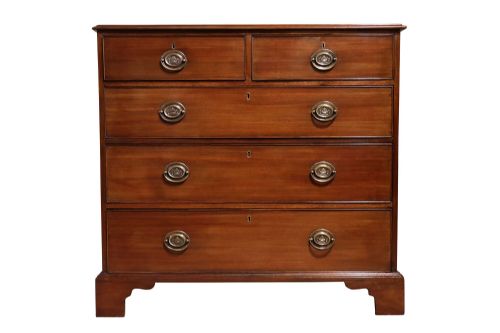
Straight Front Chest
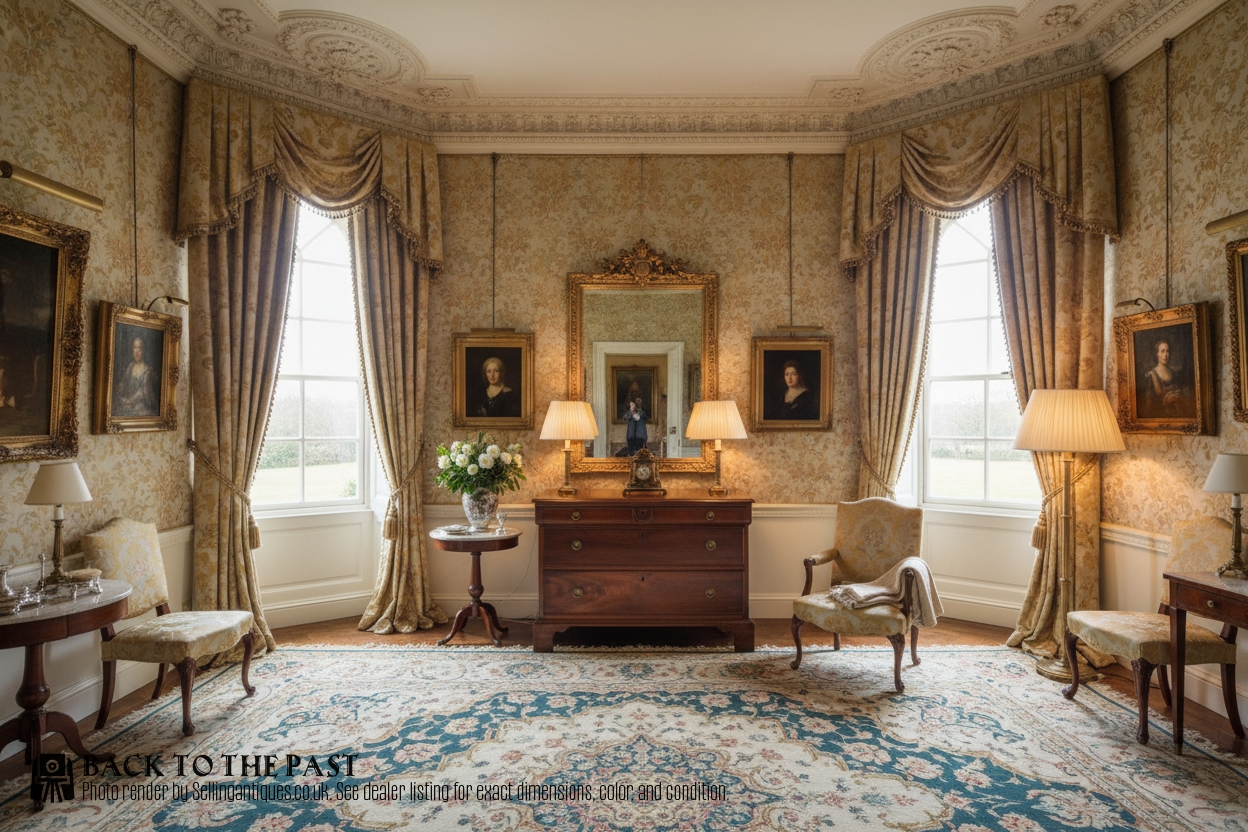
When you want a straight front chest, you are looking at sturdy timber storage built to last centuries without losing its clean line.
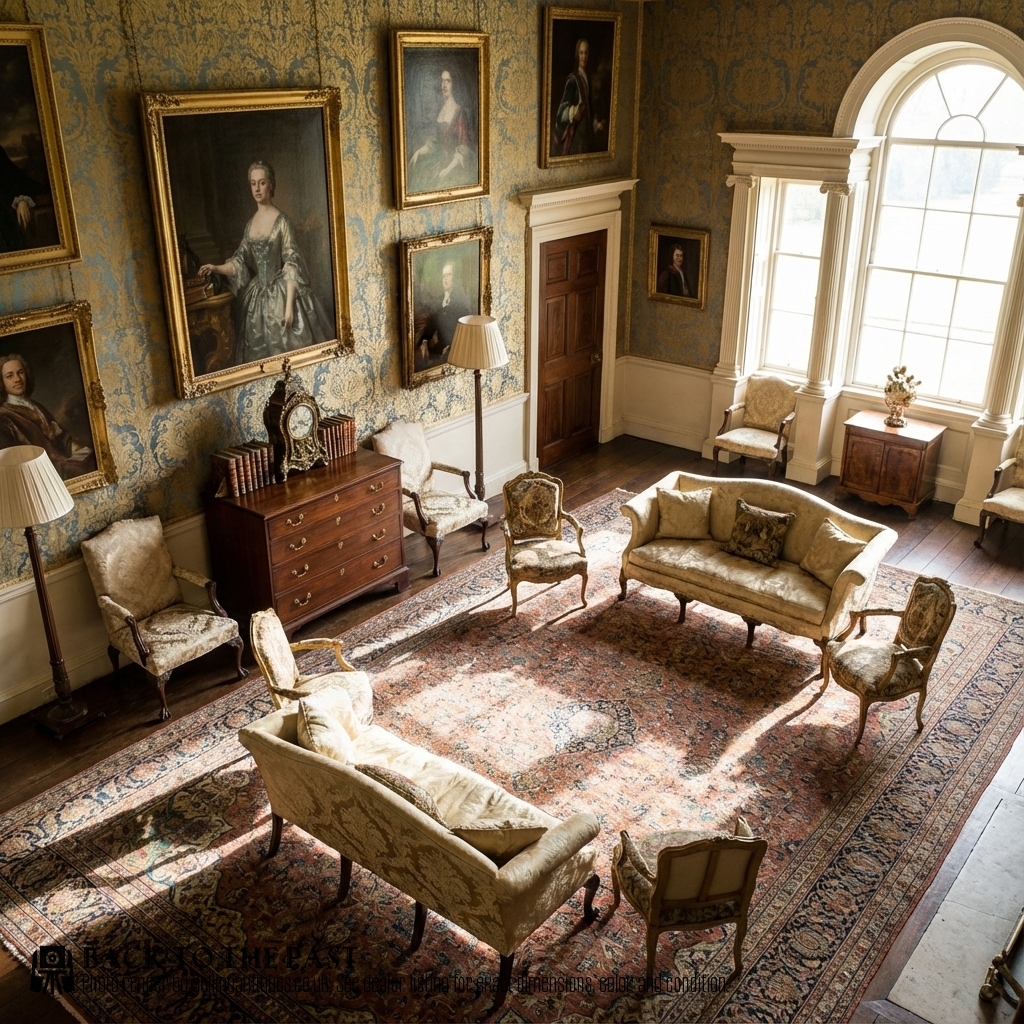
Straight Front Chest
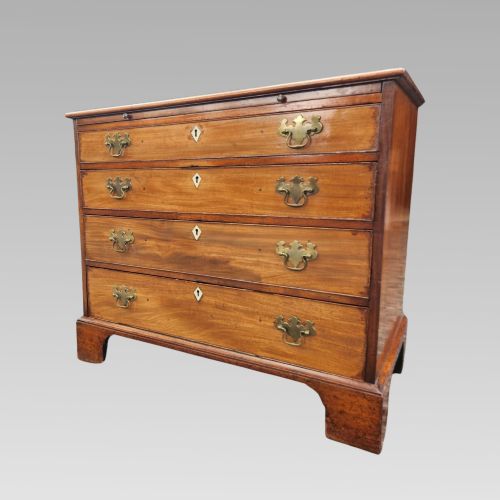
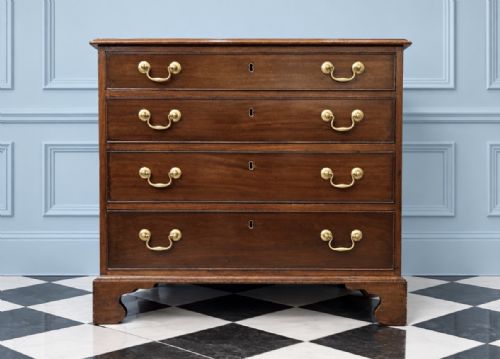
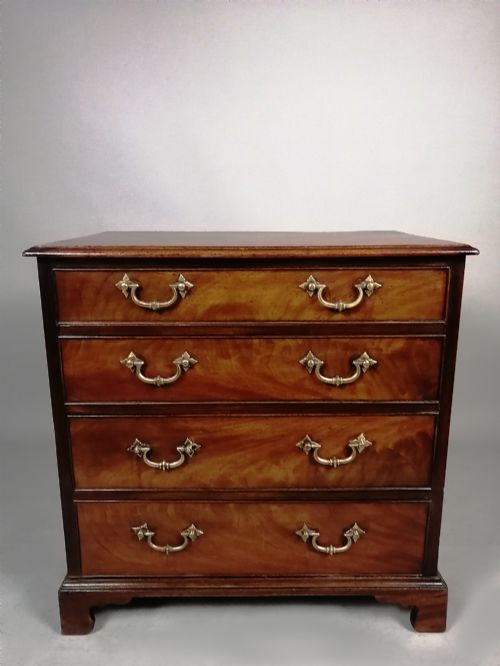
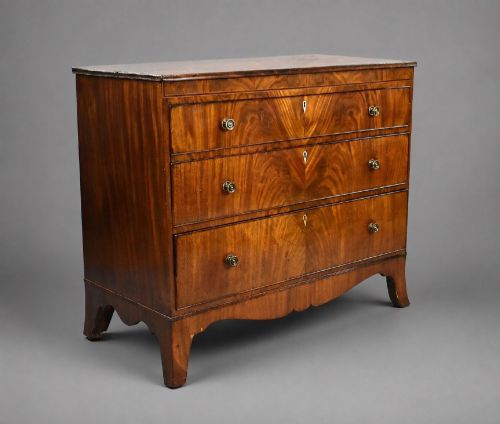
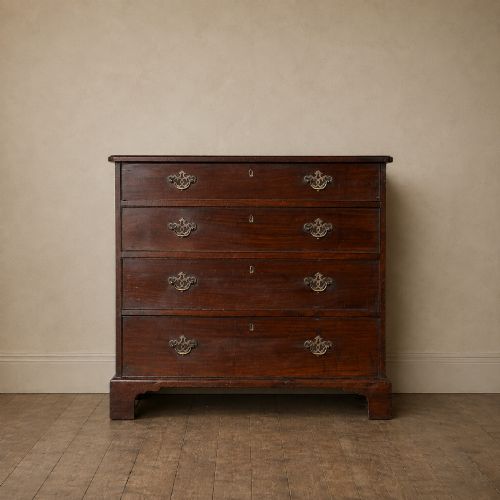
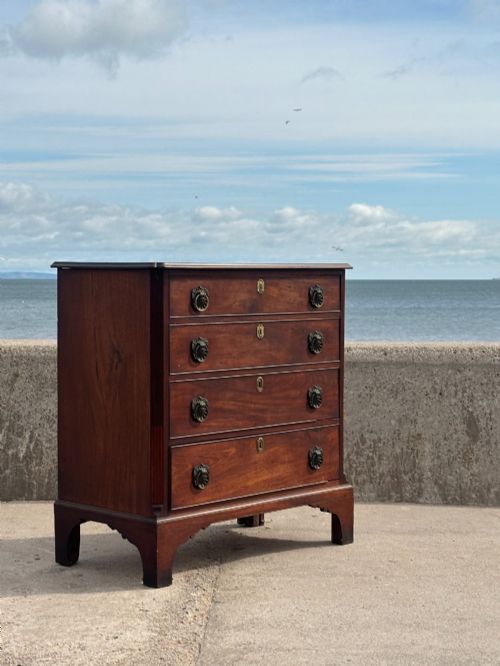
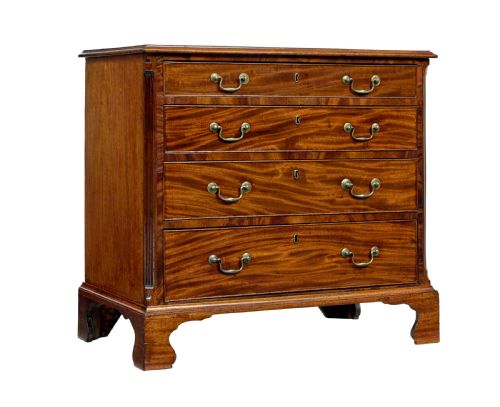
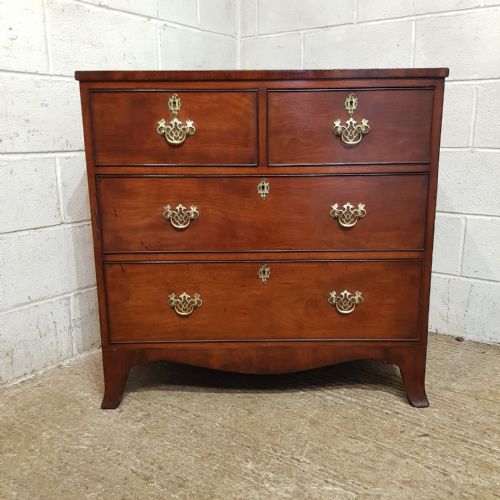
A straight front chest is a traditional form of domestic furniture designed with a flat, planar facade housing multiple stacked drawers for linen or clothing. These pieces span several centuries, with the majority of examples appearing from the Georgian and Victorian eras.
You will most frequently encounter mahogany and oak variations on this page, reflecting the dominant timbers utilised by cabinetmakers of the eighteenth and nineteenth centuries. The proportions range from compact bachelor chests to tall floor-standing models with graduated drawer heights.
The form remained a staple of British bedroom and parlour furniture, evolving slightly in decorative detail from plain early timber boards to later inlaid panels and crossbanded borders. Their enduring utility keeps them relevant in modern homes today.
Materials and Construction
Makers constructed these chests primarily from solid hardwoods and figured veneers, choosing mahogany, oak, and occasionally satin walnut or pine for internal carcases. Drawer linings were frequently fashioned from secondary woods such as oak or pine to ensure smooth daily operation.
Joinery techniques relied heavily on hand-cut dovetails for drawer construction and sturdy framing to support the weight of stacked timber. Backboards and drawer bottoms remained panelled to allow for natural wood movement across seasons.
Surface decoration involved careful selection of timber grain, such as flame mahogany or curl mahogany, supplemented by boxwood stringing, satinwood inlay, and brass hardware ranging from oval plates to drop handles.
Straight Front Chest Retail Price Guide 2026
Typical asking prices for straight front chest among the pieces listed under this phrase on Sellingantiques today, from the lower quarter to the upper quarter. They describe what is for sale here now, not the wider market.
Listings feature pieces spanning from the 18th century through the Victorian and Edwardian eras, predominantly built in mahogany and oak.
Quality Variations
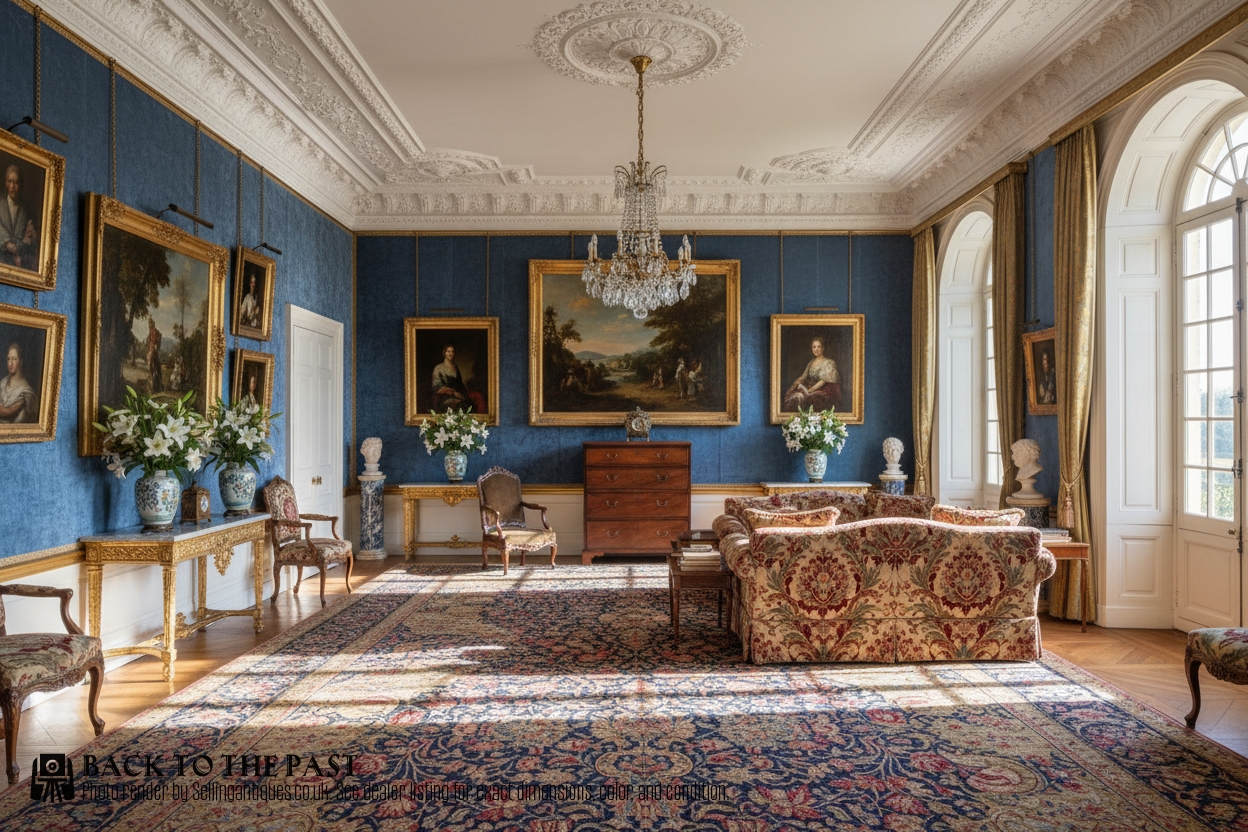
The distinction between standard examples and superior pieces rests on the choice of timber and the precision of the cabinetmaker's hand. High-end pieces display exceptionally figured mahogany veneers and immaculate grain matching across the drawer fronts.
Structural integrity and originality dictate the tier of a piece, with surviving original feet, handles, and internal oak linings elevating the historical value. Subtle details like fine dovetailing and crisp inlay separate standard workshops from master furniture makers.
Mawer & Stephenson·Gillows
The Straight Front Chest Glossary
- Bracket Feet
- Small architectural supports projecting from the bottom corners of the chest, shaped in an L-bracket profile typical of eighteenth-century case furniture.
- Brushing Slide
- A pull-out wooden shelf integrated above the top drawers, historically used for folding clothes or writing correspondence.
- Crossbanding
- A narrow strip of veneer laid around the border of a drawer front with the grain running perpendicular to the surrounding wood.
- Graduated Drawers
- A series of drawers increasing in depth from top to bottom, altering the visual proportions of the chest facade.
- Ogee Feet
- S-shaped scroll feet that curve outward at the top and inward at the bottom, frequently seen on early pieces.
Straight Front Chest: Frequently Asked Questions
What is a straight front chest?
A straight front chest is a practical storage unit featuring a flat, uncurved facade of horizontal drawers built from timber.
These pieces were standard domestic items designed to hold garments and household linens in bedrooms and dressing rooms.
How do I date a chest?
You date a chest by examining the timber species, handle styles, construction joints, and overall proportions.
Earlier eighteenth-century pieces often feature oak linings and bracket feet, while Victorian examples tend to be heavier with mahogany veneers.
Where were they used?
These chests were placed primarily in private chambers, bedrooms, and dressing areas for daily apparel storage.
Smaller variations served utility roles in hallways or as bachelor furniture alongside writing slides.
How do I clean antique timber?
You maintain antique timber by applying a gentle beeswax polish and wiping surfaces with a soft, dry cloth.
Avoid modern liquid cleaners and moisture to protect the historic polish and underlying wood grain.