


Antique Walnut Secretary
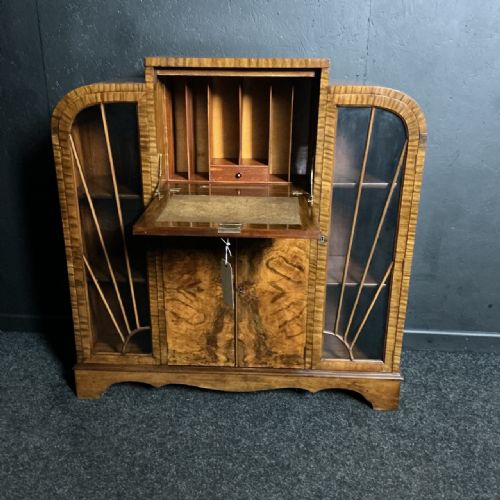
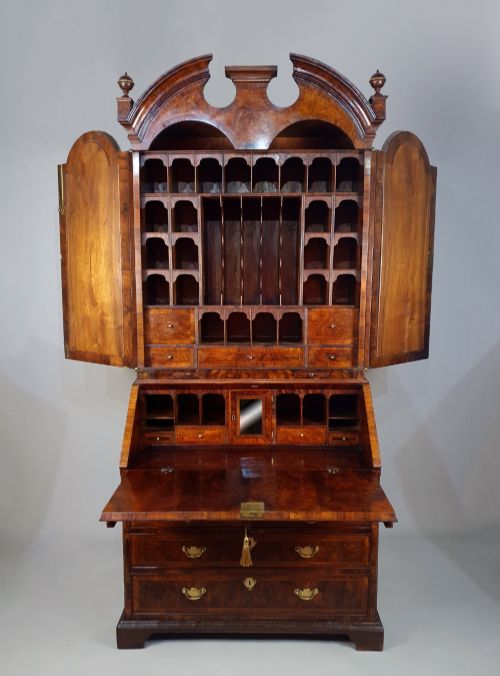
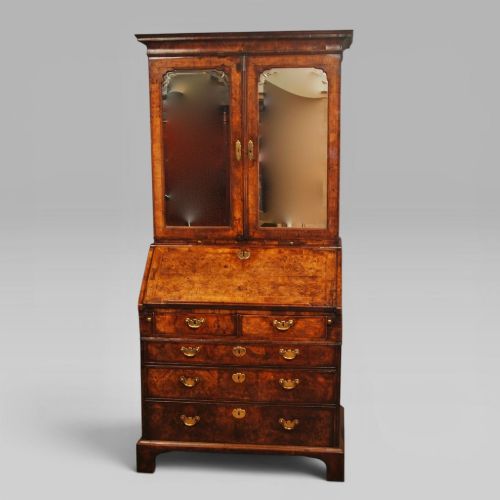
An antique walnut secretary combines a sloping desk and concealed drawers behind a drop-front or cabinet, offering serious workspace and rich timber figure.
Antique Walnut Secretary
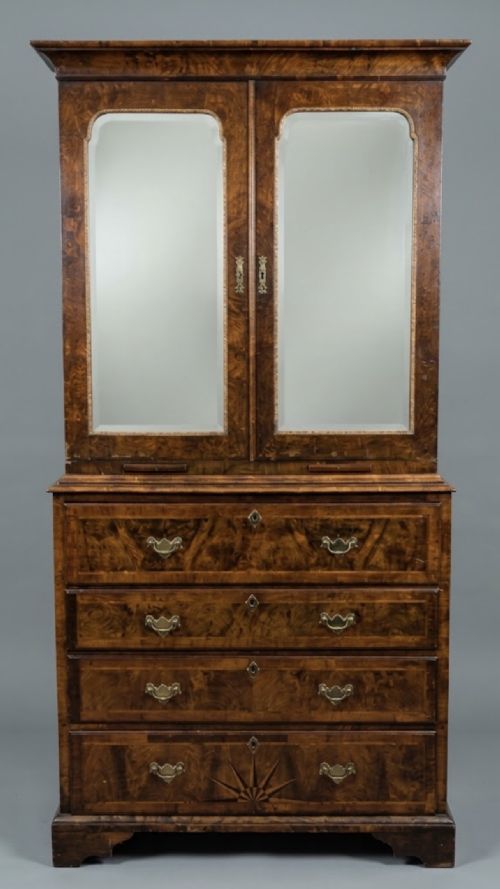
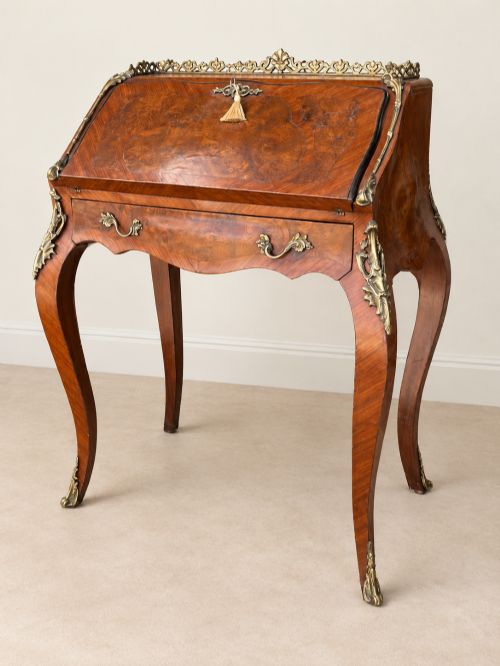
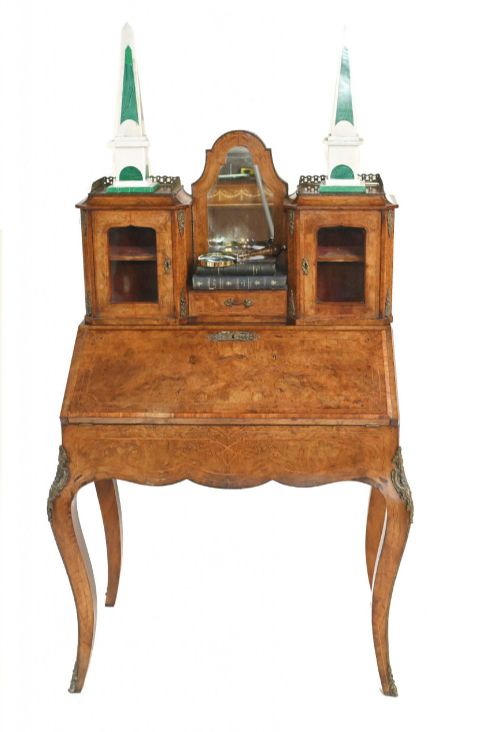
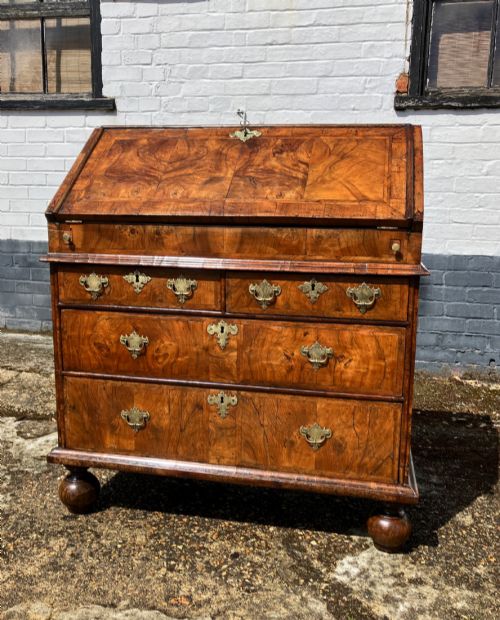
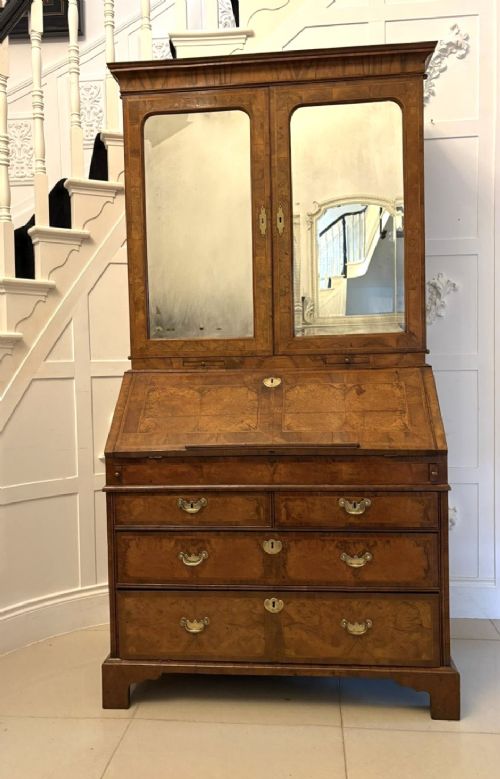
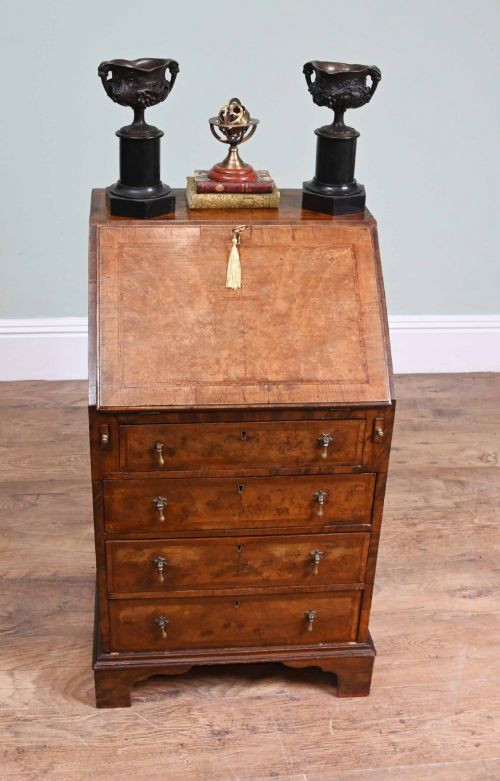
An antique walnut secretary serves as a dual-purpose writing cabinet and storage unit, spanning forms from bureau bookcases to fall-front desks. You will encounter pieces ranging from early eighteenth-century English fall-front bureaux to later Victorian and Edwardian iterations.
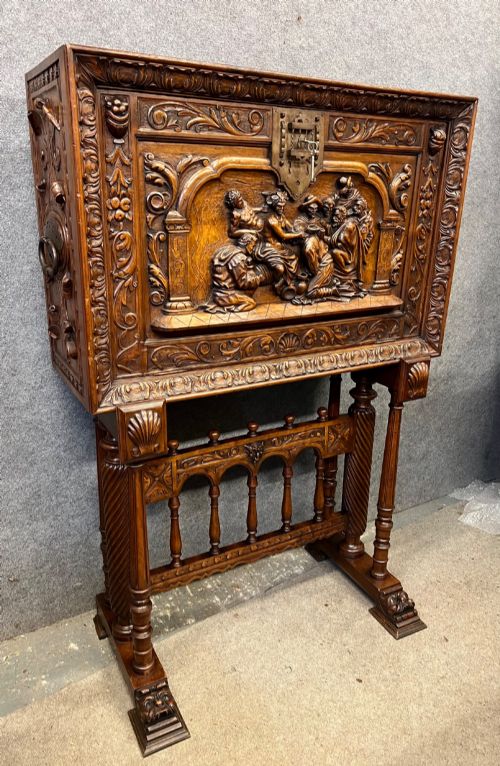
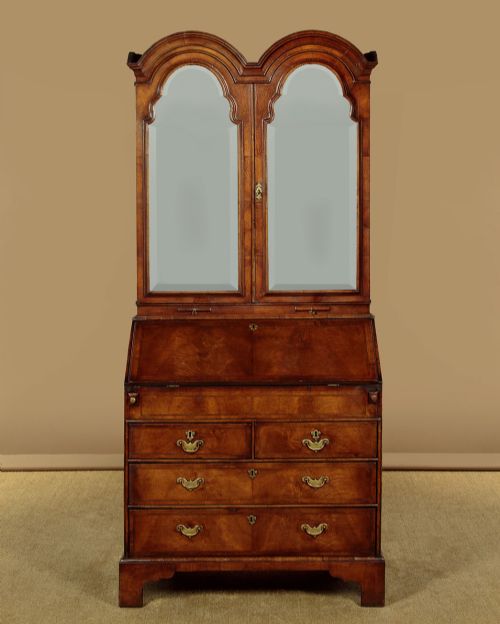
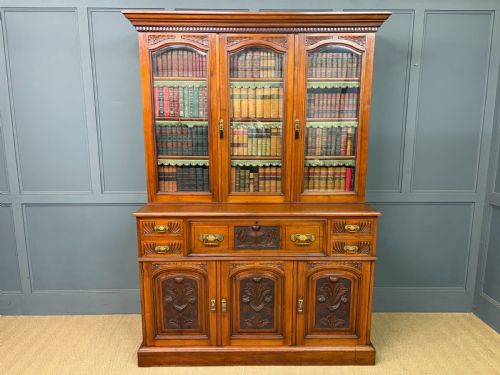
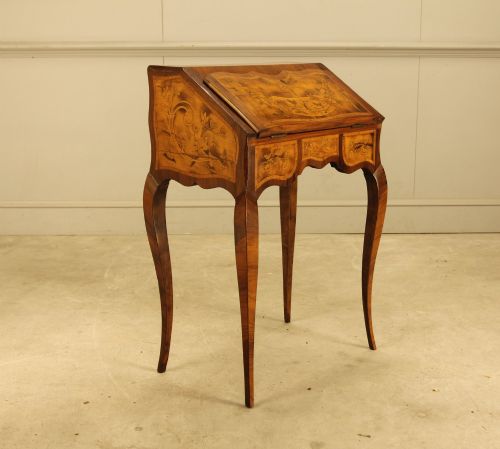
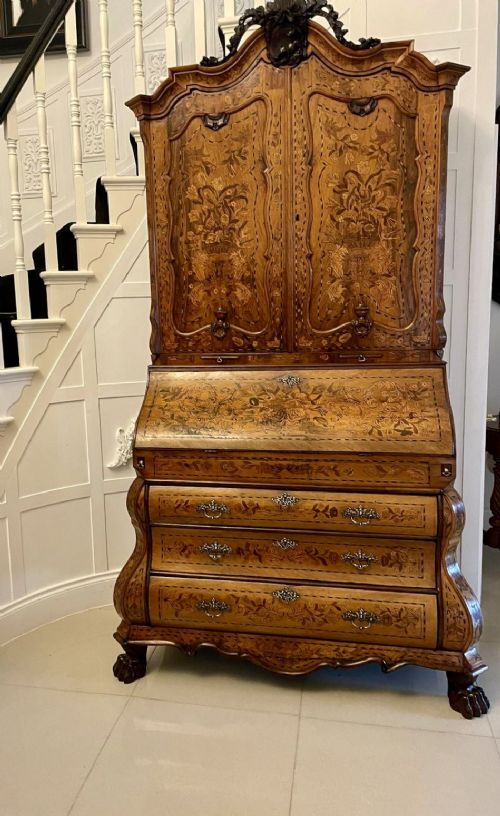
The category encompasses bureau bookcases with glazed upper sections, smaller desks on stands, and continental marquetried cabinets. These pieces appear across periods including the Georgian era, Queen Anne reigns, and twentieth-century revivals.
How they were made
Cabinet makers utilised solid timber and veneers of walnut, burr walnut, and fruitwood over secondary woods such as oak, applying intricate marquetry, parquetry, and featherbanding. Brass hardware, glass panes, and leather writing surfaces complete the construction of these desks.
Joinery methods involved dovetailing for interior drawers and panel construction for fall-fronts and bureau bookcases, often split into sections for transport like the three-section George I examples.
Antique Walnut Secretary Retail Price Guide 2026
Typical asking prices for walnut secretary among the pieces listed under this phrase on Sellingantiques today, from the lower quarter to the upper quarter. They describe what is for sale here now, not the wider market.
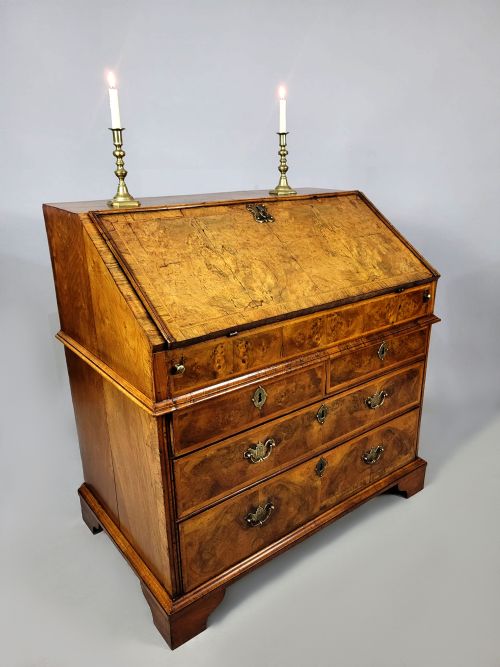
Several bureau bookcases incorporate hidden candle slides to illuminate your correspondence while protecting the timber from open flames.
What varies in quality
The fidelity of the timber figure dictates the visual weight of the piece, with dense burr walnut and symmetrical parquetry sitting at the top of the range. Finer examples display meticulous matching of veneers across the fall-front and drawer facades.
Internal complexity sets apart superior desks, marked by secret compartments, tiered pigeonholes, and finely turned candle slides. Structural integrity in the fall-front hinges and the clarity of mirror glass or original glazing further separate standard production from exceptional pieces.
F.H. Marshall & Co Glasgow
The Antique Walnut Secretary Glossary
- Bureau
- A sloping writing desk with a hinged fall-front that conceals a fitted interior of drawers and pigeonholes. It often sits upon a chest of drawers or a dedicated stand.
- Secrétaire
- A French term for a secretary desk or writing cabinet, frequently appearing as a drop-front fall desk or an upright cabinet with a pull-out writing drawer.
- Marquetry
- Decorative inlay work using various coloured woods, veneers, and floral motifs applied to the surface of cabinet furniture.
- Burr walnut
- Timber taken from the warted excrescences of walnut trees, prized for its swirling, highly figured grain pattern used extensively in veneering.
- Featherbanding
- A delicate form of banding where veneer pieces are laid diagonally to form a herringbone pattern around the borders of drawer fronts and panels.
Antique Walnut Secretary: Frequently Asked Questions
How do I identify a Queen Anne walnut secretary?
Look for figural burr walnut veneers, featherbanded borders, and compact proportions typical of pieces dating around the turn of the eighteenth century. These early desks often feature fall-front panels opening to tiered pigeonholes.
Check the base construction, as many early forms sit on bracket feet or slender legs rather than heavier Victorian plinths.
What is the difference between a bureau and a secretary?
In British furniture terminology, a bureau generally refers to a slant-front desk, while a secretary or escritoire often denotes an upright cabinet with a drop-front writing surface.
Both terms overlap significantly in antique trade descriptions, particularly when describing continental European pieces with enclosed shelving above.
Where should I place a walnut secretary in my home?
Position your secretary away from direct sunlight and heat sources to prevent the walnut veneers from drying out or warping over time. These cabinets function well in studies or living rooms where the drop-front can serve as a working surface.
Ensure adequate clearance around the piece for the fall-front to lower fully without obstruction.
How do I care for antique walnut wood?
Maintain the finish by dusting with a soft, dry cloth and applying appropriate beeswax sparingly to nourish the timber. Avoid modern liquid polishes containing silicones that can damage antique French polish or waxed surfaces.
Keep indoor humidity stable to protect the underlying oak carcasses and delicate marquetry inlays.