
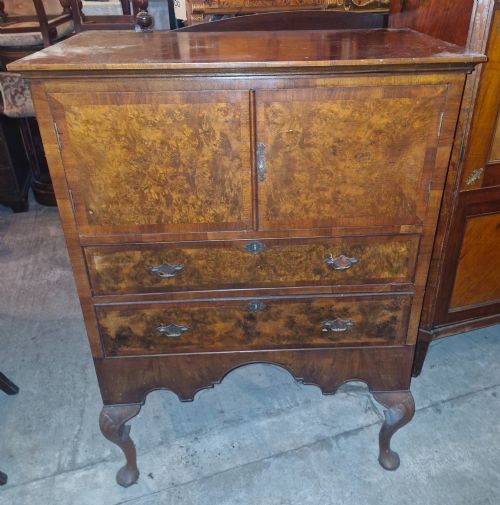
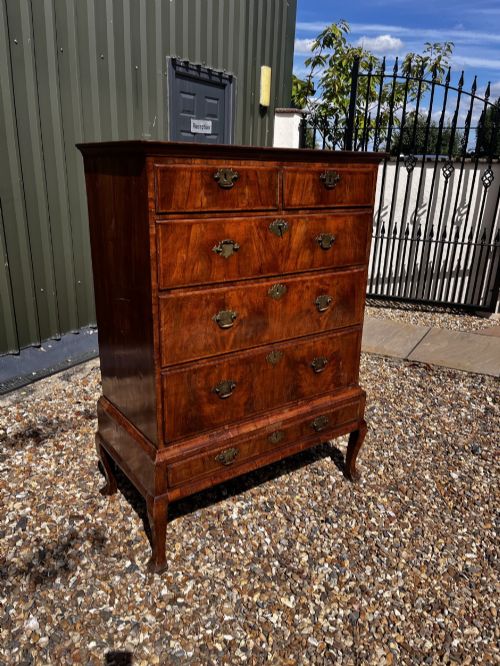
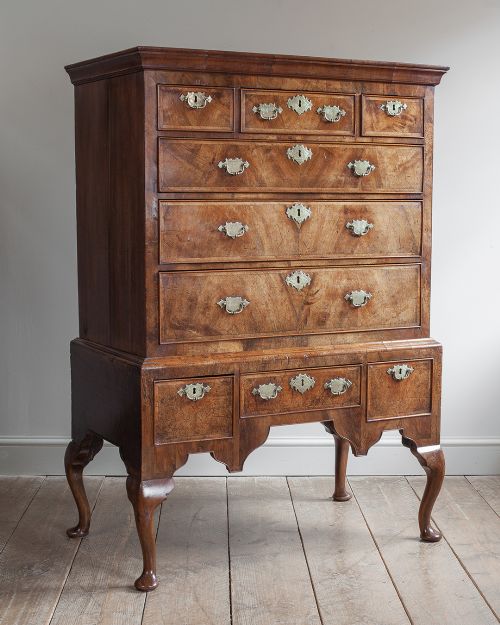
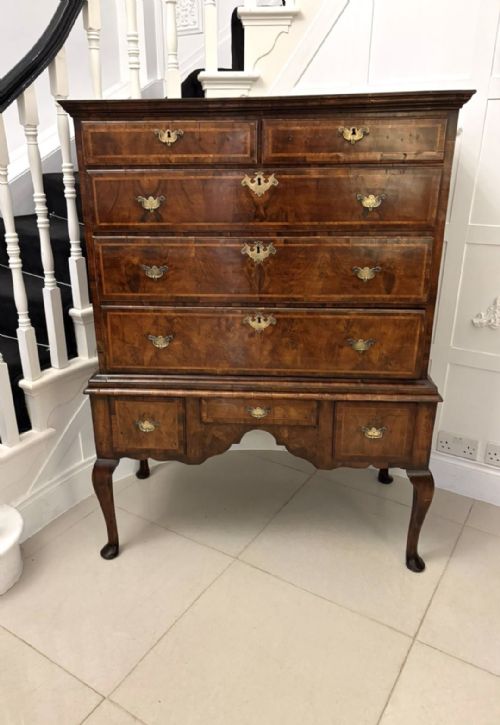
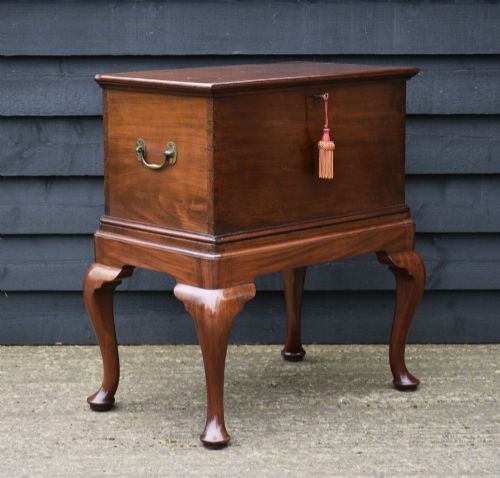
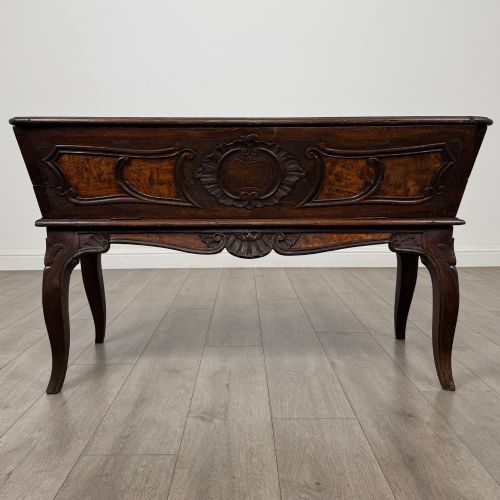
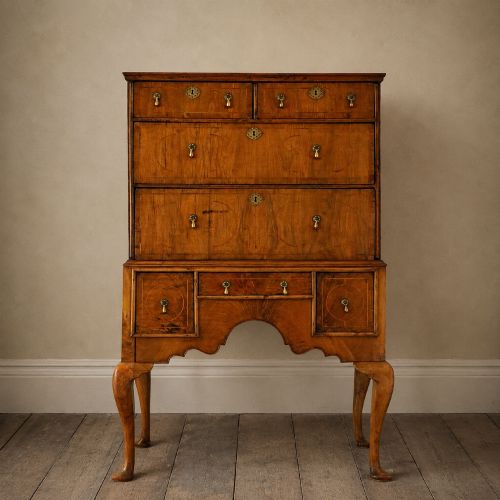
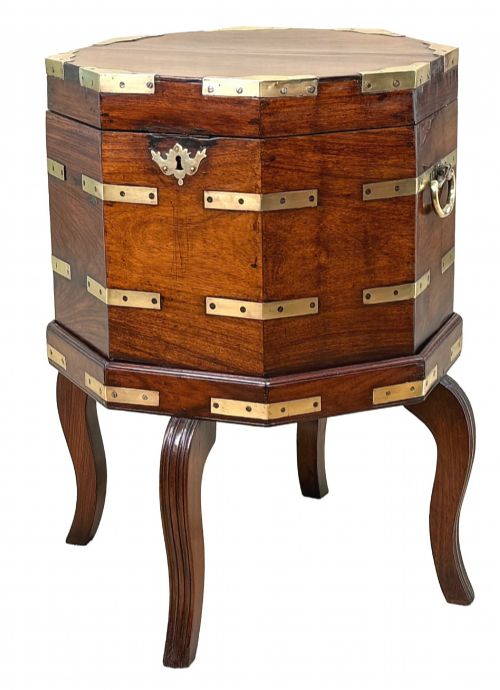
Cabriole Leg Chest Stand
A cabriole leg chest stand is a raised set of drawers with curved supports, offering refined elevation and practical storage for the home.

What these pieces are
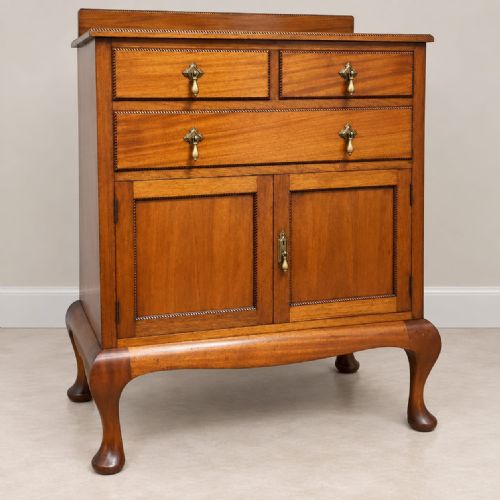
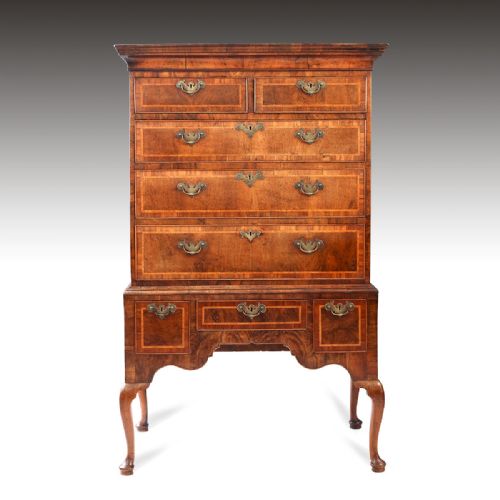
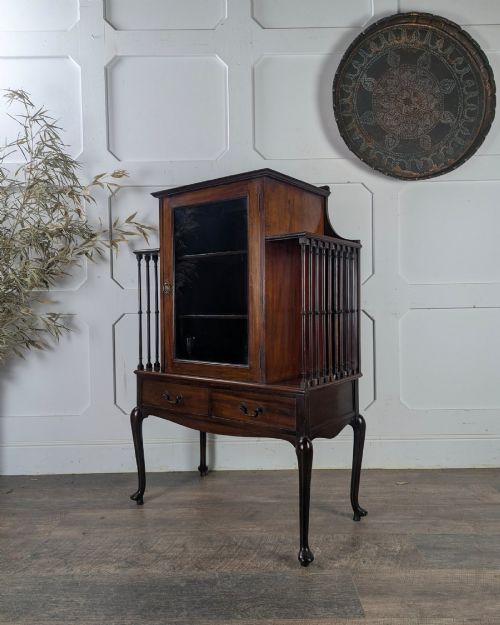
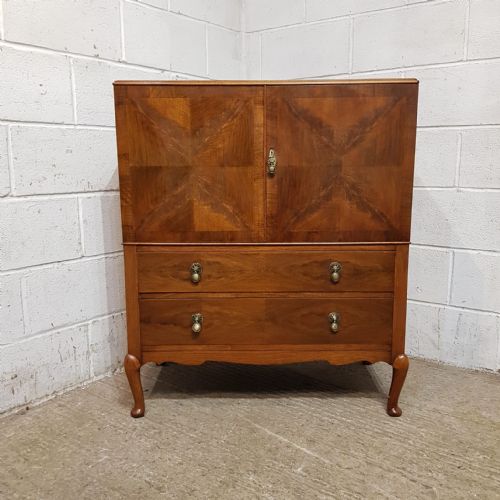
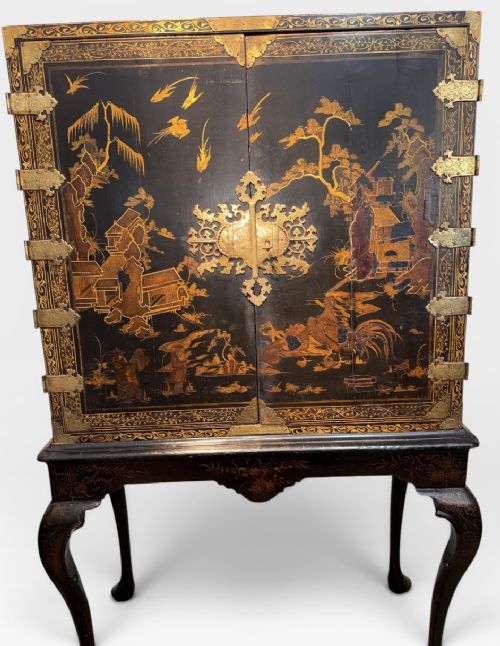
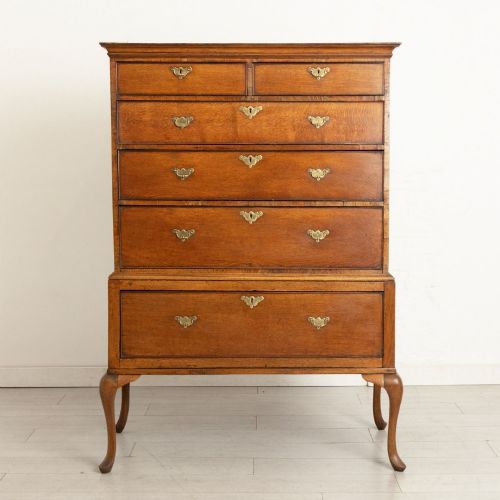
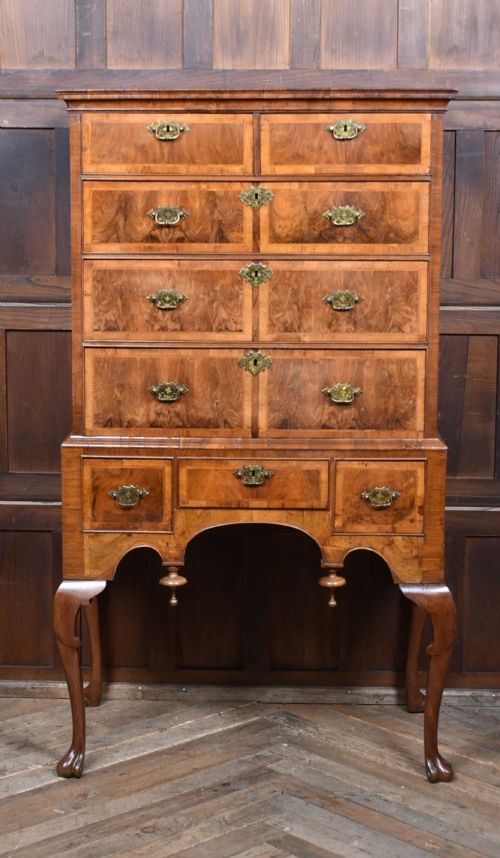
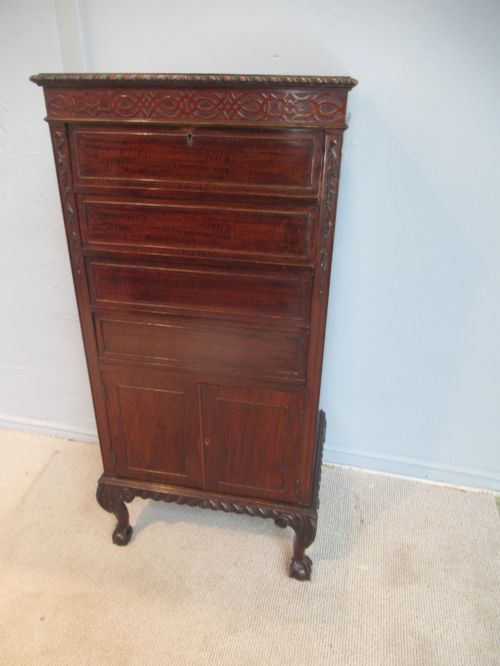
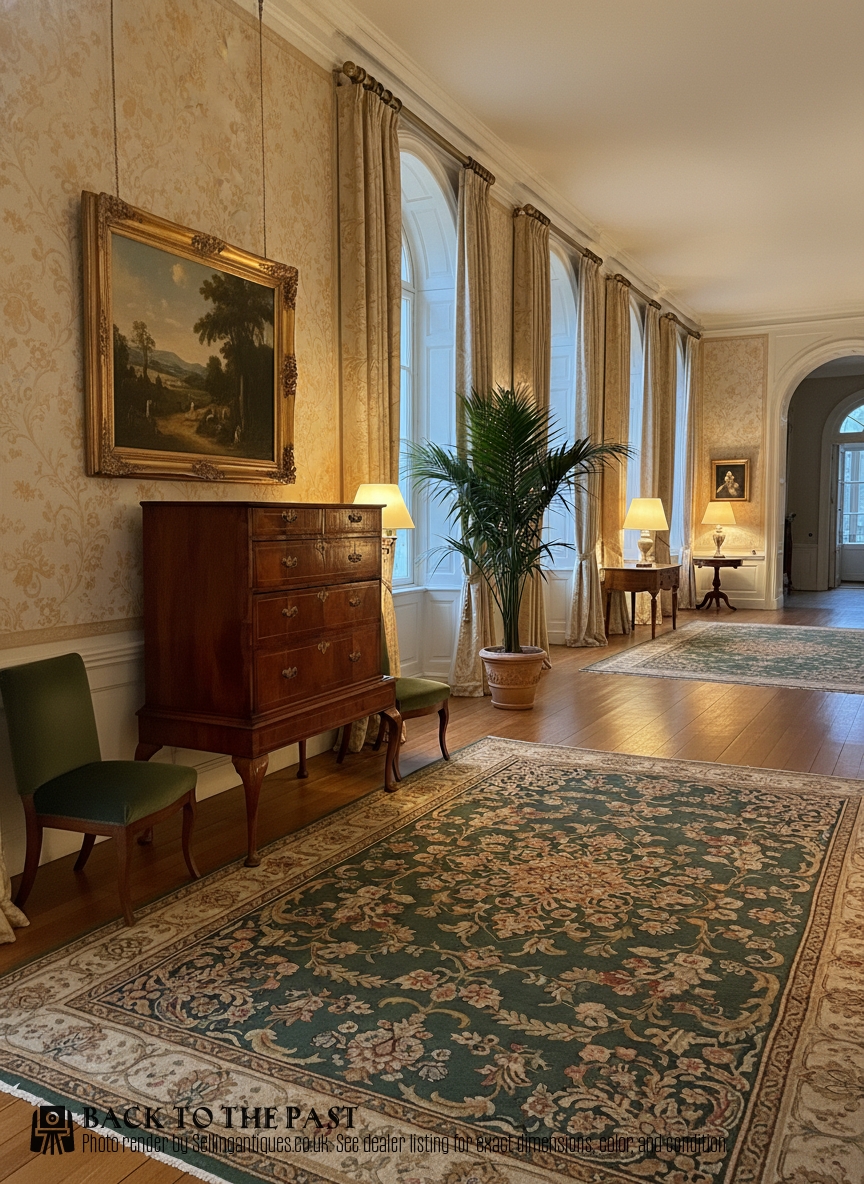
A cabriole leg chest stand combines a chest of drawers with a raised base supported by characteristic curved legs. Buyers searching for a cabriole leg chest stand will encounter forms spanning the Georgian period and the early eighteenth century, alongside later revivals from nineteen ten and nineteen twenty.
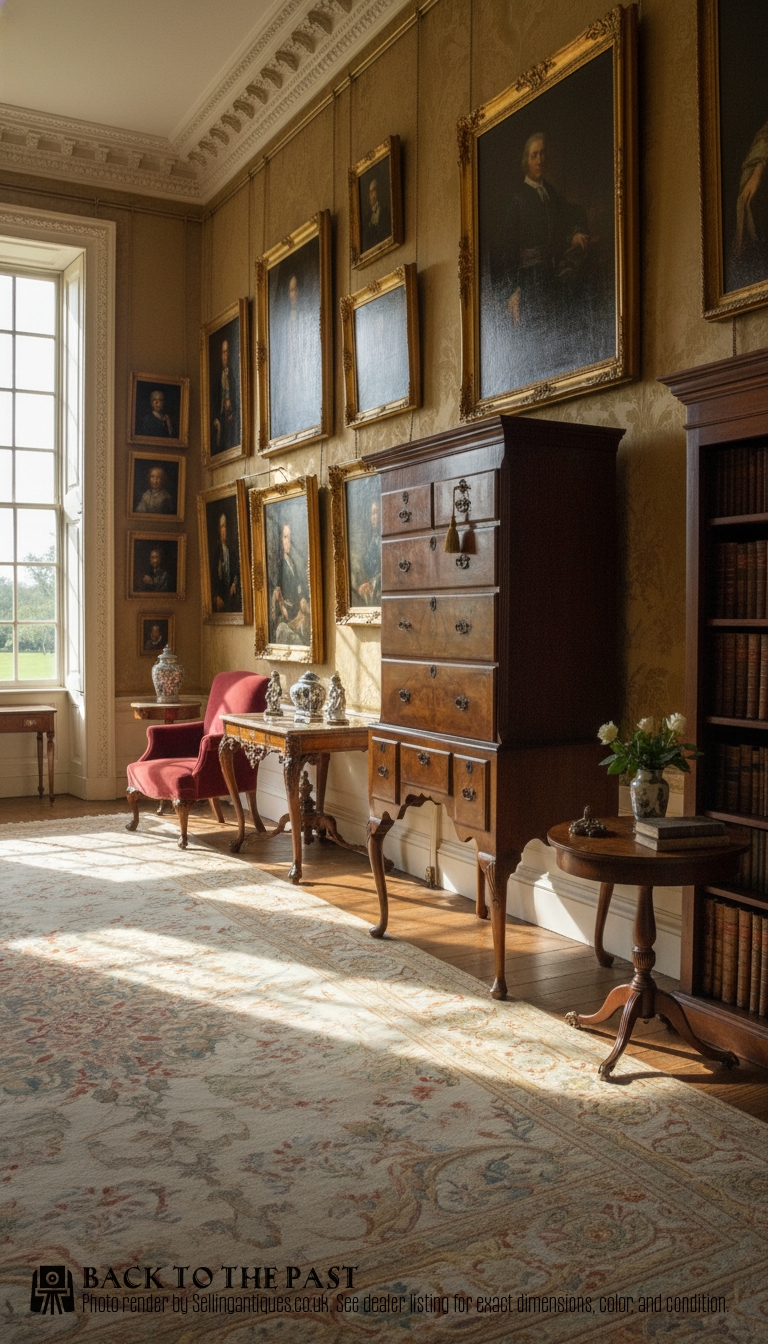
The dominant material across these listings is walnut, frequently figured as burr walnut, alongside examples constructed in oak. These pieces typically present as a chest on stand or a chest of drawers raised upon its dedicated base.
Originating in earlier centuries, these stands range from authentic eighteenth century pieces to early twentieth century interpretations built in historical styles. They function as striking focal points in a room while providing functional compartment storage.
How they were made
Cabinet makers utilised solid timbers alongside decorative veneers such as burr walnut and oyster veneer to create patterned surfaces on the drawer fronts and top panels. Boxwood stringing and brass hardware frequently accent the main timber body.
The stands are constructed with distinct legs shaped into the cabriole form, which curves outward at the knee and tapers inward toward the foot. Joinery techniques of the period secure the chest securely to its underlying stand structure.
Retail Price Guide 2026
Typical UK retail prices for cabriole leg chest stand, calculated from the Sellingantiques database of over a million retail prices indexed since 2003. This retail price guide relies exclusively on Sellingantiques data; no external sources or auction records are used, so the figures do not describe the wider market.
Materials recorded across the inventory include oak, walnut, burr walnut, boxwood, and brass furniture hardware.
What varies in quality
The distinction between ordinary and exceptional pieces lies in the choice of timber and the complexity of its grain pattern. Highly figured burr walnut and intricate oyster veneers demonstrate superior material selection by the maker.
Execution of the cabriole leg shape dictates visual success, with graceful curves and balanced proportions separating finer examples from stiffer, more rigid interpretations. The crispness of the joinery and the integration between the chest and its stand complete the assessment.
The Cabriole Leg Chest Stand Glossary
- Cabriole leg
- A furniture leg that curves outward at the knee and tapers inward to the foot, mimicking animal legs. This form became prominent during the Queen Anne and Georgian periods.
- Burr walnut
- Timber sliced from walnut tree growths, yielding intricate swirling grain patterns. It was prized by cabinet makers for high-status drawer fronts and table tops.
- Oyster veneer
- Small circular or oval slices of branch wood arranged closely together to resemble oyster shells. This technique creates a distinctive decorative surface on early eighteenth century furniture.
- Chest on stand
- A two-part furniture form comprising a chest of drawers resting upon a separate or integrated low table frame. It lifts storage off the floor on legs rather than a solid plinth.
Frequently Asked Questions
What is a cabriole leg chest stand?
A cabriole leg chest stand is a raised storage unit featuring drawers supported by curved legs. These pieces lift traditional chest storage off the floor to create a lighter silhouette in a room.
They combine the utility of a chest with the decorative presence of a table base. Most examples appear in walnut or oak from the eighteenth century or later revival periods.
How do I date a chest on stand?
Dating relies on examining the timber species, construction methods, and hardware styles used throughout the piece. Eighteenth century examples show period specific joinery and natural ageing on the wood surfaces.
Later pieces from nineteen ten or nineteen twenty often replicate these earlier styles. Comparing the secondary timbers inside the drawers helps clarify the age of manufacture.
Where should I place this furniture?
These stands suit entrance halls, living rooms, or bedrooms where their raised profile can be appreciated from all angles. Their compact footprint makes them useful for adding storage without overwhelming floor space.
Keep them away from direct heat sources and strong sunlight to protect the walnut veneer and polished finishes. Position them against a sturdy wall to maintain stability.
Are these pieces made of solid walnut?
Many pieces utilise timber veneers applied over secondary woods like oak or pine for stability. Figured sections such as burr walnut are specifically chosen for their decorative grain on the exterior surfaces.
Solid timbers appear on the structural frames, legs, and drawer sides. This combination prevents warping while showcasing expensive decorative woods on the primary visual areas.